Renovating historic houses
Does renovating a derelict historic building create a Trigger's broom scenario?
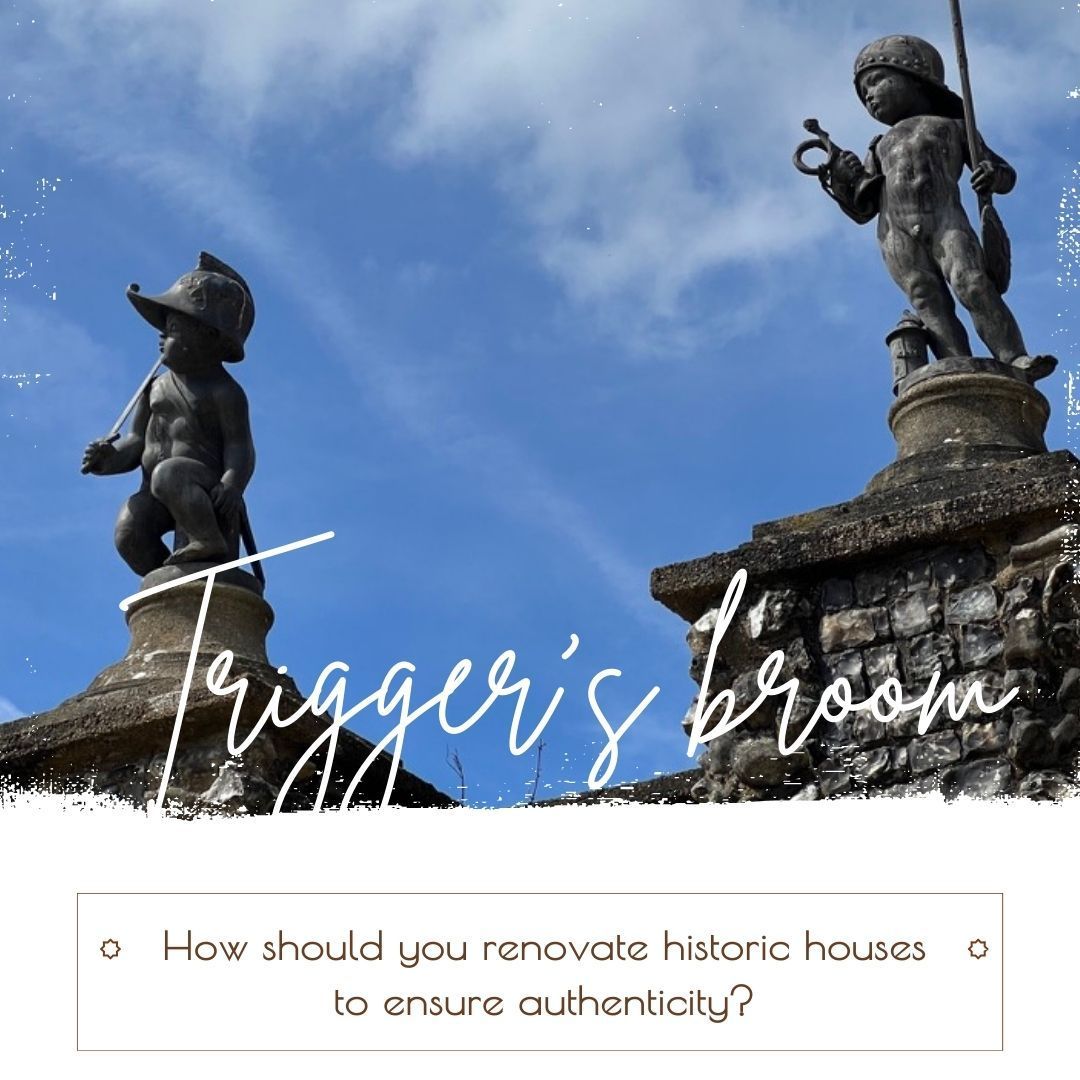
Here’s a question for you:
Should a derelict historic building be renovated and brought back to life, or do we get stuck in the Trigger’s broom scenario where nothing is authentic or original?
There’s no easy answer I’m afraid. Each case needs to be decided on merit. We can’t preserve everything in aspic, but we can’t let things crumble either.
Essentially, every building needs a purpose. That could mean that it’s open to the public to enjoy, helping us to understand the evolution of design, taste, lifestyle and the foibles of human life.
It could mean adding a modern extension or link, juxtaposing two periods in history, something for future generations to engage with.
The National Trust is taking another approach. Clandon Park, near Guildford, was ravaged by fire in April 2015. The damage was so extensive that to rebuild it would mean little of the original 18th century structure would be intact.
However, the fire stripped the building back, exposing a stone and brick skeleton, highlighting how grand houses were designed and created.
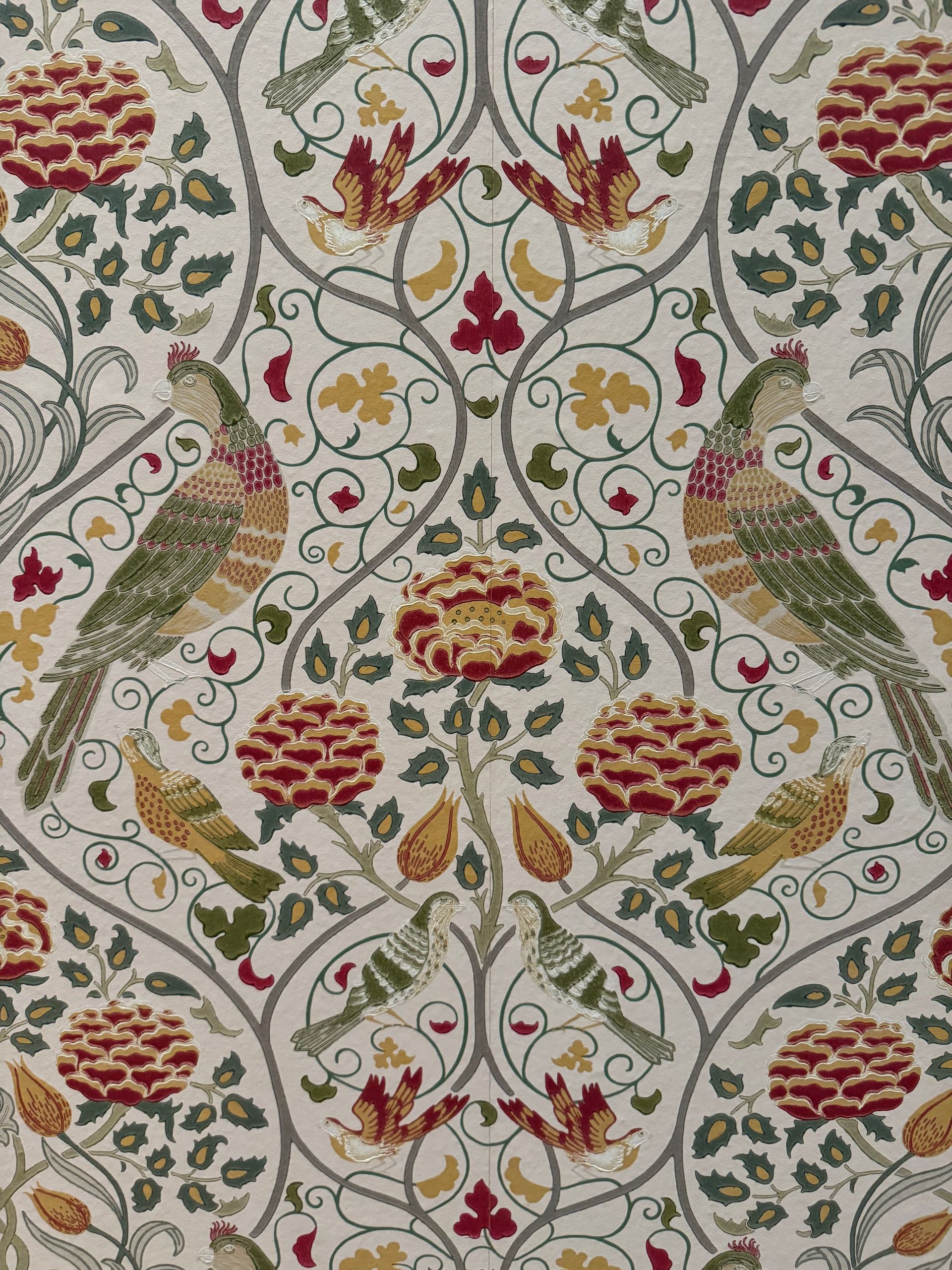
Tiny fragments of previous interior styles were discovered including a 18th century wallpaper hidden under a picture rail, and vibrant blue paint on panelling. By analysing these wallpaper and paints, conservationists can develop a fully picture of how the house was decorated, how it was used and the tastes of the people who lived there.
The Clandon Project now seeks to create a living building. Instead of restoring the structure completely, the aim is to provide a backdrop for displays, events and activities.
Currently an empty shell, the National Trust aims to create new walkways and staircases between the different levels, offering unique views of the structure, as well as a roof terrace overlooking the grounds.
For more information, please visit the National Trust website.
If you live in a heritage property and would like advice on how to renovate or restore your property, please drop us a line. We’re passionate about history and would love to chat.