Norney Grange
Today, Norney Grange is owned by Charlotte Lockhart and Andrew Barnes, who purchased the property in 2022 after spotting it in Country Life. The couple were already well-acquainted with the Arts and Crafts period, having restored a Lutyens house in 2018. Their passion for this era is rooted not just in aesthetics, but in the movement’s underlying philosophy.
“We both really like the period because it reflects a time when the world was in flux and starting to become very fast-paced,” says Charlotte. “The movement is about slowing things down again and valuing beauty, craftsmanship and the preservation of skills.”
Voysey’s Signature Touches
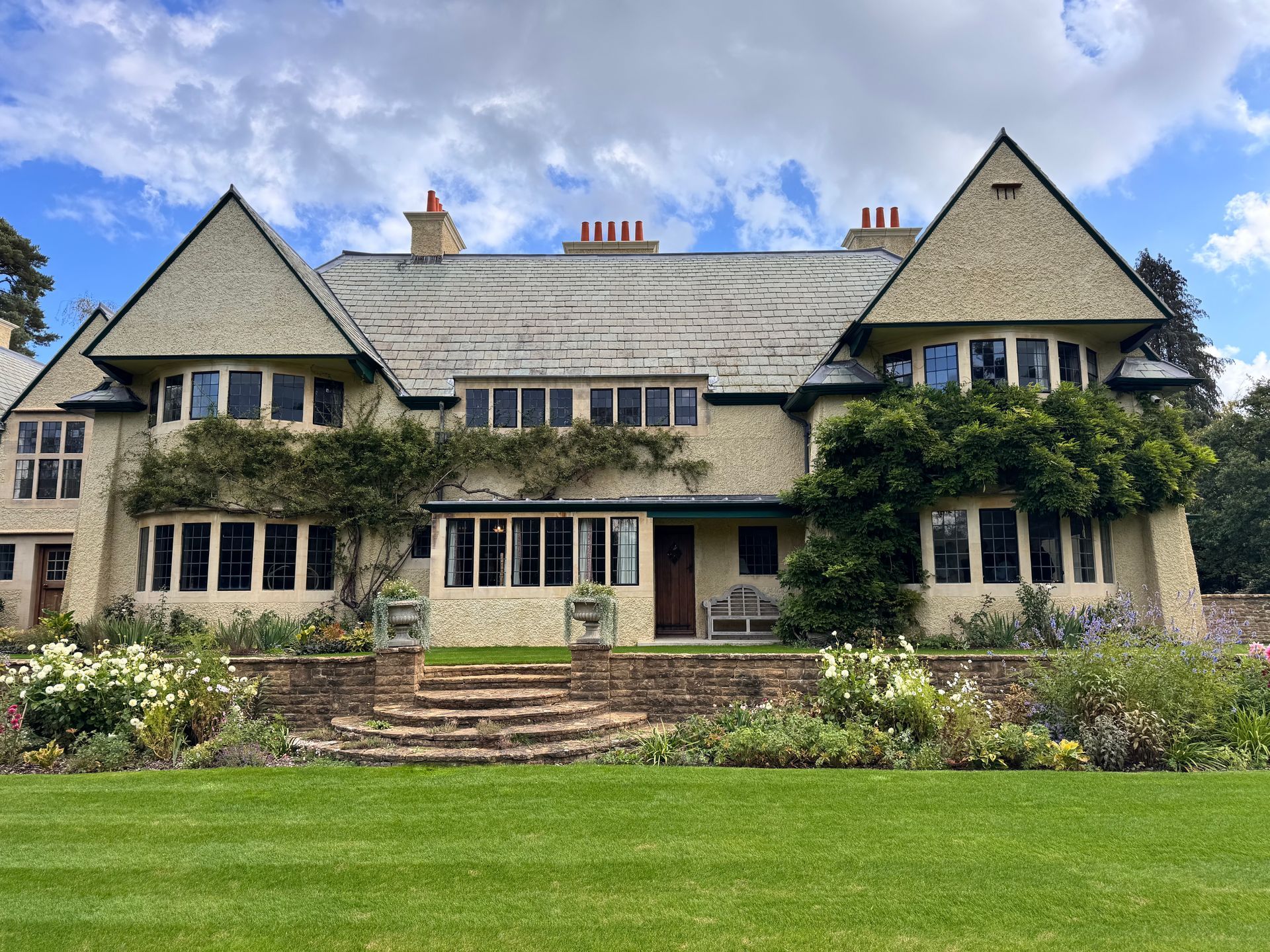
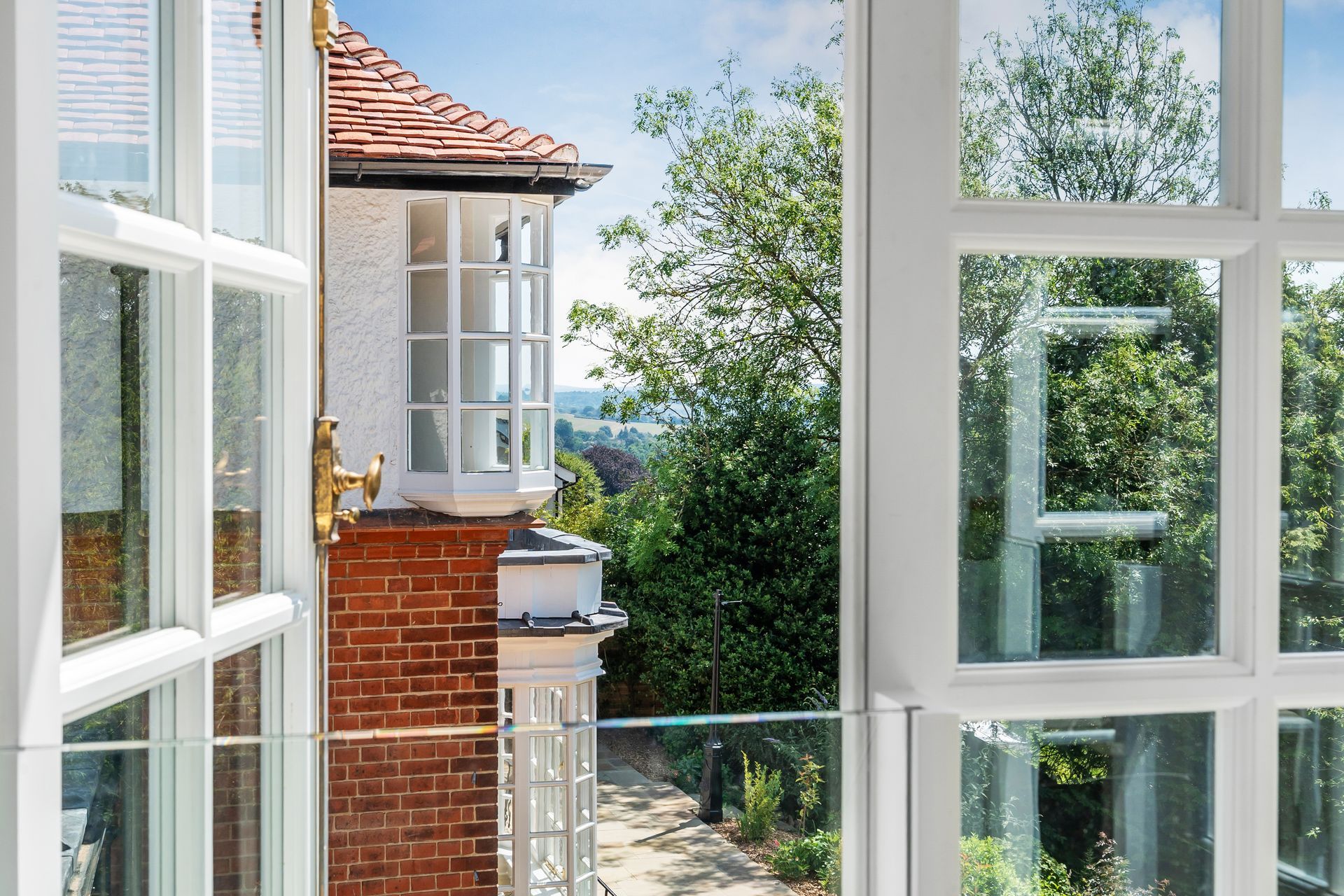
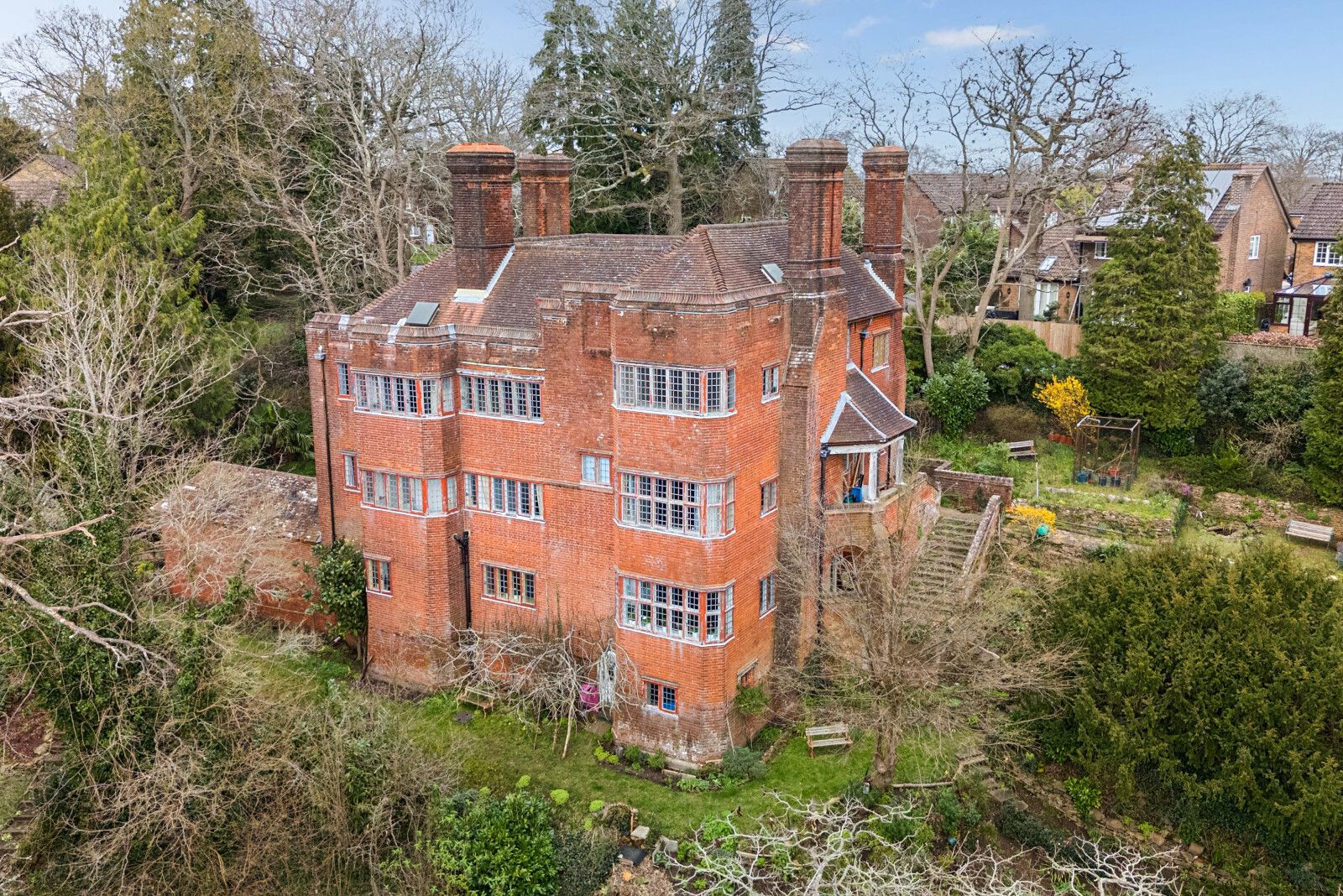
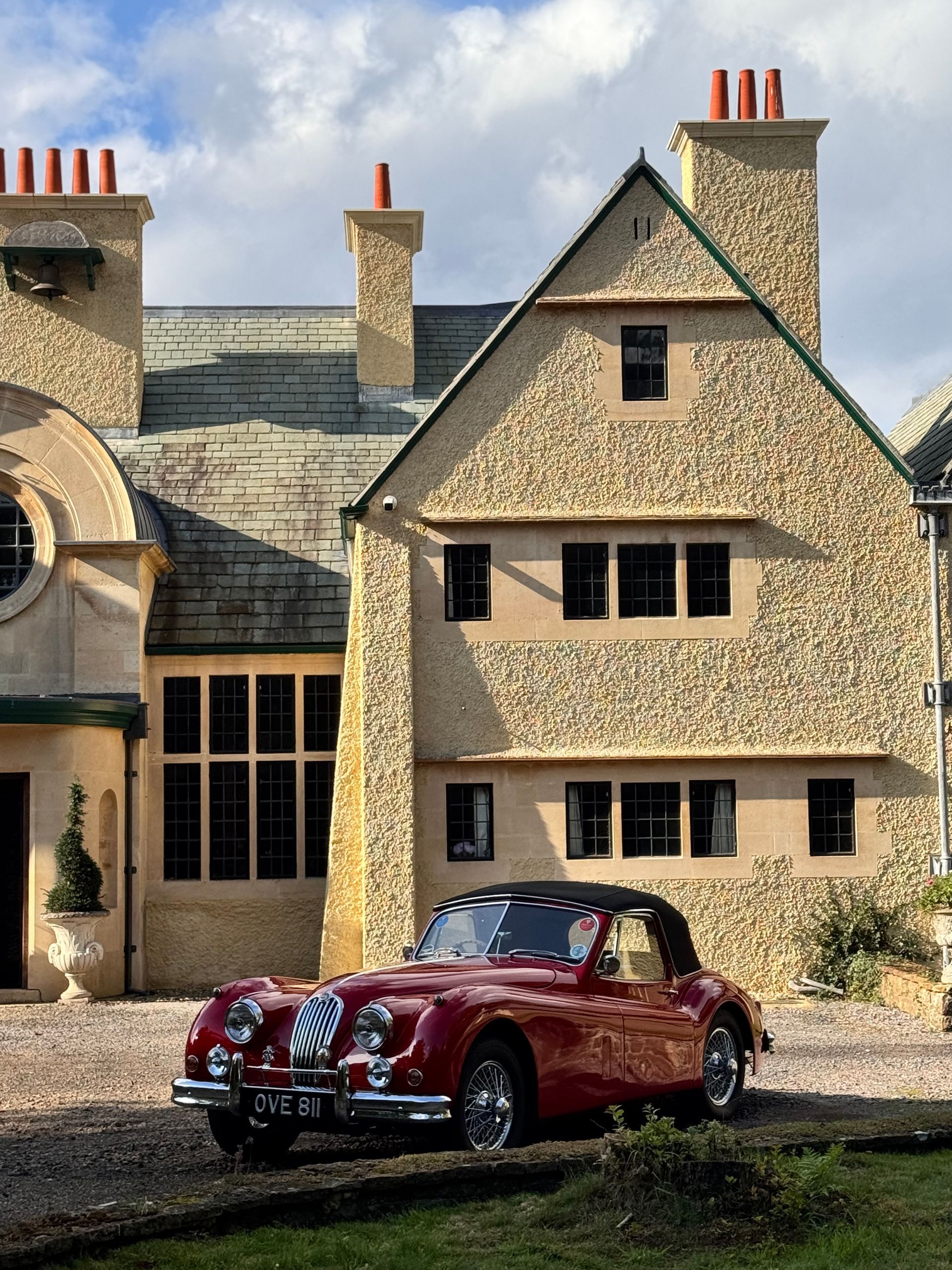
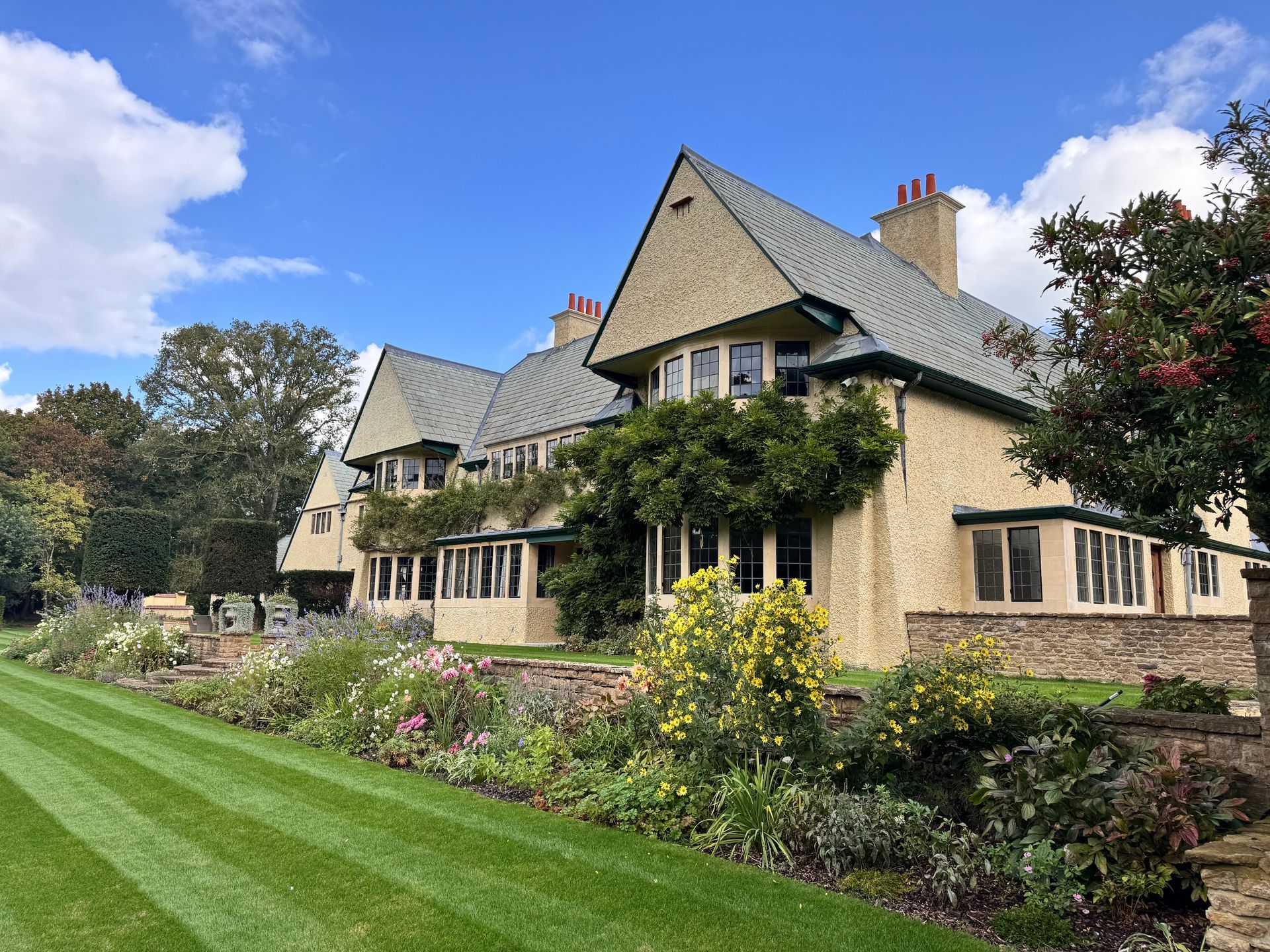
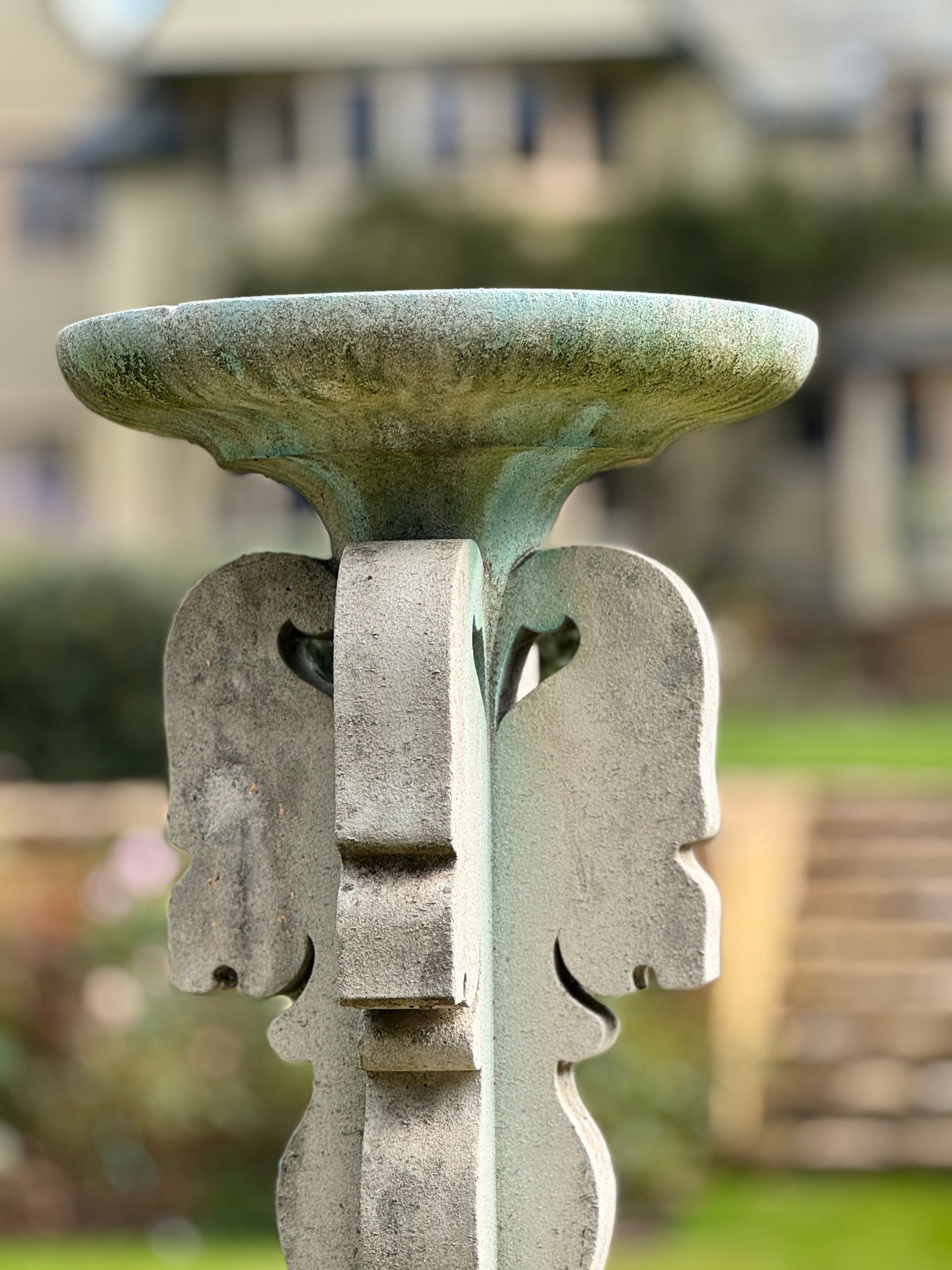
Voysey’s architectural language is immediately recognisable: soft white walls, simple rooflines and a mastery of proportion that feels at once humble and assured. Yet at Norney Grange, he allows himself moments of playfulness: his own profile appears in the house’s bell struts and sundial, a quiet signature left for those who look closely.
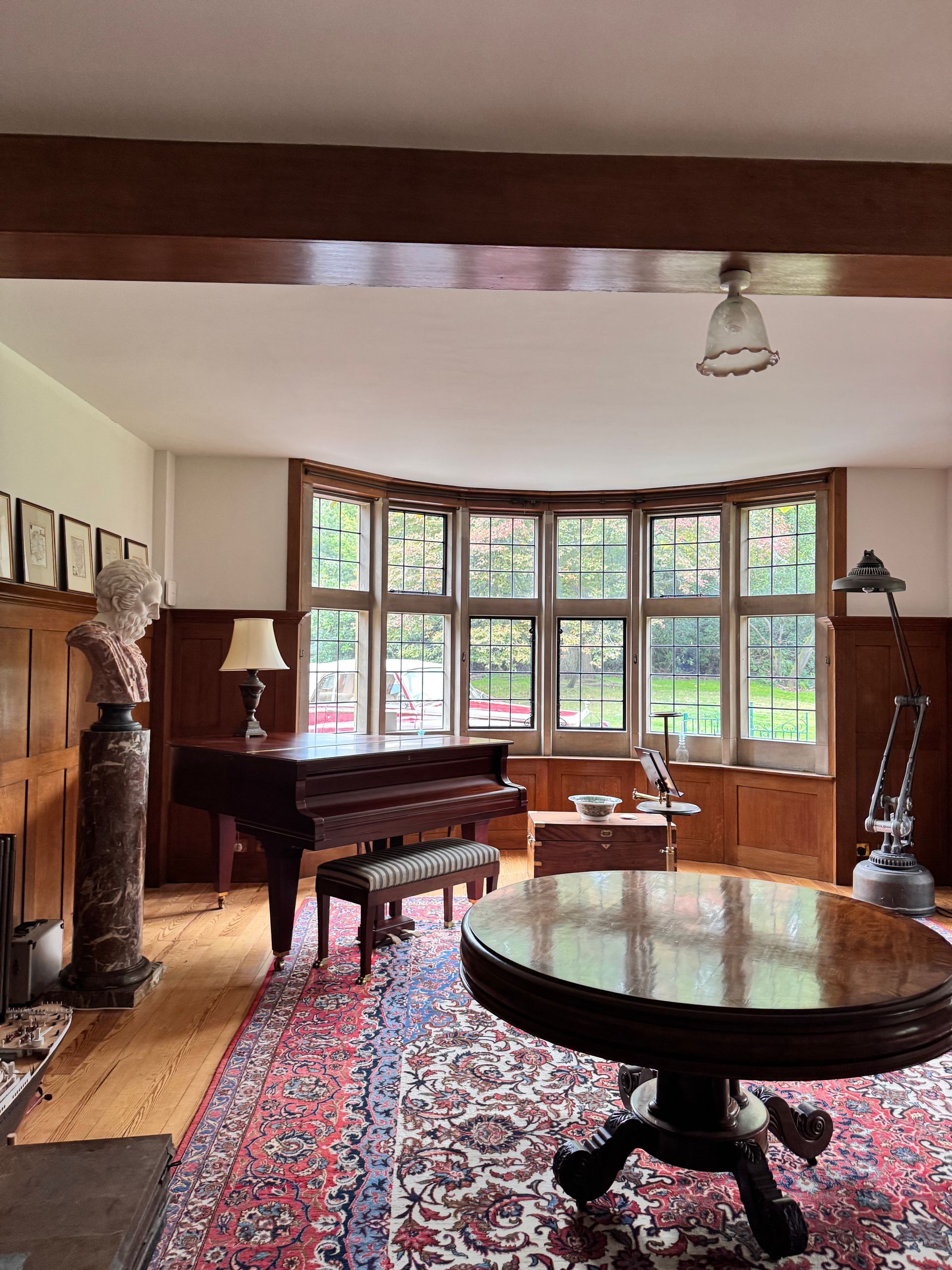
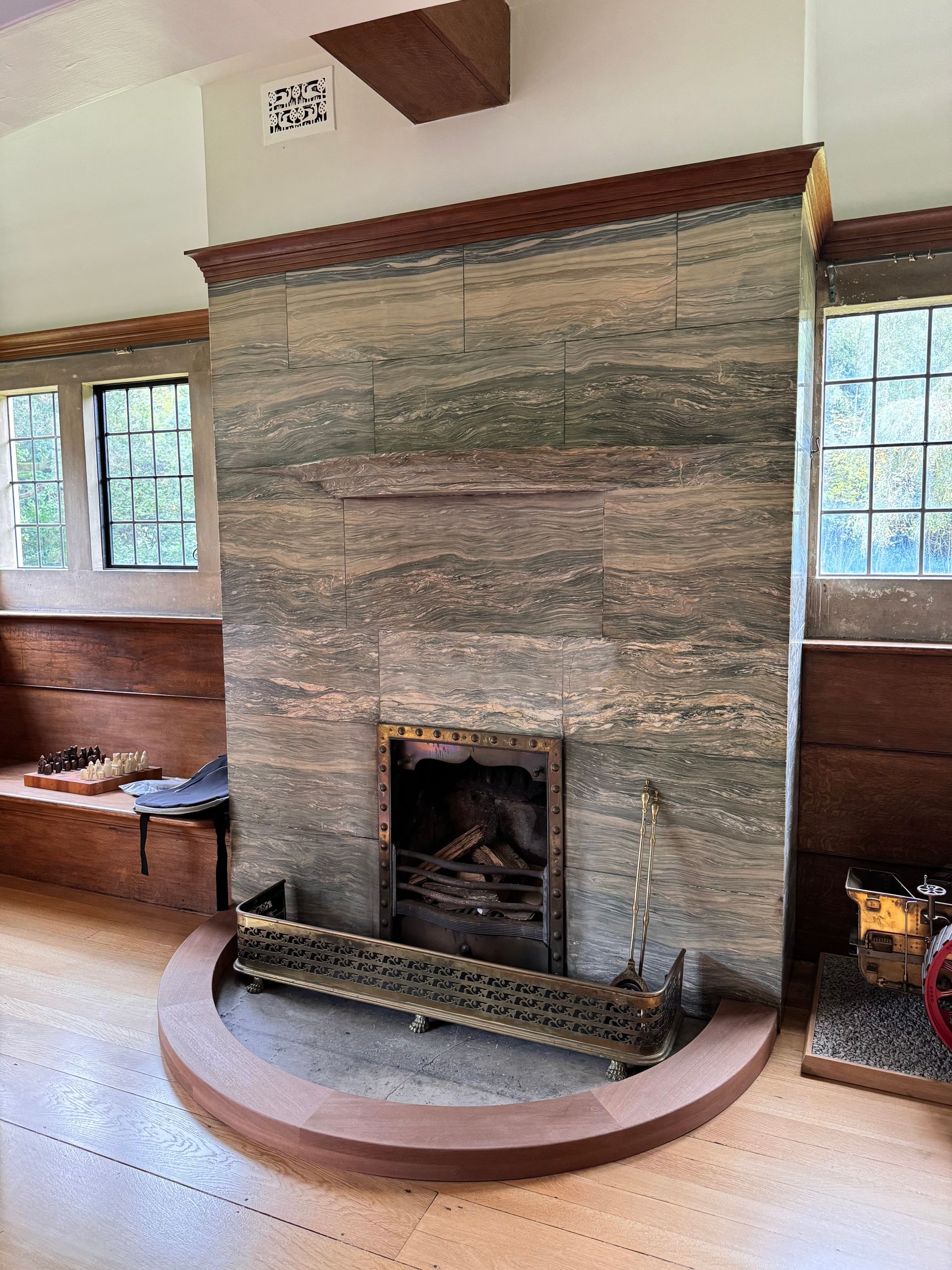
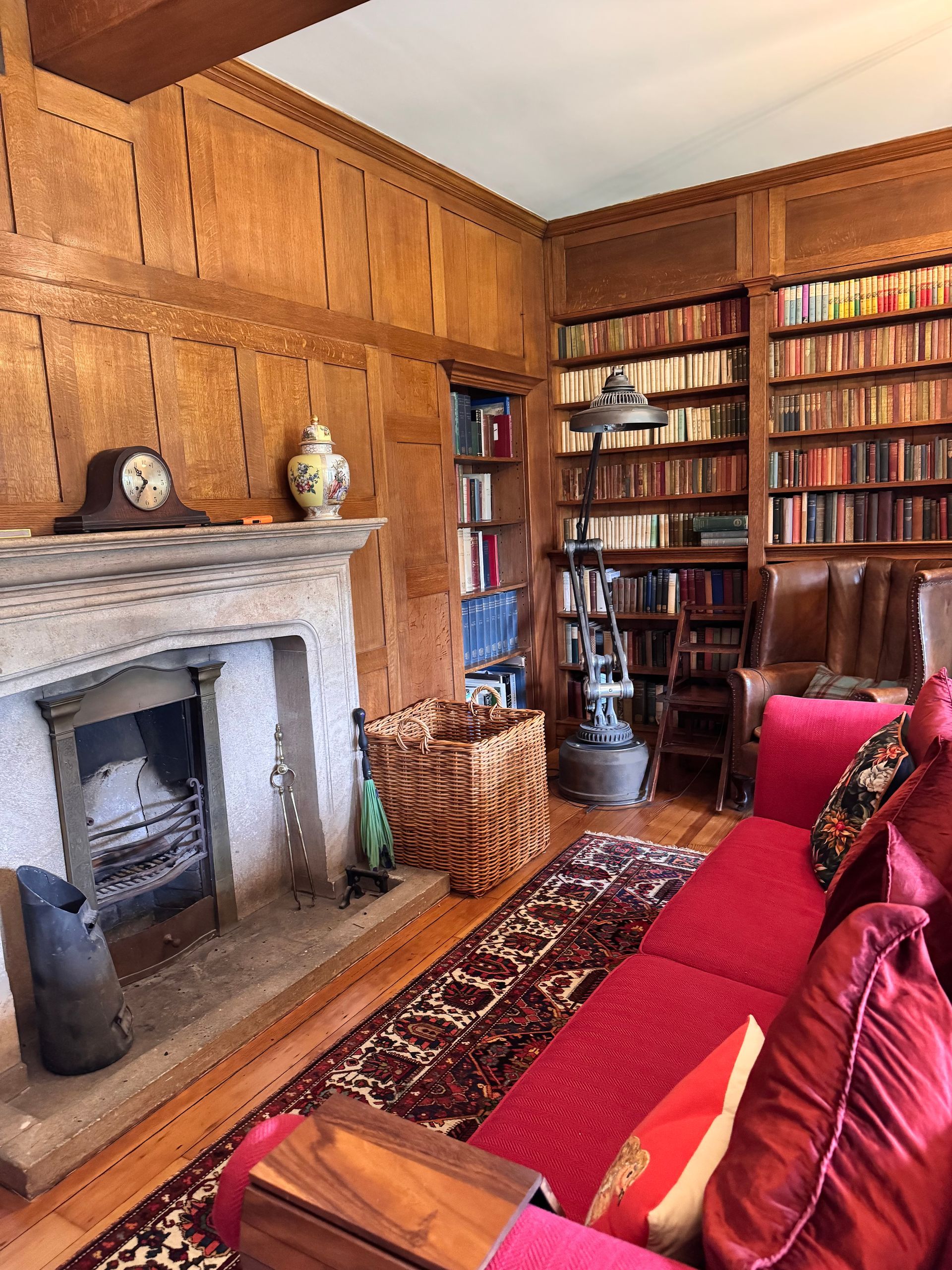
Inside, Voysey’s material palette of pine and oak feels timeless. The interiors, like the architecture itself, are calm and considered, spaces designed for comfort rather than display. Some features have changed over the years - the drawing room fireplace, for example, is not original - yet the spirit of Voysey’s design remains intact.
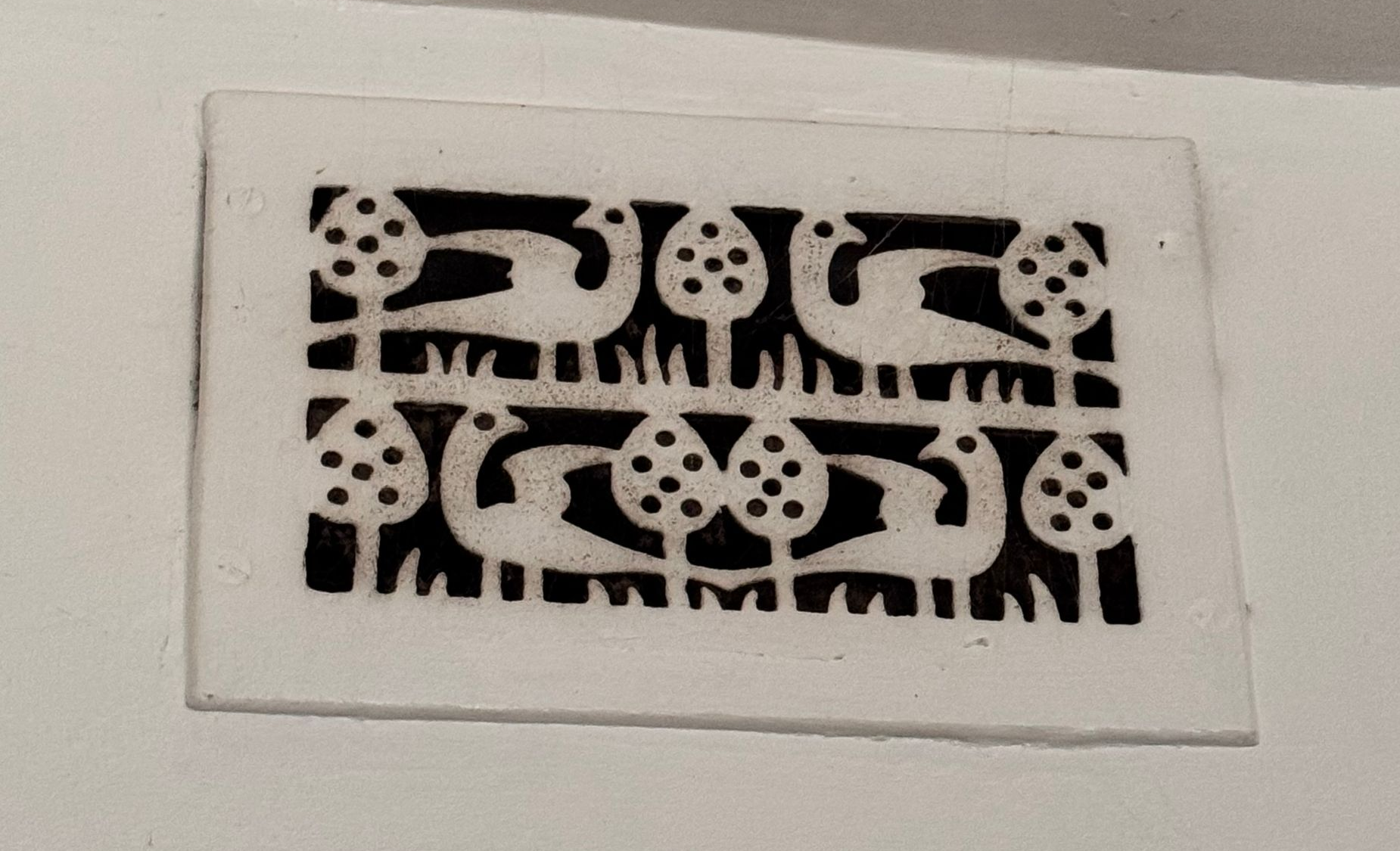
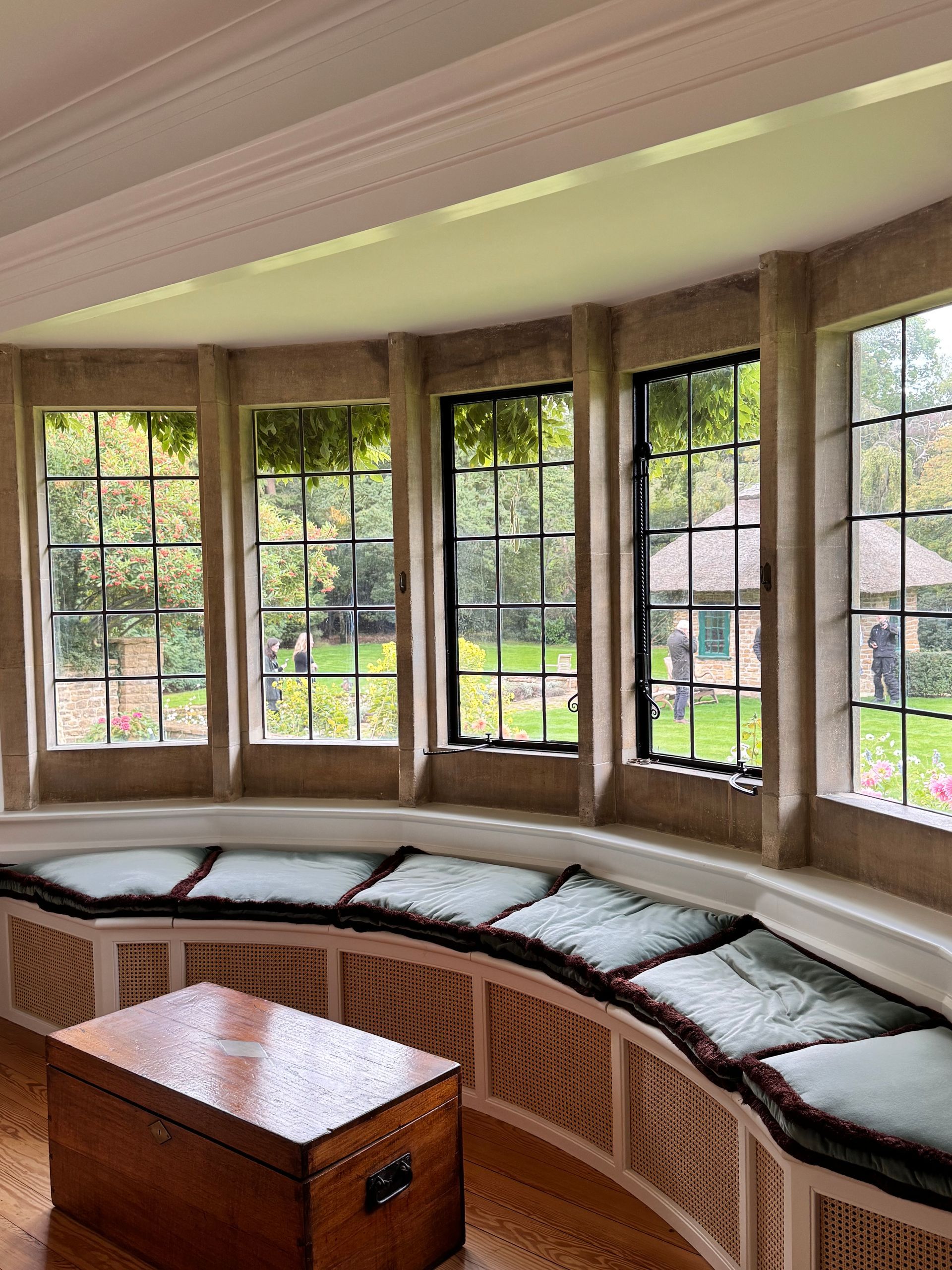
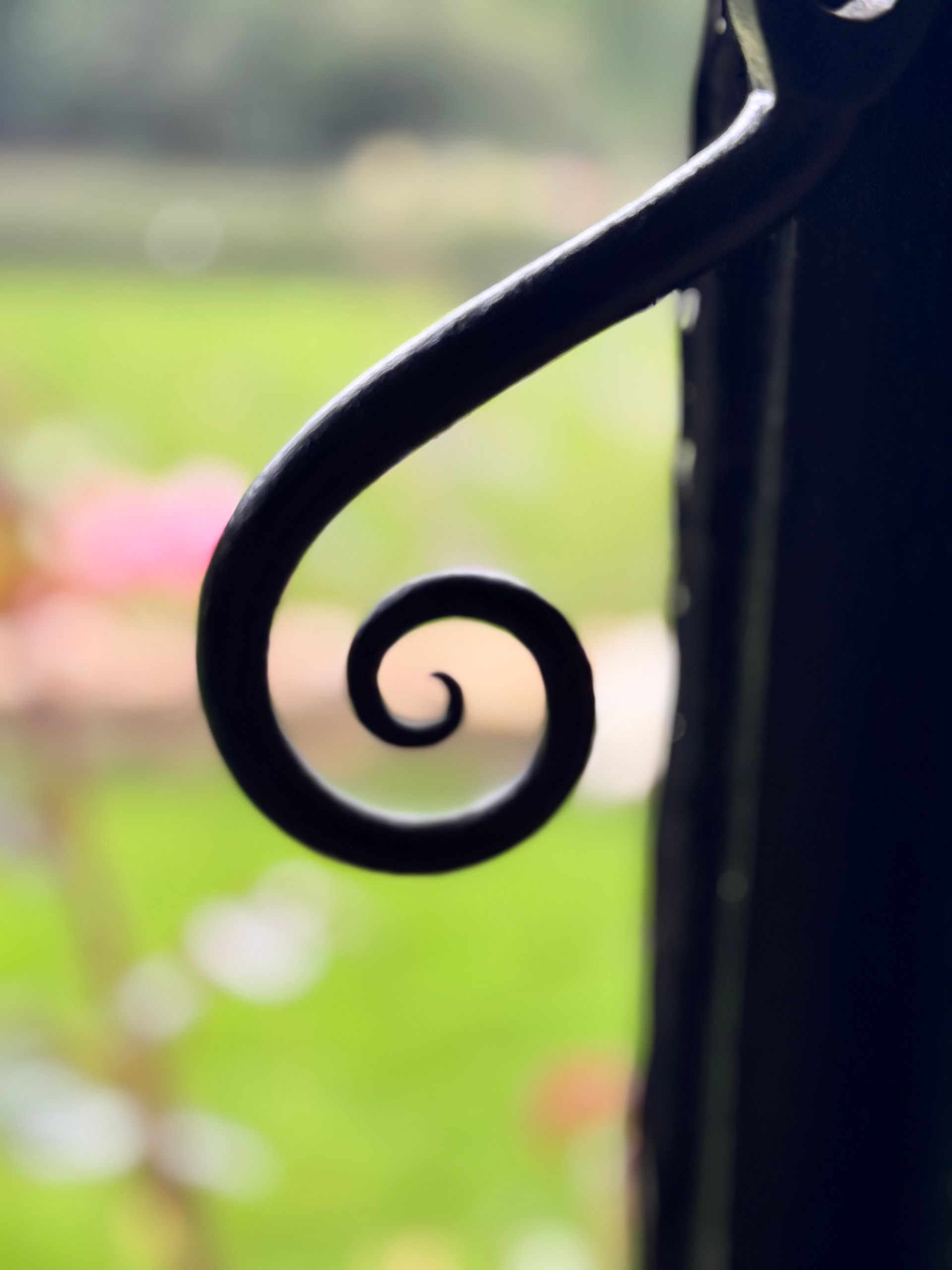
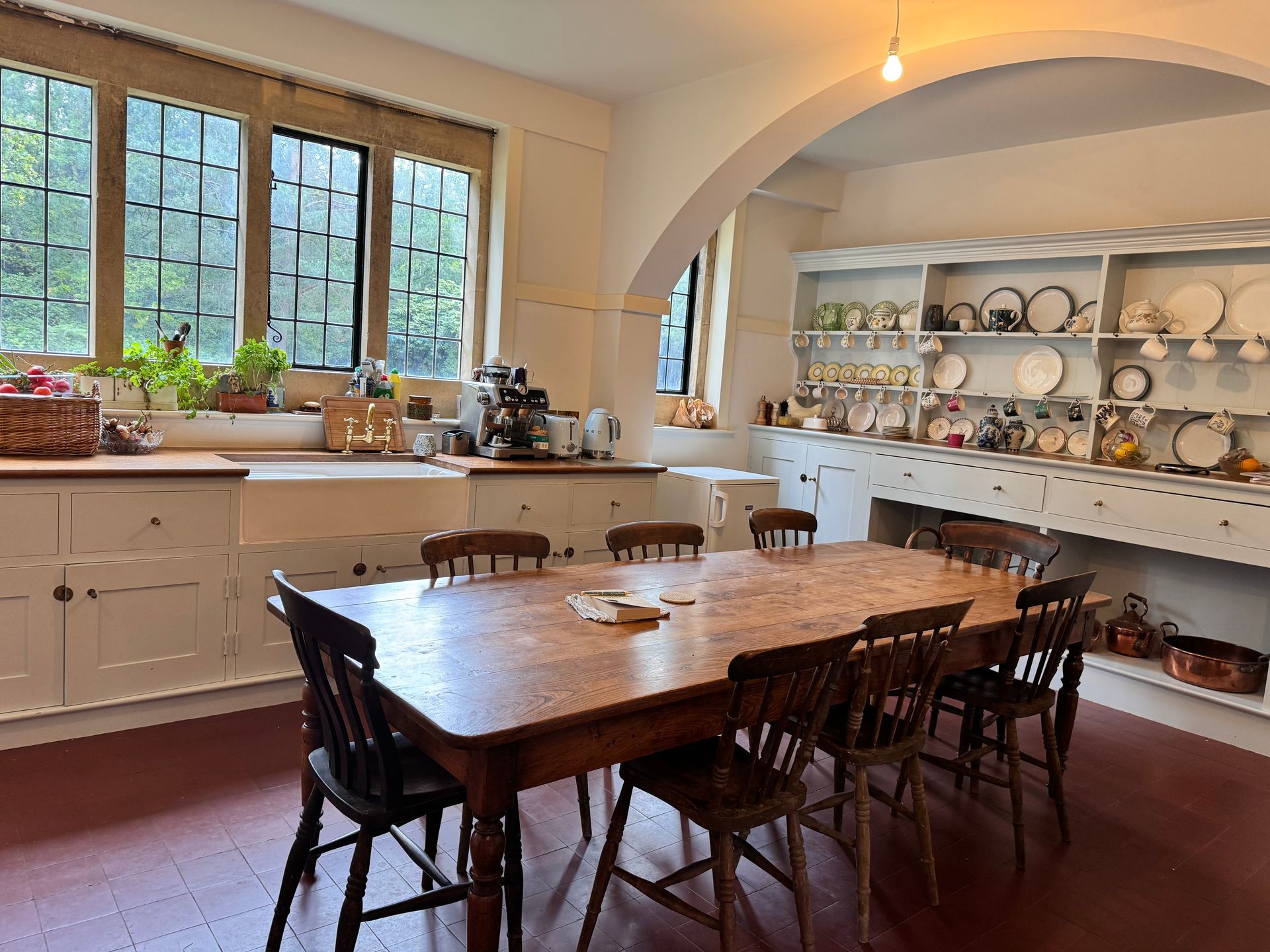
Voysey’s approach to design was evolutionary and holistic. From the window handles to the built-in cabinetry, from the air vents to the down pipes, every detail was designed to fit a specific set of circumstances.
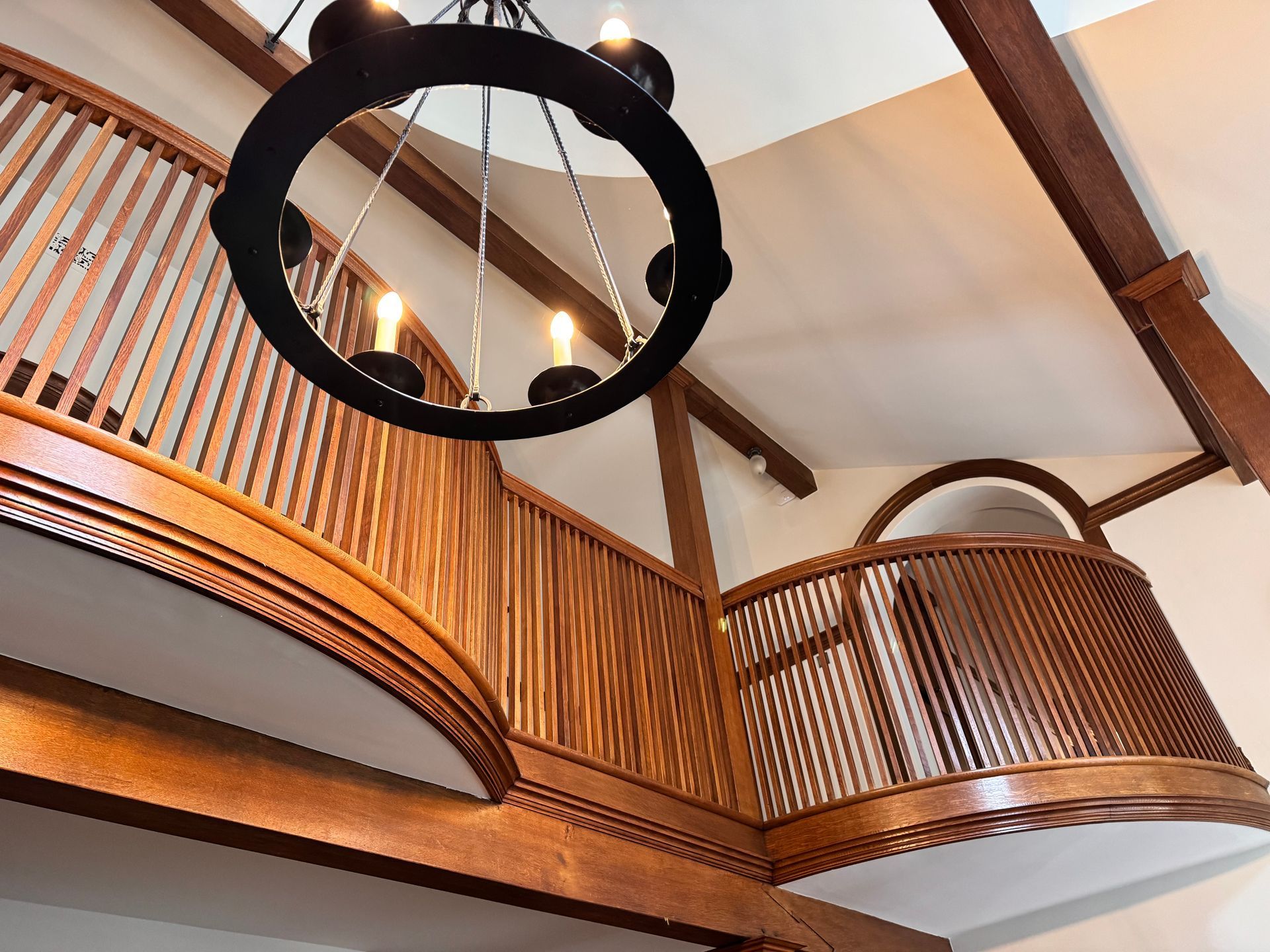
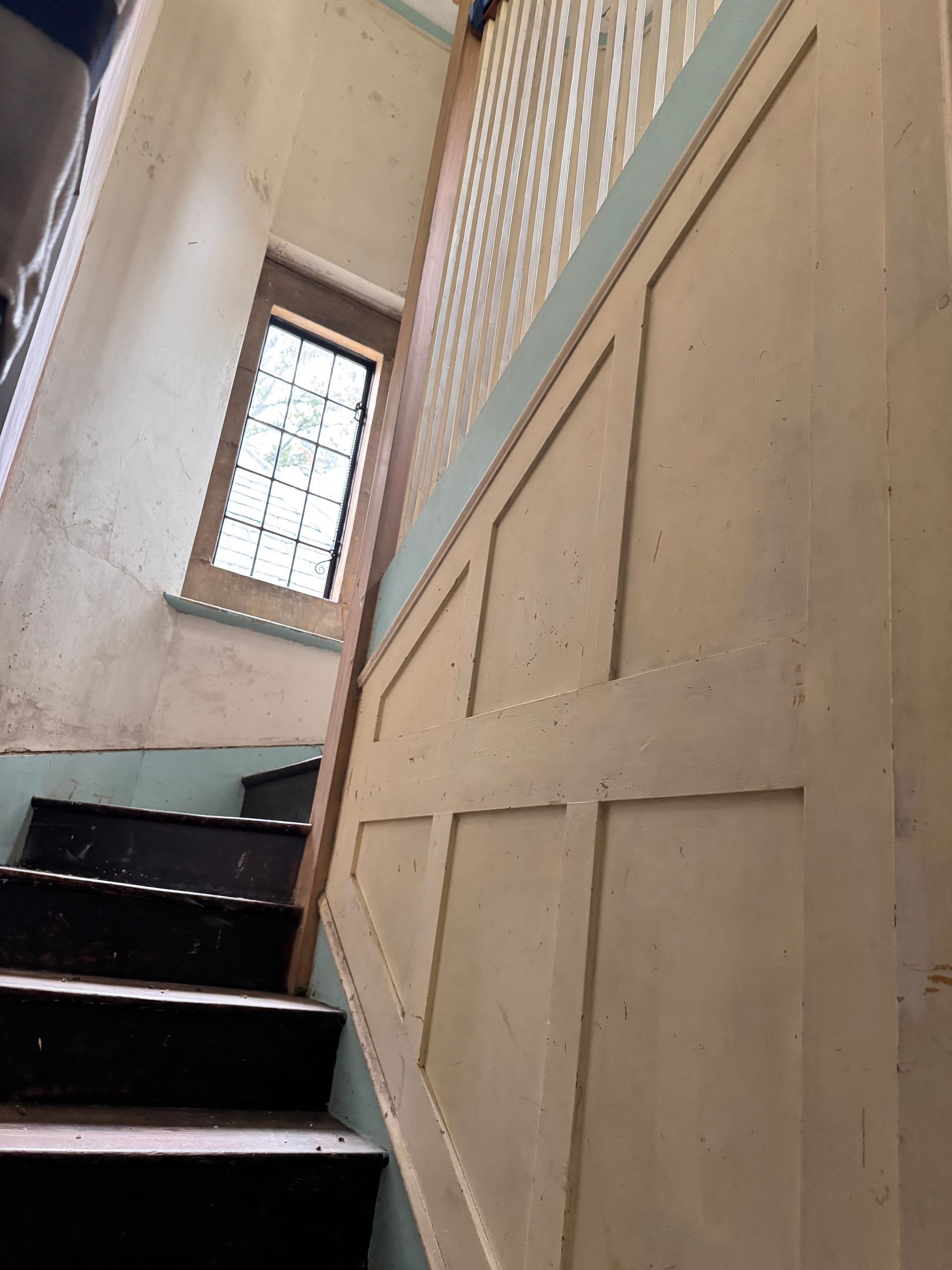
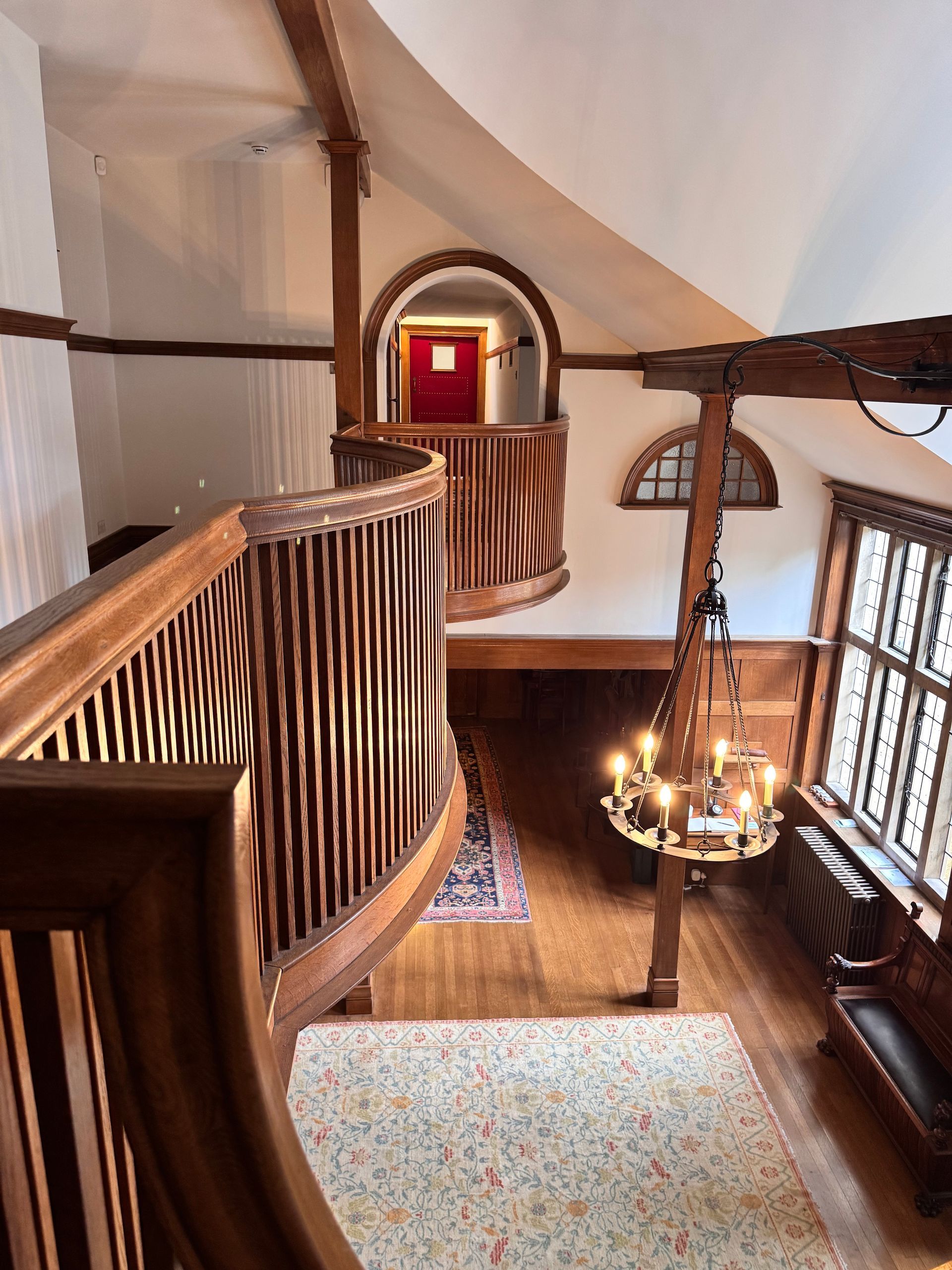
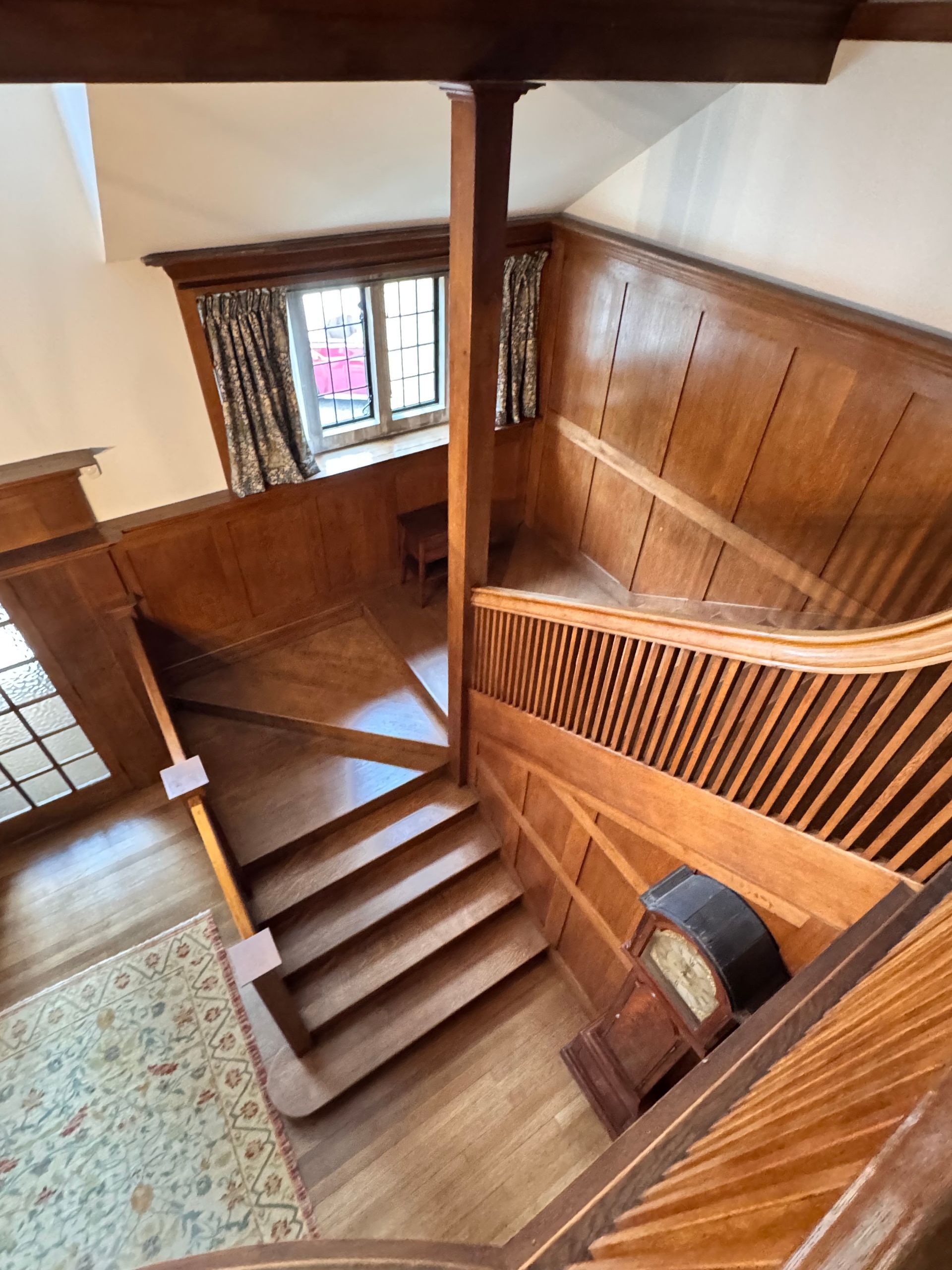
The entrance hall at Norney Grange is a centrepiece of his design approach. This double-height hall is surrounded by Austrian oak panelling, with a balustrade of closely spaced stick balusters. The landing offers “breathing” curves, presenting an opportunity to peer down on the entrance hall, or out through the circular window over the front door.
Layers of History
The house has passed through only five owners since it was built.
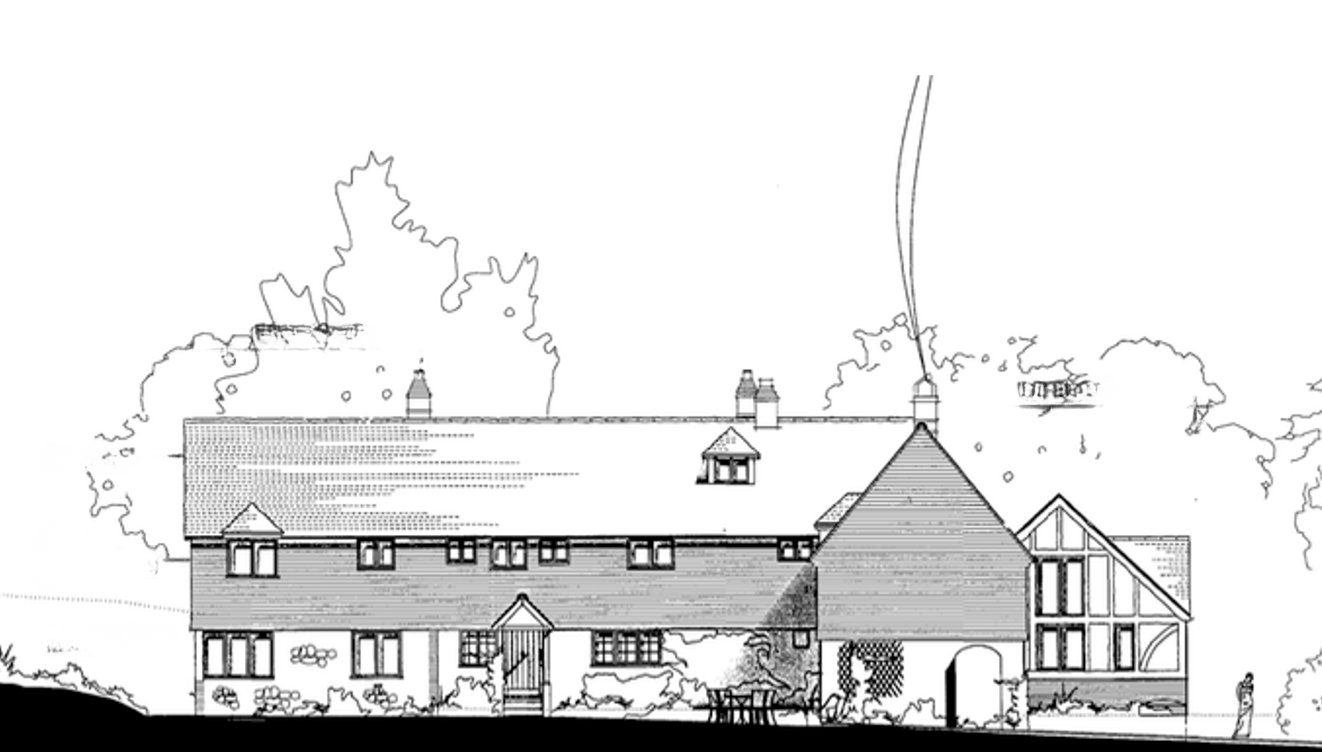
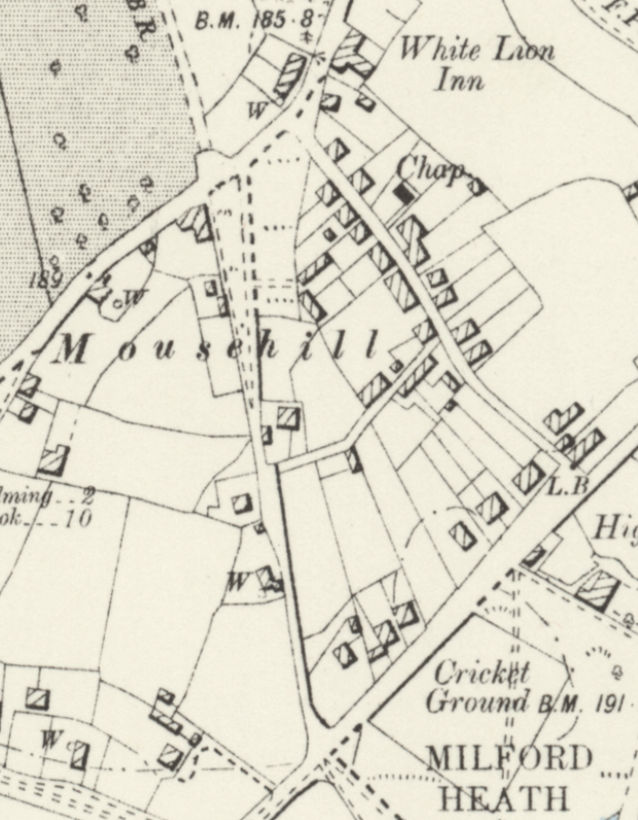
It was originally designed for Reverend William Leighton Grane, using land from Lord Middleton at the nearby Peperharow estate. Although Lutyens helped Rev. Crane to buy the land, it was Voysey he chose to design the house.
The lodge house, near the church, was the first building created, and Voysey stayed here for a time, while the house was being built.
Not a rich man, Rev Grane was unable to finish the project and it was sold to James and Emma Wainwright. James, a governor, almoner and treasurer of St Thomas’s Hospital, London, had been bought up locally at Hoe Place, Woking. The couple raised eight children at Norney Grange and remained in residence until 1929.
Later owners each left their subtle mark, but unlike many houses of its age, Norney Grange was never heavily modernised, perhaps one reason why its atmosphere remains so authentic. The stables, added in 1914, and later gardens have all evolved with care. The pond, for instance, dates from the 1930s, while the recently made hand-thrown chimney pots are faithful replacements for the originals, which had been replaced in the 1970s.
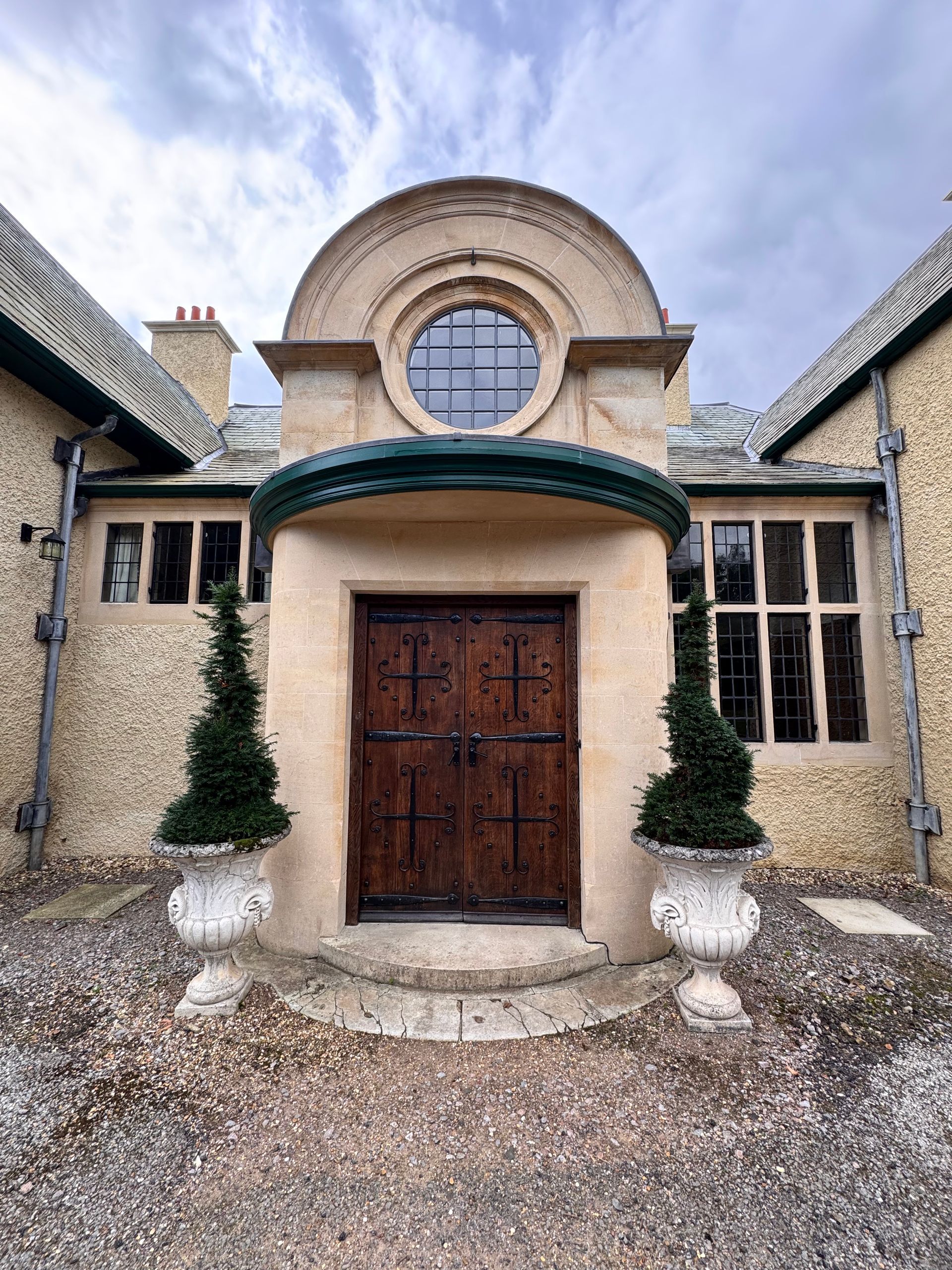
However, not everyone saw the beauty. In The Buildings of England, Surrey, Iain Nairn and Nikolaus Pevsner (1971) are somewhat unkind in their description of the house: “Voysey is here almost making cliches out of his own style, particularly in the entrance front with the ugly doorway and asymmetrically battered gable wings.”
A Living Landscape
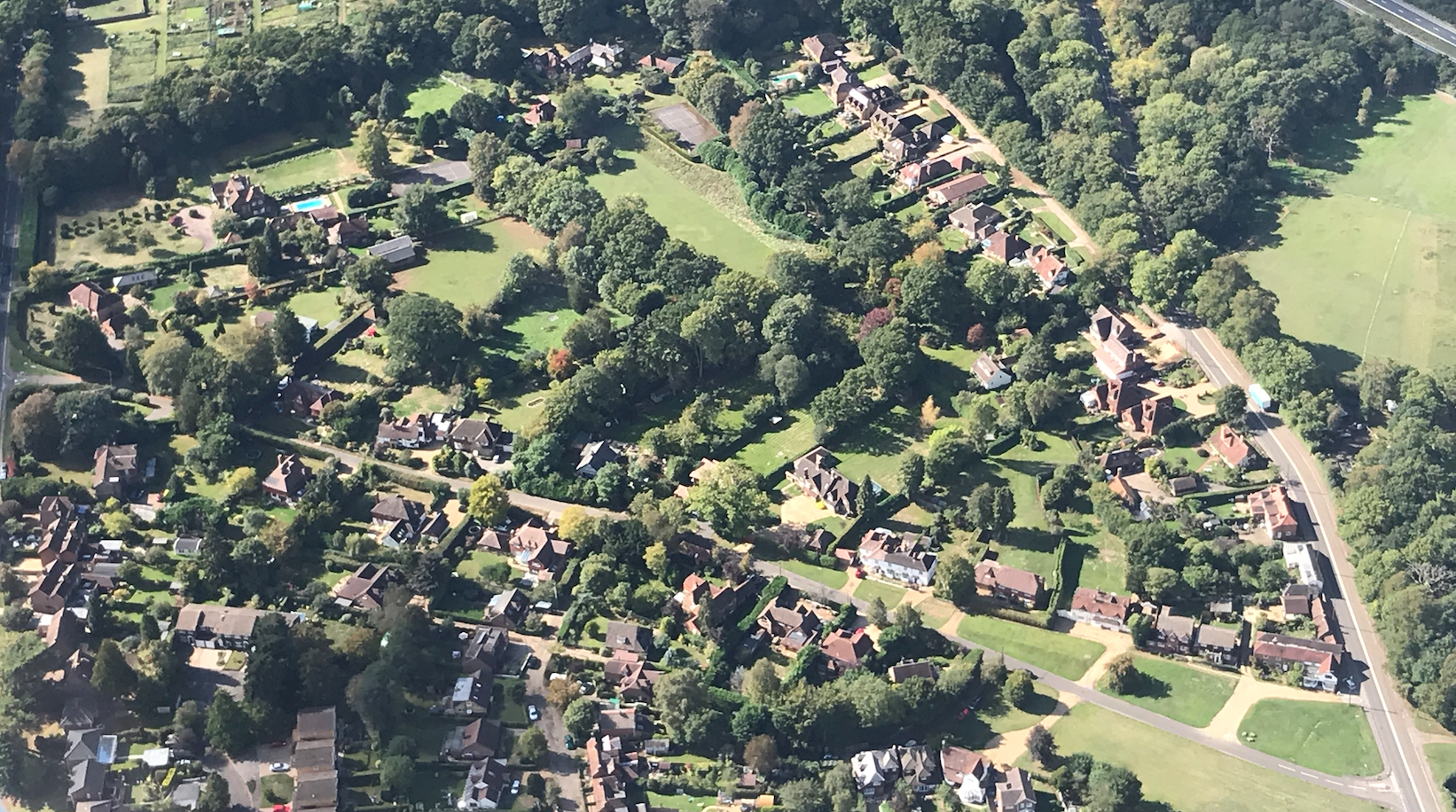
Gardens are an essential part of the story. Having previously restored a six-acre garden at Fig Tree Court, in Tilford, Charlotte and Andrew now face the challenge and joy of nurturing 21 acres at Norney Grange.
Without historic plans to follow, they rely on instinct and inspiration:
“We use a principle called, ‘What would Gertrude do?’” says Charlotte, referring to celebrated garden designer Gertrude Jekyll. “Voysey, Lutyens and Jekyll were at the forefront of design in their time. If they were alive today, they’d still be developing their ideas. Jekyll would be breeding plants for a warmer, drier climate, while Voysey and Lutyens would be creating cooler, more environmentally friendly homes for modern living.”
It’s a philosophy that perfectly bridges past and present, honouring history while allowing design to evolve.
As restoration continues, Charlotte and Andrew’s approach is refreshingly unpretentious. “We paint everything white until we decide what to do,” they explain, a method that allows them to live with the building and let it reveal its needs over time.
The result is a house that feels loved, not curated. A place where Voysey’s ideals of simplicity, honesty and joy in craft continue to resonate over a century later.
Slide title
Write your caption here
Button
Slide title
Write your caption here
Button
Slide title
Write your caption here
Button
Slide title
Write your caption here
Button
Slide title
Write your caption here
Button
Slide title
Write your caption here
Button
Slide title
Write your caption here
Button
Slide title
Write your caption here
Button
Slide title
Write your caption here
Button
Slide title
Write your caption here
Button
Slide title
Write your caption here
Button
Slide title
Write your caption here
Button
Slide title
Write your caption here
Button
Slide title
Write your caption here
Button
Notes
- Architect: C.F.A. Voysey (1895–1898)
- Listing: Grade II* (1987)
- Notable features: Voysey profile motifs, hand-thrown chimney pots, 21-acre garden
- Fun fact:
Norney Grange has been featured in the TV series Midsomer Murders, Miss Marple: Nemesis and London Spy, as well as the films Carrington, The Dig, The Darkest Hour and Wimbledon.