Why Heritage Matters

Why Understanding Heritage Properties Helps Shape Better Interiors

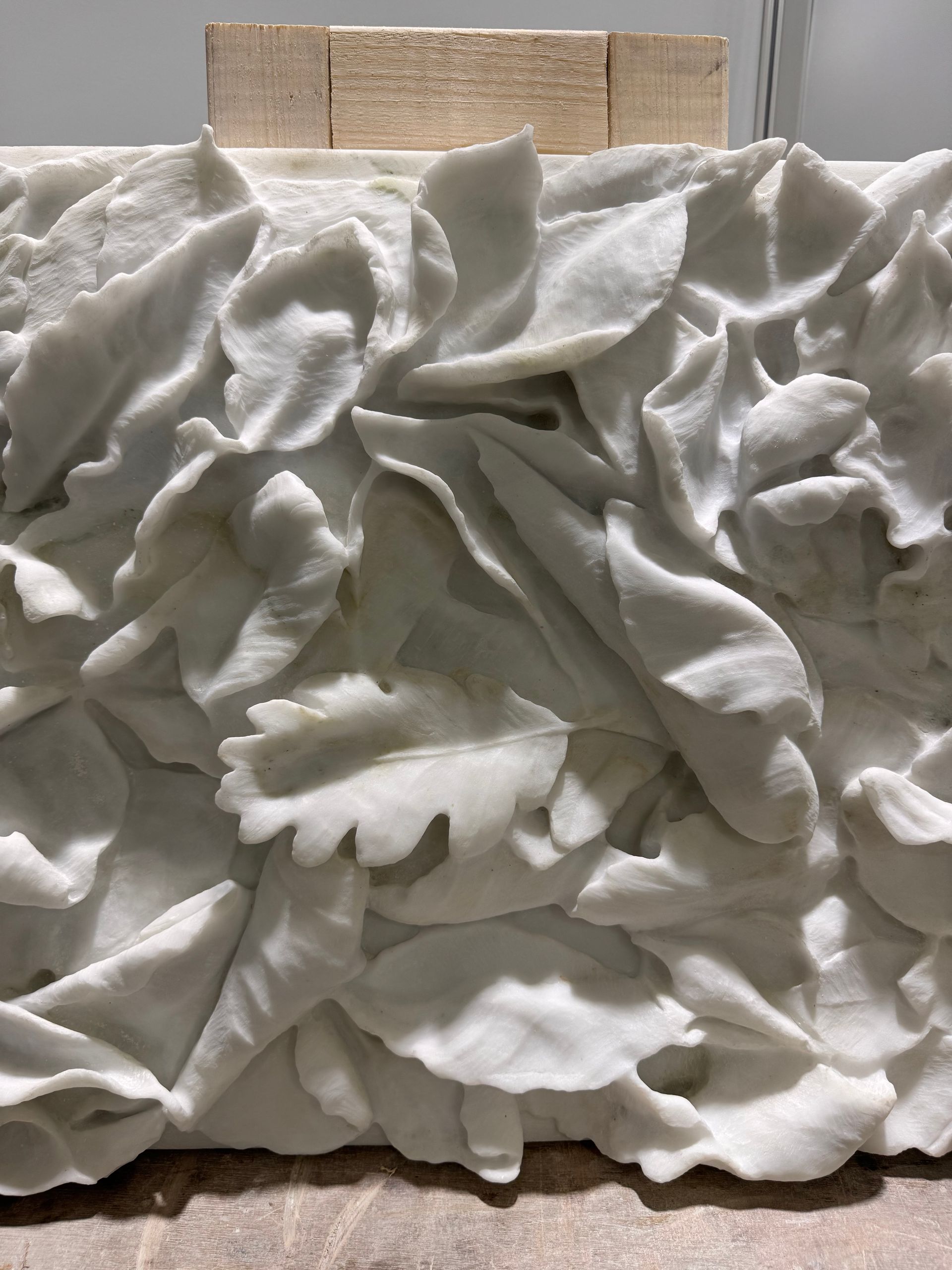
Last week I attended the Listed Property Owners’ Club Exhibition at Olympia London, an event dedicated to the care, conservation and future of historic buildings.


For owners of listed and period properties, heritage design is rarely straightforward. Regulations evolve, approved materials change, and best practice continues to develop as research deepens our understanding of historic fabric. Staying closely connected to this world is a vital part of how I support my clients.


One of the most valuable aspects of the exhibition is the programme of expert-led talks. These cover everything from recent changes in planning and conservation guidance to emerging approaches to sustainability in historic buildings.


For clients, this means advice that is current, informed and realistic. Understanding what is permissible, and what is not, at the very start of a project can save time, cost and frustration later on. It allows designs to move forward with confidence rather than uncertainty.
Meeting the experts

Historic buildings and period properties require a very different approach to modern construction. Breathable finishes, appropriate insulation, traditional materials and sympathetic detailing all play a crucial role in protecting a building’s long-term health.


Events like this allow me to see new and specialist products firsthand, speak directly to manufacturers, and assess whether they are genuinely suitable for heritage use, not just marketed as such. That knowledge feeds directly into specification decisions on client projects.


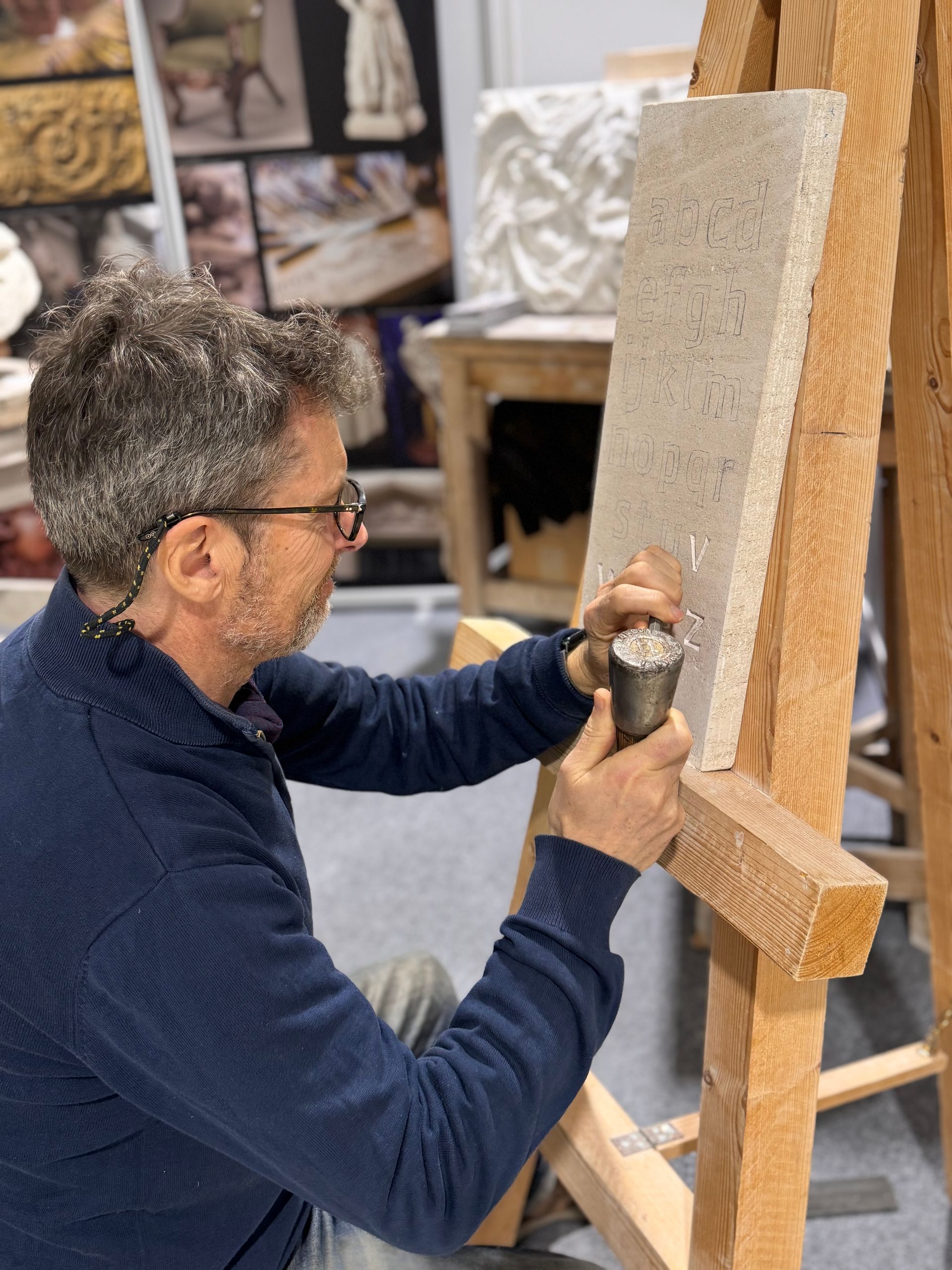
Good heritage design relies heavily on craftsmanship. Meeting and maintaining relationships with skilled trades, from joiners and plasterers to metalworkers and conservation specialists, is essential.


By speaking directly with craftspeople who understand traditional buildings, I can recommend solutions that are practical, sensitive and grounded in experience, rather than theoretical design alone.

What This Means For Clients

Ultimately, attending industry events like this isn’t about ticking a professional development box. It’s about ensuring that every project benefits from up-to-date knowledge, well-informed design decisions and a network of trusted specialists.


Whether restoring the character of a historic property or adapting it for modern living, my role is to guide clients through complex decisions with clarity and care, respecting the building’s past while ensuring it works beautifully for the present.


Heritage interiors demand more than surface-level design. They require understanding, patience and ongoing engagement with the wider conservation world. Staying connected allows me to bring that depth of expertise to every home I work on.

History at Home: Every building has a story

Some are obvious. Others are hidden in deeds, maps, archives and forgotten details.


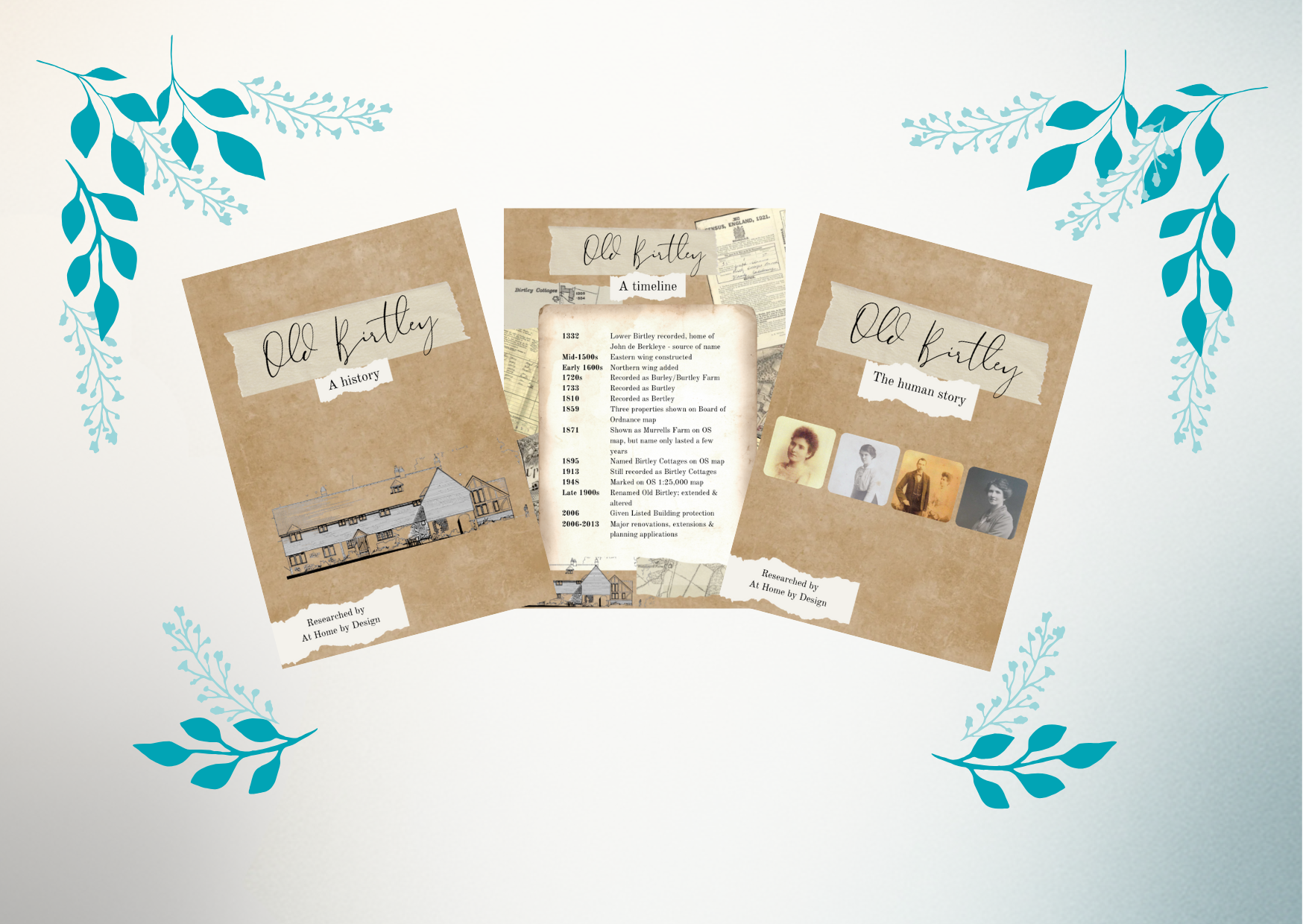
History at Home is our research-led service that uncovers the people, past and evolution of your property, transforming historical insight into narrative-led interior design.


By understanding how a house was built, who lived there and why spaces evolved, we can make more meaningful design decisions, from layout and flow to colour, materials and detailing. It’s an approach that feels particularly powerful in period and listed properties, where history and architecture are inseparable.


This isn’t about recreating the past.


It’s about respecting it, interpreting it, and allowing it to inform an interior that feels authentic, layered and deeply connected to place.


Interested in discovering your home’s story?
Get in touch to find out more about History at Home and how it can shape a truly bespoke heritage interior.


Find out more
By Helen McClure September 11, 2026
David Cole’s Great Houses of the Arts & Crafts Movement explores 100 remarkable British homes. A personal review of Lutyens, Voysey and the wider movement.
By Helen McClure September 11, 2026
Discover the architectural layers of Grays Court in York, one of Britain’s oldest continuously occupied houses, from Norman origins to today.
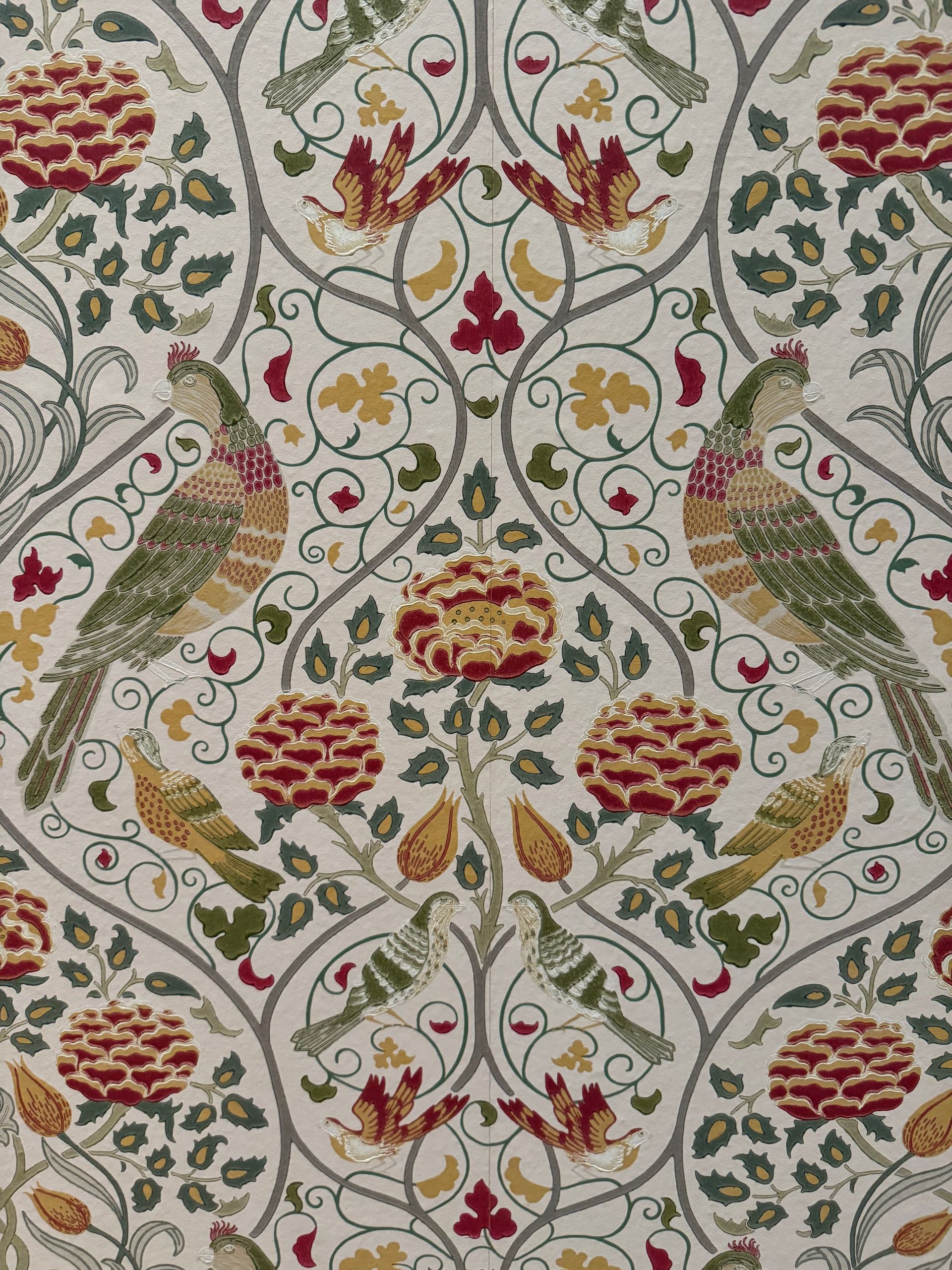
May Morris wallpaper design, birds and flowers
By Helen McClure August 26, 2026
Discover how William Morris and the Arts & Crafts movement offer a timeless alternative to fast, trend-led interiors.
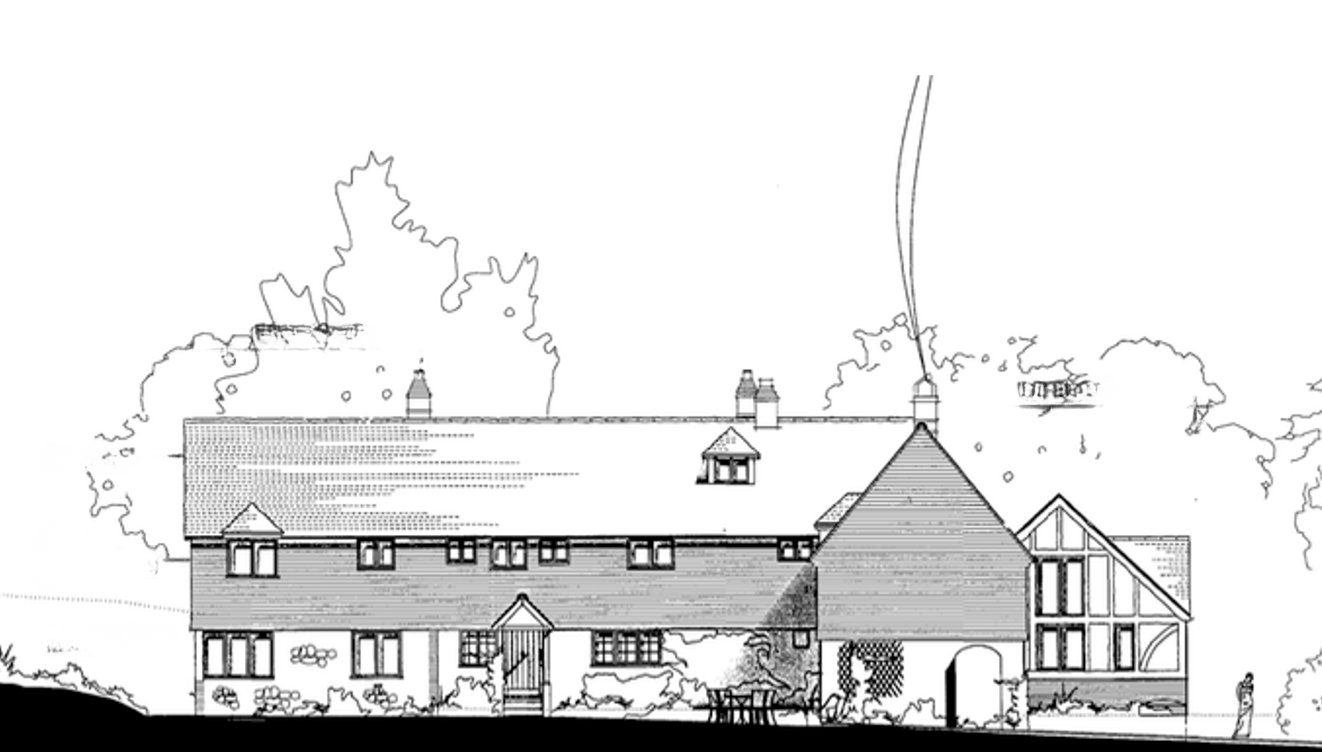
Drawing of an old house
By Helen McClure August 24, 2026
Discover the hidden history of Old Birtley, a Grade II listed Surrey house shaped by Tudor builders, working families and a Titanic connection.
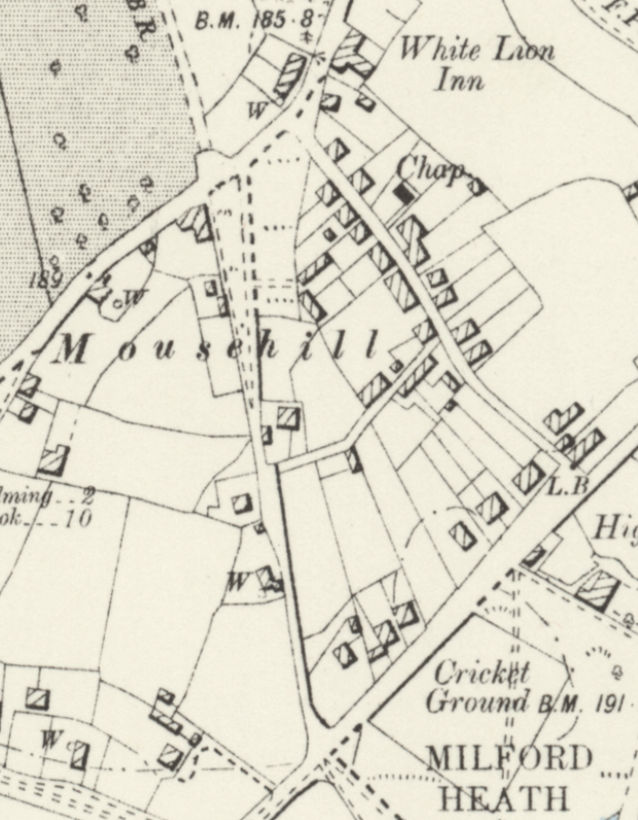
Early 20th-century map of Moushill, Surrey
By Helen McClure August 13, 2026
Discover the fascinating history of the White Lion in Moushill, Surrey, a 16th-century coaching inn linked to a notorious murder that inspired Dickens
By Helen McClure August 13, 2026
Explore the remarkable history of Moushill Lane, from medieval manor and coaching route to a home for artists, engineers and influential figures.
Moushill Lane
By Helen McClure August 13, 2026
Discover the history of the Moushill Stores in Milford, from a Portsmouth Road stop off to part of Charles Burgess's pioneering grocery empire
By Helen McClure July 31, 2026
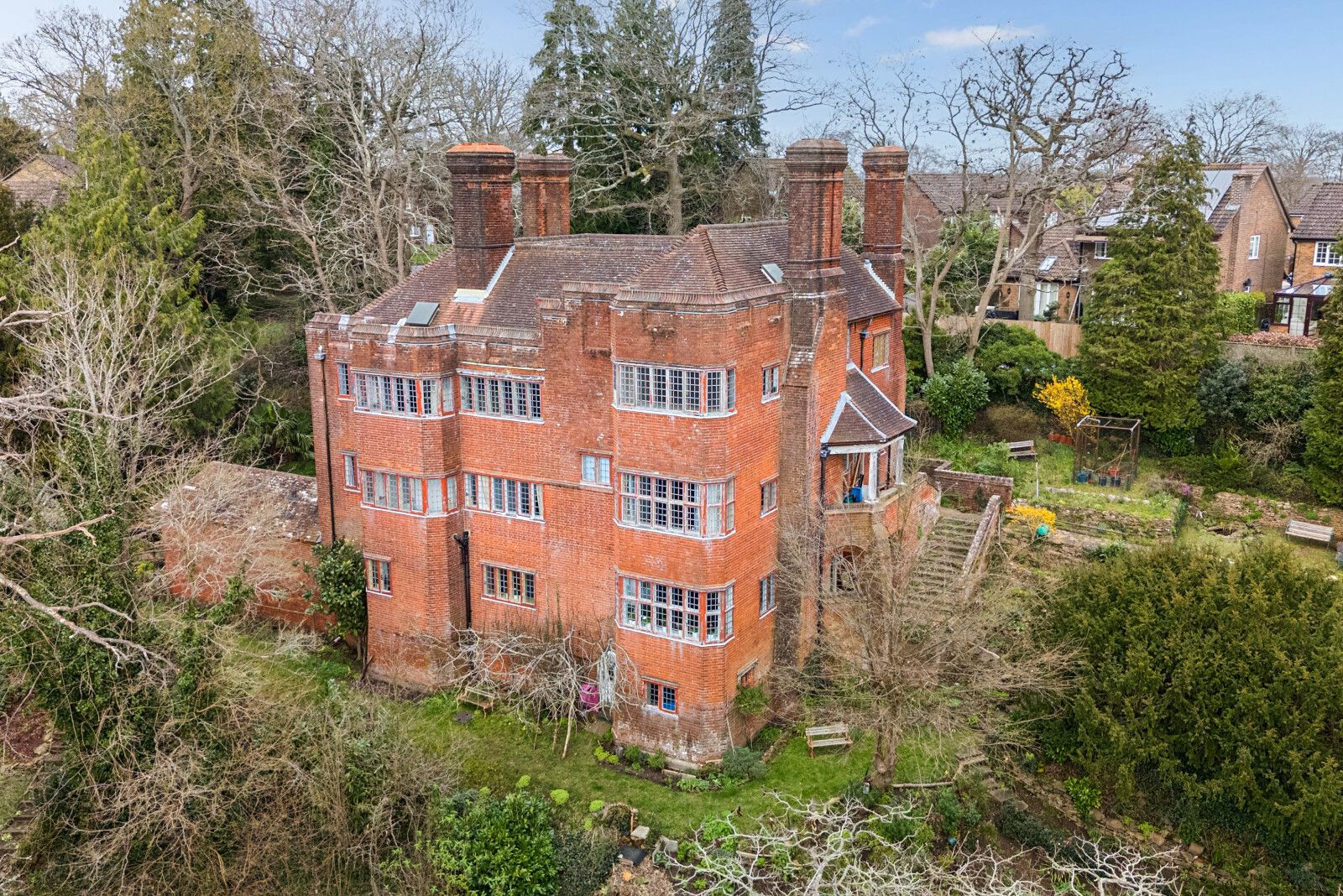
Explore Littlecroft, Edwin Lutyens' overlooked Arts & Crafts house in Guildford, its maritime influences & why research inspires better restoration
By Helen McClure July 28, 2026
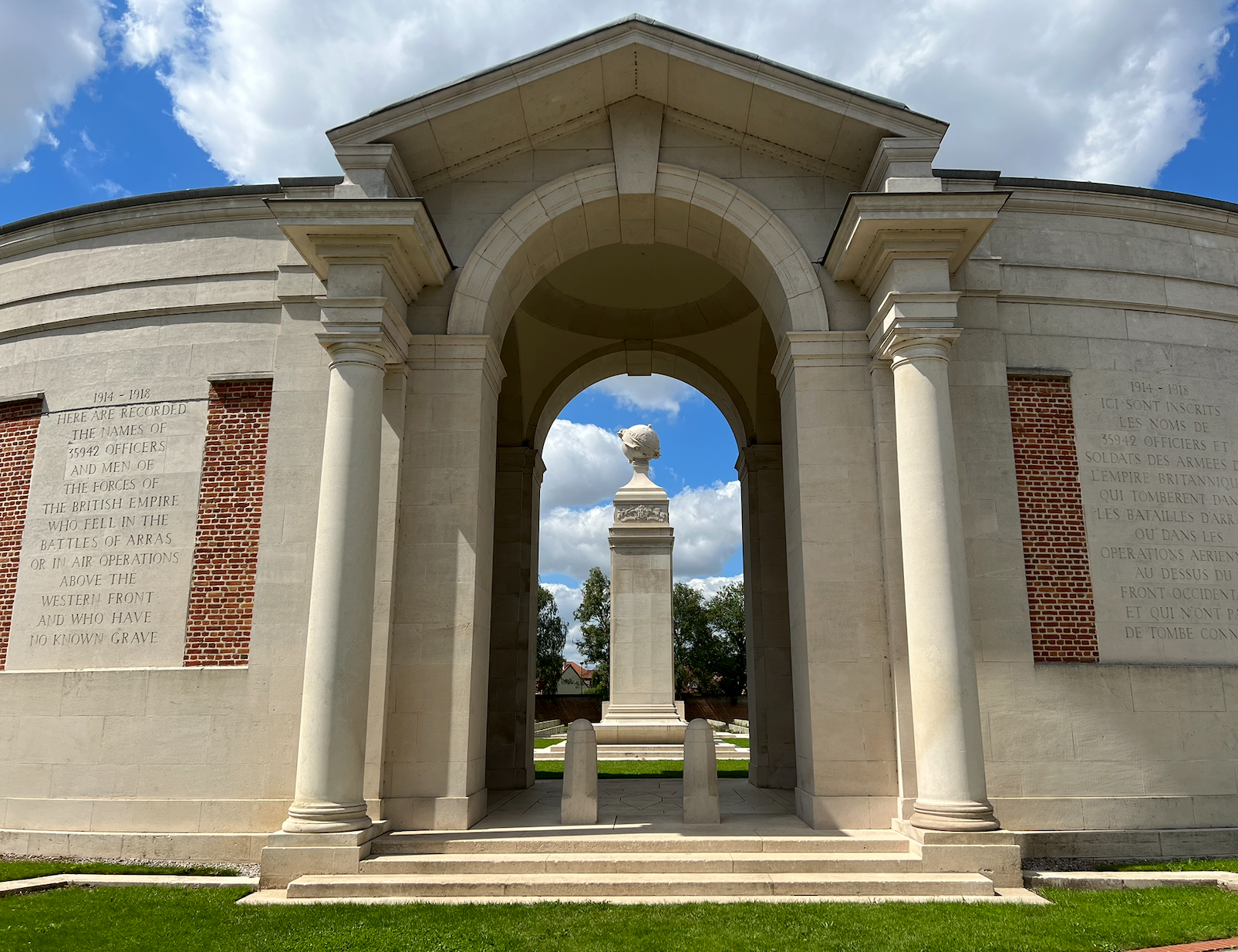
Explore the Commonwealth war cemeteries and how Lutyens used Arts & Crafts principles to create places of remembrance.
By Helen McClure June 29, 2026
Explore The Red House in Godalming, an early Lutyens masterpiece, and discover what its timeless architecture can teach today's homeowners.