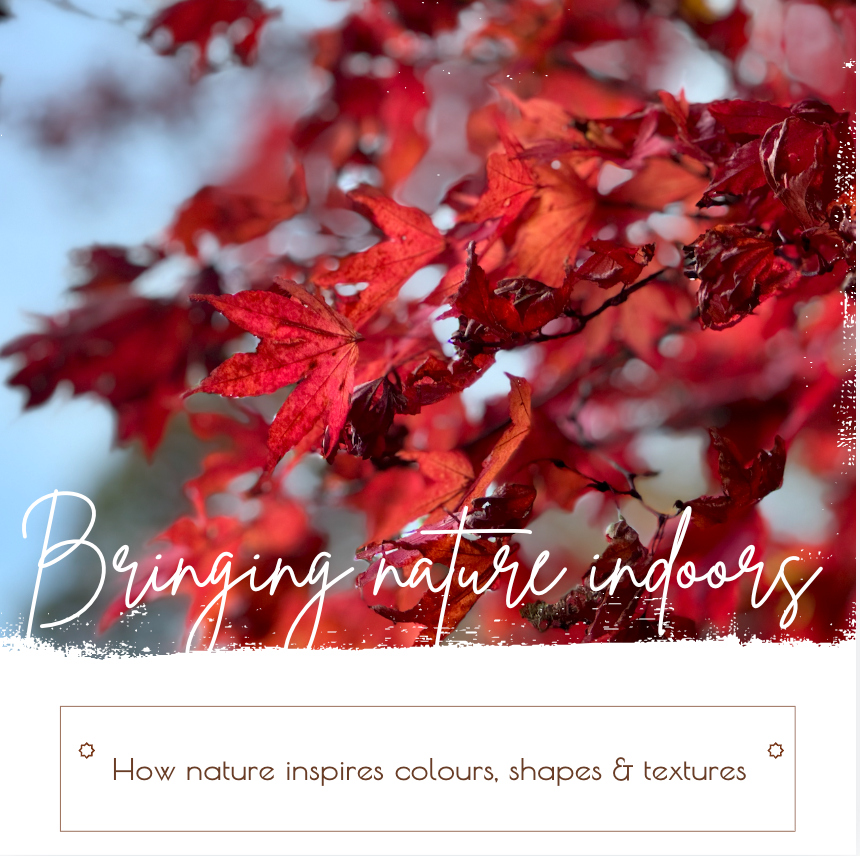
Bringing nature indoors
How nature inspires colours, shapes and textures in interior design
Incorporating elements from nature into interior design isn’t just a passing trend; it’s an approach that creates timeless, calming and inviting spaces that truly make a house feel like home.
Nature-inspired interiors draw from the natural world’s vast palette of colours, shapes and textures to craft spaces that nourish the senses and promote a sense of well-being. Embracing biophilic design goes beyond aesthetics—it can have positive effects on mental health, helping to create healthier, more balanced homes.
Here’s how nature can be the perfect inspiration for your next design project and how you can embrace biophilic principles in your own home.
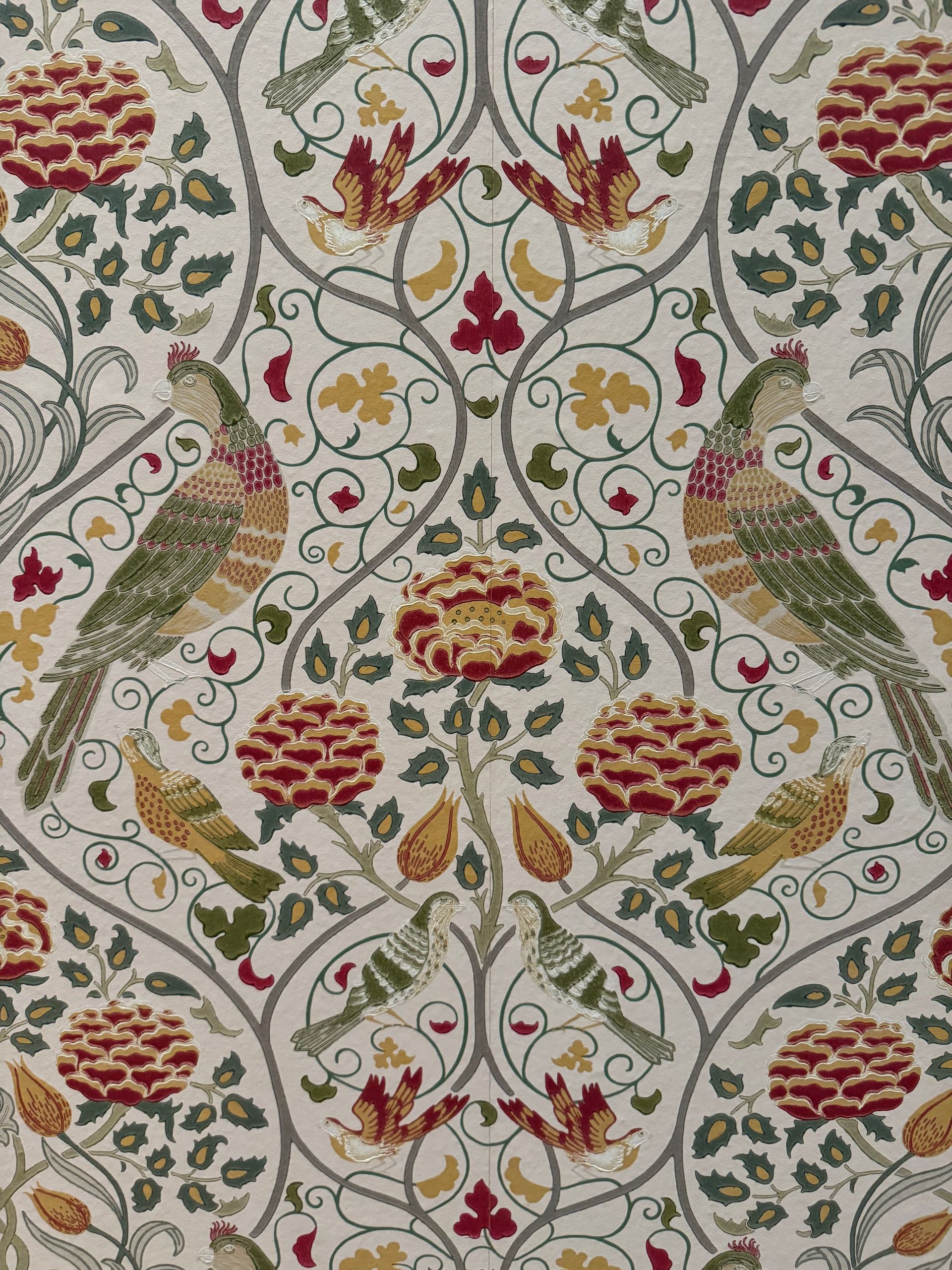
Colours: Earthy tones and natural palettes
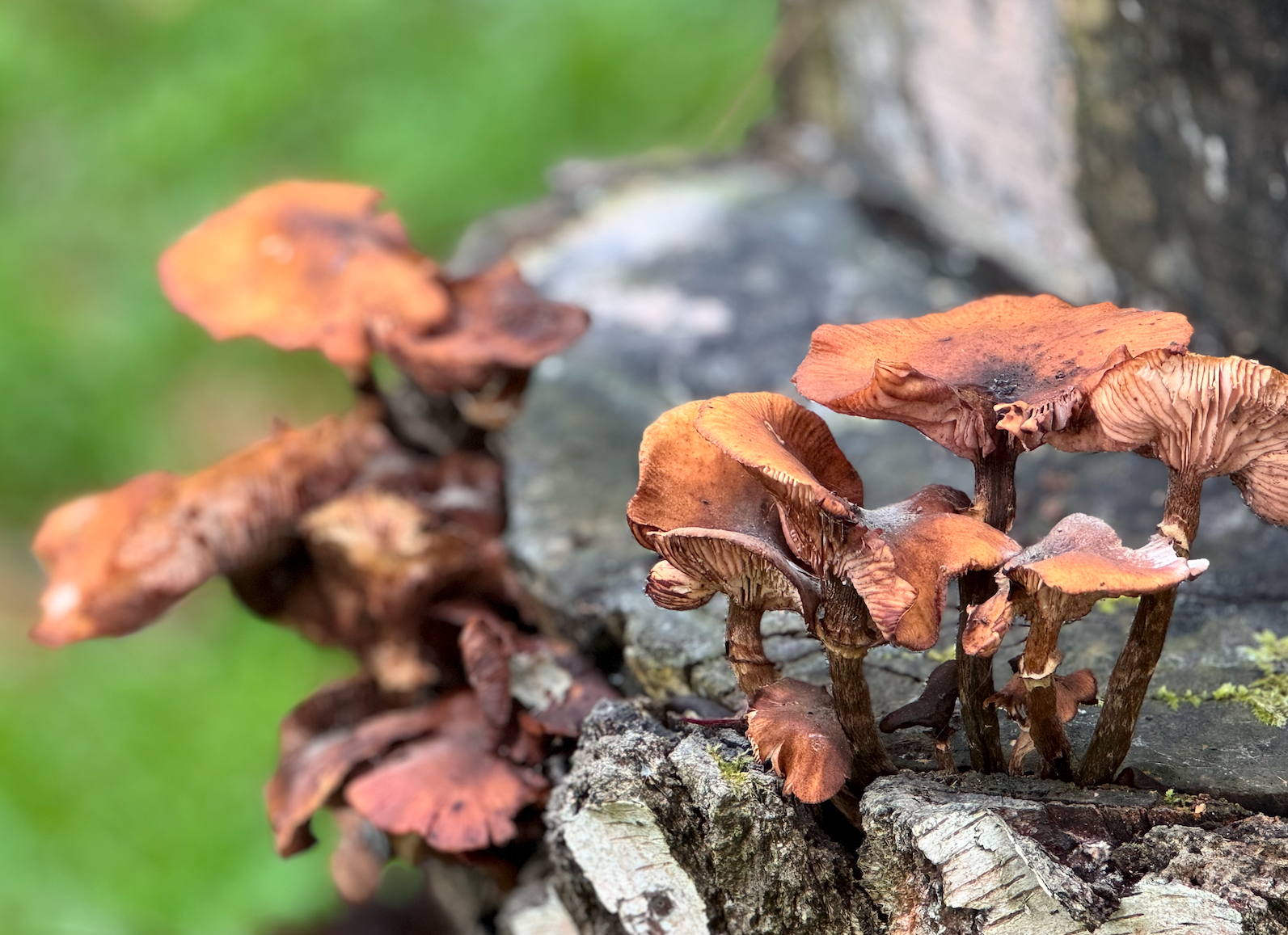
Nature’s colour palette is vast and varied, but earthy tones and soft greens are often the foundation of a nature-inspired design. Colours such as forest green, muted blues, sandy beiges, and rich terracotta can instantly bring the calm of the outdoors into any room. These hues are known for their calming properties, mimicking the colors found in forests, oceans, and fields, which can help reduce stress and promote relaxation.
Incorporating splashes of botanical colours, like the vibrant hues of flowers or deep forest greens, can add dynamic elements to a space without overwhelming it. A wall painted in a soft sage green or accented with blush tones, for instance, can provide a subtle nod to the natural world, creating a soothing yet sophisticated backdrop for other design elements.
Shapes: Organic curves and flowing lines
Natural shapes rarely include rigid, straight lines. Instead, think of the soft curves of a river, the organic shapes of leaves, and the gentle flow of wind. Incorporating curved furniture, such as rounded sofas or circular tables, can soften a space, making it feel more inviting and comfortable.
Consider architectural features or decorative accents that mimic organic forms, like arched doorways, circular mirrors, or irregularly shaped wall art. These elements bring a sense of harmony and balance, encouraging relaxation and a connection to the organic world outside.
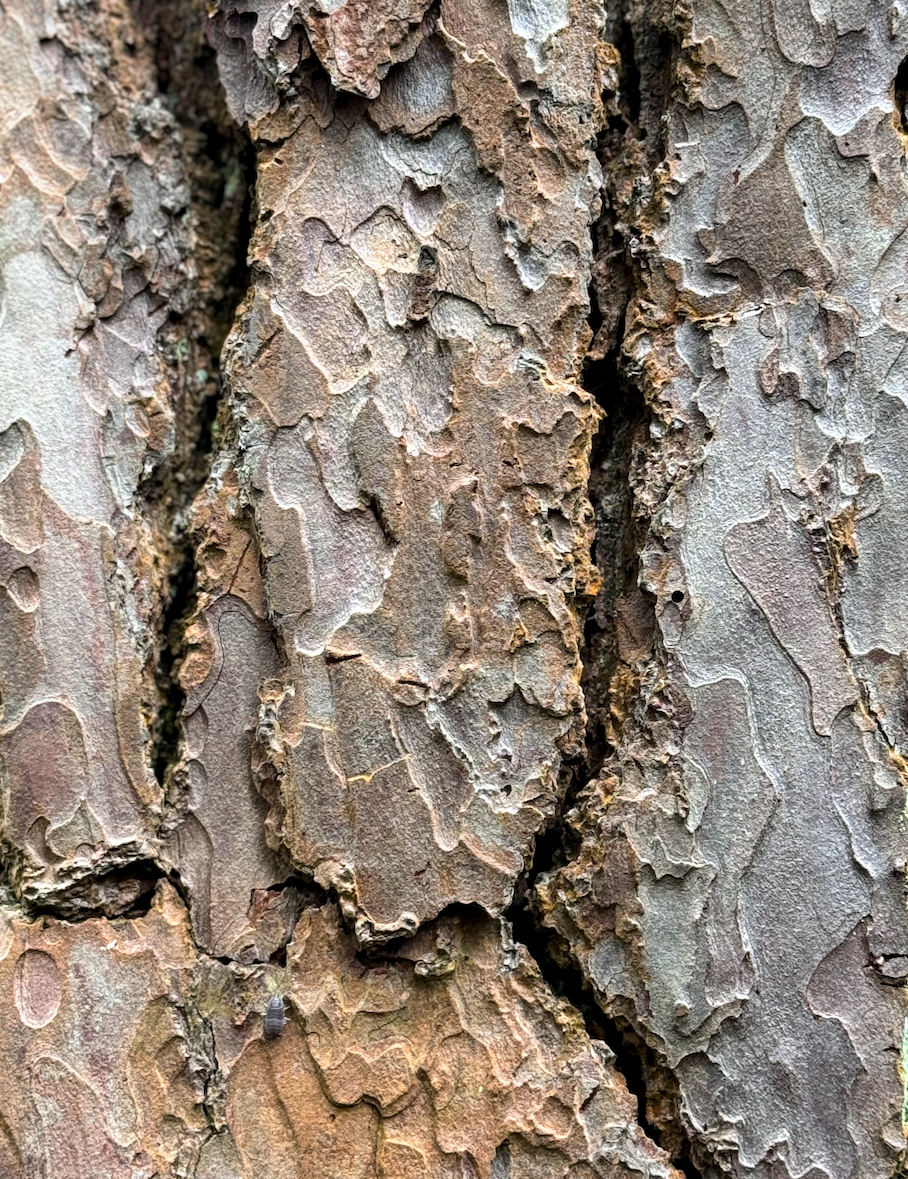
Textures: Raw materials and natural finishes
Texture plays a vital role in nature-inspired design, adding depth and interest to a space. Raw, natural materials—such as stone, wood, and woven fabrics—can help create a tactile experience that feels grounded. A natural stone splashback, a wooden dining table with visible grain, or jute rugs can bring warmth and authenticity to a room.
Textured materials often wear beautifully over time, reflecting the aging processes found in nature. Linen curtains, woollen throws and ceramic pottery are excellent choices for layering textures that add both comfort and character.
Embracing biophilic design for healthier homes
Biophilic design, which focuses on integrating natural elements into our living spaces, is more than a design trend; it’s a way to improve mental well-being. Studies show that contact with nature reduces stress, boosts mood and enhances creativity. By designing spaces that incorporate nature directly—think indoor plants, water features, or even just natural light—you can create a sanctuary that promotes both physical and mental health.
Greenery is a key component of biophilic design. Indoor plants not only purify the air but also provide an immediate connection to the outdoors. Large leafy plants, like fiddle leaf figs, or trailing pothos add a lush, living element to your space. Position them in areas where they’ll thrive, like near windows or in well-lit rooms, and create small “green corners” that can serve as a retreat within your home.
Natural lighting is also critical; maximise sunlight by using sheer curtains and placing mirrors strategically to reflect natural light around the room. If sunlight is limited, try using warm-toned bulbs to replicate natural daylight and create a cosy atmosphere.
Create your own nature-inspired retreat
Incorporating nature into your home’s design is not just about style—it’s about creating a retreat that supports your well-being and mental health. By thoughtfully blending colours, shapes and textures inspired by nature, and integrating biophilic elements, you can create a healthy, inviting and balanced space that feels like a breath of fresh air.
Not sure where to start? Why not book a consultation?