A Visit to Killerton House
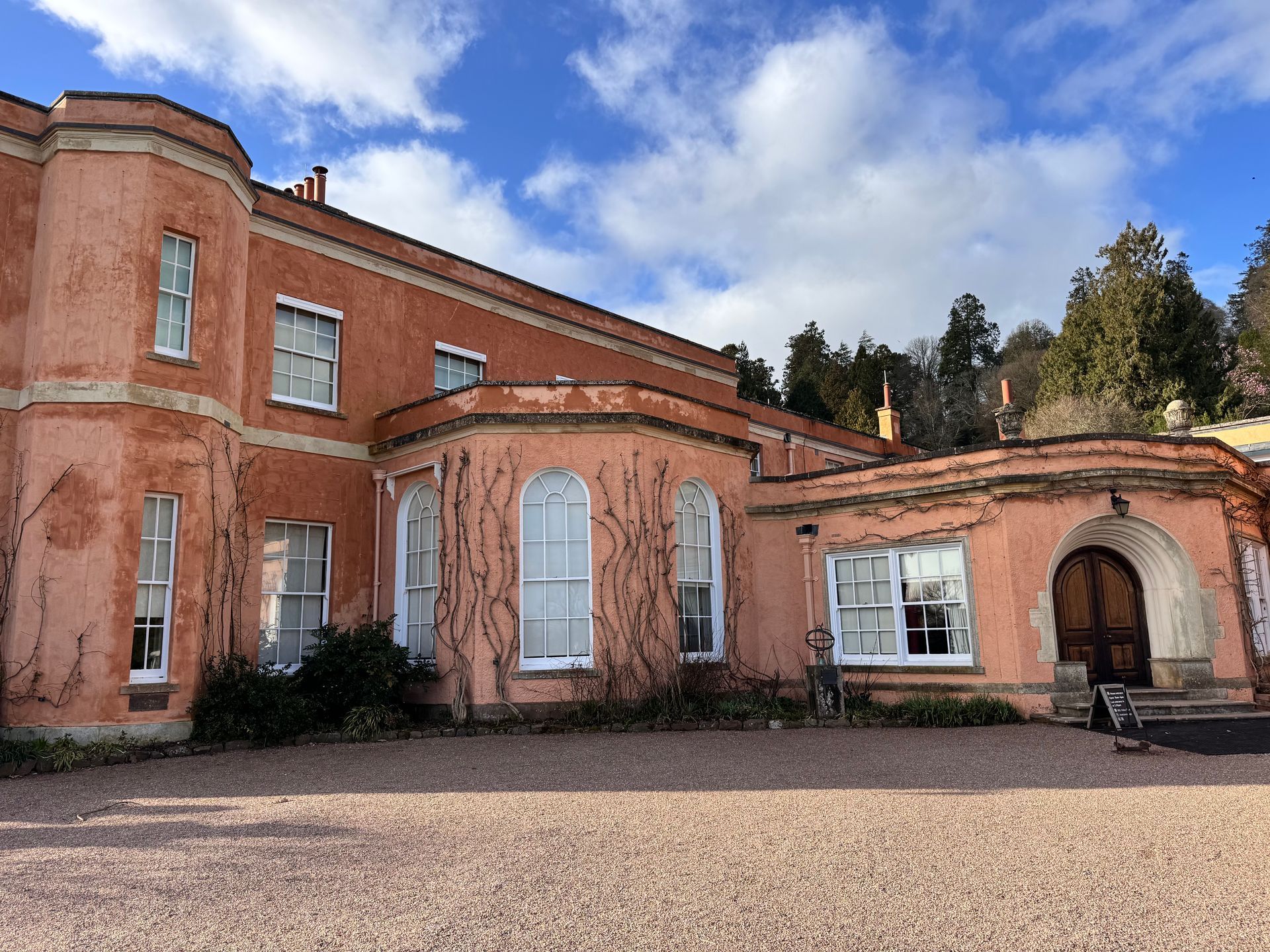
As designers, there is a lesson here. We often assume scale equals significance. Yet Killerton proves that proportion, comfort and beauty, thoughtfully executed, can eclipse even the boldest architectural intention.
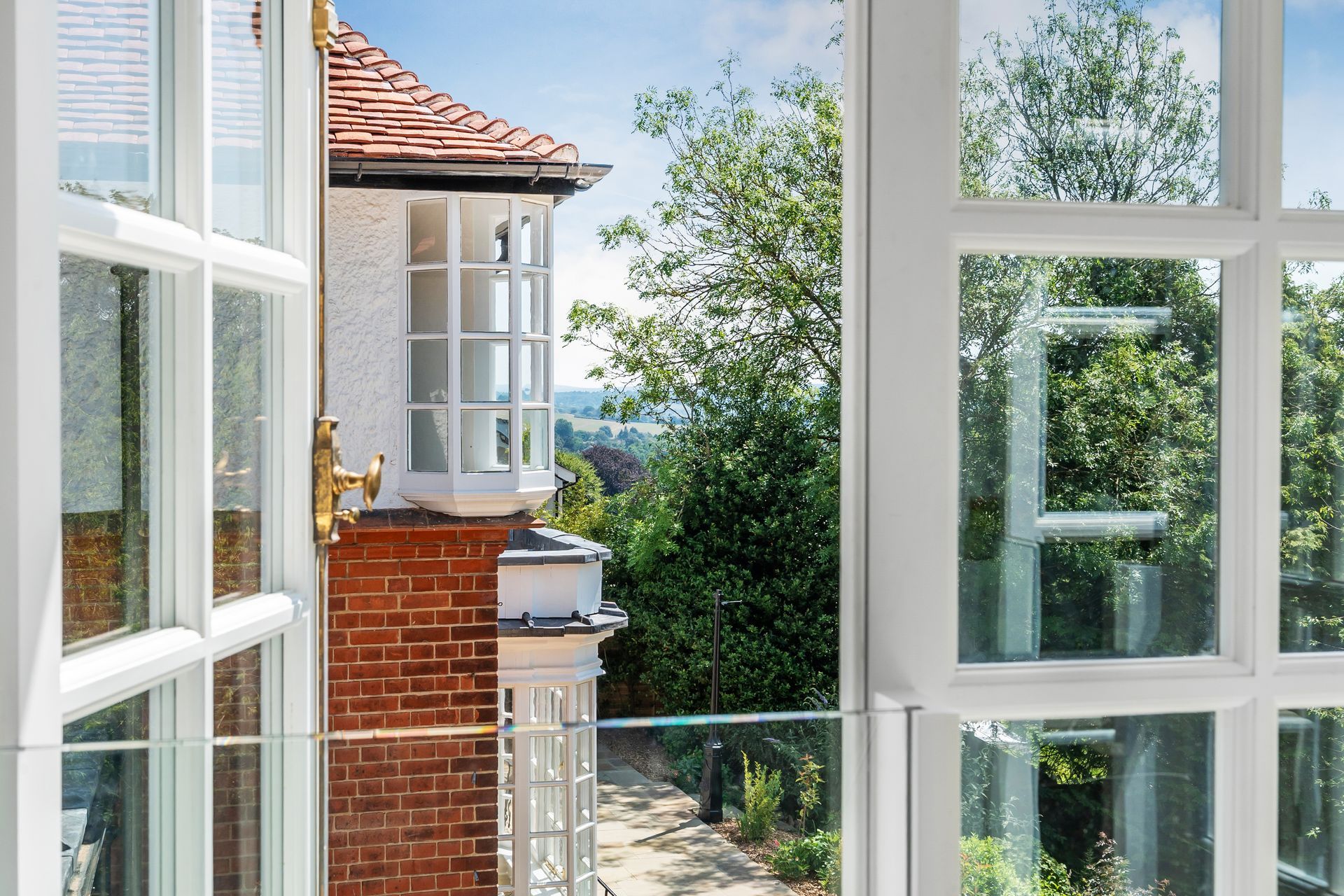
Killerton was built for the Aclands and, remarkably, remained in Acland hands from 1778 until the mid-20th century. Generations shaped it. Refined it. Lived in it. This continuity is palpable when you walk through the rooms.
Unlike many estates that passed between families, Killerton feels cohesive. Its evolution is layered but not fractured. There is a calm confidence in its Georgian symmetry, softened by centuries of occupation rather than ostentation.
And then, in 1944, came another extraordinary decision.
The Gift of Radical Inheritance
Sir Richard Acland, the 15th Baronet, did something almost unthinkable for an English landowner of his standing.
He gave the entire 6,400-acre estate, which included the house, parkland and farmland, to the National Trust.
His reasoning was deeply personal and profoundly political. Guided by progressive, socialist and Christian convictions, he believed that no individual should own such a vast amount of land. Killerton, in his view, belonged to the nation.
It is difficult to overstate how radical that gesture was in 1944, towards the end of a war that had already reshaped Britain’s social order. While others were tightening their hold on legacy, Acland released his.
Today, when we speak about stewardship, sustainability and heritage protection, Killerton stands as a powerful early example of those principles in action.
What Killerton Teaches Us About Home
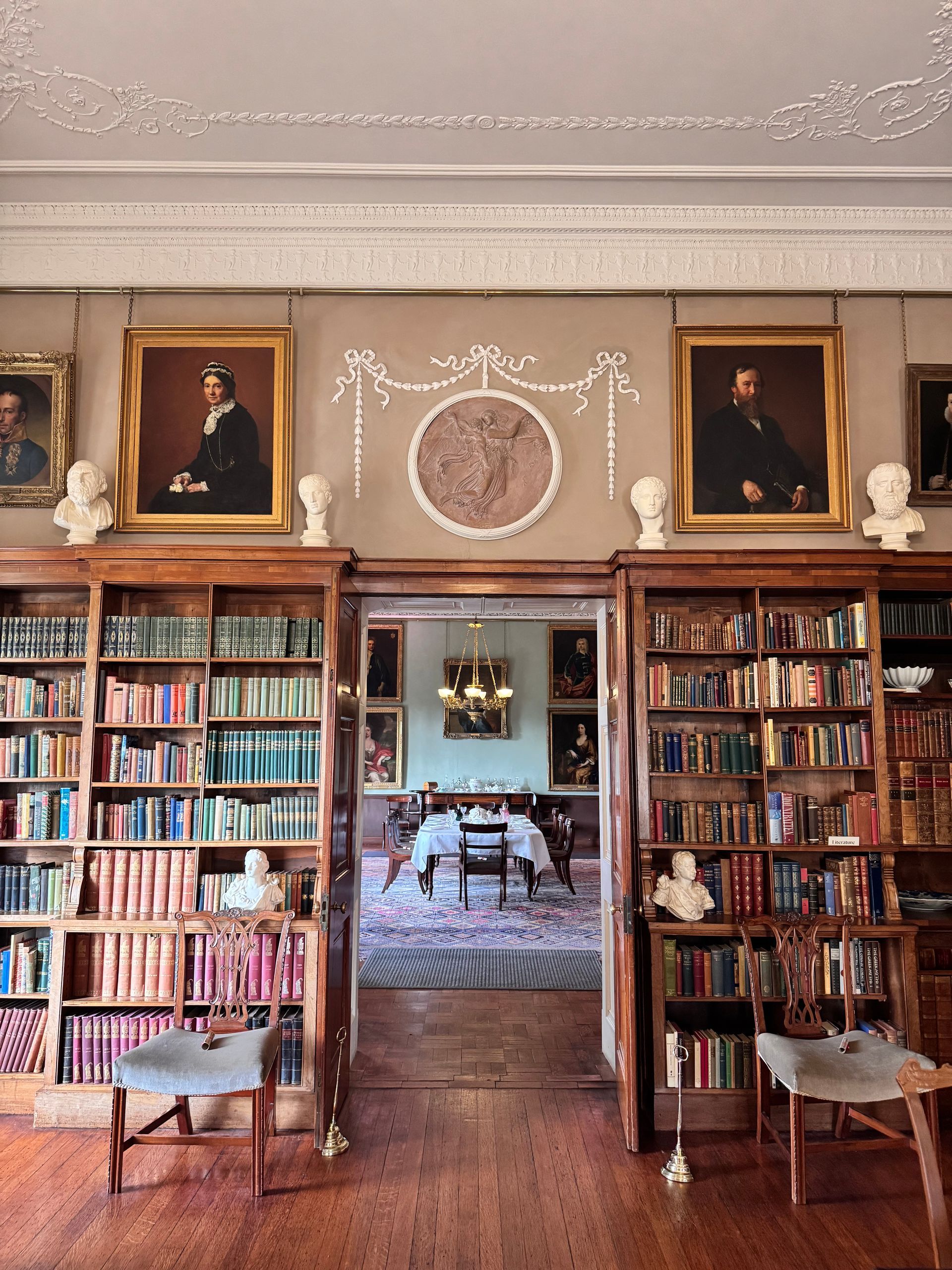
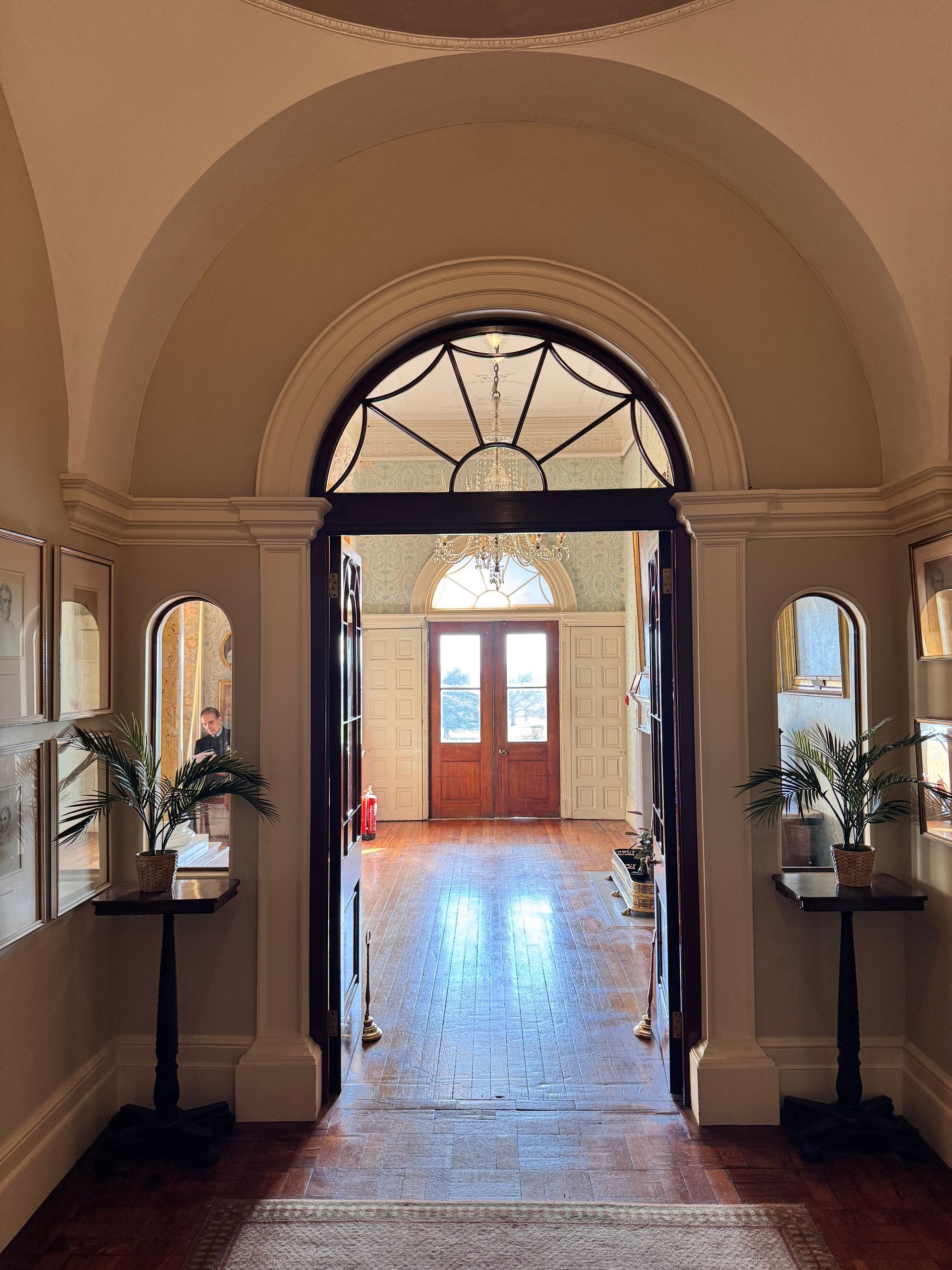
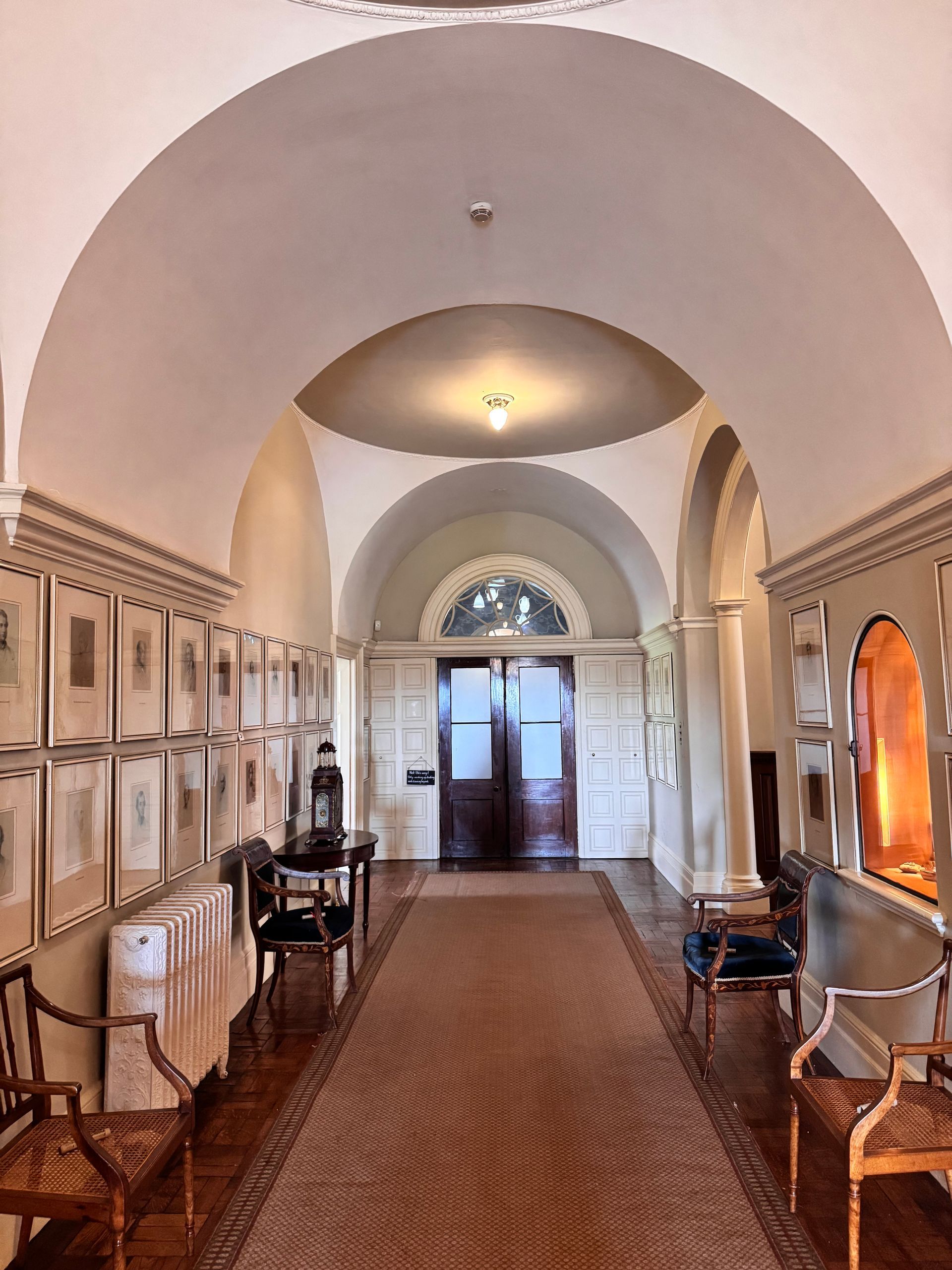
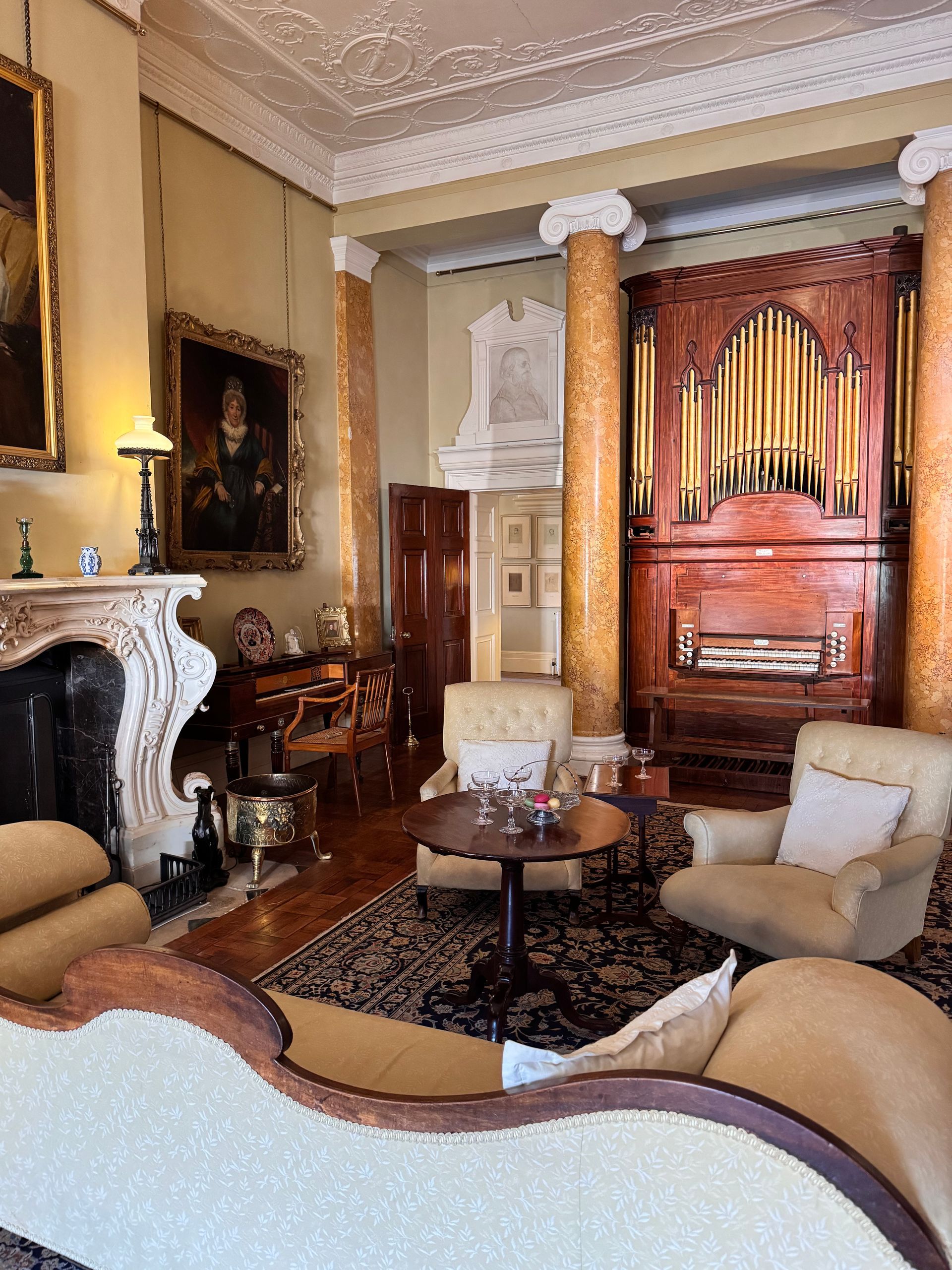
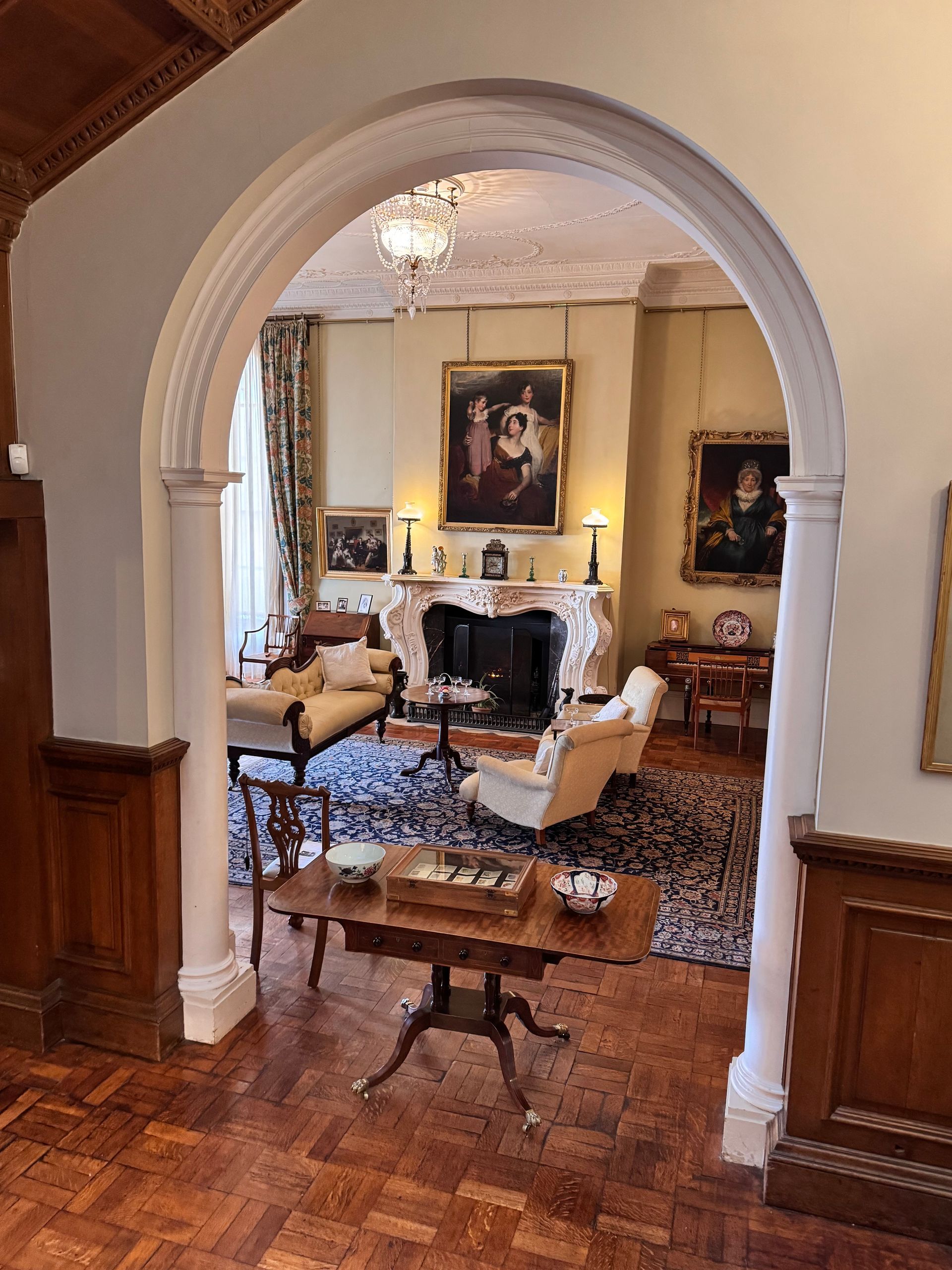
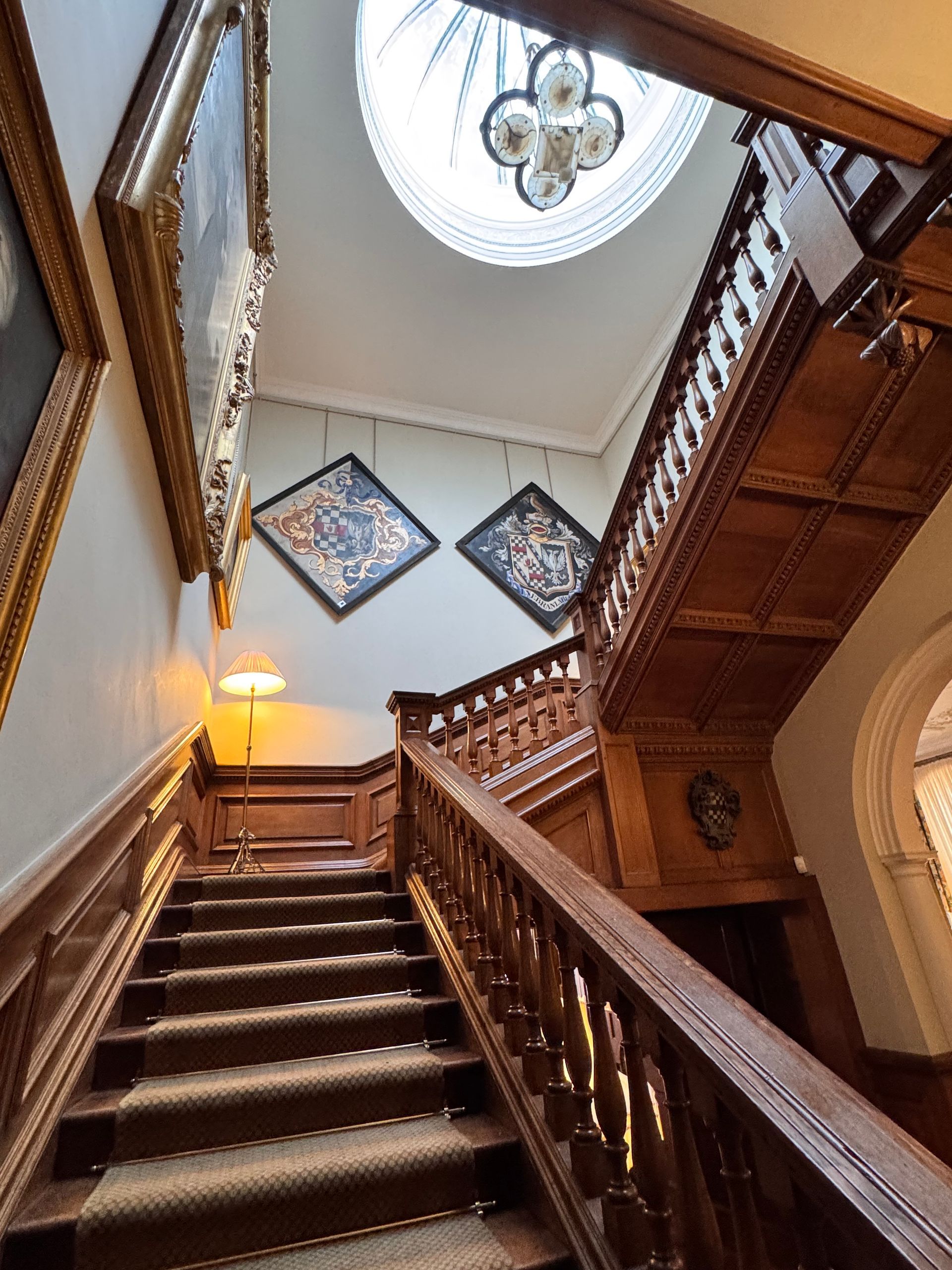
Walking through Killerton, I was struck not by grandeur alone, but by restraint.
The house is elegant without being overwhelming. Proportioned without being pompous. It was designed to be lived in, and that intention never changed.
As someone who works with period properties, I’m always fascinated by the tension between aspiration and authenticity. The Aclands could have pursued the monumental. Instead, they embraced the human scale.
And perhaps that is why the house endures so gracefully.
Slide title
Write your caption here
Button
Slide title
Write your caption here
Button
Slide title
Write your caption here
Button
Slide title
Write your caption here
Button
Slide title
Write your caption here
Button
Slide title
Write your caption here
Button
Why Visit?
Killerton is not simply another stately home.
It is a story about:
- ambition redirected by affection
- inheritance reshaped by principle
- architecture softened by continuity
- land transformed into legacy
It asks quiet but important questions:
- What makes a house worth keeping?
- When does enough become too much?
- And what does it truly mean to own, or to be the custodian, of a place?
If you’re drawn to heritage homes, layered histories and the intersection between architecture and belief, Killerton is more than a day out. It is a narrative in brick and landscape.
And sometimes, the houses never meant to last are the ones that endure the longest.
Over to You
Have you ever fallen in love with a house that wasn't part of the original plan?
Or perhaps you're restoring a period property and wondering how to balance ambition with authenticity.
If you'd like to explore how history can shape the future of yoru own home, I'd love to hear from you.