The Beautiful and Deadly History of Wallpaper
From Painted Paper to Status Symbol
Wallpaper’s story begins in ancient China around 200 BC, where hand-painted rice papers were applied to walls as early decorative surfaces. These weren’t simple repeats. They were immersive artworks filled with birds, landscapes and symbolism.
When Chinese wallpapers reached Europe in the 1600s, they caused a sensation. Wealthy households displayed them like fine art, sometimes cutting them into panels and framing them on walls.
One of the earliest surviving examples of European wallpaper was discovered in England and printed on the reverse of a London proclamation from 1509. This quirky time capsule reveals how integrated walls and culture became.
Wallpaper was already doing what it still does best today: transforming rooms into experiences.
By the 16th and 17th centuries, wallpaper spread across England and France as a cheaper alternative to woven tapestries. Early versions were hand-printed using carved wooden blocks, often in black and white, then slowly expanded into rich colours.
But, it wasn’t always welcomed. During Oliver Cromwell’s rule in England, wallpaper was briefly frowned upon. It was considered too indulgent and decorative. But once fashion returned, it returned boldly.
By the Georgian era, wallpaper had become a key design feature in homes of all classes.
And then came the colour revolution.
The Victorian Obsession That Turned Deadly
In the 1800s, industrial printing made wallpaper affordable for the masses, and brighter than ever before.
Victorians adored vivid green. But there was a problem.
Many of those lush emerald shades were made using arsenic-based pigments.
In damp rooms, these wallpapers could release toxic gases or shed poisonous dust. Families fell mysteriously ill. Children weakened. Deaths were blamed on bad air or disease, while the walls quietly and slowly killed their occupants.
Wallpaper wasn’t just fashionable. It could quite literally murder.
No wonder it made perfect material for crime fiction later on.
Designers eventually abandoned dangerous pigments, but wallpaper’s emotional power still grew.
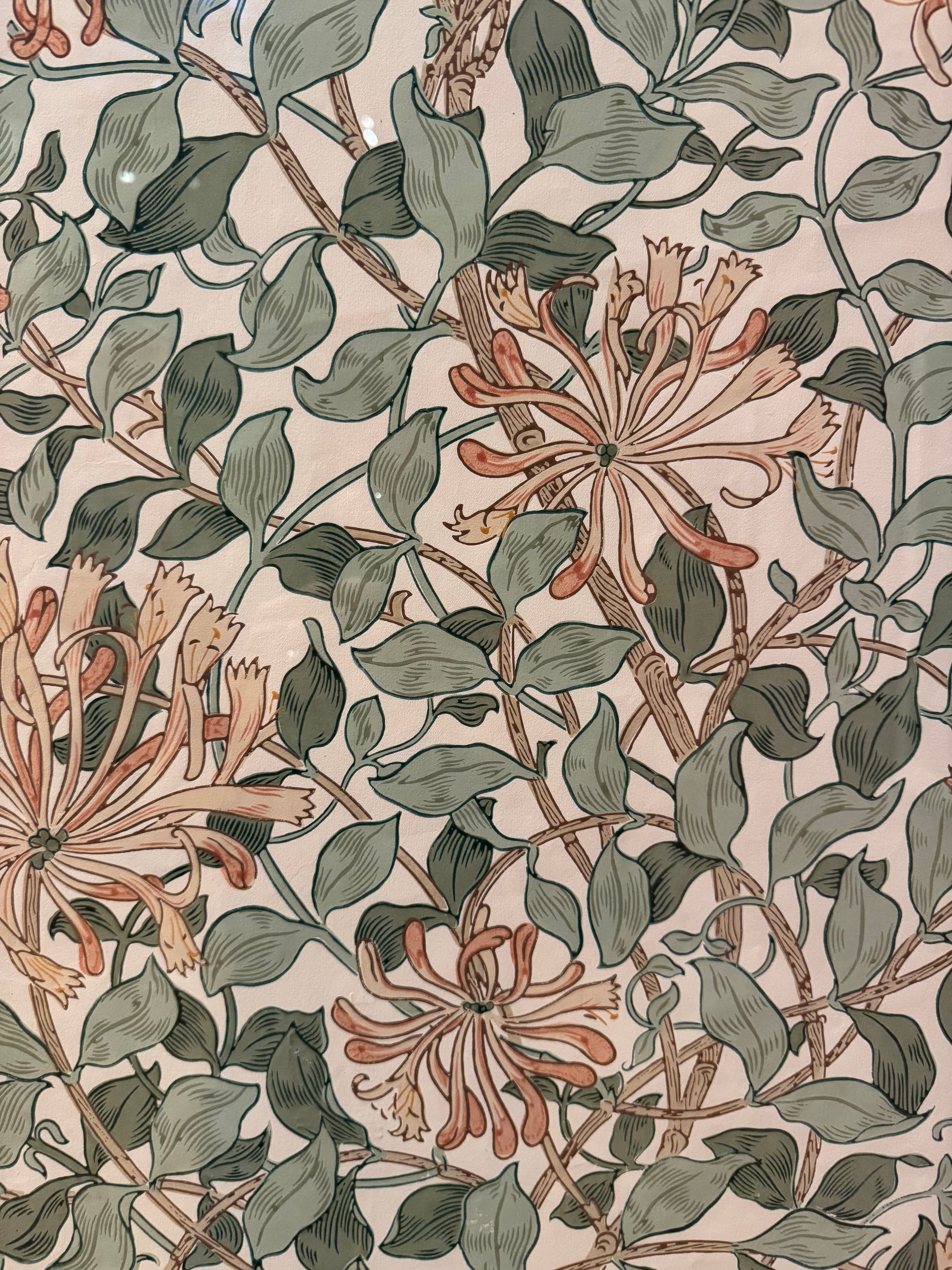
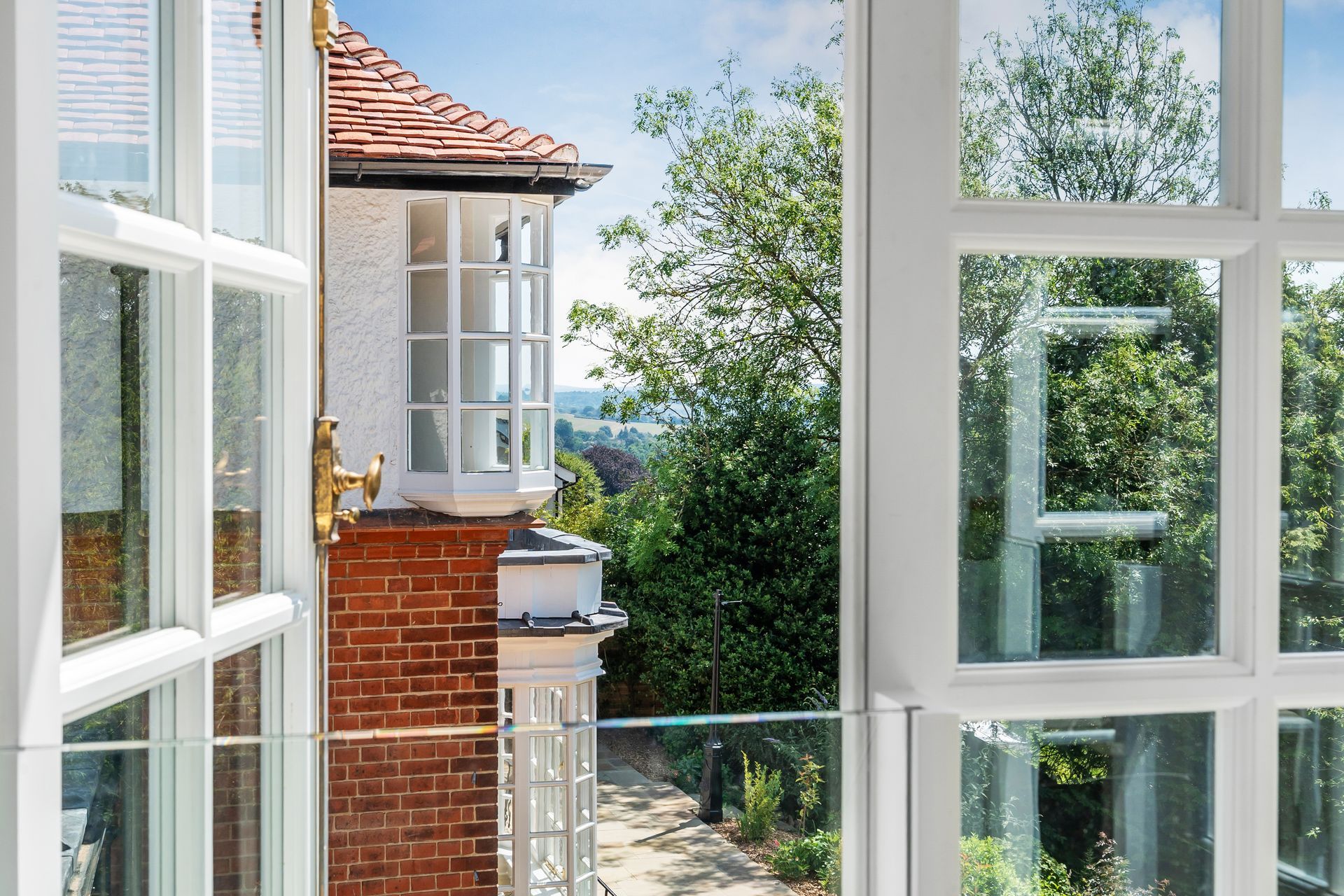
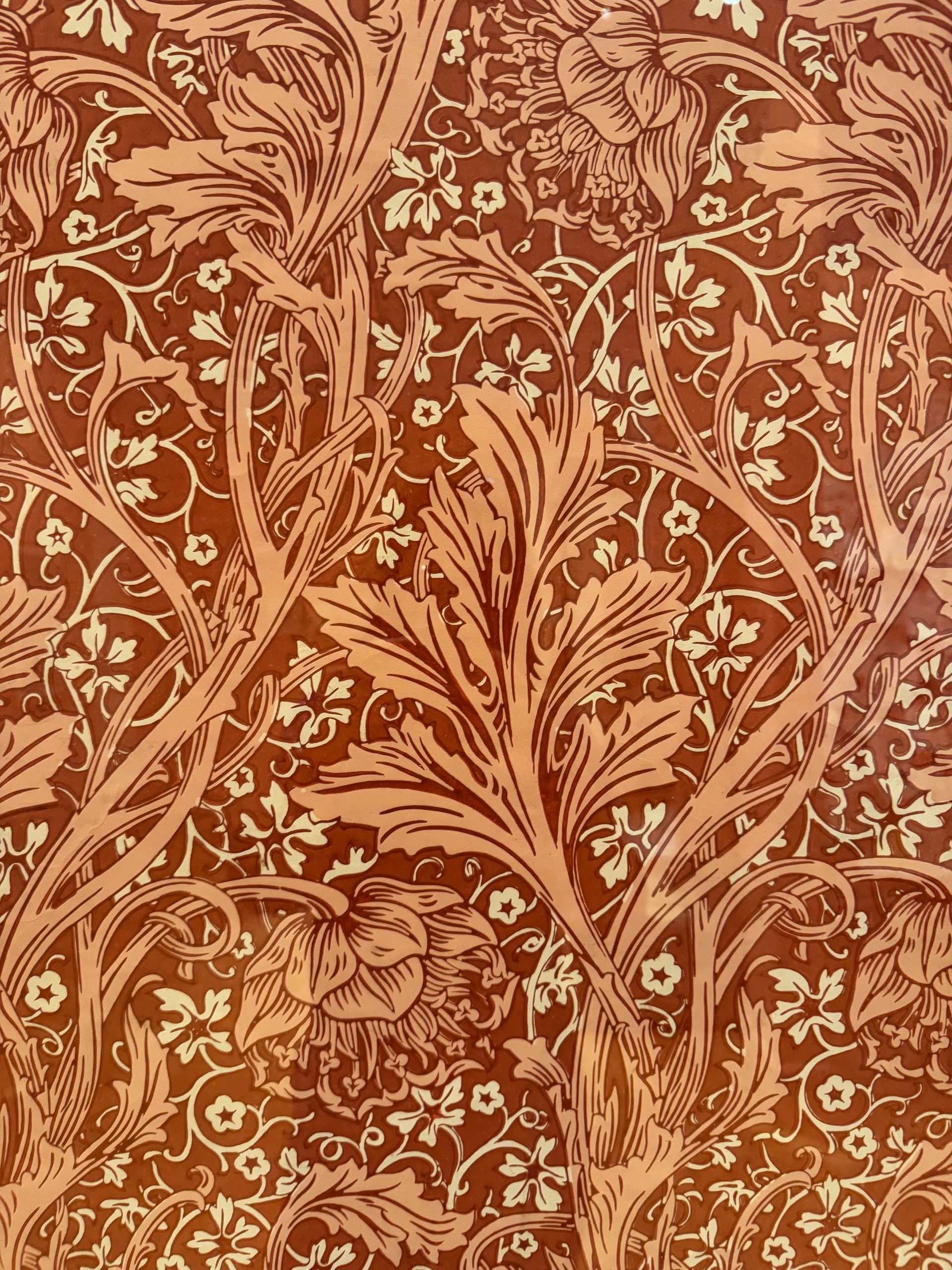
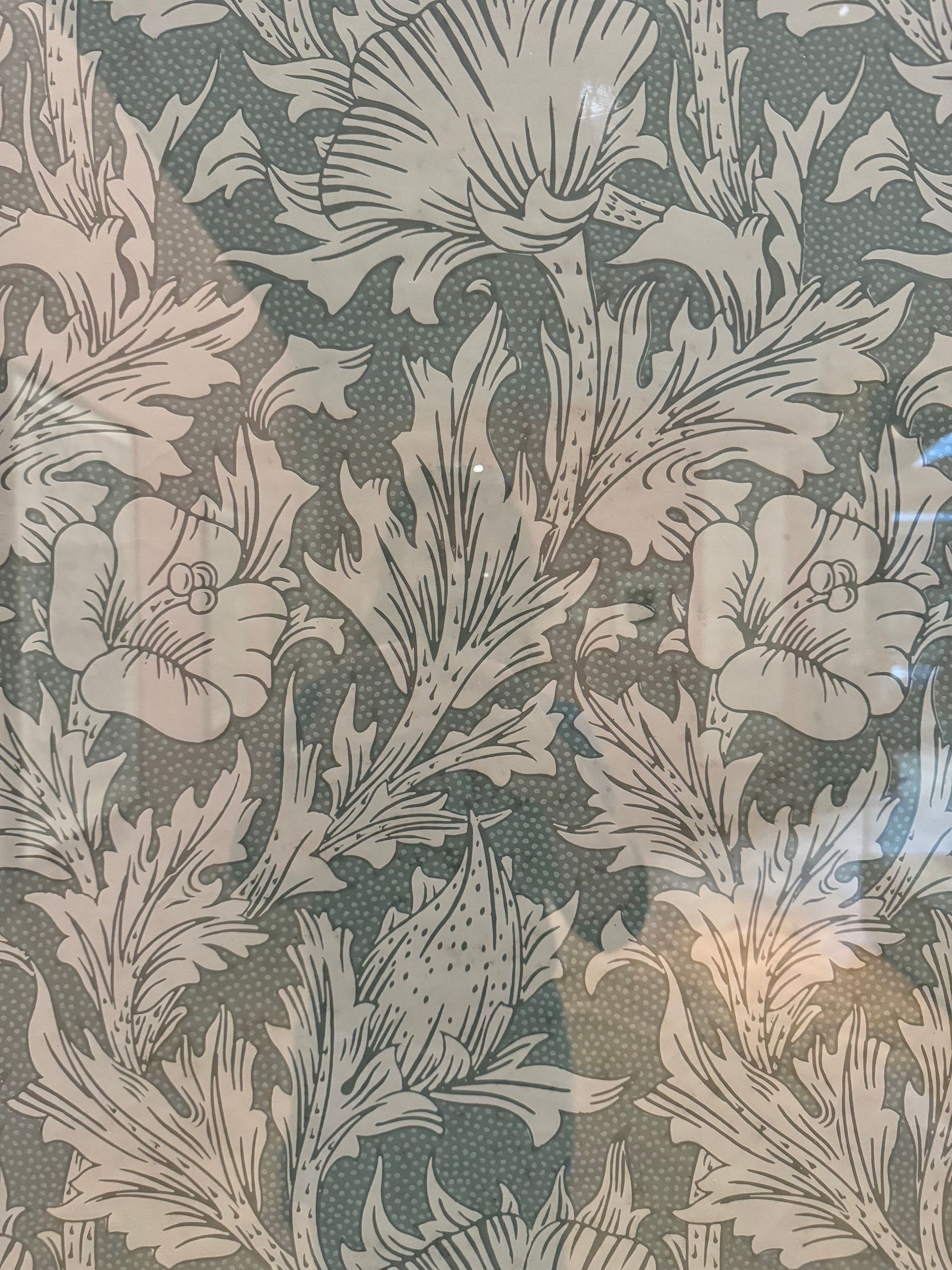
In the late 19th century, creatives like William Morris transformed wallpaper into an art form, celebrating nature, craftsmanship and harmony. His company's intricate florals and layered patterns still influence heritage interiors today.
Wallpaper shifted from hazardous to healing. It had the power to shape mood, atmosphere and connection to place.
Why Wallpaper Still Tells Stories Today
Every layer in an old house is a timestamp. Strip back a wall and you might find:
- Georgian damasks beneath Victorian florals
- 1930s geometrics hiding under 1970s textures
- Colour palettes that reveal changing tastes, technologies and lifestyles.
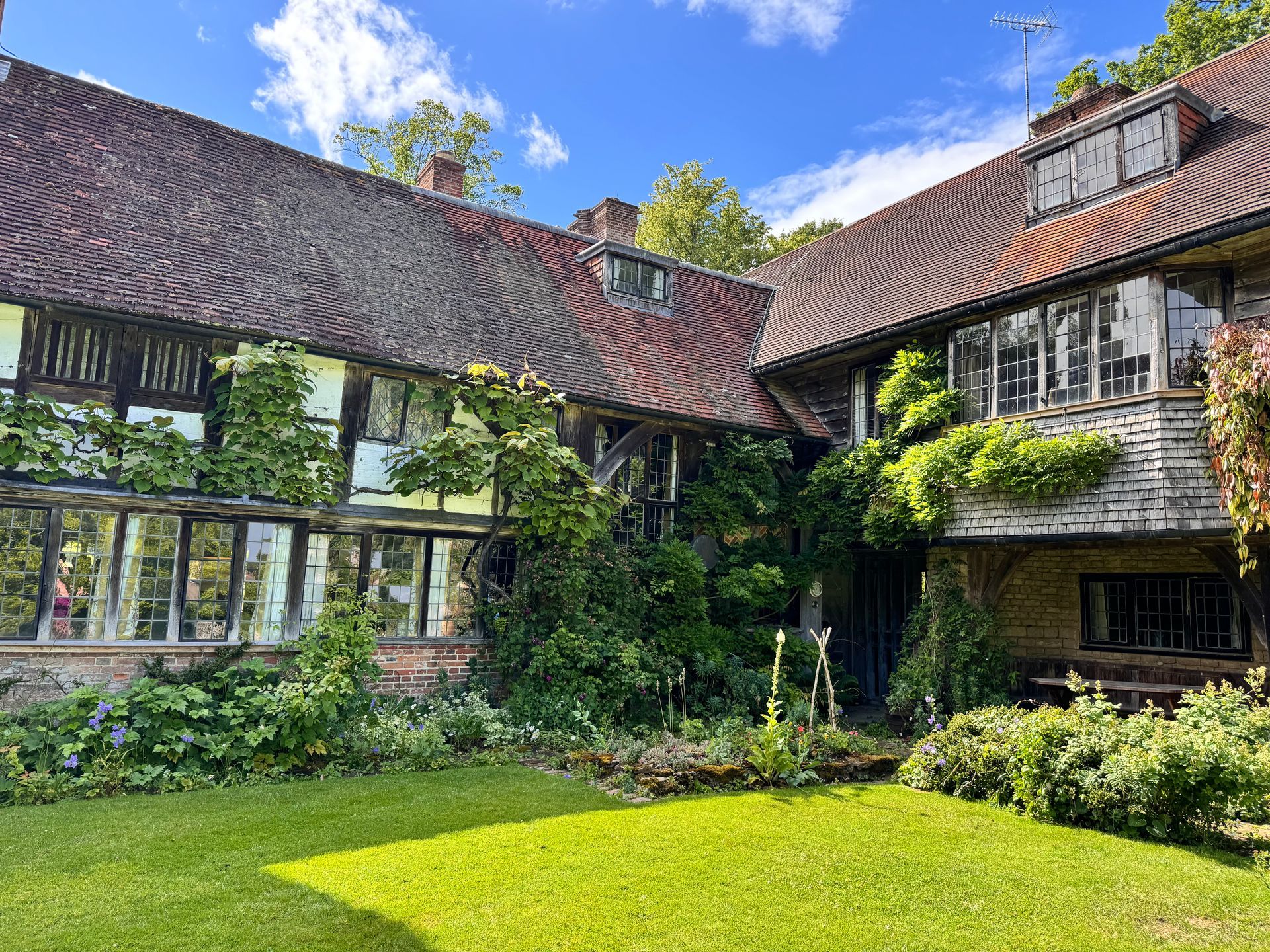
In heritage homes especially, wallpaper acts like archaeological evidence, showing how people lived, what they valued and how design evolved.
Wallpaper has had the power to shape mood, signal wealth, transform architecture, reflect technology.
And occasionally… it reveals something far darker.
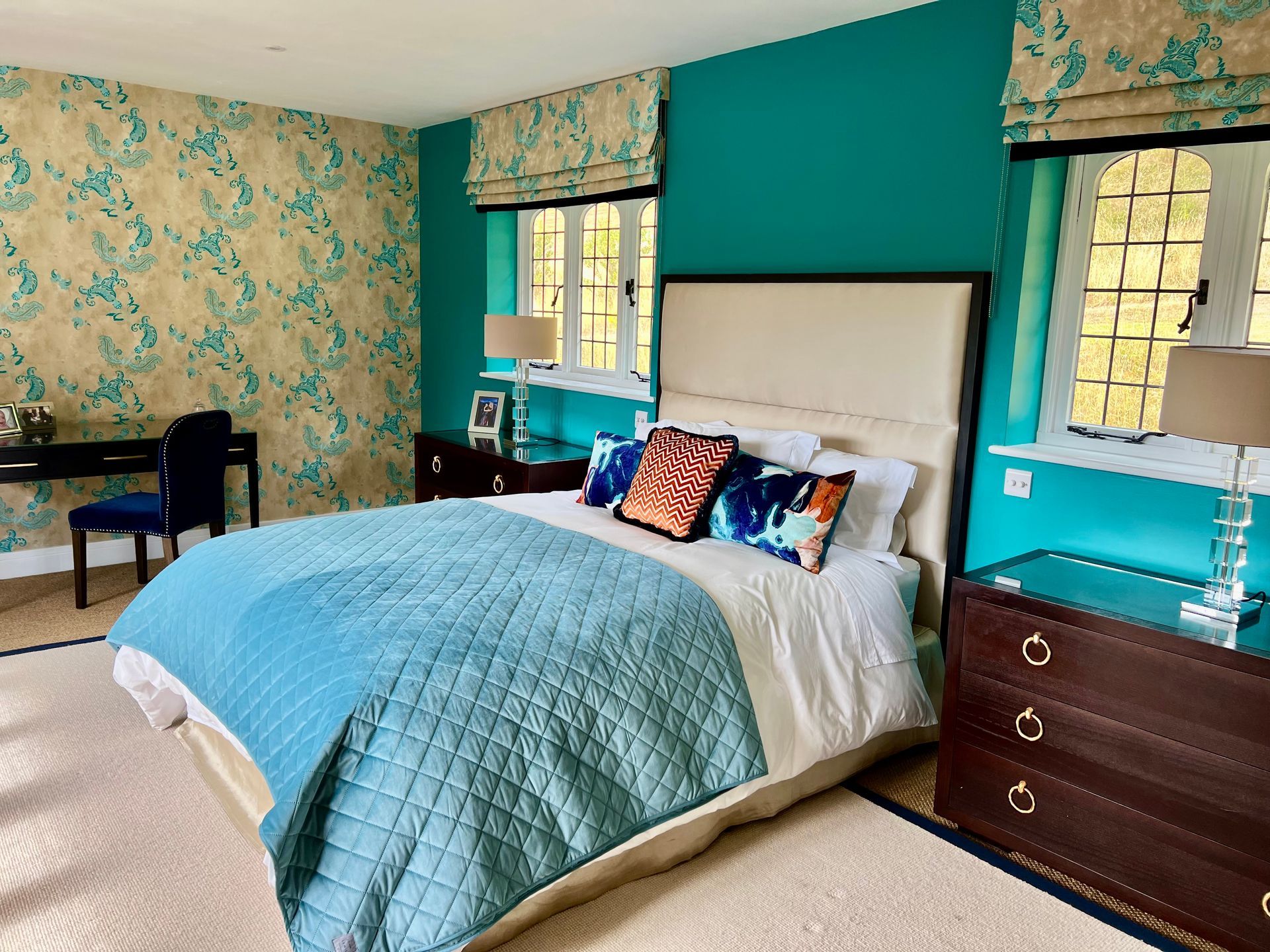
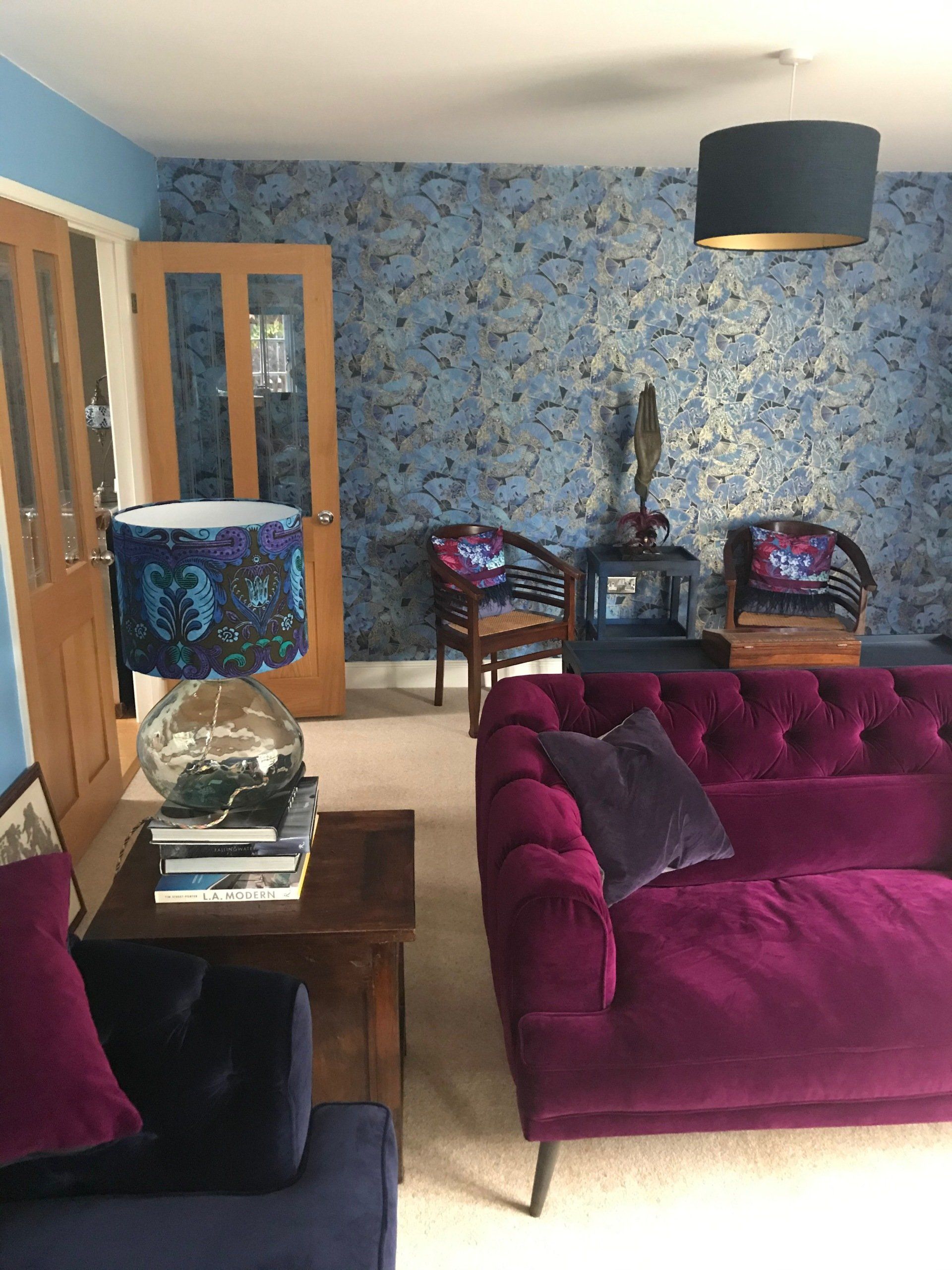
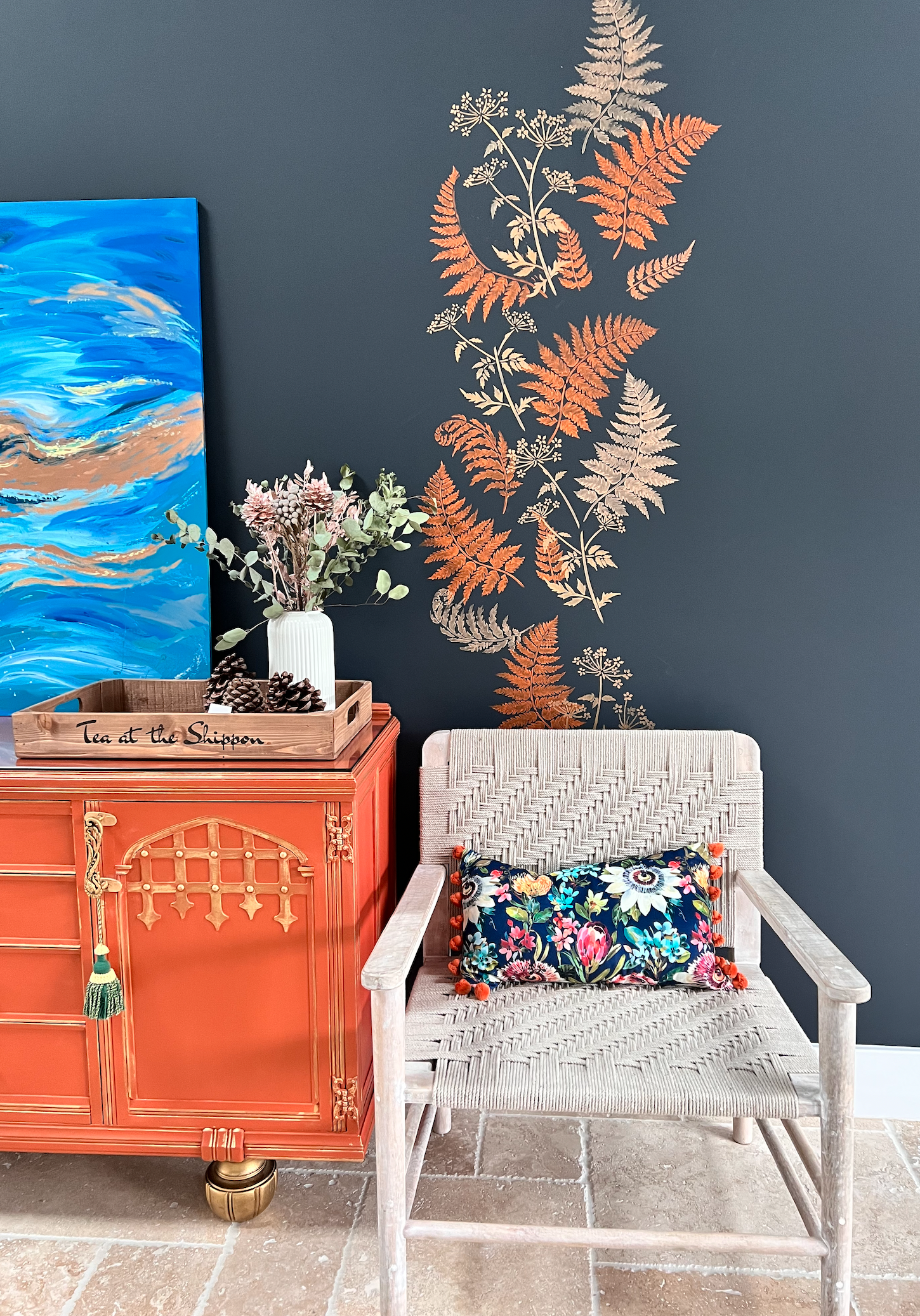
When we choose wallpaper today, whether a hand-printed heritage design or a contemporary mural, we’re continuing a story that spans continents, centuries and cultures.
Hopefully without the arsenic.
Which is exactly why it remains one of the most fascinating elements of interior history.
Slide title
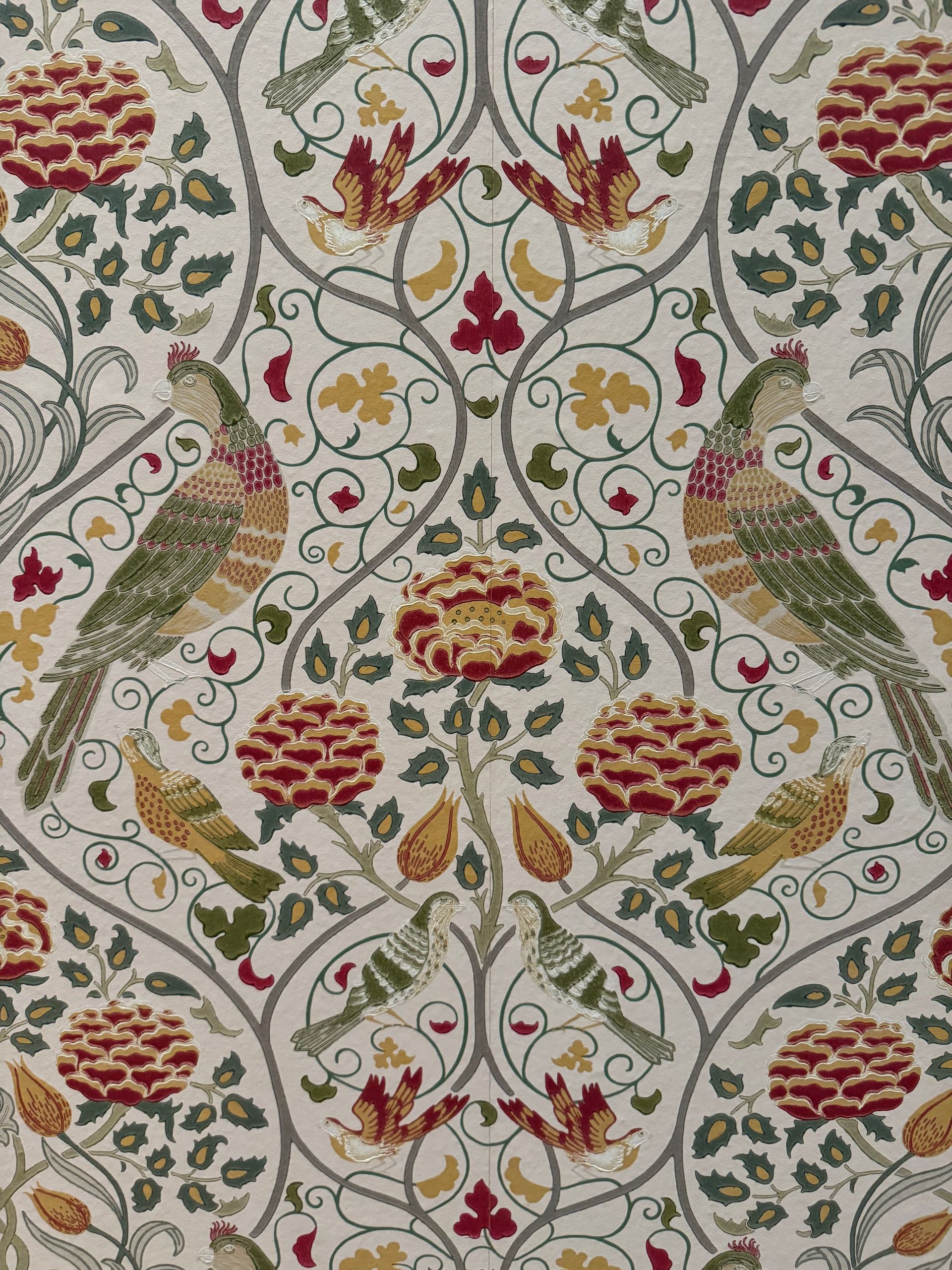
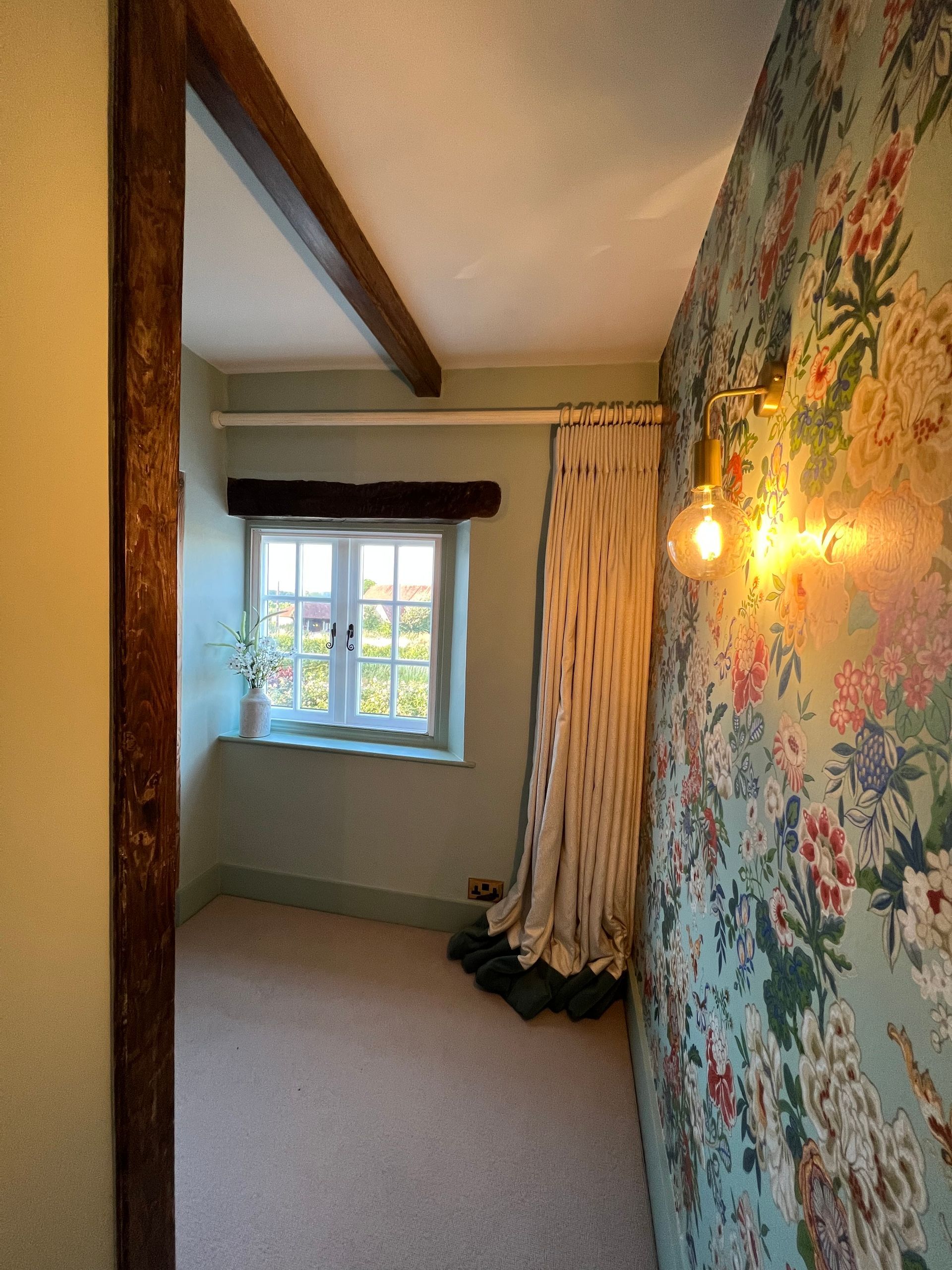
Emperor Peony by Sanderson
Button
Slide title
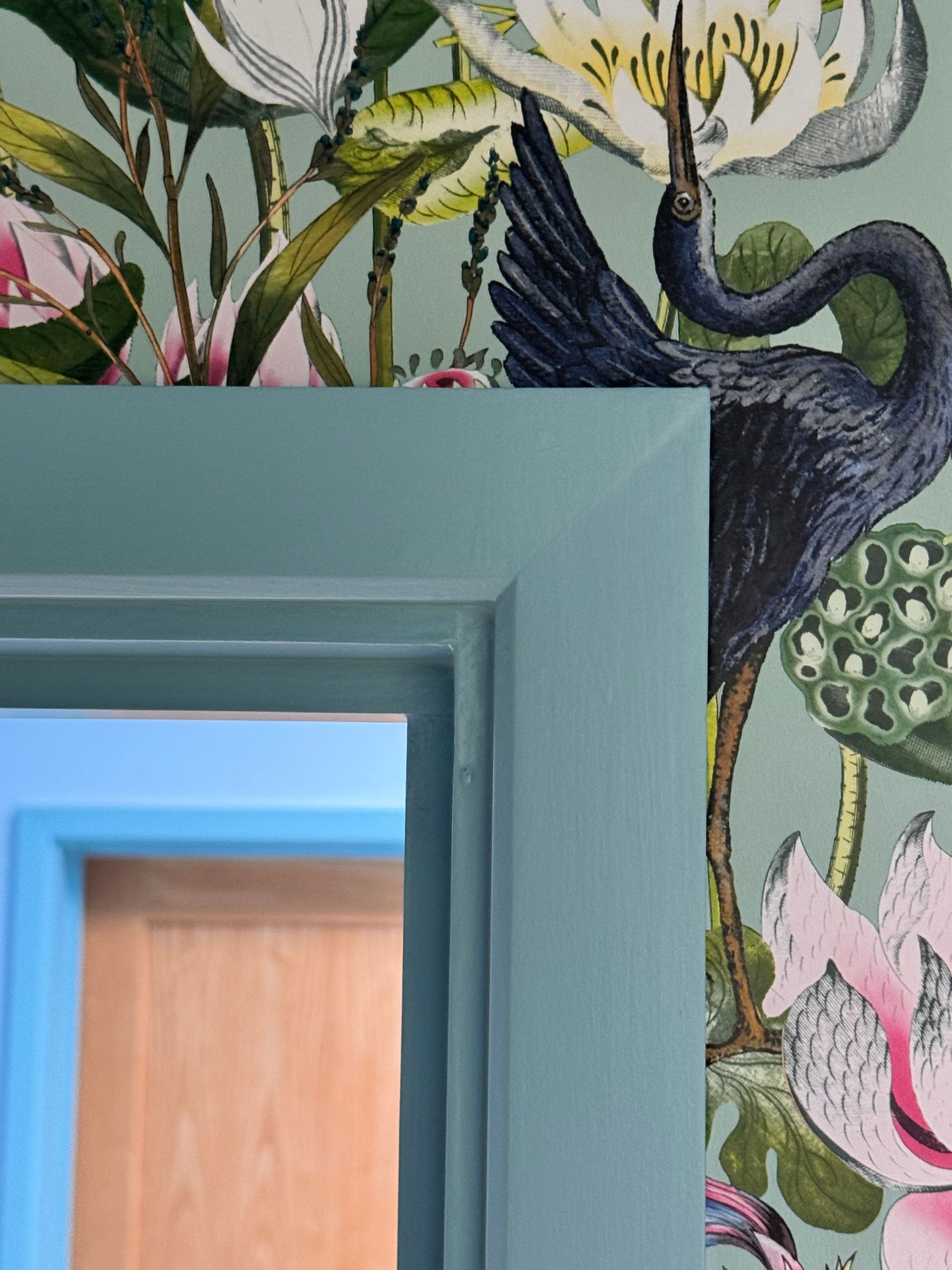
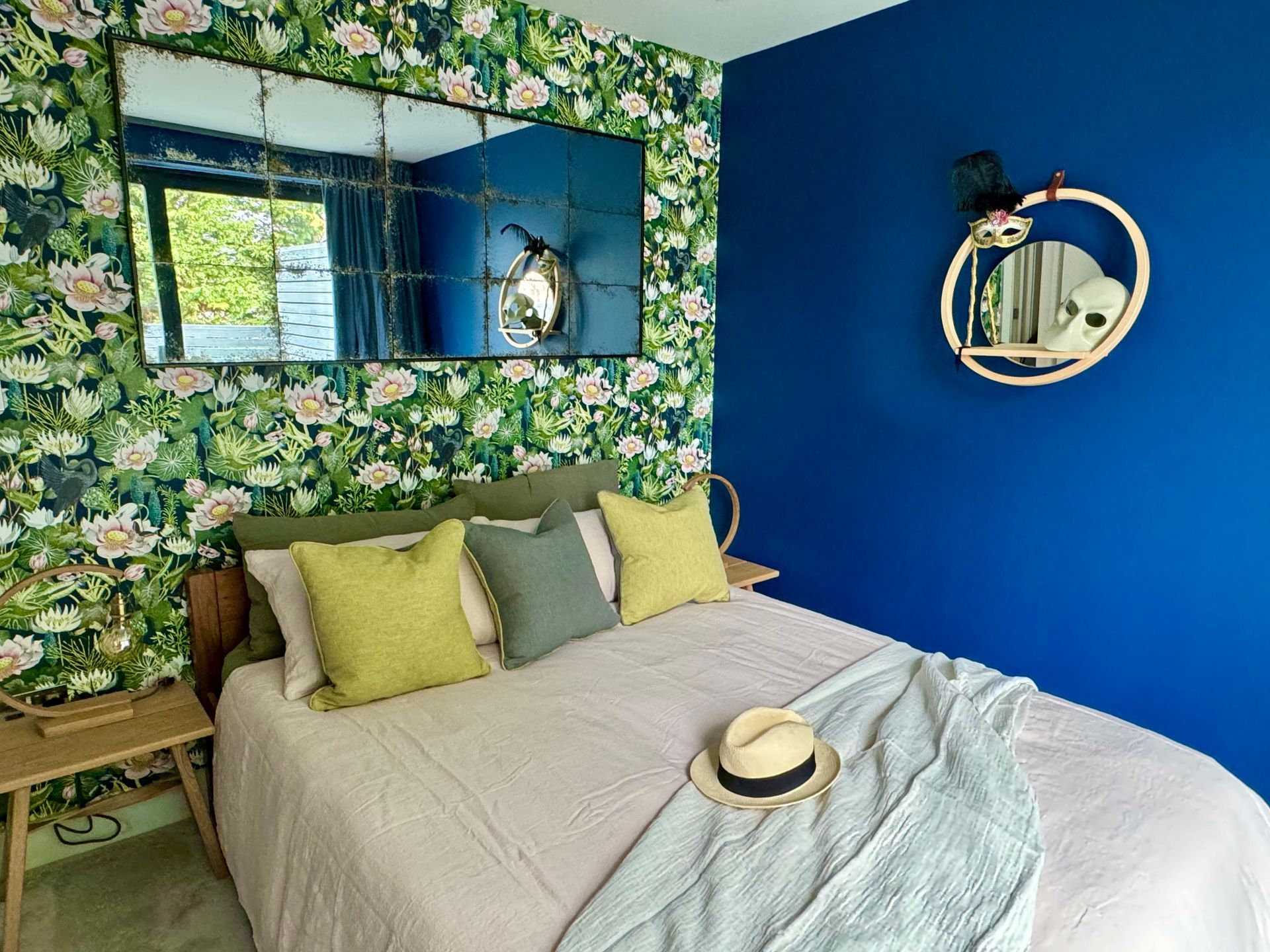
Waterlily by Clarke & Clarke
Button
Slide title
Waterlily by Clarke & Clarke
Button