Myth busting: Do you really save money by not employing an interior designer?
Myth: Interior designers are expensive.
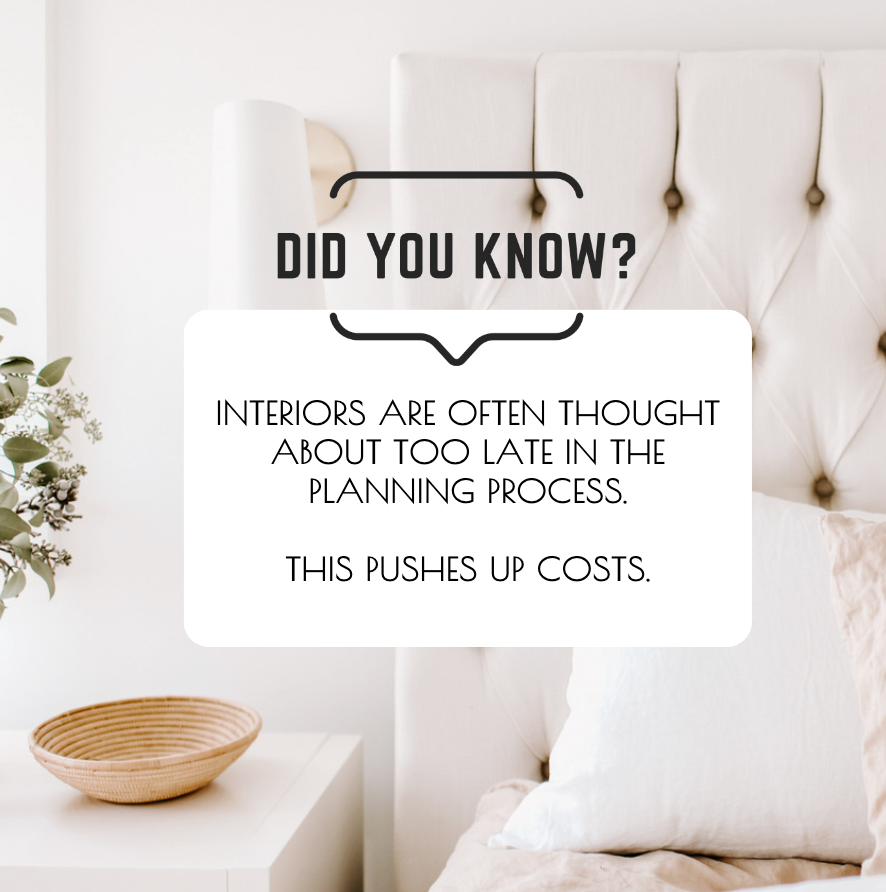
Truth: Interiors are often thought about too late. This pushes up costs.
I’ve often marvelled at the thought process people go through when they renovate or build an extension. They know they need an architect to help them. They know they need a builder and the trades to fix the plumbing and electrics. They don’t think they need an interior designer. They think that by not employing one they are saving money.
The funny thing is, when you think about renovating or building an extension you often dream about how you’re going to live or work in the building. You think about the interiors.
However, most people only employ experts who help them with the exteriors or hidden elements.
Then one of two things happen:
- The build nears completion and they panic that they haven’t been able to choose all the interiors. They are overwhelmed and paralysed by choice. They can’t visualise how everything fits together;
- They think the decoration element is the easy bit so don’t think they need an interior designer.
An interior designer can certainly help in these scenarios, but by the time the build is near completion it’s almost too late. Interior designers don’t just create decorative schemes. They design.
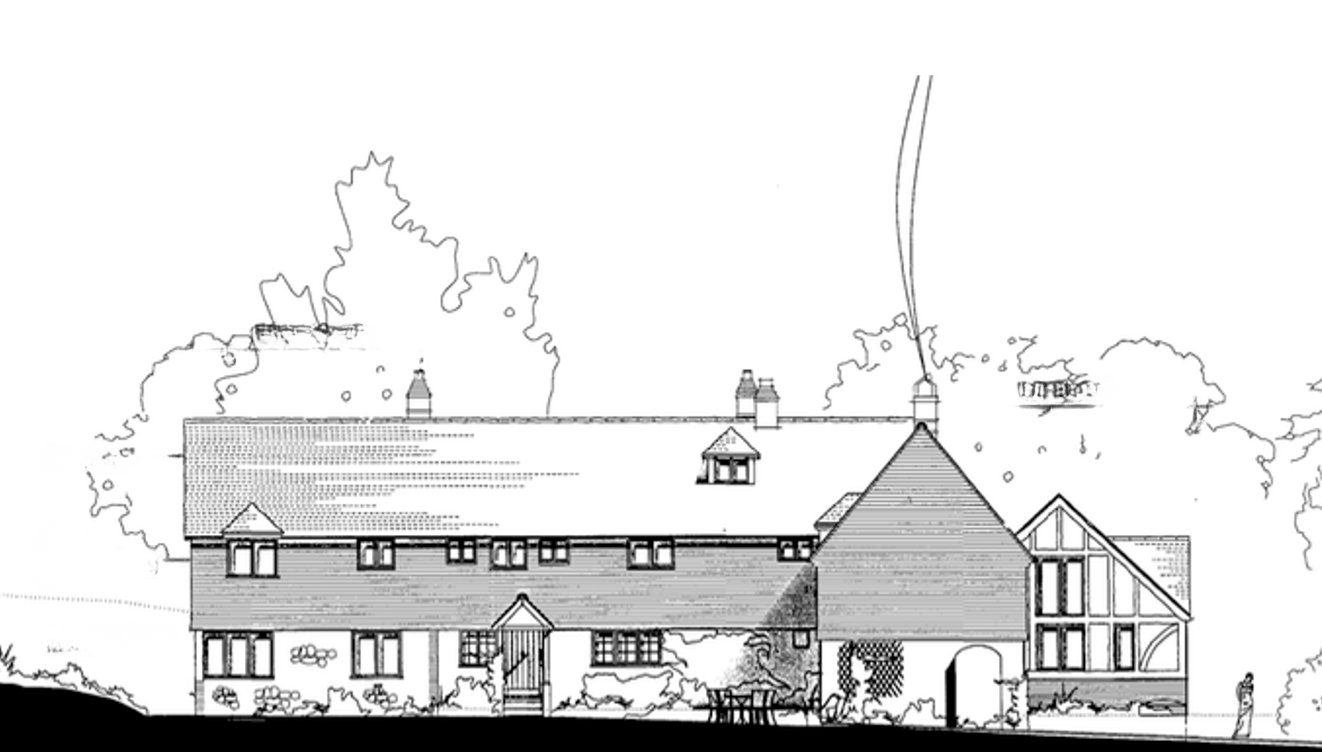
The operations of architects and interior designers go hand in hand. When an architect plans a window, door or internal wall it has a real impact on how the interiors can be used. An interior designer works closely with architects to ensure that the interiors and exterior dovetail together.
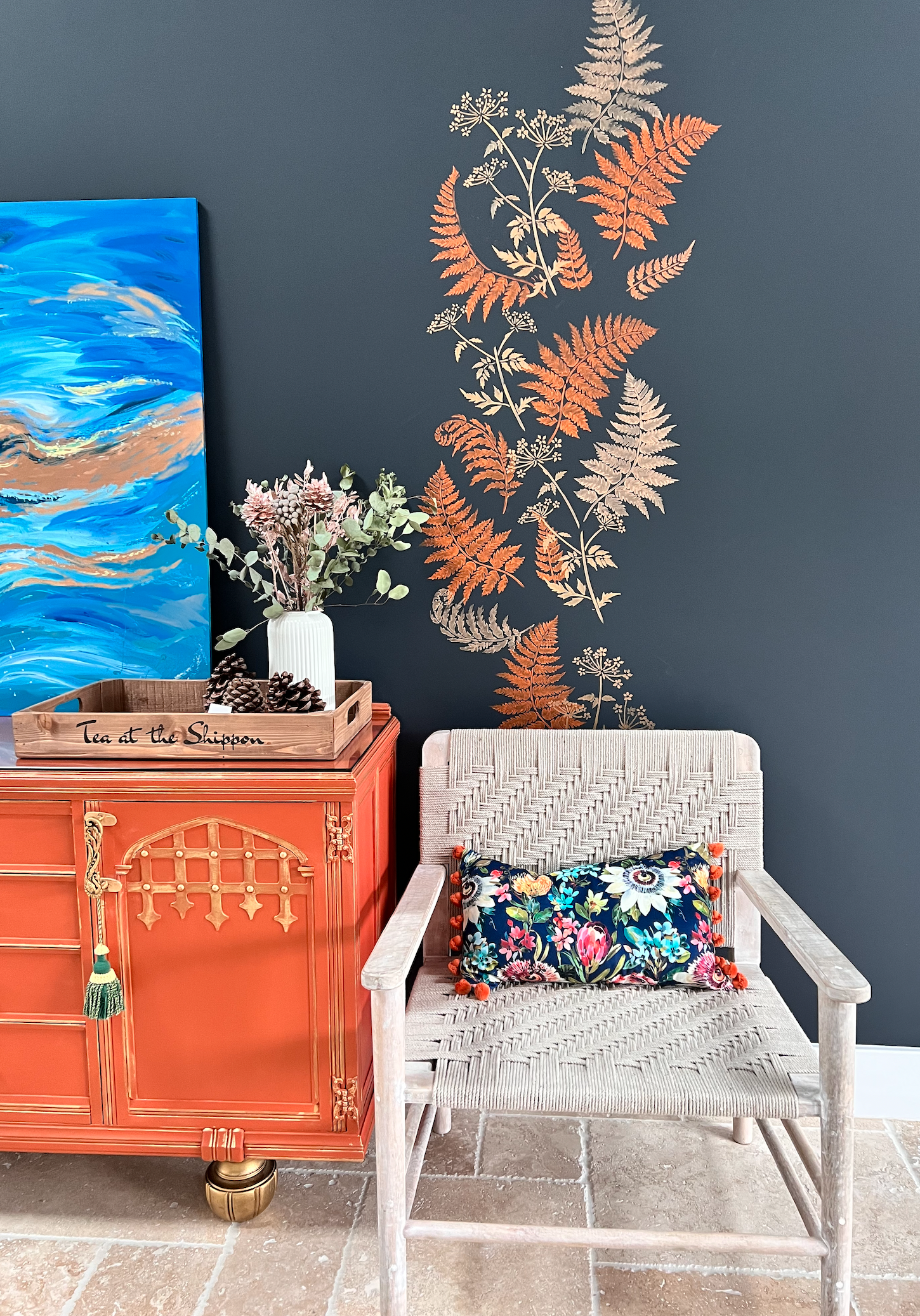
The interior designer will plan the space, based on how the clients want to use it. This means ensuring windows, doors and internal walls are in the right place, along with sockets, light switches, cabinetry, etc. It means the rooms work with the style and size of furniture. Only once the space analysis is complete, does it mean creating the visual impact in terms of furniture, fixtures, fittings and colours.
It also means developing a road map that will help you tender the project to builders. Along with the architect’s plans, it gives a complete package so a builder know what he’s quoting for. It means he doesn’t have to guess, or add a huge buffer into the quote. It ensures costs don’t continue to rise because the brief has changed.
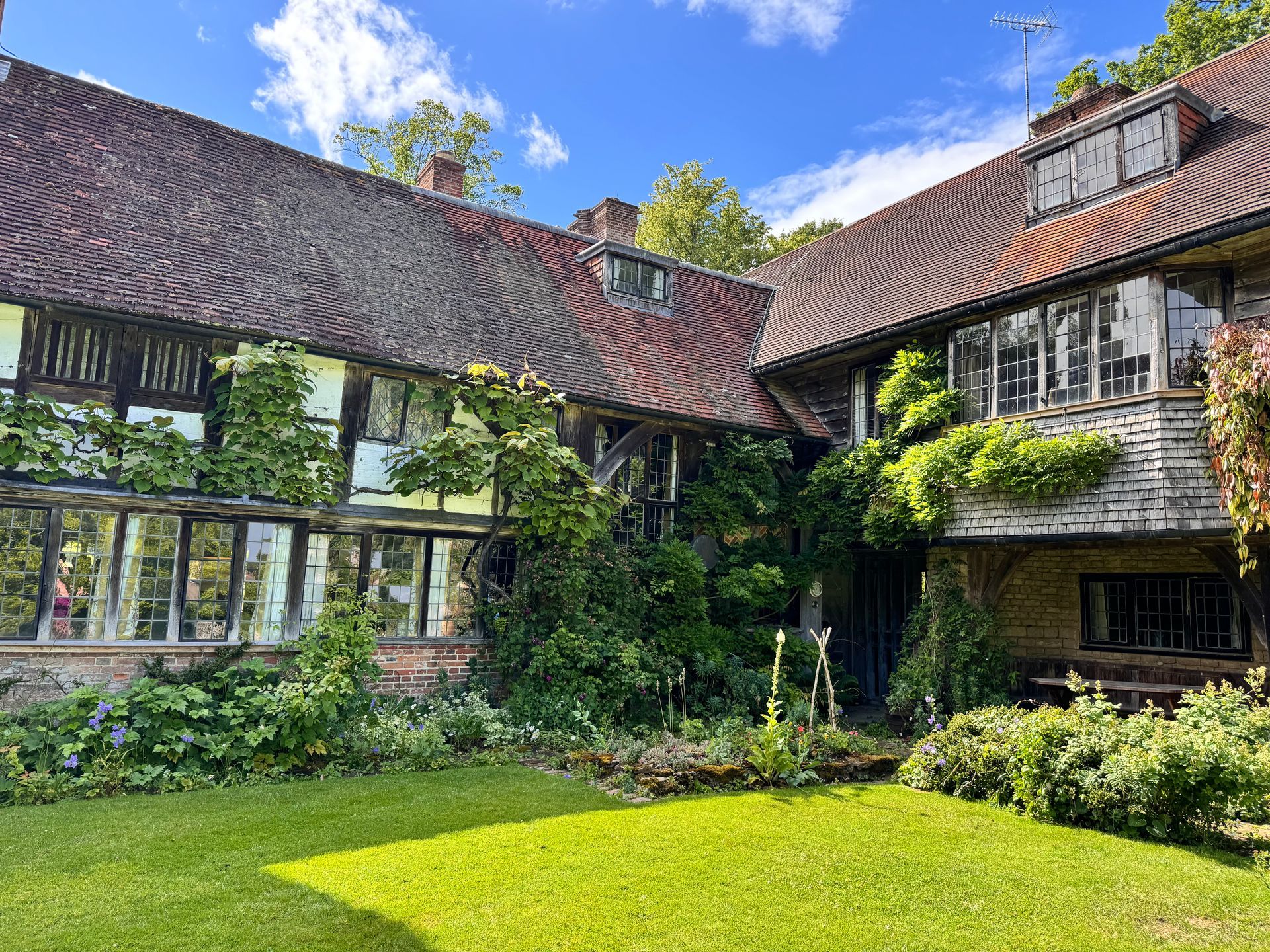
This is particularly important for heritage or older buildings. Understanding the restrictions of what you can and can’t do is important. While there aren’t usually restrictions altering unlisted buildings, it’s worth considering the original features before you rip them out. Not only could it affect the price of the property, but it’s part of the integrity and history of the building.
That’s not to say we have to preserve everything in aspic. Listed status is a not a preservation order, although it does mean consent is required in order to make changes that will affect the character of the building.
Buildings need to stand up to the challenges of modern living and working. Architects and interior designers can offer advice on how to maximise the potential of your property, and how to get the best out of the features.
When it comes down to saving money on a renovation or build, sometimes it more cost effective to engage experts who can help you do that.