

How to create interest or a focal point in a room
Making a room interesting means choosing where to look
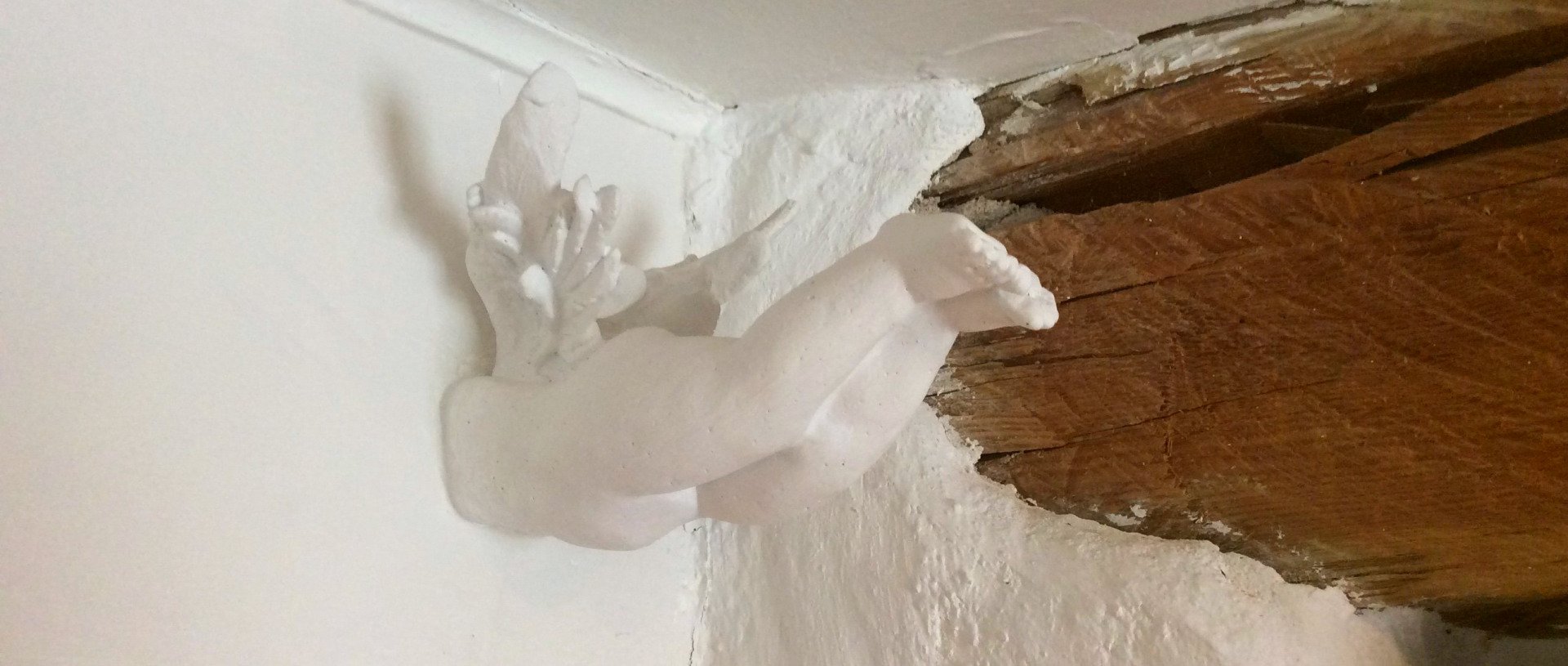
Focal points in a room give the eye somewhere to rest. It also gives a room interest and can act as a conversation starter. And after all, if the eye is drawn to your display, it won’t see the mess and detritus of every day life!
1. Create a talking point:
Is there a piece of unusual art you’re fond of? Have you picked up a holiday souvenir and don’t know what to do with it? Display it in a way that means visitors ask about it. It’s an easy way to start a conversation.
2. Use symmetry:
The human eye is drawn to pleasing shapes and regular patterns. We’re taught at school to find a theme in something that appears to be random.
(Don’t tell me you haven’t spotted repeated shapes in a frosted window, or wallpaper!) It’s therefore restful and pleasing to the eye when it spots symmetry.
3. Create a collection:
If you have a collection of photographs, pictures, teapots, boxes, or nicknacks that mean something to you, pull them together in an interesting display. Design should include personality.
A space in your home primary has a function. It’s where you cook, where you relax, where you sleep, or it’s simply where you hang your coat. It has a purpose.
The practical nature of the room doesn’t mean it has to be boring. Here are three ways to add interest.
1. Do the unexpected:
Have some fun and do something quirky. It will raise a smile and give a happy, warm feeling to a room.
2. Go wild:
Use nature as your inspiration. Collect fir cones, feathers, pieces of driftwood or simply take a collection of flower photographs.
3. Mix it up:
Try putting together an eclectic display of contrasting things, perhaps old and new furniture, flowery and striped fabrics, or shelving of different shapes and colours.
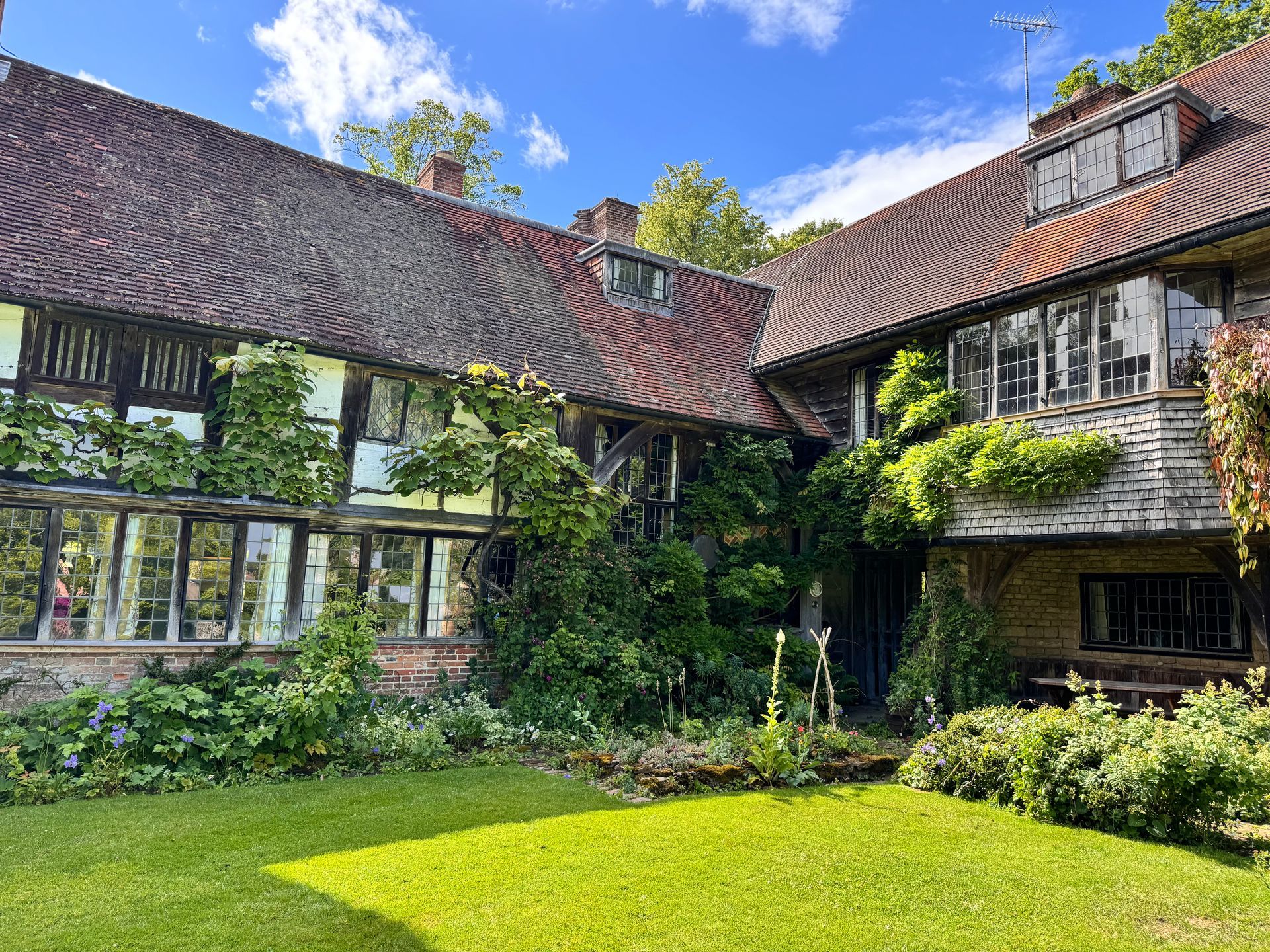
Discover Vann, W.D. Caröe’s remarkable Arts & Crafts house near Hambledon, Surrey, where old and new were skilfully woven together to create a historic illusion.
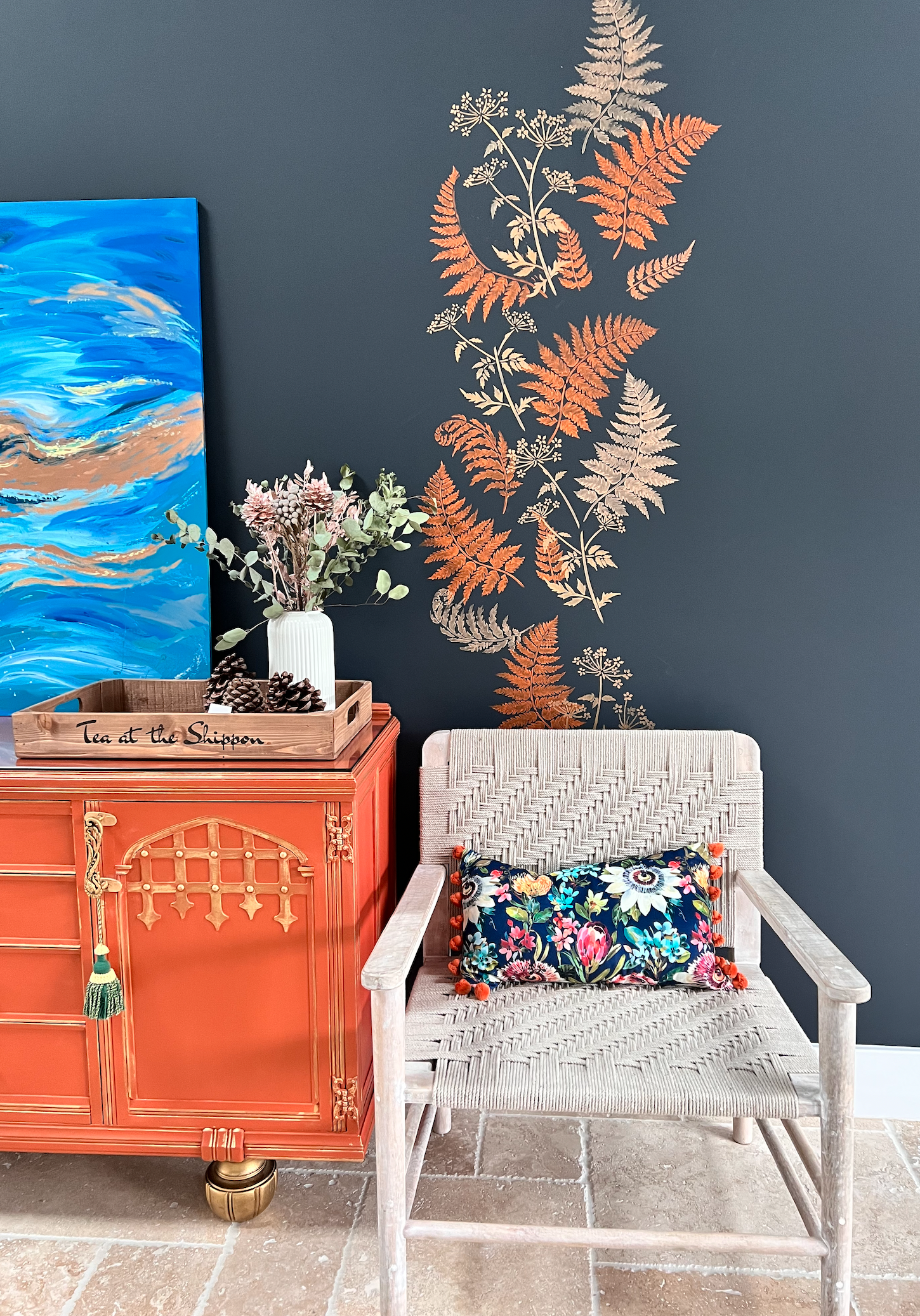
AI can create beautiful room visuals, but can it replace an interior designer? Discover why human expertise, experience and project management still matter.

David Cole’s Great Houses of the Arts & Crafts Movement explores 100 remarkable British homes. A personal review of Lutyens, Voysey and the wider movement.

Discover the architectural layers of Grays Court in York, one of Britain’s oldest continuously occupied houses, from Norman origins to today.
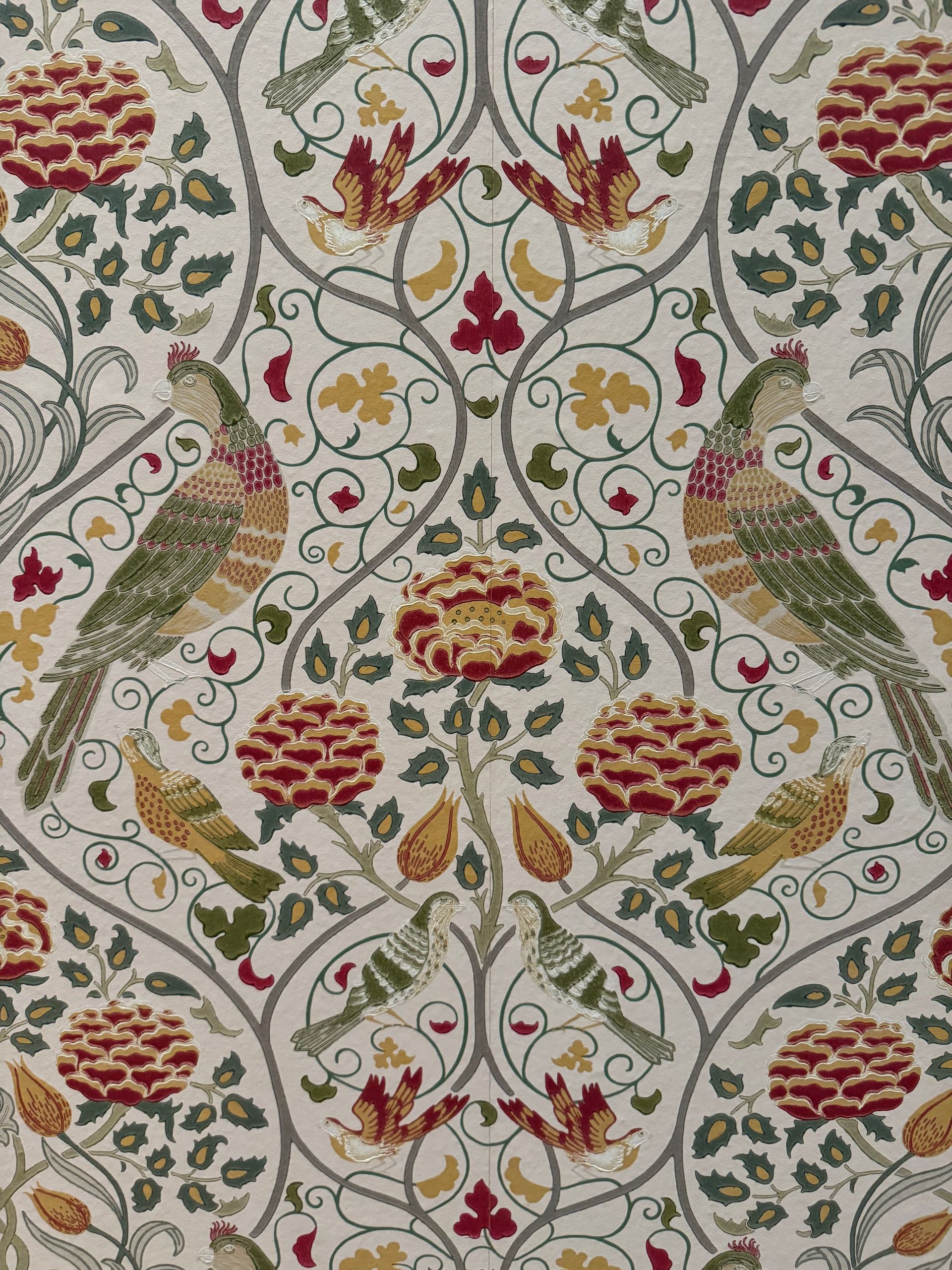
Discover how William Morris and the Arts & Crafts movement offer a timeless alternative to fast, trend-led interiors.
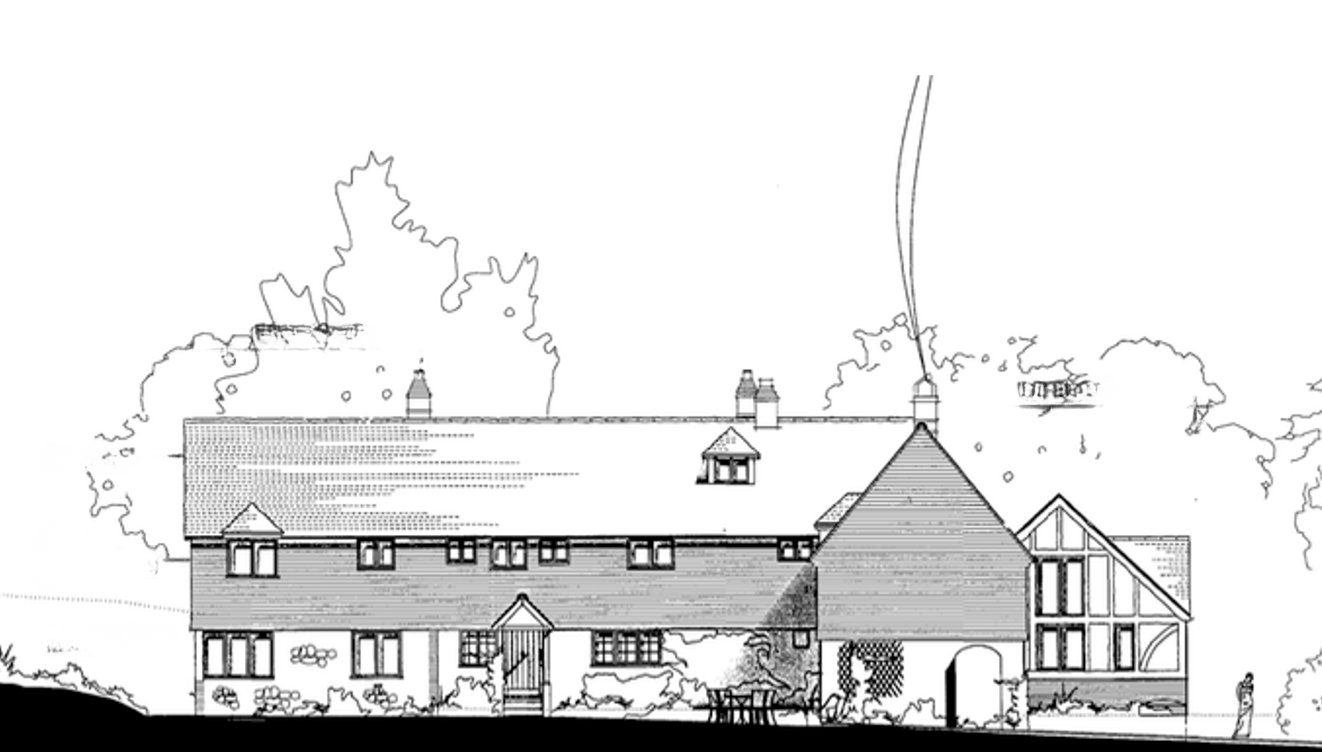
Discover the hidden history of Old Birtley, a Grade II listed Surrey house shaped by Tudor builders, working families and a Titanic connection.
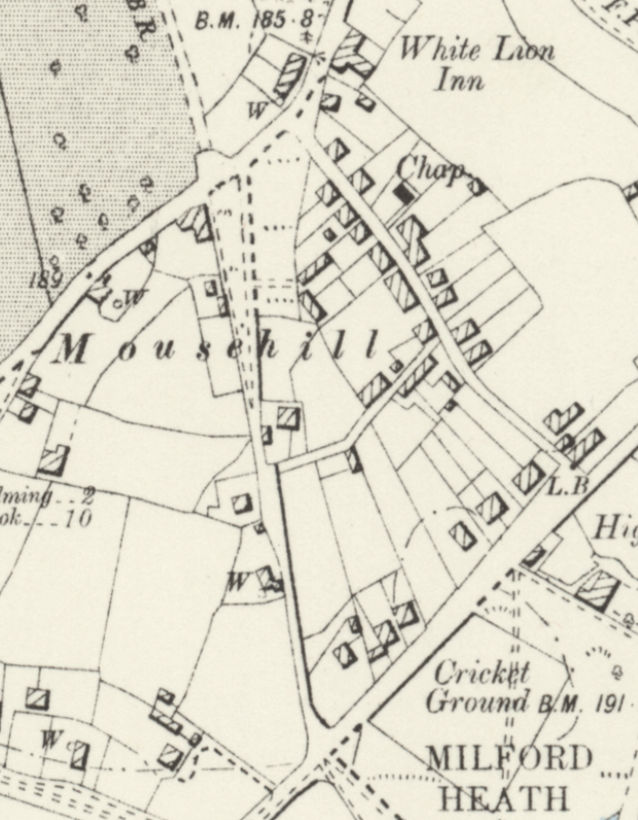
Discover the fascinating history of the White Lion in Moushill, Surrey, a 16th-century coaching inn linked to a notorious murder that inspired Dickens
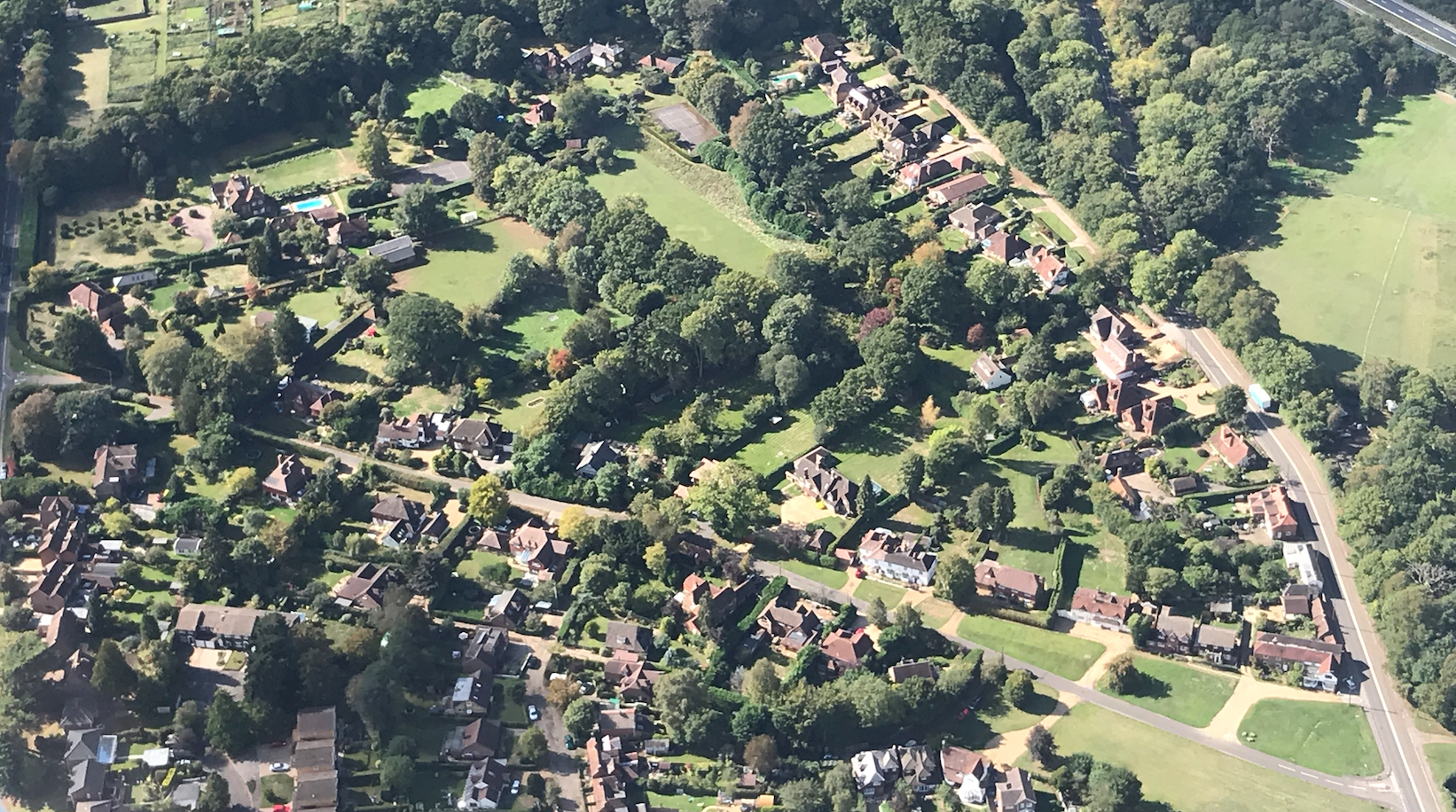
Explore the remarkable history of Moushill Lane, from medieval manor and coaching route to a home for artists, engineers and influential figures.
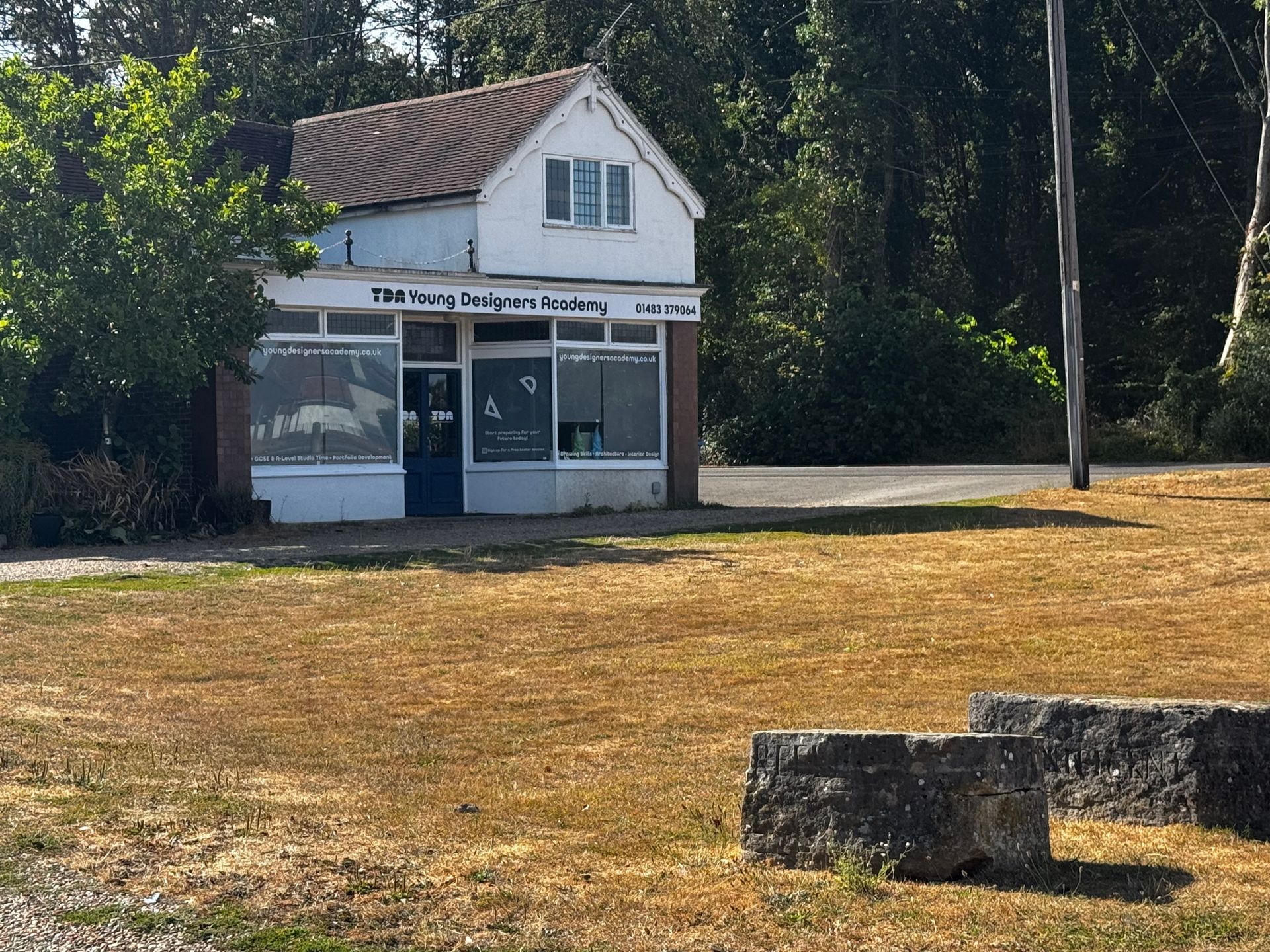
Discover the history of the Moushill Stores in Milford, from a Portsmouth Road stop off to part of Charles Burgess's pioneering grocery empire
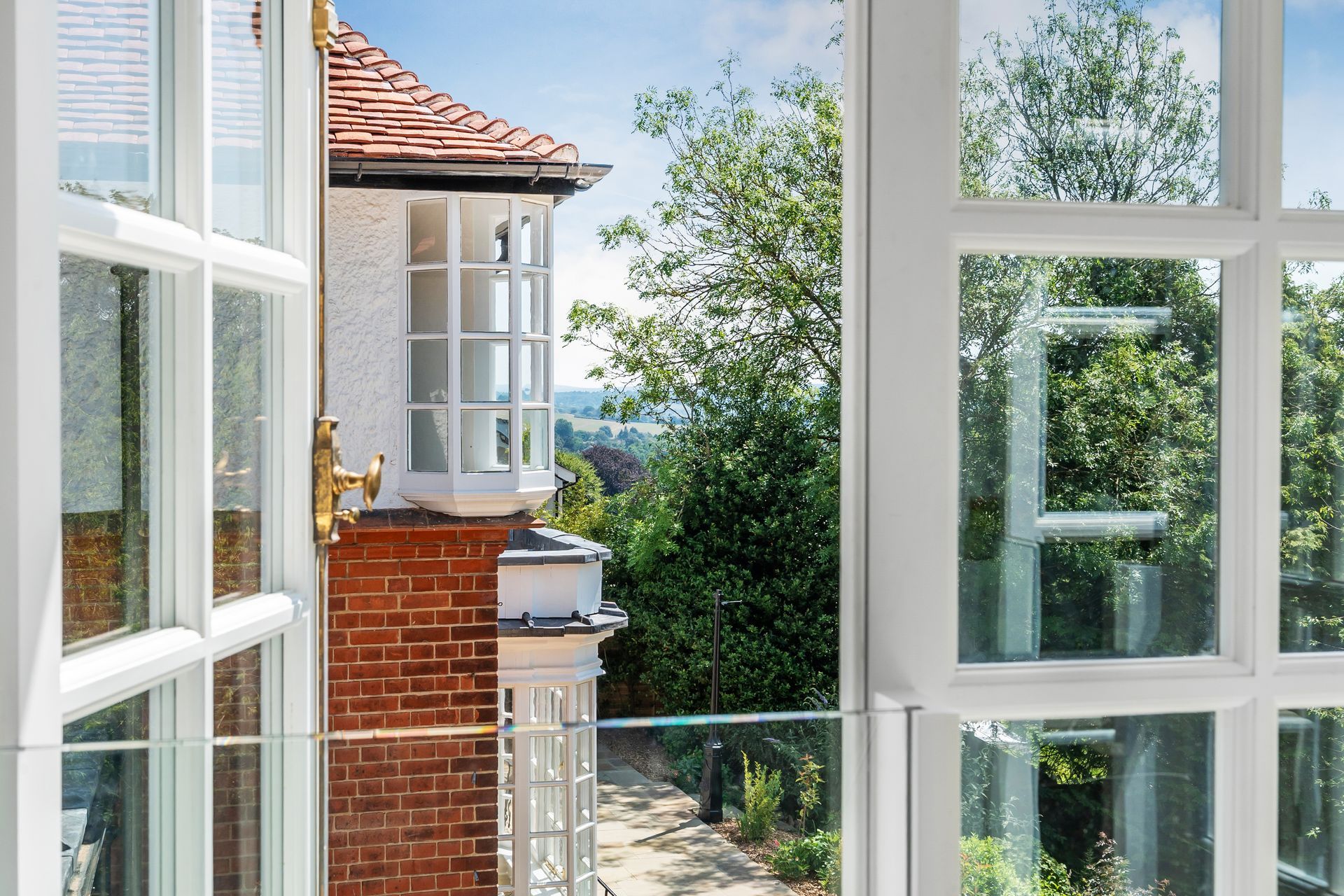
Explore Littlecroft, Edwin Lutyens' overlooked Arts & Crafts house in Guildford, its maritime influences & why research inspires better restoration
