

How to improve your mental health by changing your interiors
Feeling at home at home

Some people long for the wow factor to impress guests. Some want to feel comfortable and relaxed in their own space. Some want their homes to reflect their personality.
They are lots of reasons why we paint our walls and hang up wallpaper.
The choices we make, or don’t make, have a huge impact on our mental health too.
Stuck in a home we hate, longing to escape can be horrible. We can feel unsettled, or even depressed, if we can’t feel at home in our own space. We all have different personalities and needs, and that’s why are homes are all different too. A neat freak (like me) would never feel at home in clutter and chaos, and someone who works long hours, and just wants to put their feet up in the evening, won’t feel relaxed in a home where they feel they have to hover in case they disturb the direction of the nap on the sofa.
Creating harmony at home is an easy way to help us feel more energised and less stressed. And if we’re more relaxed in our environment we’re more productive too.
So, where do you start? What improvements can you make? Here’s my top three tips:
1. Clutter means chaos –
Seeing a mess everywhere you go is stressful. Trying to find things when all your see is the stuff you don’t need causes unnecessary anxiety. How you deal with the everyday detritus of life is difficult when your kids, husband and pets just add to the mess. I don’t know how many times I’ve tried to encourage my family to see that everything has a home so you can find it again.
We do live in homes, however, not museums, so we need to be practical. I like clear surfaces, so I have drawers and boxes to hide the mess. There’s a box on the hall table for keys, wallets and the stuff I need to grab when I run out the door. There is the odds and sods box for things that look like they should be useful but I’m unsure of their purpose. And then there’s the trays I have for my children. If they leave stuff hanging around too long it gets put in the tray, one for each child. I keep hold of it until they are in a mad panic trying to find it, or more usually, I dump it on their bed and shut the door. And don’t get me started on my husband’s desk. Doors are great inventions.
2. Don’t feel out of place –
A friend once asked me to take a look at her living room. She loved every piece of furniture in it, the colours of the walls and the accessories, but she just felt it wasn’t right. Intuition plays a large role in creativity, as does experience. We took a step back and viewed her lounge from different angles and found – the rectangular coffee table was the wrong way around. Just 90, but that had shifted the room on its axis. Once we’d moved it, my friend immediately felt a weight had been lifted. Call it an exaggeration, but let’s call it feng shui, or even geometry. She felt able to relax.
3. The lightbulb moment –
Dark rooms will always be dark. Even if you paint the walls white, they will just look grey. I usually embrace it and have fun with richer tones – but lighting is key. There is nothing more frustrating that putting on the light to find it hasn’t helped and you still can’t read your book. Task lighting is the secret. Have a think about what tasks take place in each room so you can pair the task with the lighting it needs. Spotlamps over desks are important; lamps between sofas; ambient lighting for dinner parties; undercupboard lighting above the kitchen work surfaces. We’re all aging but I don’t want to feel older than I am because I can’t see!
I hope these ideas give you something useful. I haven’t even got started on the impact of natural light, plants and colour on our moods.
If you’re still stuck drop me a line. I’d love to hear from you.
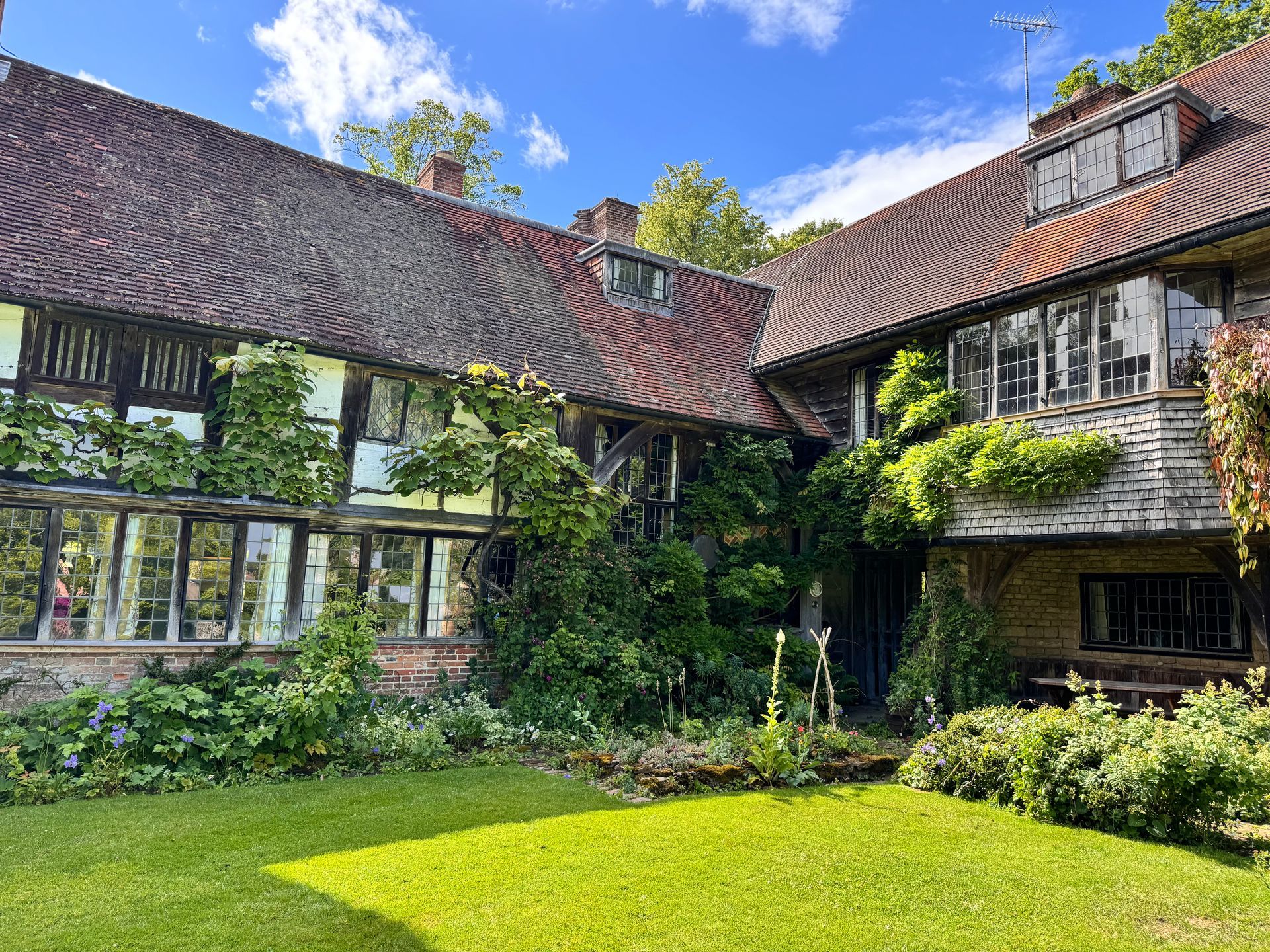
Discover Vann, W.D. Caröe’s remarkable Arts & Crafts house near Hambledon, Surrey, where old and new were skilfully woven together to create a historic illusion.
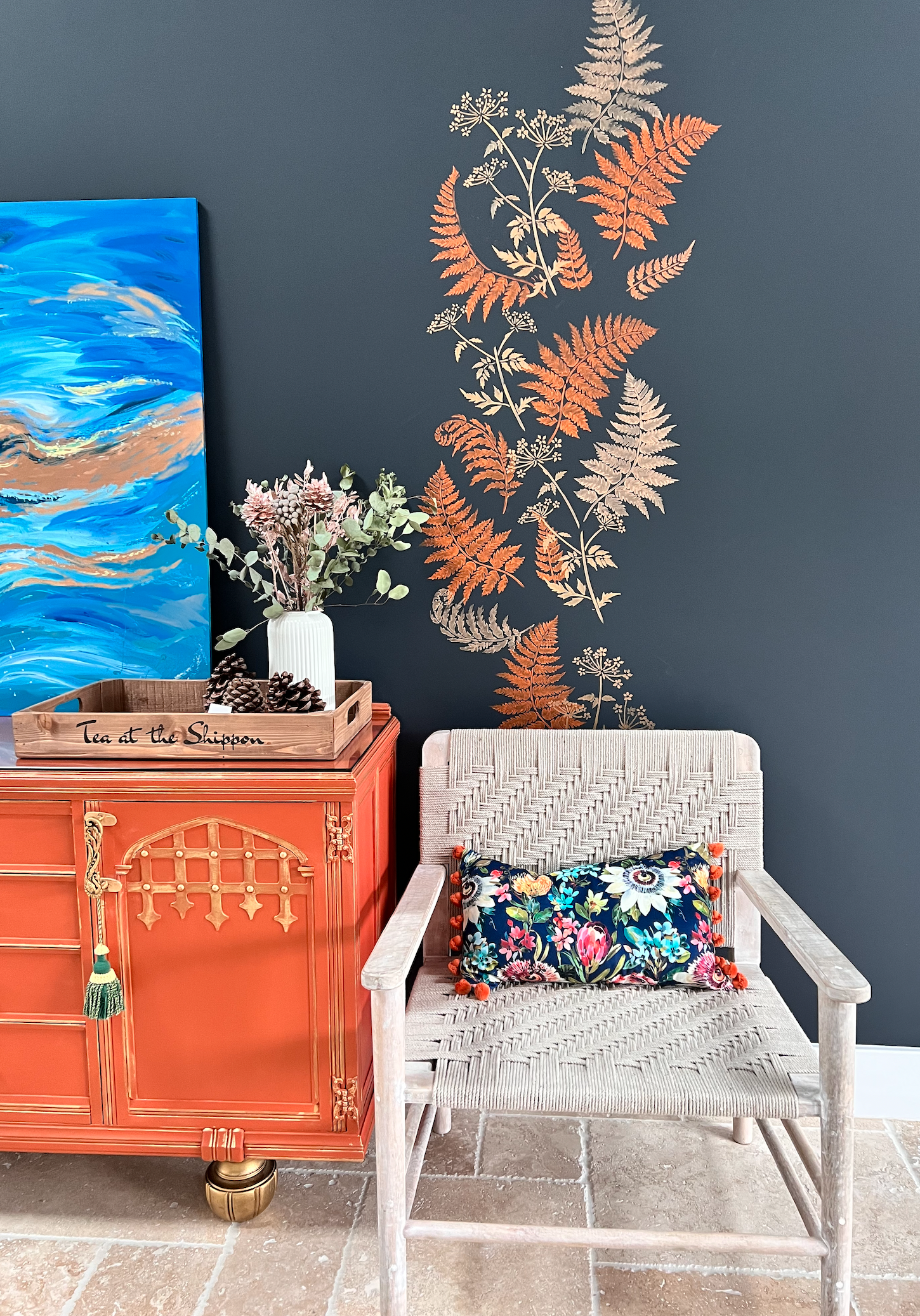
AI can create beautiful room visuals, but can it replace an interior designer? Discover why human expertise, experience and project management still matter.

David Cole’s Great Houses of the Arts & Crafts Movement explores 100 remarkable British homes. A personal review of Lutyens, Voysey and the wider movement.

Discover the architectural layers of Grays Court in York, one of Britain’s oldest continuously occupied houses, from Norman origins to today.
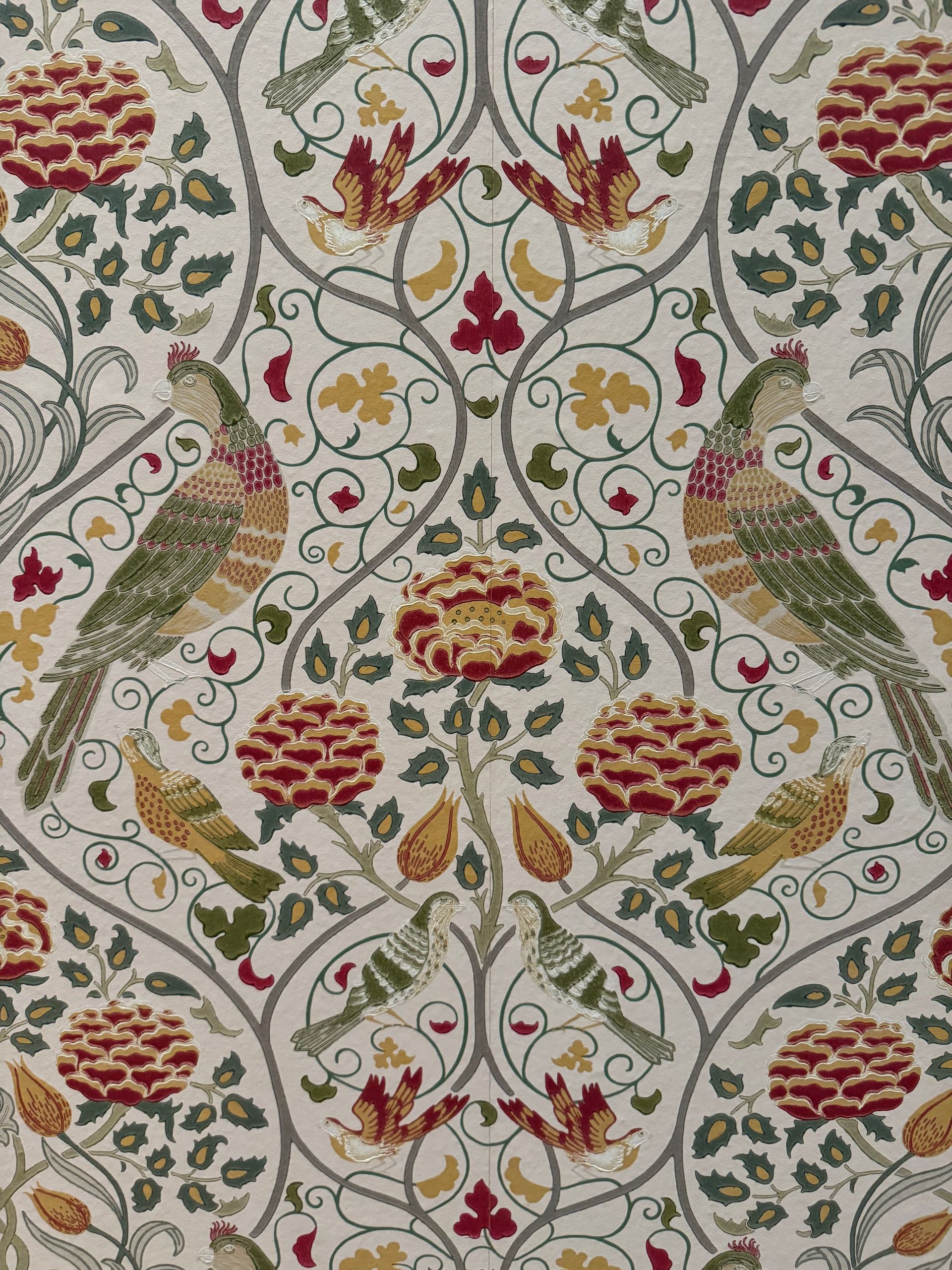
Discover how William Morris and the Arts & Crafts movement offer a timeless alternative to fast, trend-led interiors.
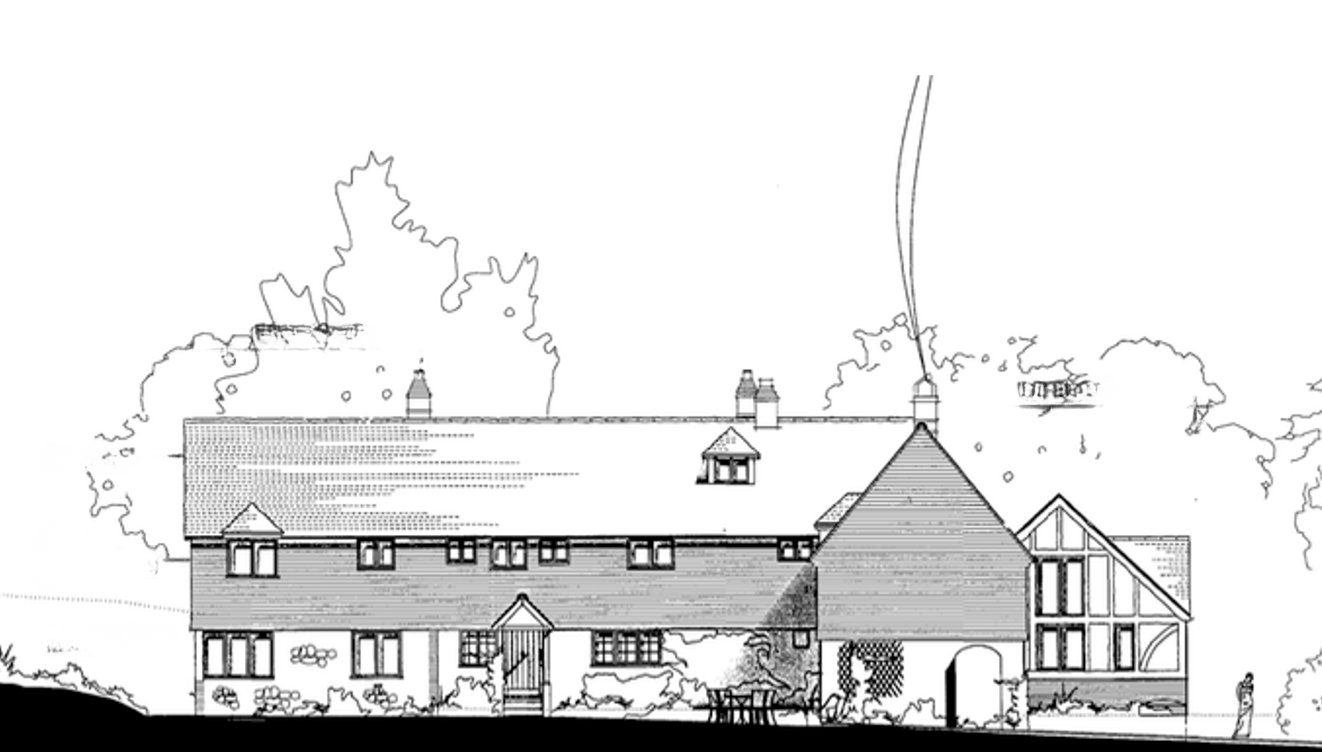
Discover the hidden history of Old Birtley, a Grade II listed Surrey house shaped by Tudor builders, working families and a Titanic connection.
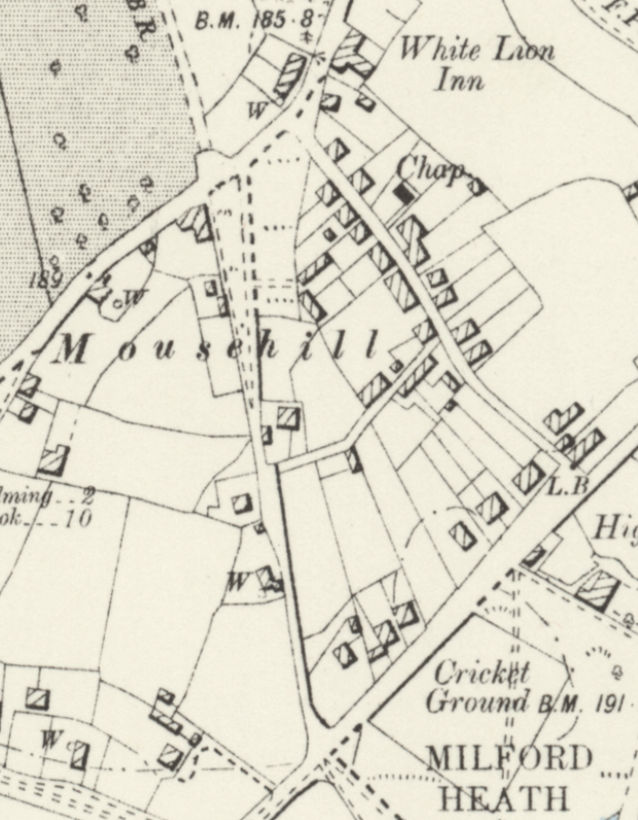
Discover the fascinating history of the White Lion in Moushill, Surrey, a 16th-century coaching inn linked to a notorious murder that inspired Dickens

Explore the remarkable history of Moushill Lane, from medieval manor and coaching route to a home for artists, engineers and influential figures.
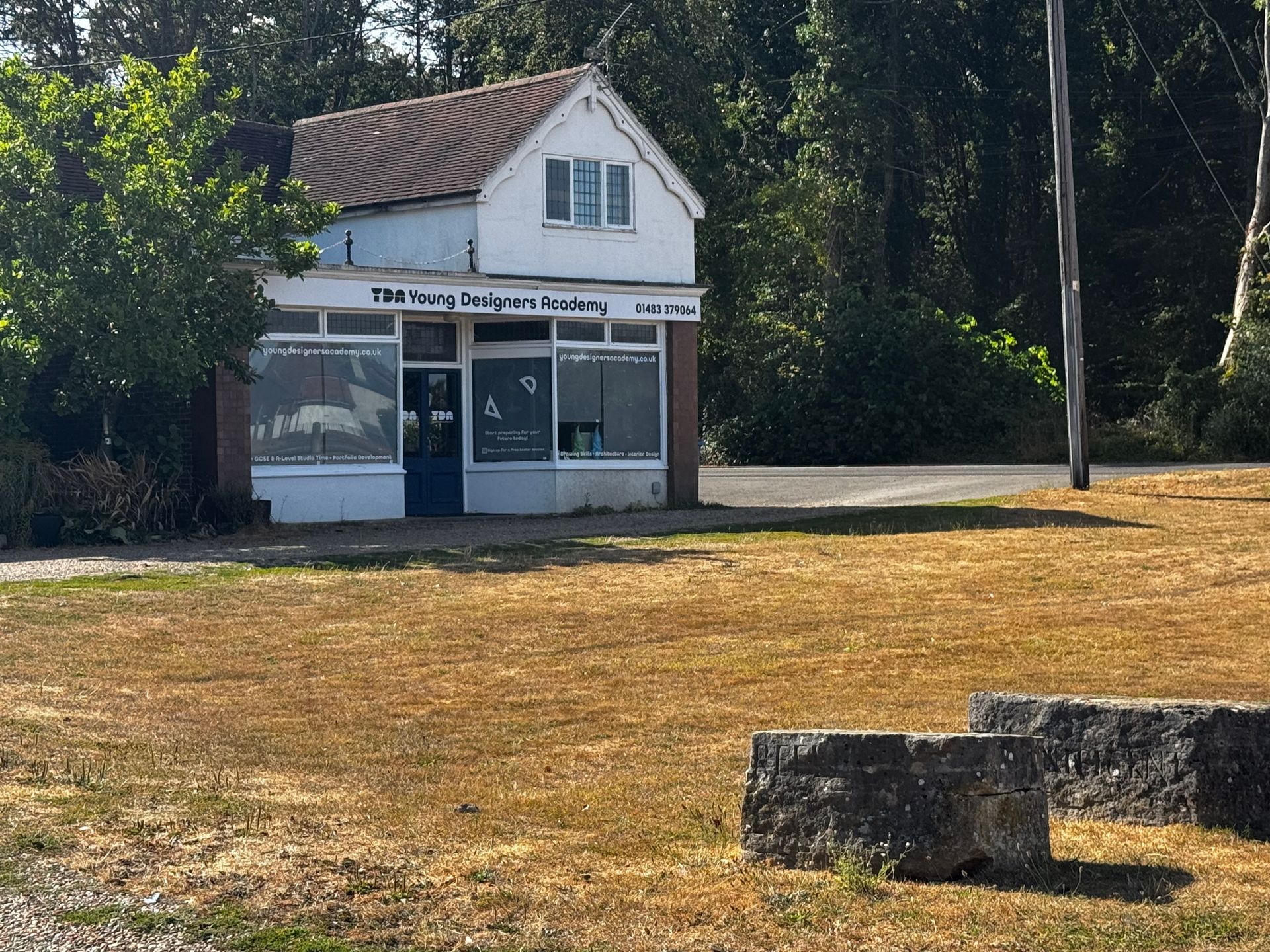
Discover the history of the Moushill Stores in Milford, from a Portsmouth Road stop off to part of Charles Burgess's pioneering grocery empire
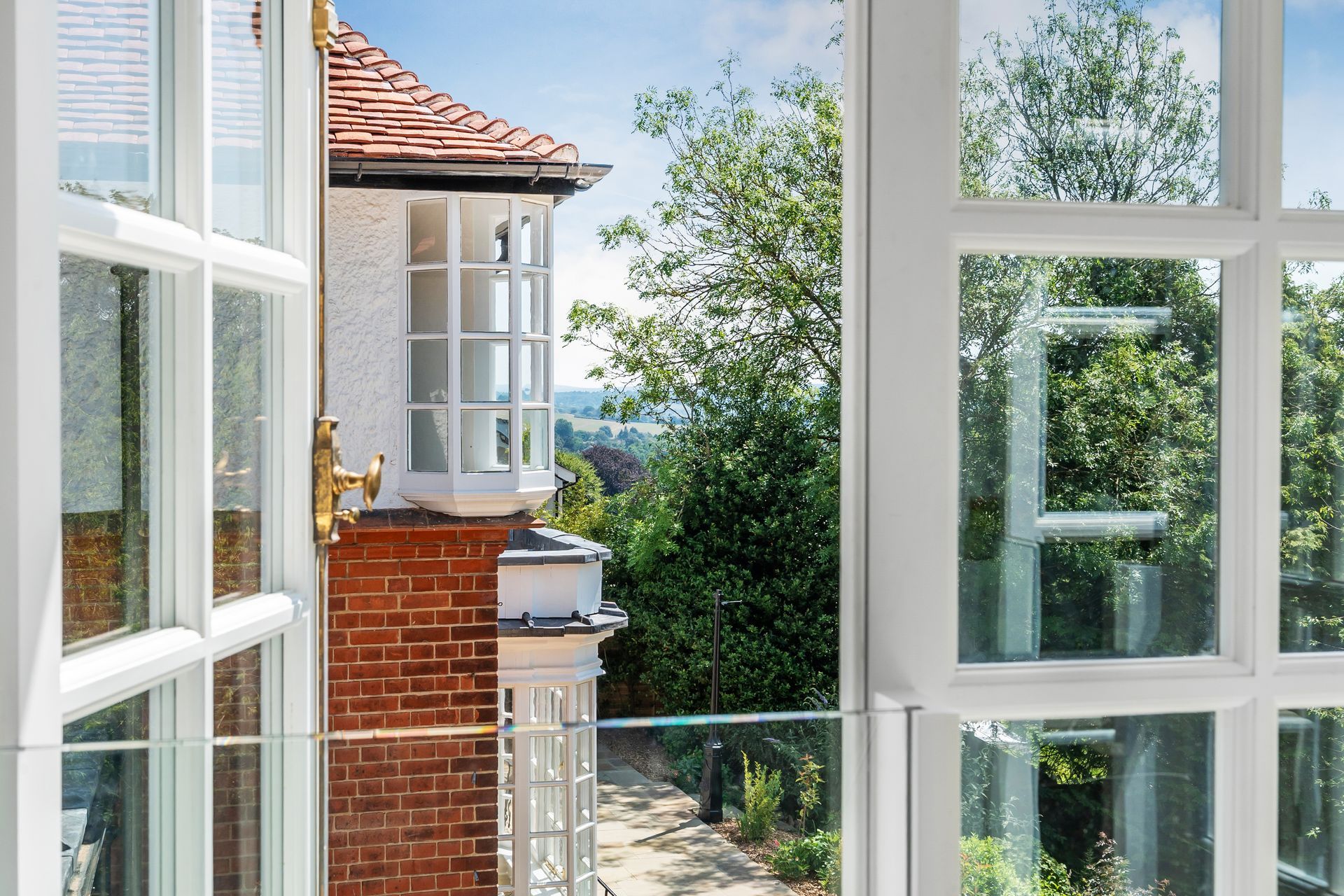
Explore Littlecroft, Edwin Lutyens' overlooked Arts & Crafts house in Guildford, its maritime influences & why research inspires better restoration
