Reviving Heritage Homes

Balancing Tradition with Modern Comforts

Owning a heritage home is both a privilege and a responsibility. These properties tell stories through their architecture, materials and craftsmanship—elements that deserve to be preserved. 


However, modern life demands comfort, efficiency and functionality. So, how do you breathe new life into a period property while respecting its history? Let’s explore the joys and challenges of renovating heritage homes and how to strike the perfect balance between tradition and modernity.


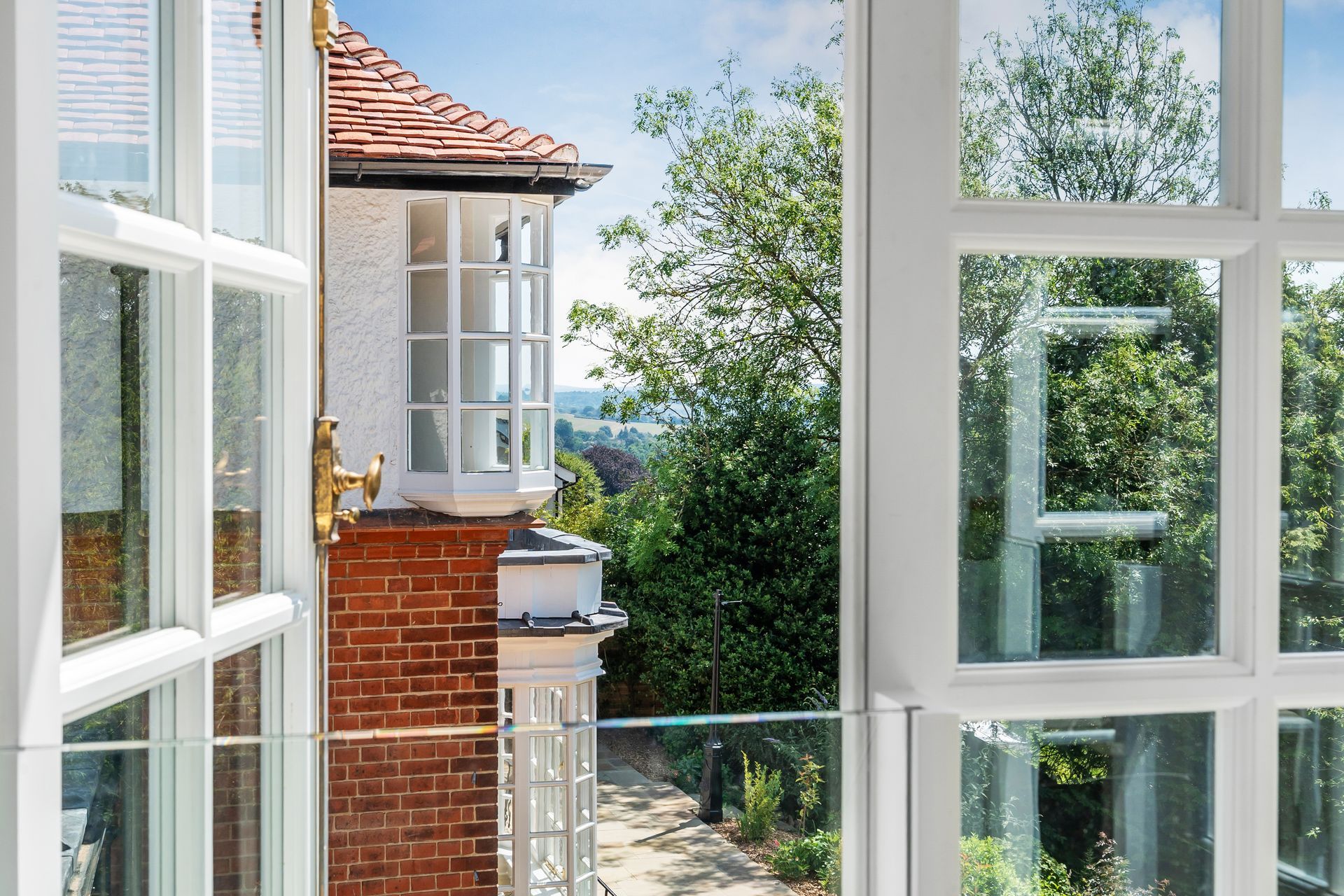
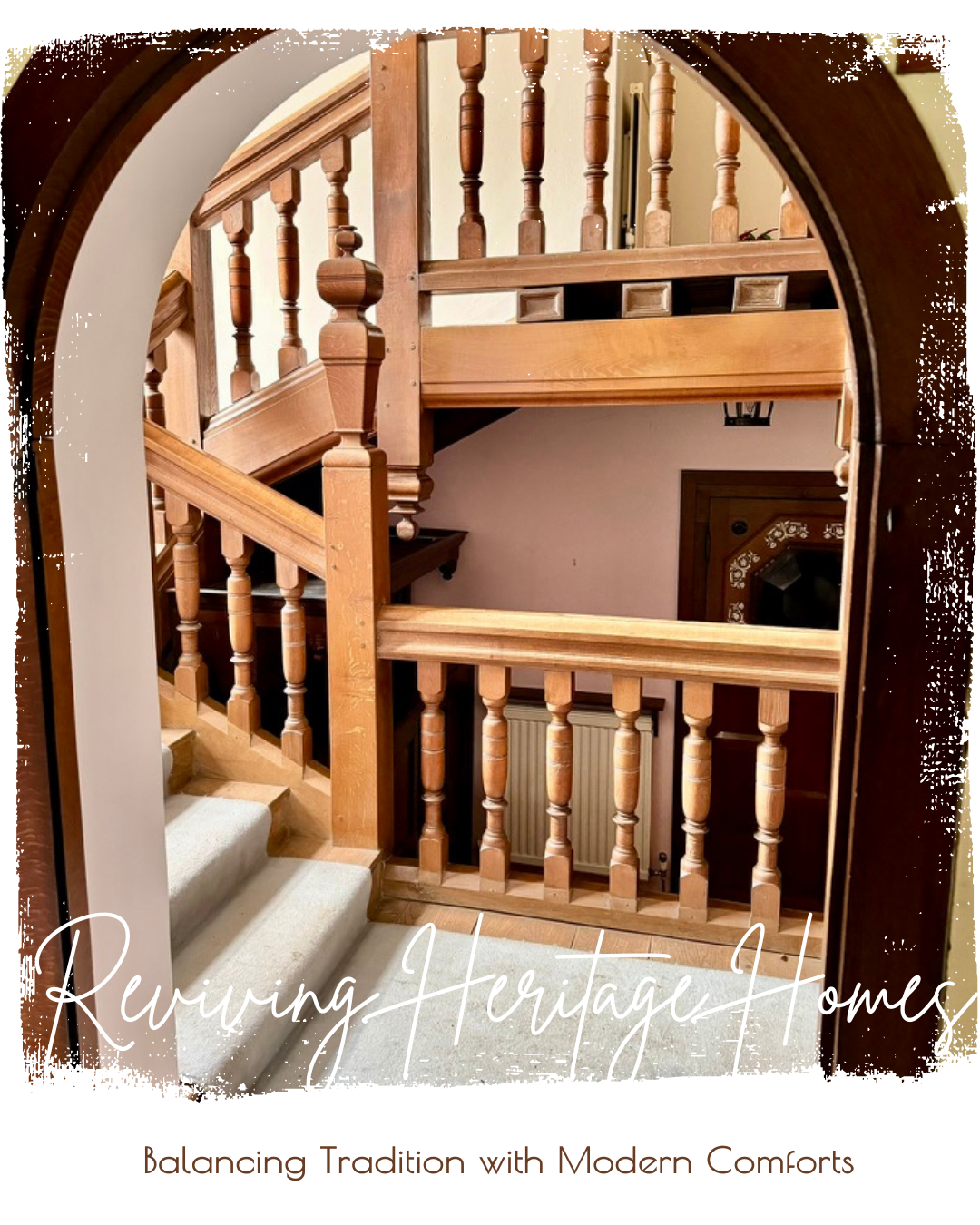
Heritage properties boast details rarely found in contemporary builds—original fireplaces, intricate cornicing, timber beams, sash windows and handcrafted brickwork. These elements contribute to their charm and value, making it essential to retain them wherever possible. Thoughtful restoration of period features can enhance a home's character, ensuring it remains both beautiful and historically authentic.
Modernising Without Losing Character

While period homes exude charm, they often lack the conveniences of modern living. Here’s how to update key areas while maintaining historical integrity:

  • Kitchens & Bathrooms: Opt for bespoke cabinetry that echoes the home's era, pairing it with high-quality modern appliances. Traditional-style taps, butler sinks and marble worktops offer a seamless blend of old and new.
  • Heating & Insulation: Upgrading heating systems is crucial for comfort. Underfloor heating, discreet radiators and secondary glazing improve warmth without compromising aesthetics.
  • Lighting & Technology: Statement lighting, such as period-style pendants, can work harmoniously with smart home technology. Use concealed wiring and sympathetic placement of modern fixtures to retain authenticity.


Avoiding Common Renovation Pitfalls

  • Planning Permissions: Many period homes, especially listed buildings or those in conservation areas, require approval before making alterations. Work with specialists who understand heritage guidelines to ensure compliance.
  • Sourcing Authentic Materials: Reclaimed timber, traditional lime plaster and handmade tiles can be sourced to match original features, ensuring seamless restoration.
  • Structural Sensitivity: Older homes require careful handling. Avoid excessive stripping of original features or using incompatible materials that could harm the building’s integrity.


The Beauty of Blending Old and New

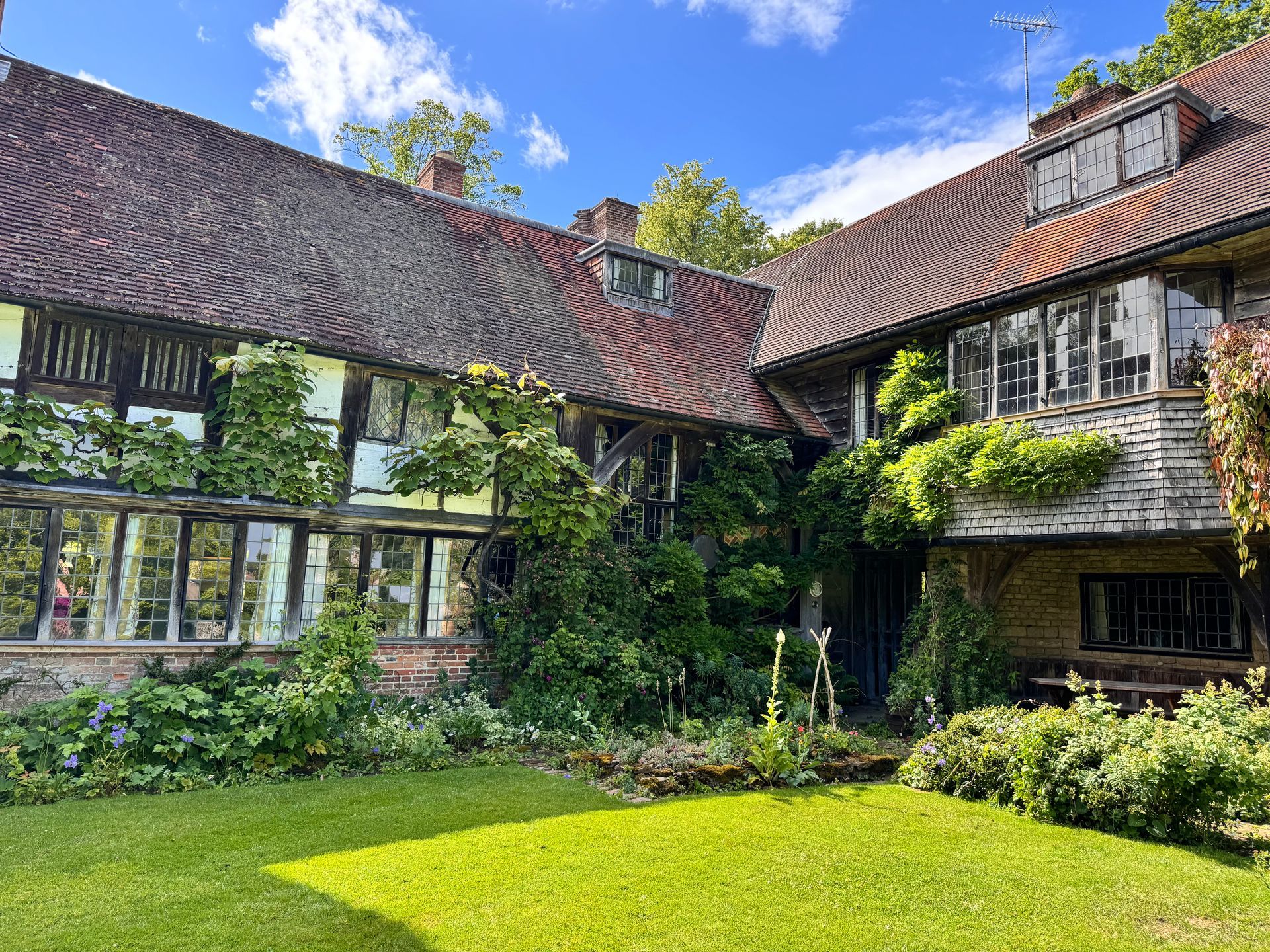
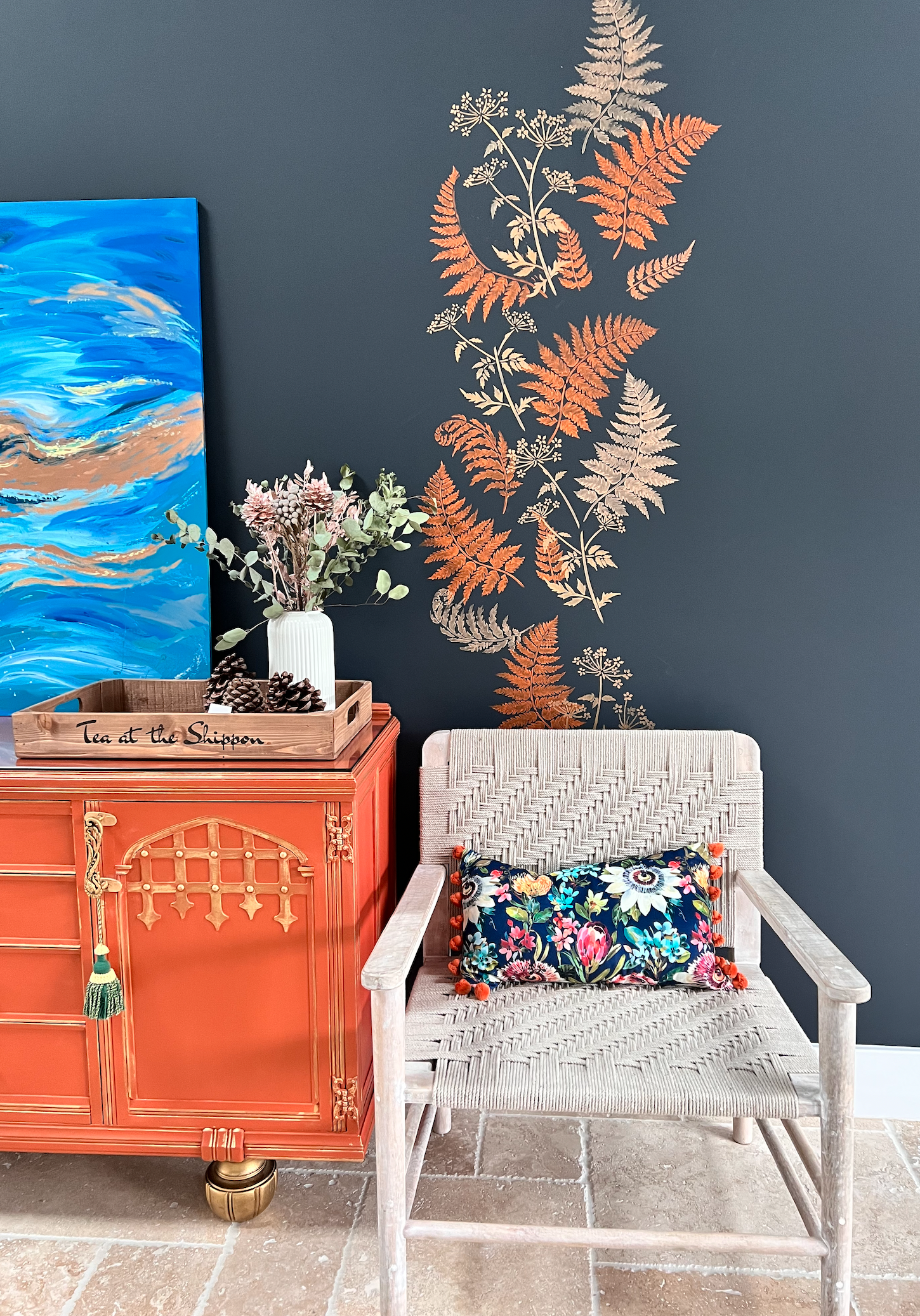
A well-executed heritage renovation respects the past while embracing the future. Picture a Victorian townhouse with restored cornicing and an elegant modern kitchen or a Georgian home where period fireplaces contrast with sleek, contemporary furnishings. The best designs allow old and new to coexist harmoniously, creating spaces that are both timeless and functional.

The same can be said for extensions. Your council’s conservation officer will take a view on how extensive renovations should be. It’s often better to design a modern extension to mark a clear line between old and new, rather than create something that looks like it’s old, but has little provenance or authenticity.


Bringing Your Heritage Home to Life

Renovating a period property requires expertise, patience and an eye for detail. At At Home by Design, we specialise in transforming heritage homes with a sympathetic approach, ensuring they remain as stunning as the day they were built—only now with the comforts of modern living. If you're considering a renovation and need expert guidance, get in touch. It’s possible for history and contemporary design to work beautifully together.

Find out more
Rear side of house
By Helen McClure • October 2, 2026
Discover Vann, W.D. Caröe’s remarkable Arts & Crafts house near Hambledon, Surrey, where old and new were skilfully woven together to create a historic illusion.
By Helen McClure • September 18, 2026
AI can create beautiful room visuals, but can it replace an interior designer? Discover why human expertise, experience and project management still matter.
By Helen McClure • September 11, 2026
David Cole’s Great Houses of the Arts & Crafts Movement explores 100 remarkable British homes. A personal review of Lutyens, Voysey and the wider movement.
By Helen McClure • September 11, 2026
Discover the architectural layers of Grays Court in York, one of Britain’s oldest continuously occupied houses, from Norman origins to today.
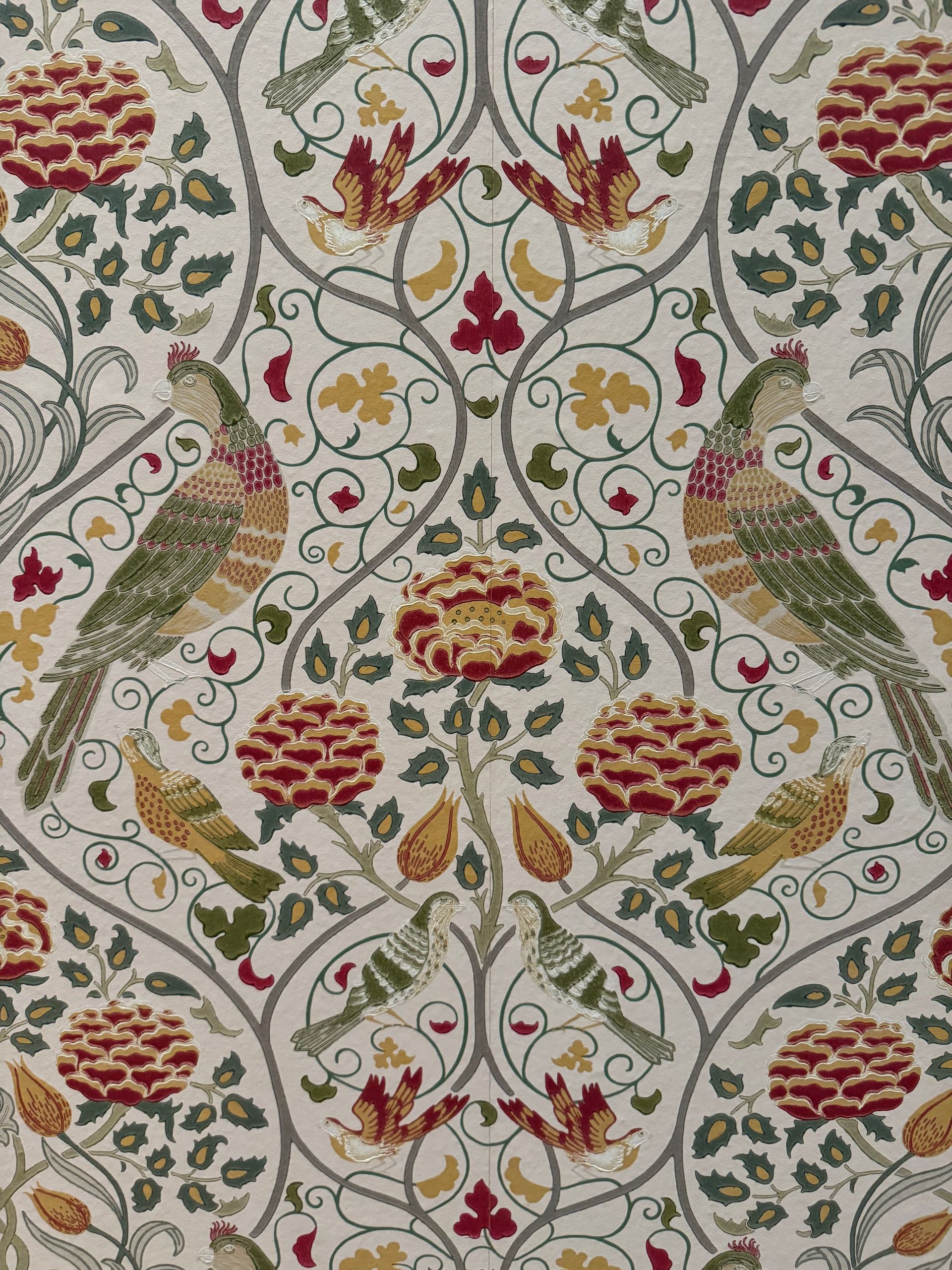
May Morris wallpaper design, birds and flowers
By Helen McClure • August 26, 2026
Discover how William Morris and the Arts & Crafts movement offer a timeless alternative to fast, trend-led interiors.
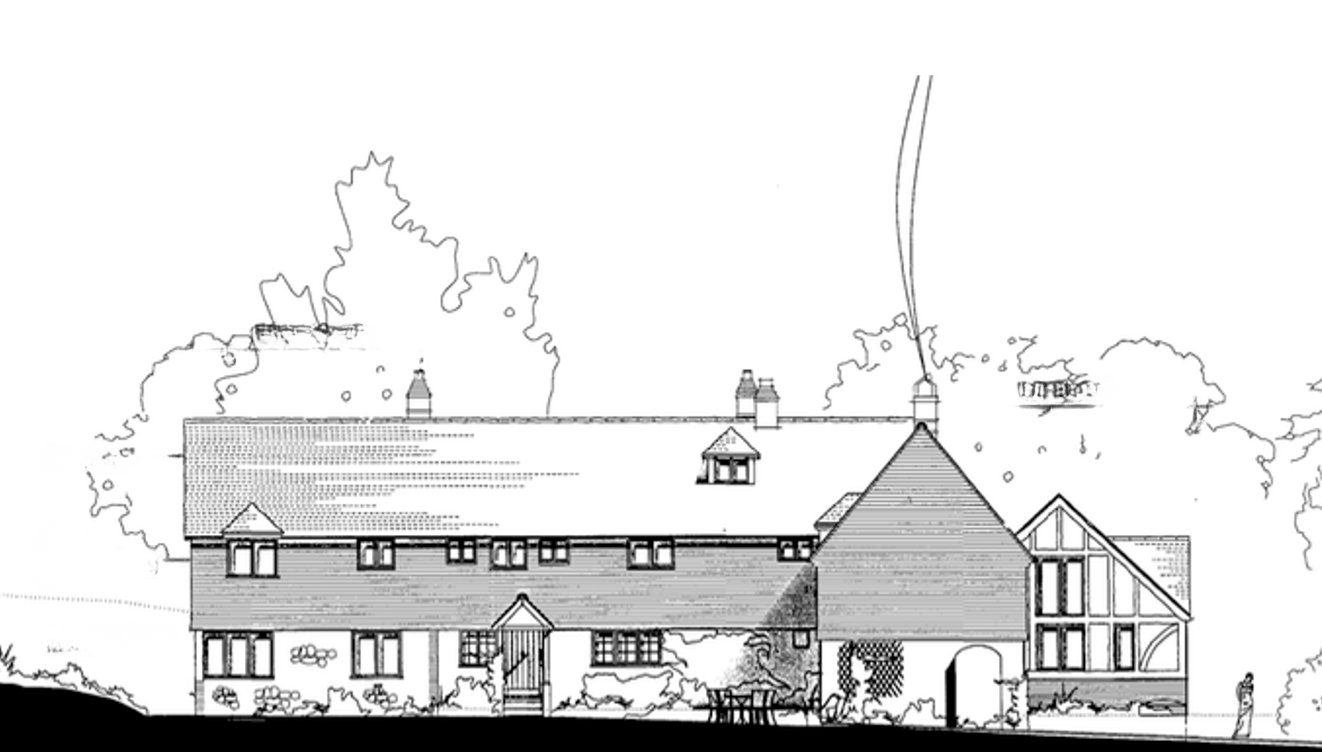
Drawing of an old house
By Helen McClure • August 24, 2026
Discover the hidden history of Old Birtley, a Grade II listed Surrey house shaped by Tudor builders, working families and a Titanic connection.
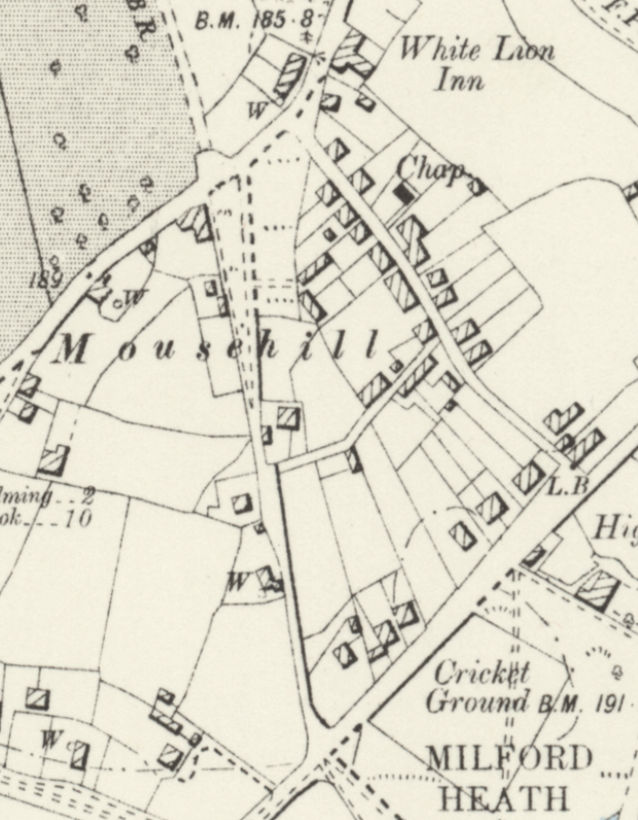
Early 20th-century map of Moushill, Surrey
By Helen McClure • August 13, 2026
Discover the fascinating history of the White Lion in Moushill, Surrey, a 16th-century coaching inn linked to a notorious murder that inspired Dickens
By Helen McClure • August 13, 2026
Explore the remarkable history of Moushill Lane, from medieval manor and coaching route to a home for artists, engineers and influential figures.
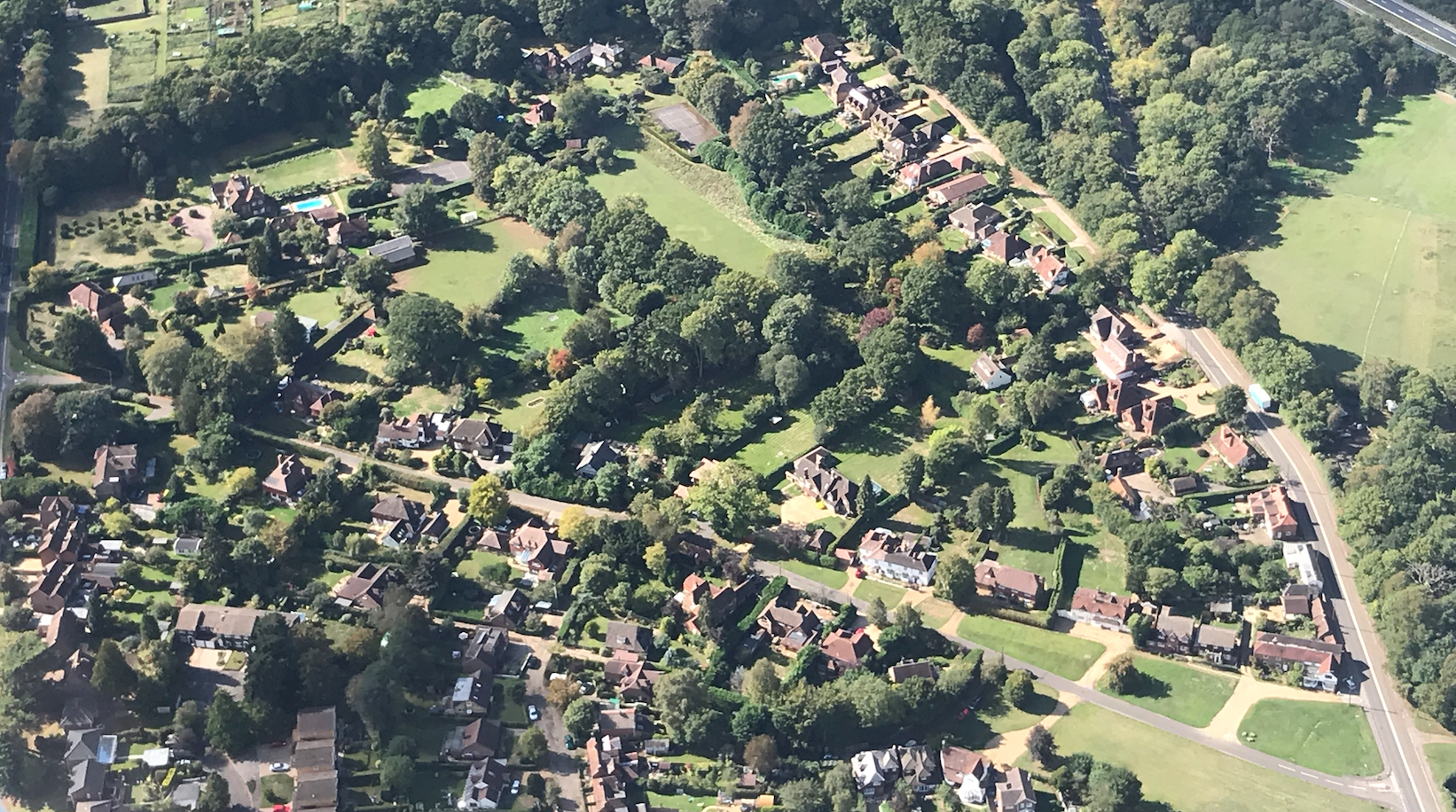
Moushill Lane
By Helen McClure • August 13, 2026
Discover the history of the Moushill Stores in Milford, from a Portsmouth Road stop off to part of Charles Burgess's pioneering grocery empire
By Helen McClure • July 31, 2026
Explore Littlecroft, Edwin Lutyens' overlooked Arts & Crafts house in Guildford, its maritime influences & why research inspires better restoration