The history of Forest Mere

A house shaped by live, not just by design

There’s a tendency, when looking at older houses, to focus on what can be seen.

Perhaps you notice the symmetry of a façade. Or the woodwork details.


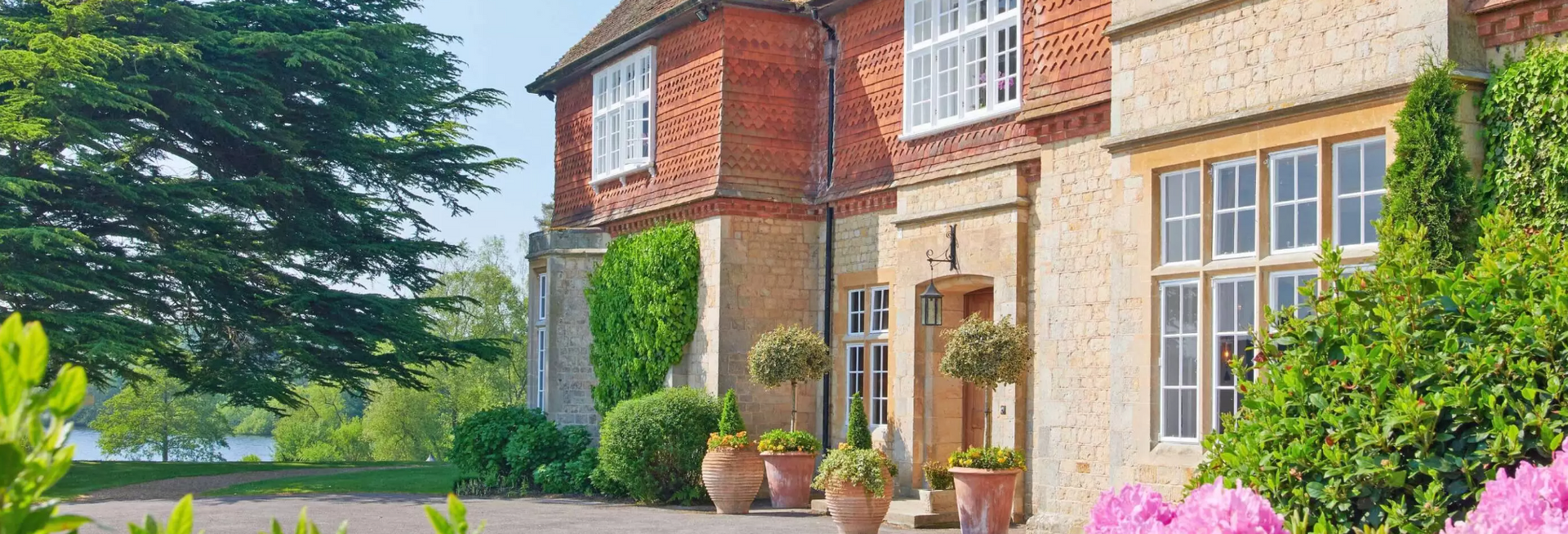
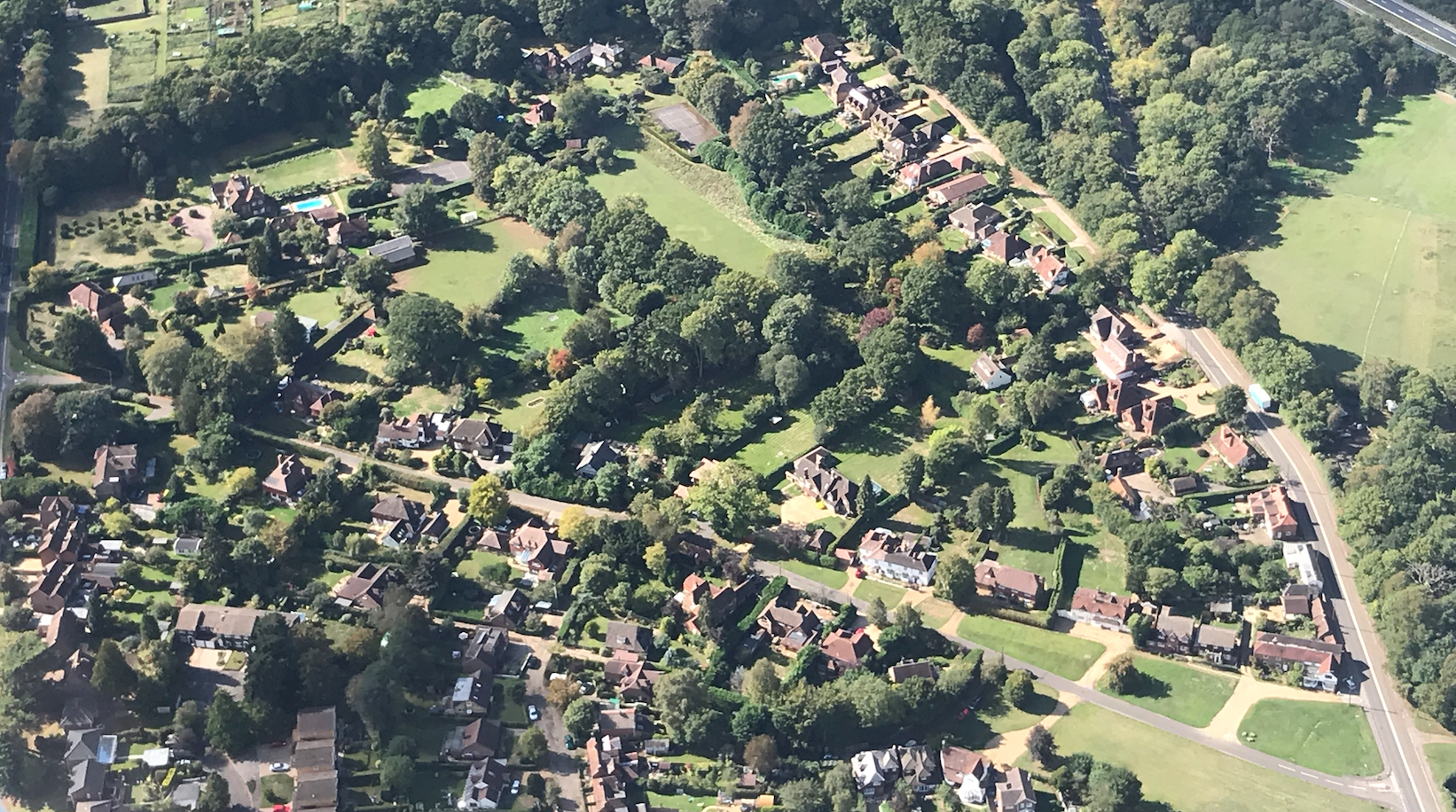
In this post, I’ll be looking at Forest Mere, near Liphook, now a Champneys Spa. Long before it was a substantial Victorian residence, the site formed part of the Royal Forest of Woolmer.


It began not as a statement home, but a functional hunting lodge and gamekeeper’s house.


Although rebuilt on a grander scale, what its origins tell us is this was a place shaped by landscape first, architecture second and most importantly its people. A working environment, tied to land management, movement and rural life rather than display or status.


A house built for status

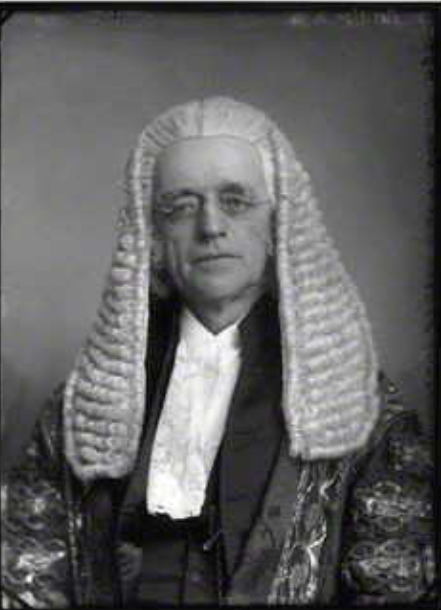
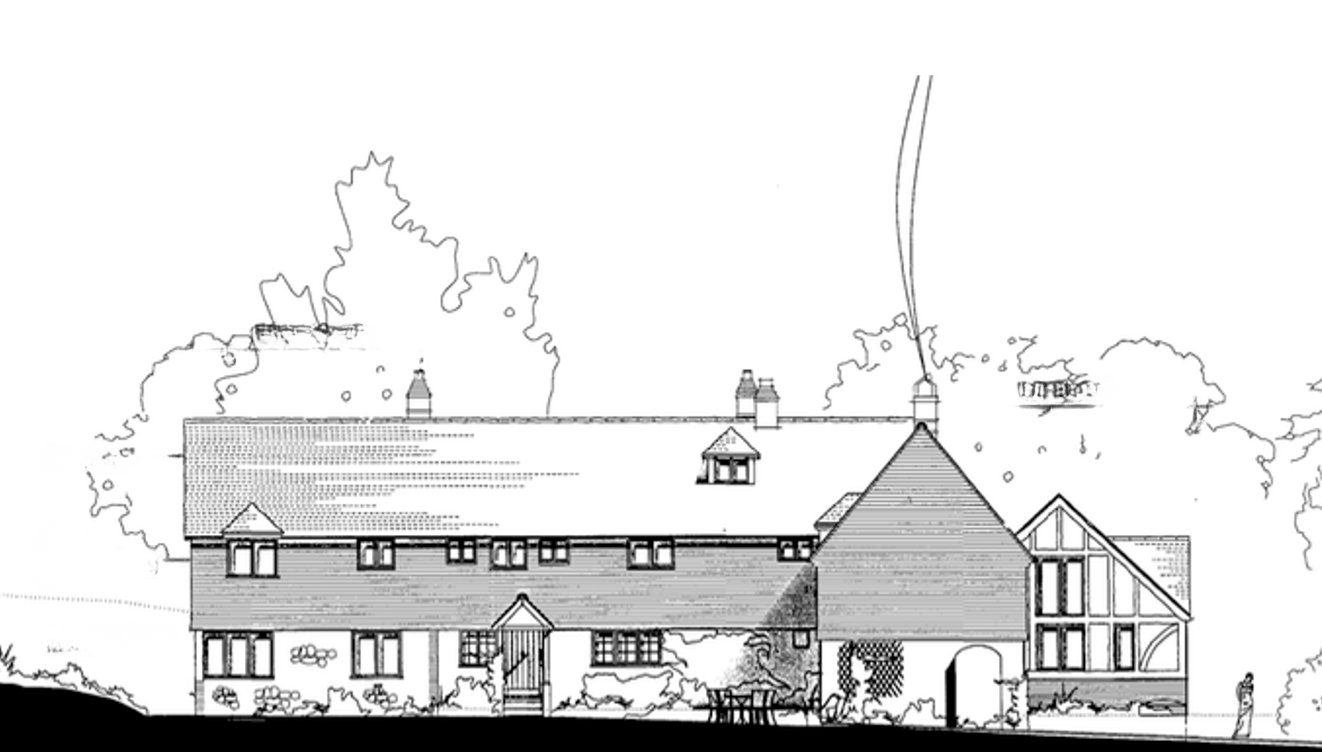
The Forest Mere we see today was built between 1881 and 1892 for Sir Henry Cotton, a man of considerable standing. 


Educated at Eton and Christ Church, Oxford, he rose through the legal profession to become a Lord Justice of Appeal, was knighted, and served as standing counsel to both the Bank of England and Oxford University. 


Forest Mere was not a modest country retreat. It was a house that reflected achievement, position and authority.


And yet, the timing of its occupation adds a layer of poignancy.


In 1891, Cotton lost his wife, Clemence. That same year, he moved to Forest Mere with three of his children and a household of seven servants. 


What might appear, architecturally, as a confident late-Victorian residence was, in reality, a place shaped by grief, transition and family life.


Cotton died just a year later, in 1892.


A house of women, influence and contradiction

If Cotton’s story gives the house its emotional grounding, its later residents give it cultural significance.


In 1894, Forest Mere became home to Charles Orman, a major in the Essex Regiment, and his wife, Blanche Lintorn-Orman. Blanche’s father was Field Marshal Sir John Lintorn Simmons, who was Governor of Malta between 1884 and 1888. This is the source of the family’s considerable wealth and social standing. When Sir Lintorn Simmons died in 1903, his estate passed to Blanche.


Blanche was pioneering in her own way. From this 31-roomed house, supported by 12 servants, she formed a Guide Company and became the first County Commissioner for Hampshire East. Forest Mere was no longer simply a private home. It was a place of activity and organisation.


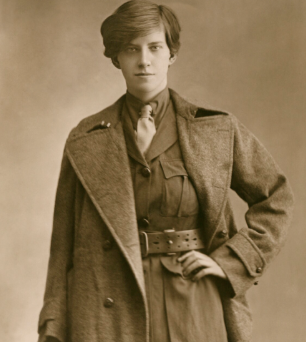
Her only child, Rotha, was brought up with the notion of service. Breaking from the chains that bound females in society, she tried to join the Scout movement, using only an initial rather than her first name so she didn’t give away the fact she was a female. She was among a group of girls who attended the Crystal Palace Scout Rally and directly appealed to Robert Baden-Powell to create an equivalent organisation for girls.


This moment in time, which helped shape what would become the Girl Guides, is part of the story of Forest Mere, shaped, not through its architecture, but through the ideas, ambition and energy of those who lived there.

But Rotha’s later life tells a very different story.


A decorated First World War ambulance driver, she later founded the British Fascists in 1923, the first organisation of its kind in Britain. Her life became increasingly troubled, marked by addiction and decline, and she died at just 40.


Forest Mere, during this period, holds both narratives at once:


Progressive female leadership.

And the emergence of more troubling political ideologies.


It is a reminder that houses, like people, rarely hold simple or singular histories.


War, recovery and reinvention

By the time of the First World War, Forest Mere sat within the orbit of Bramshott Camp, a major military training and hospital site.


The estate became part of a much wider wartime landscape, one that saw thousands of Canadian troops pass through, and many lives lost during the 1918 influenza outbreak.


Looking on quietly from the sidelines, was Sir Henry Cotton’s son Alfred Ernest Cotton, also a barrister. He had been living in a neighbouring four-roomed house on the estate. By the 1921 census, he had moved back into Forest Mere, which then had 26 rooms. He lived alone with a chauffeur, a housekeeper and a lady’s maid, although it’s unclear why he needed the latter! Despite the different residents, Forest Mere continued under the Cotton guardianship.

During the Second World War, the house took on yet another role. It was used by the Women’s Royal Naval Service (WRNS), and later as a convalescent home for Canadian soldiers.


Once again, the building adapted, not through architectural change, but through purpose.

From private home to military support space, it absorbed the needs of the moment.


From country house to health retreat

Like many large estates, Forest Mere entered a new phase in the mid-20th century.


In the late 1950s, it was acquired by Kenneth Wood, of Kenwood food mixer fame, who transformed it into a health farm, an early precursor to the modern wellness industry.


The house evolved once again. It was sold to Savoy Hotels in the late 1970s, and then to the Purdew family, who created a Champneys spa in 1995.


Today, it is known, not for its private residents, but for rest, retreat and restoration.


Why this matters in design

When working with period properties, it’s easy to focus on preserving what can be seen.

But the deeper value lies in understanding what cannot.


The lives. The shifts in purpose. The emotional undercurrents that shaped how a house was used. Sometimes, the most compelling story lies not in the architecture at all.


Understanding who lived in your house, gives you some context. When you understand the context of the architecture, the setting and the people, you can start to create interiors that work with what you’ve got. When you design with that level of understanding, you’re not just restoring a building, you’re responding to its story. And you’re writing the next chapter.


Add your own personality into the mix, and you’ll create rooms that really connect with the building.


Want to know who lived in your home?

If you own a house built before the Second World War, you might be interested in finding out about previous owners.


We conduct research to help uncover the stories held within your walls. Get in touch to find out more.


Get in touch
By Helen McClure May 7, 2026
Discover how to style your home using light to attract buyers. Expert interior design advice for selling properties in Surrey and beyond.
By Helen McClure April 24, 2026
Discover the true value of professional interior design. Thoughtful, strategic design for period properties that enhances how your home looks and feels.
By Helen McClure April 13, 2026
Investigating CFA Voysey's design for Priors Field School, Godalming, Surrey. Discover how thoughtful design enhances learning, wellbeing and heritage spaces.
Reflection in a black-framed mirror of a wall light on a blue wall.
By Helen McClure April 10, 2026
An interior designer’s guide to using colour with confidence. Learn how to balance light, mood and architecture for a timeless, considered interior.
Colourful paint charts
By Helen McClure March 13, 2026
Why paint type matters in heritage homes: breathability, damp, VOCs and eco choices. Protect your walls, your health and the planet.
By Helen McClure March 11, 2026
How to choose soft furnishings for a layered interior. Expert advice on fabrics, curtains and window treatments. Free guide available.
Killerton House exterior
By Helen McClure February 20, 2026
A "temporary" 1778 house that became a family legacy. Discover Killerton's story, radical inheritence and why it remains one of Devon's most captivating houses.
Wallpaper designs
By Helen McClure February 18, 2026
Uncover wallpaper’s rich history from ancient art to Victorian poison, revealing how wallcoverings shaped style, culture & interiors through the ages.
A Tudor building: No. 3 Church Street, Godalming
By Helen McClure February 6, 2026
Tudor townhouse No. 3 Church Street in Godalming reveals 16th-century life and apotropaic marks scratched into timbers to ward off evil spirits
Craved marble and beautiful craftsmanship
By Helen McClure February 2, 2026
Insights on why understanding and respecting heritage properties leads to informed, sensitive interior design that honours history and improves outcomes.