Why Soft Furnishings Matter More Than You Think
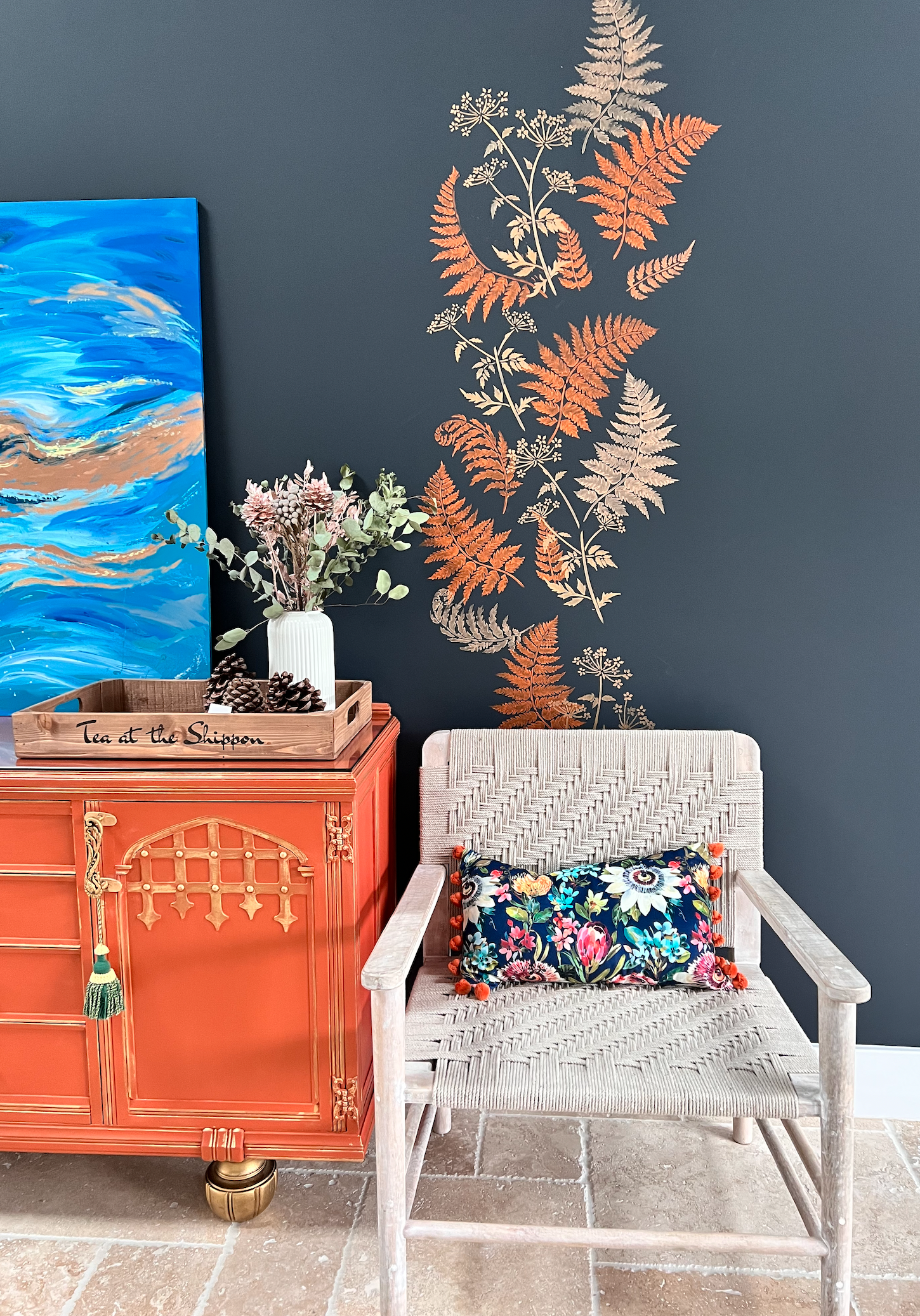
Soft furnishings are often treated as the finishing touch to a project, but in reality they are central to how a room feels.
They influence:
- Light control and privacy
- Acoustics and warmth
- Colour balance within a scheme
- How comfortable and inviting a room feels
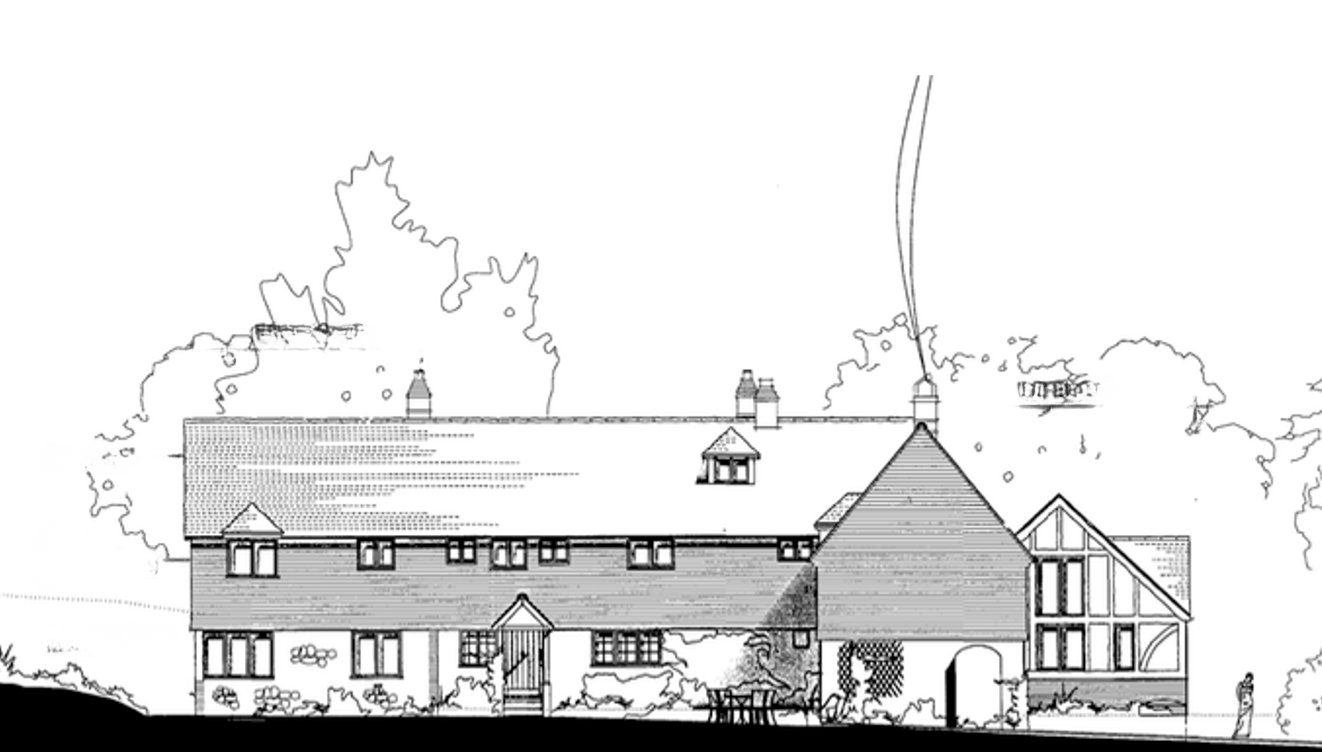
In period properties especially, textiles play a powerful role in softening architectural elements such as timber beams, stone floors and large sash windows.
Thoughtfully chosen fabrics also help connect the architecture of a property with the personality of the people living there.
Start With the Mood of the Room
Before looking at fabrics, I always encourage clients to think about the feeling they want the room to evoke.
For example:
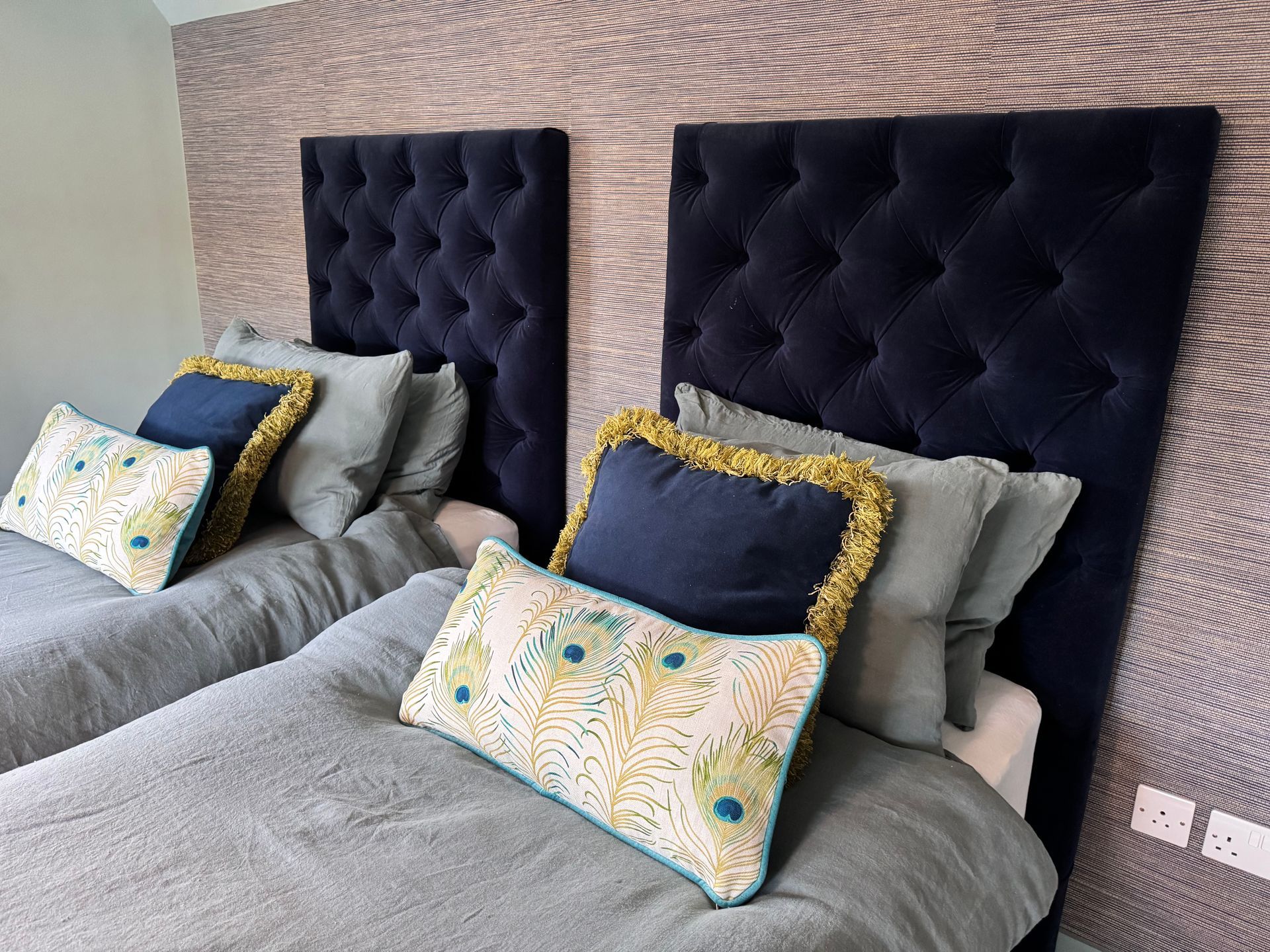
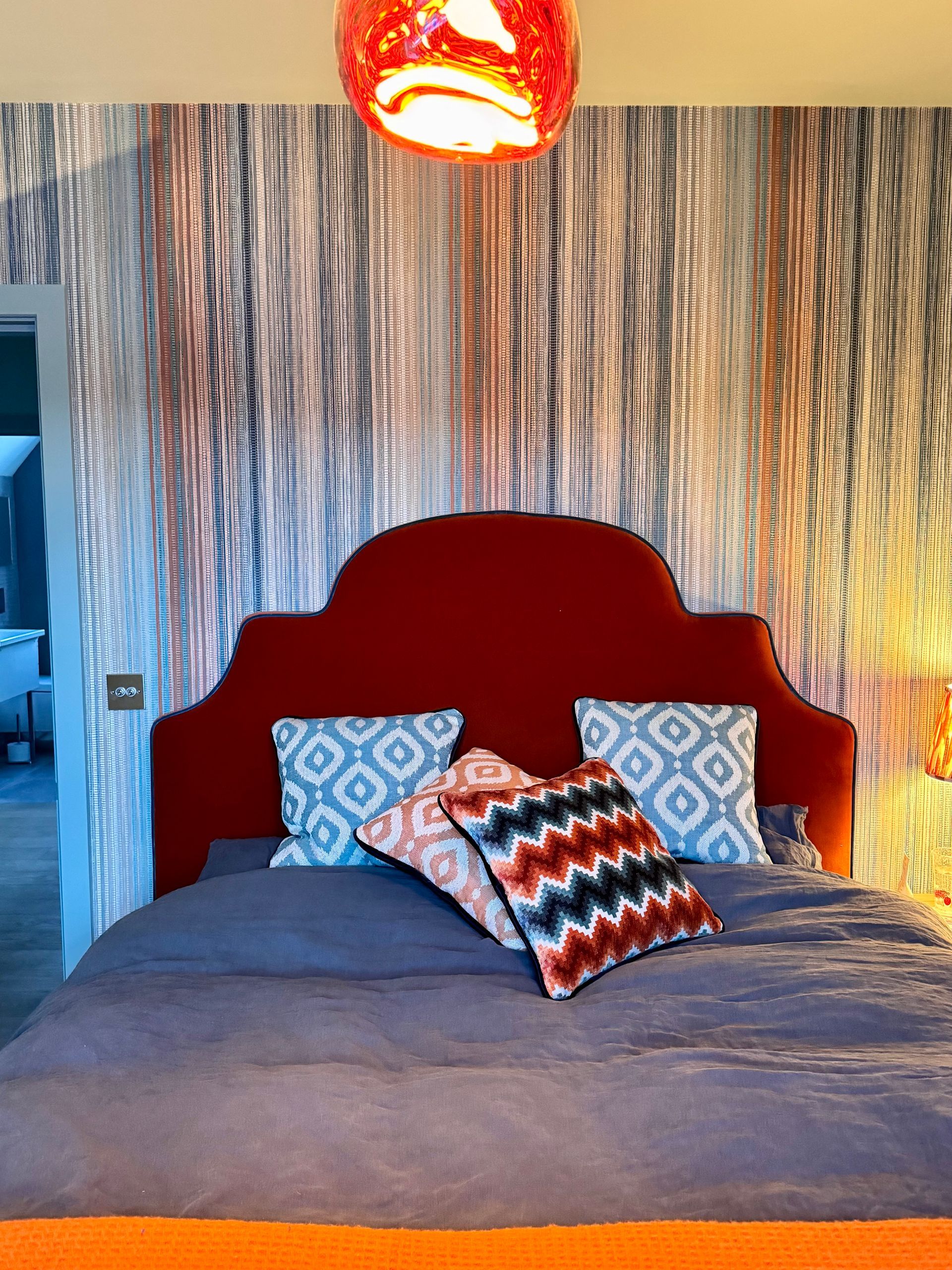
- A bedroom may call for calming tones, layered textures and gentle light filtering.
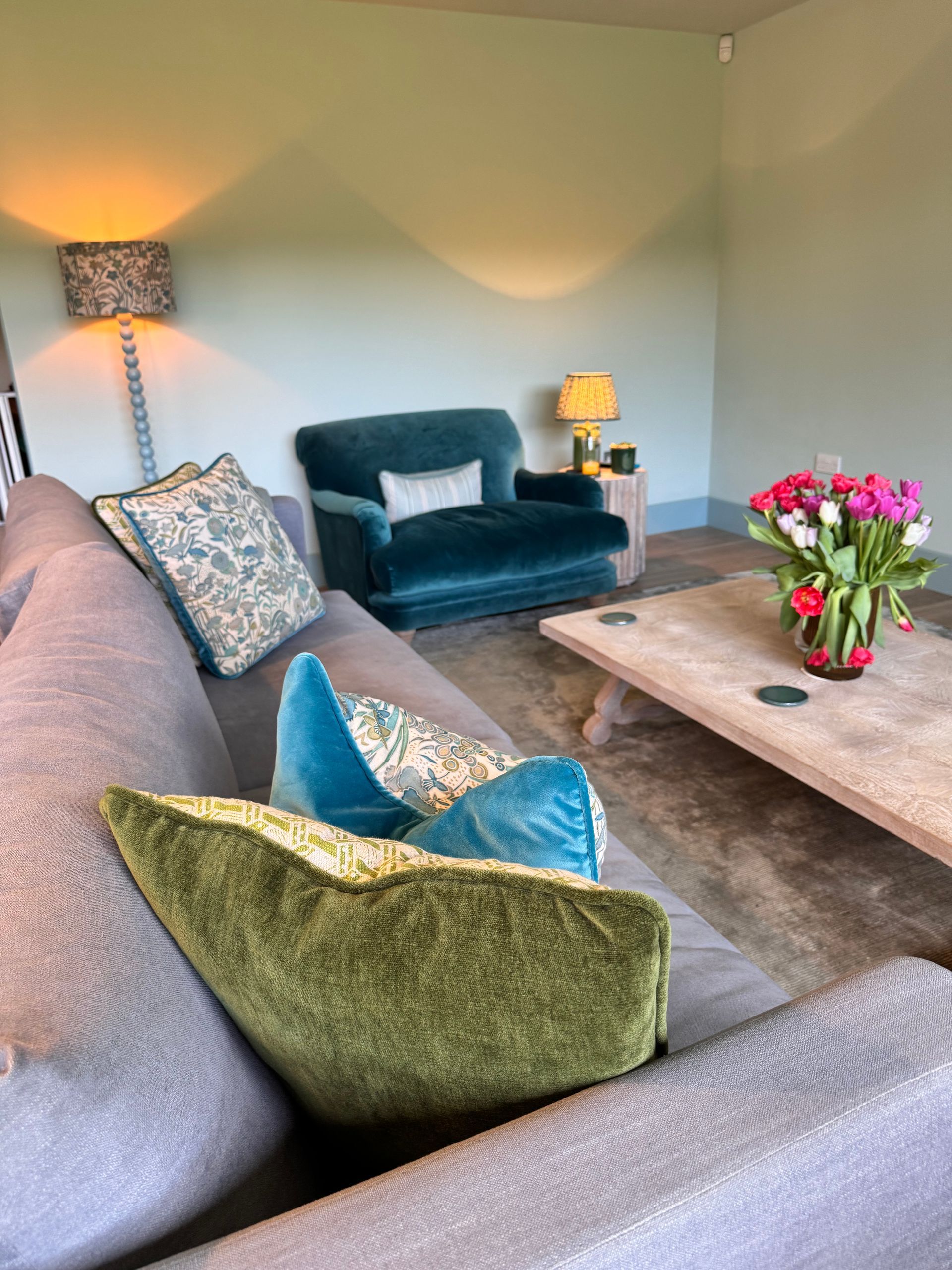
- A drawing room might benefit from richer colour, pattern and heavier drapery.
- A kitchen or family room often needs practical fabrics that still feel relaxed and welcoming.
Once the emotional tone is clear, the fabric choices become far easier.
Pattern, Texture and Scale
A well-designed room rarely relies on just one fabric. Instead, a successful scheme layers:
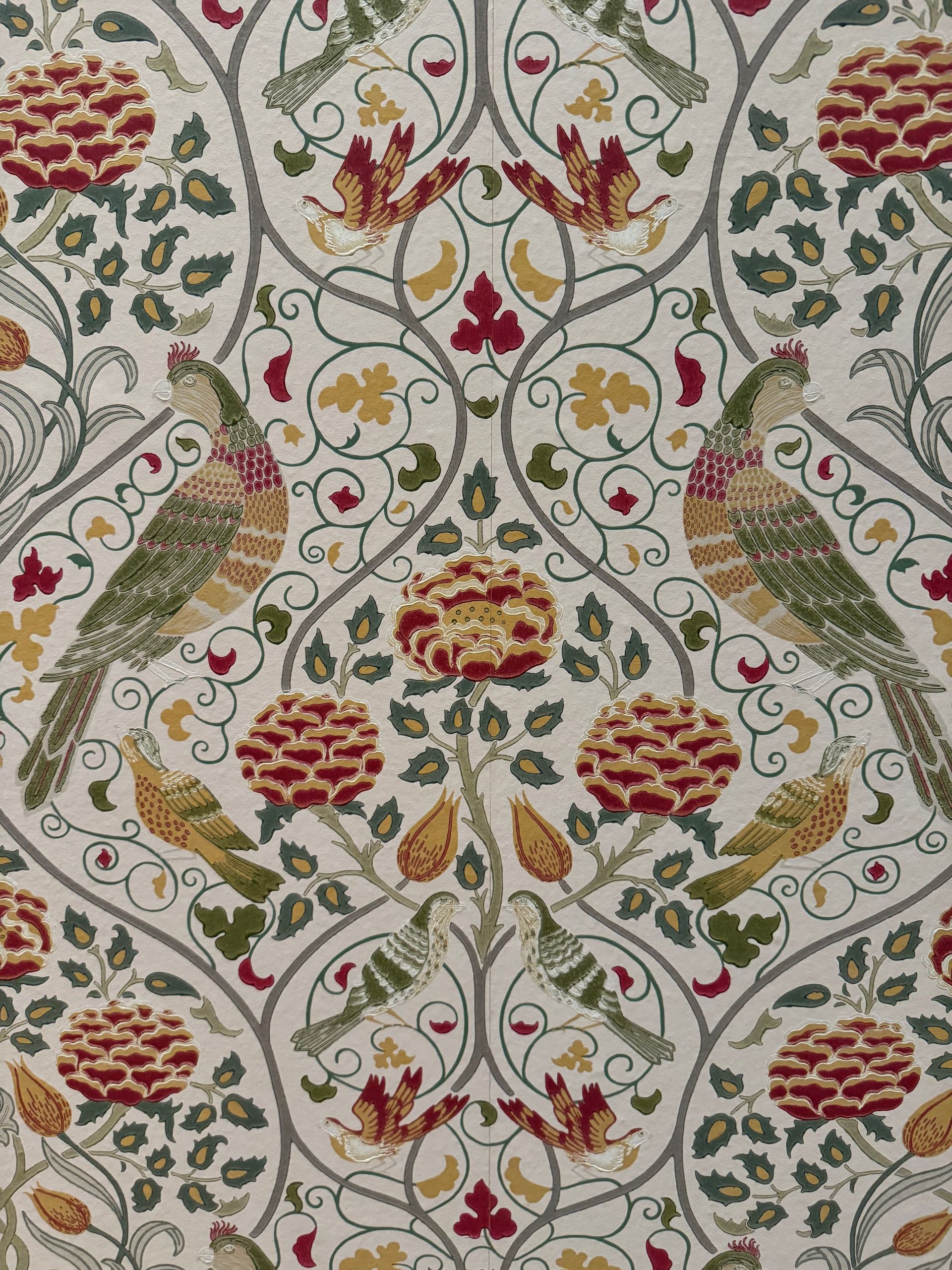
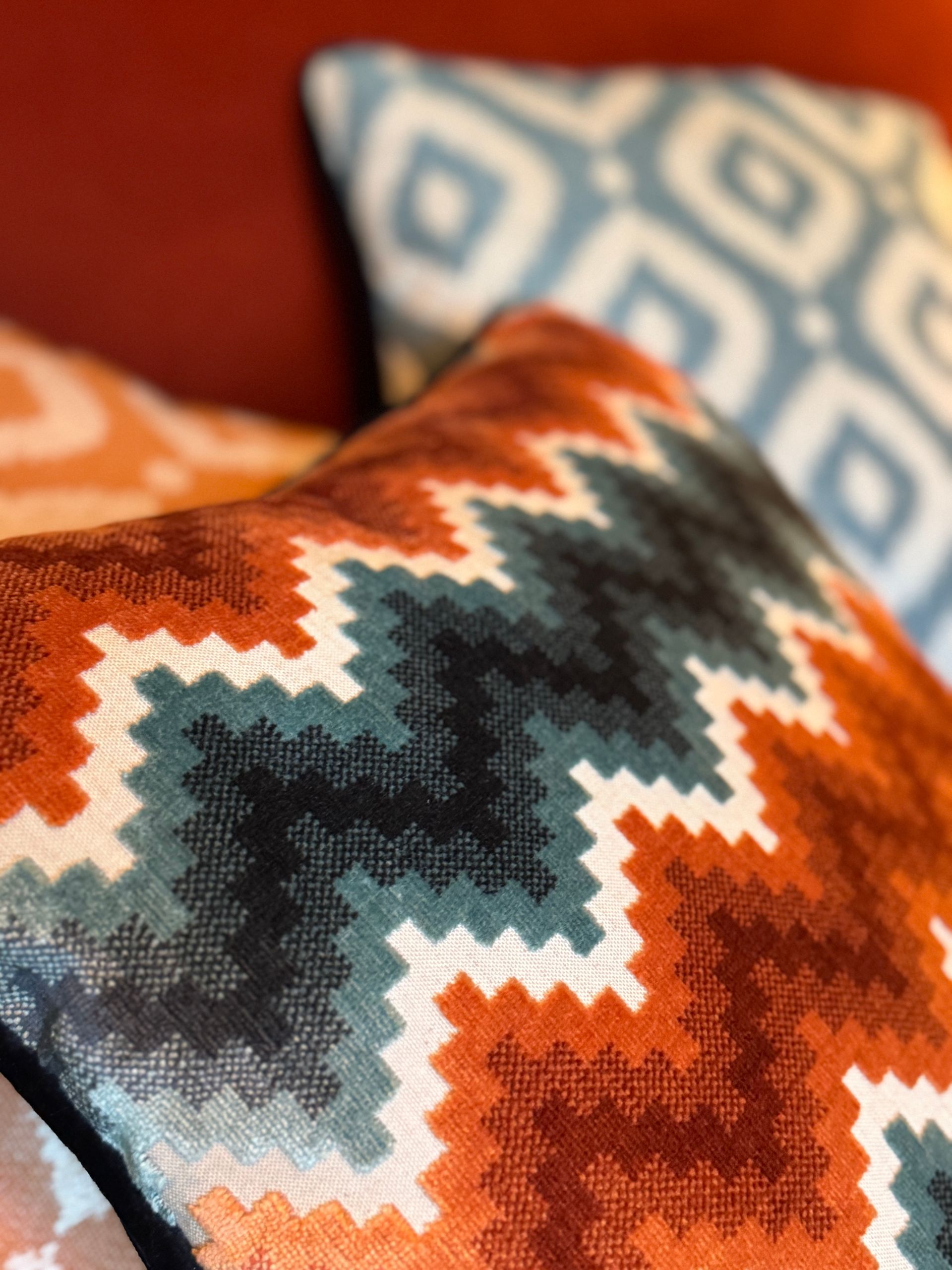
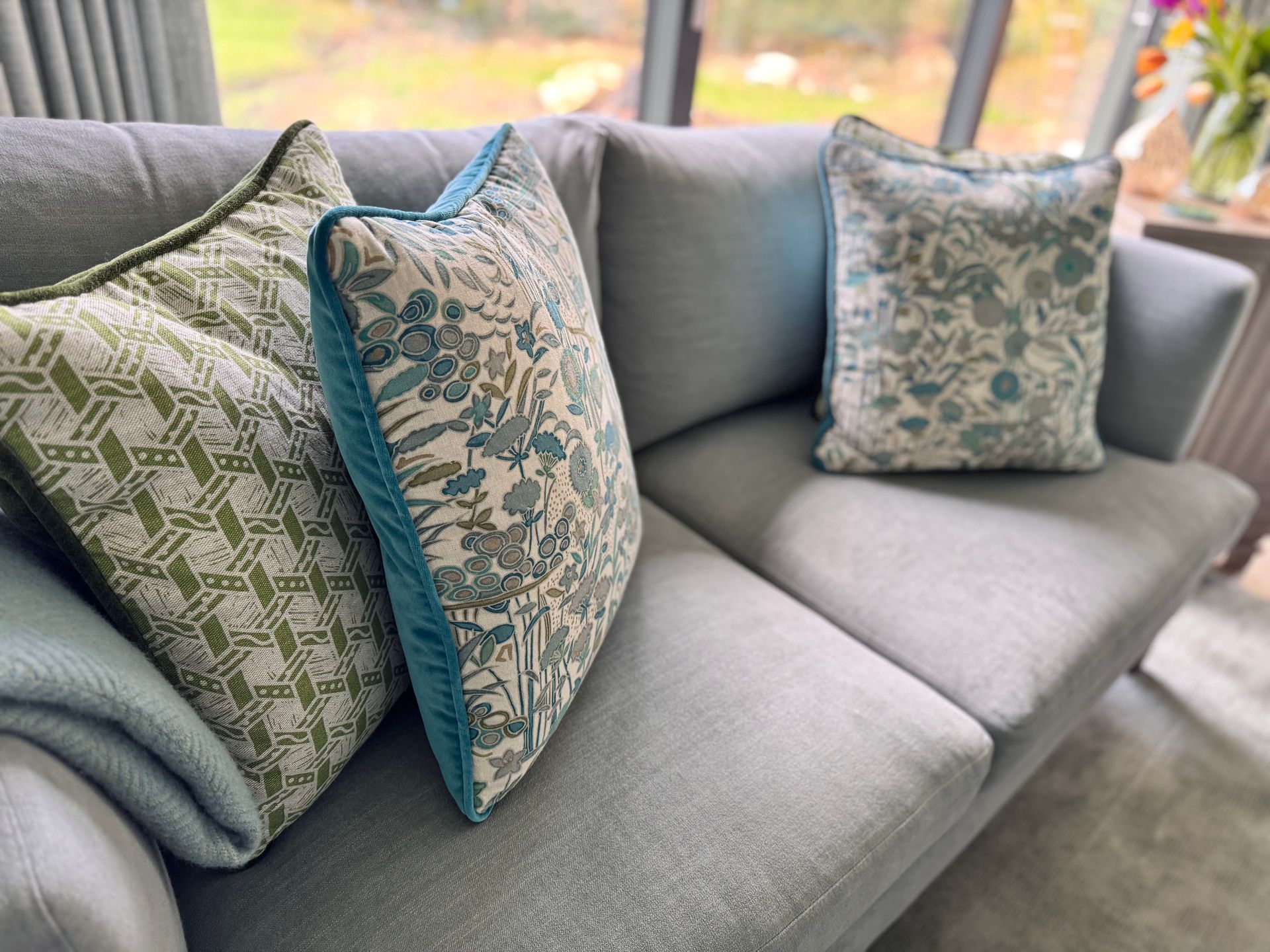
- Patterned textiles
- Plain or textured fabrics
- Different material weights
Balancing scale is particularly important.
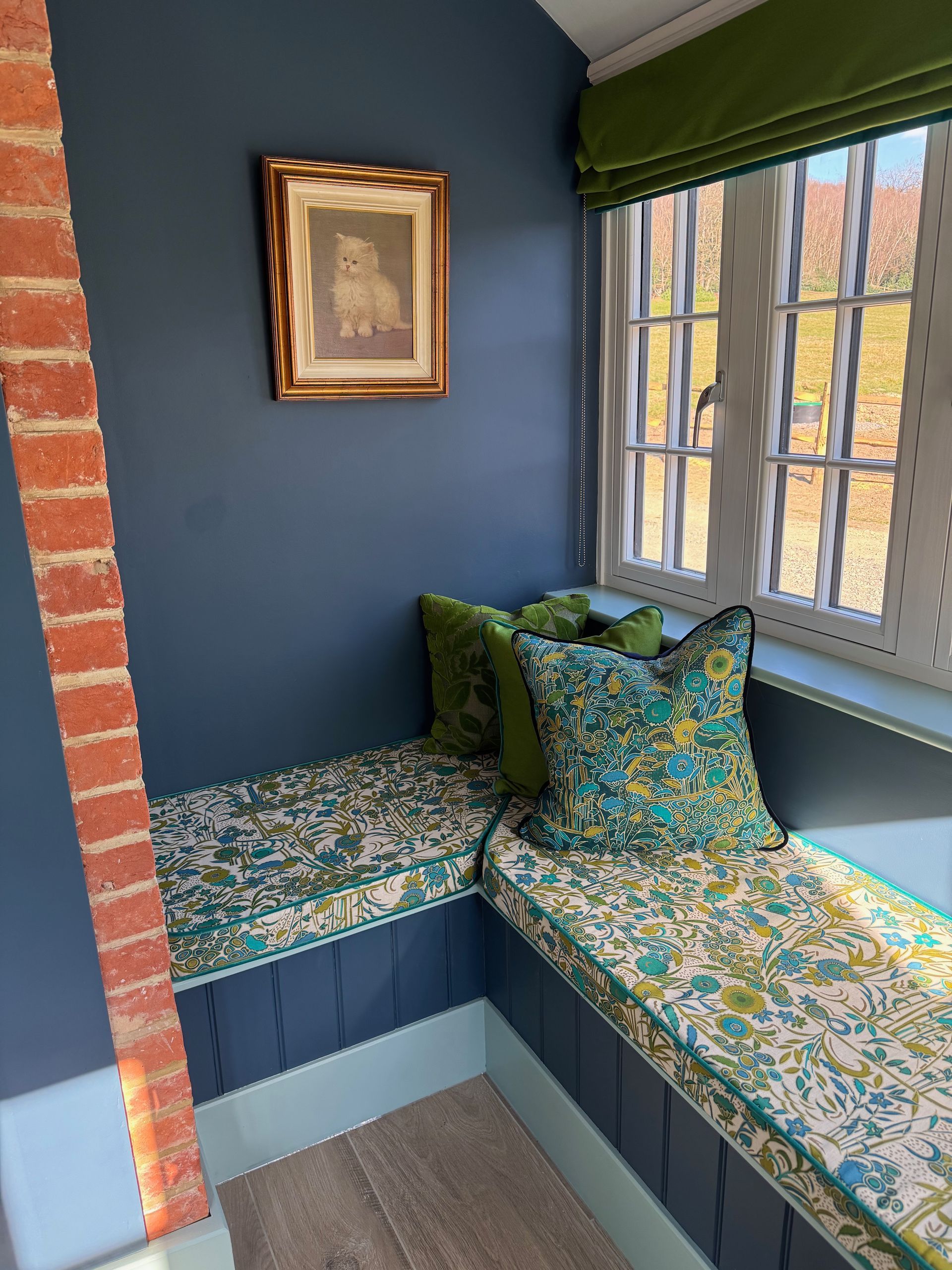
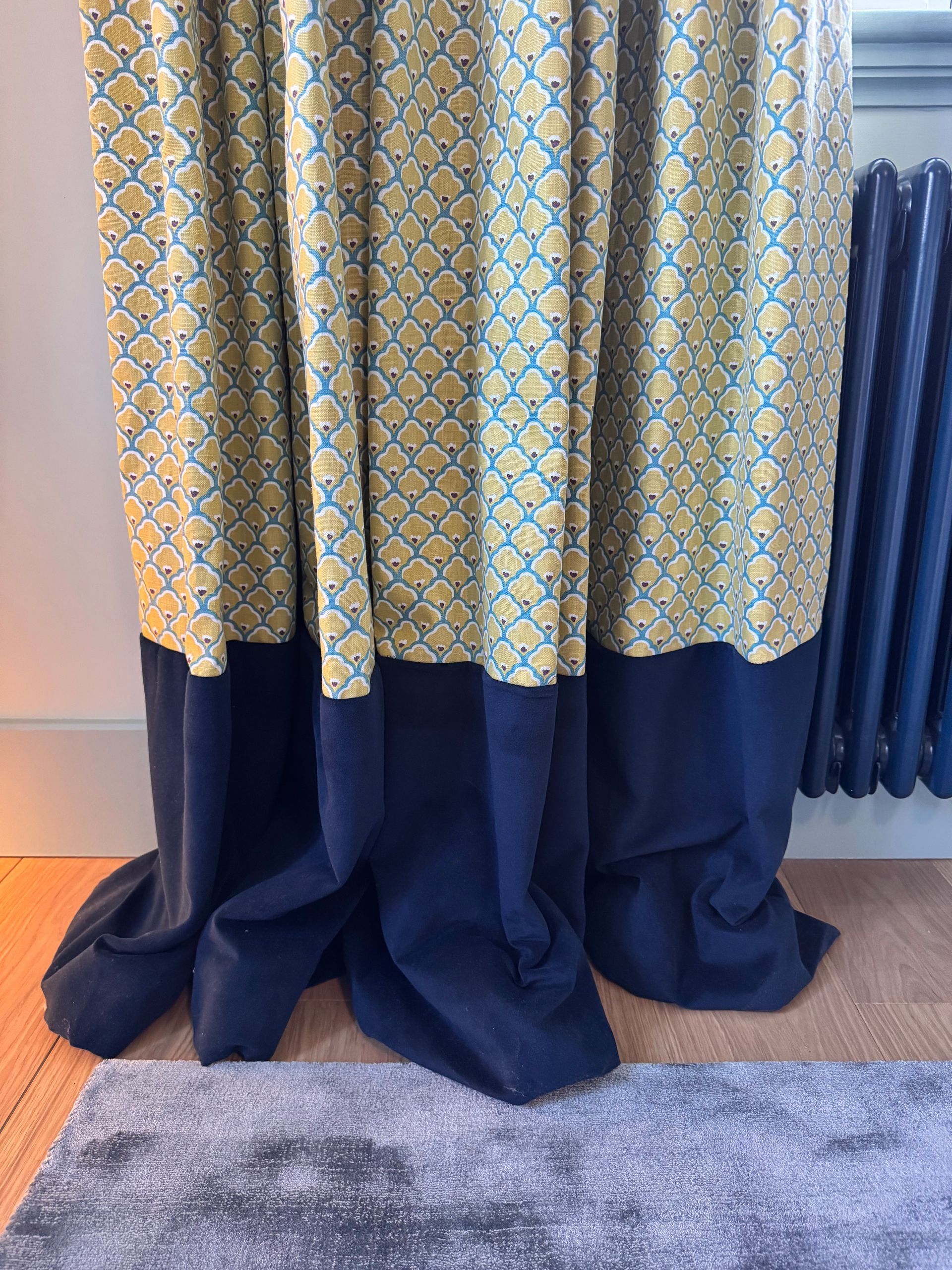
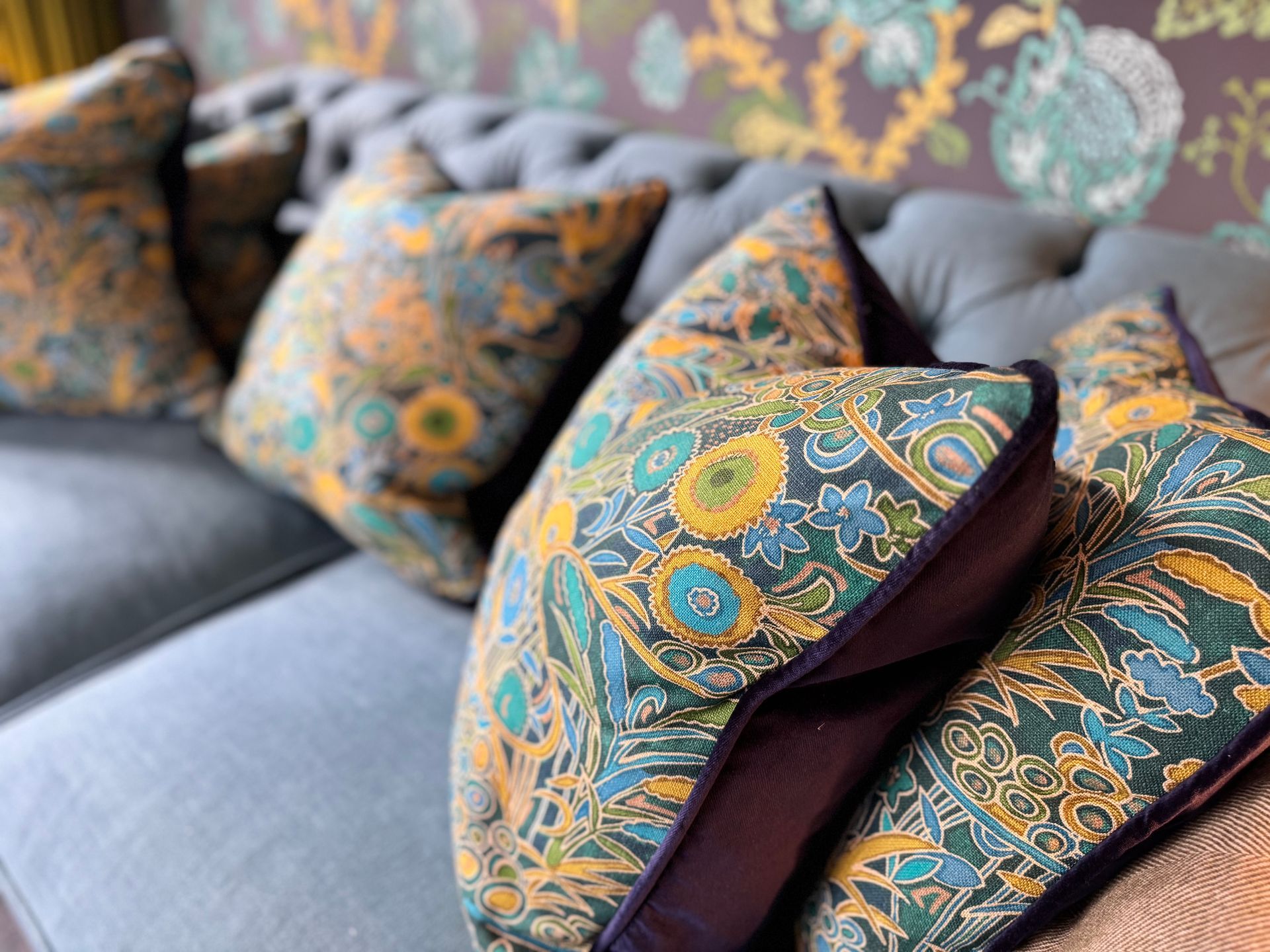
A large botanical print on curtains, for example, might be paired with smaller-scale patterns on cushions and a subtle woven texture on upholstery. This creates interest without overwhelming the room.
The Importance of Window Treatments
Windows are often the architectural focal point of a room.
Choosing the right treatment can dramatically change how the space feels. Options might include:
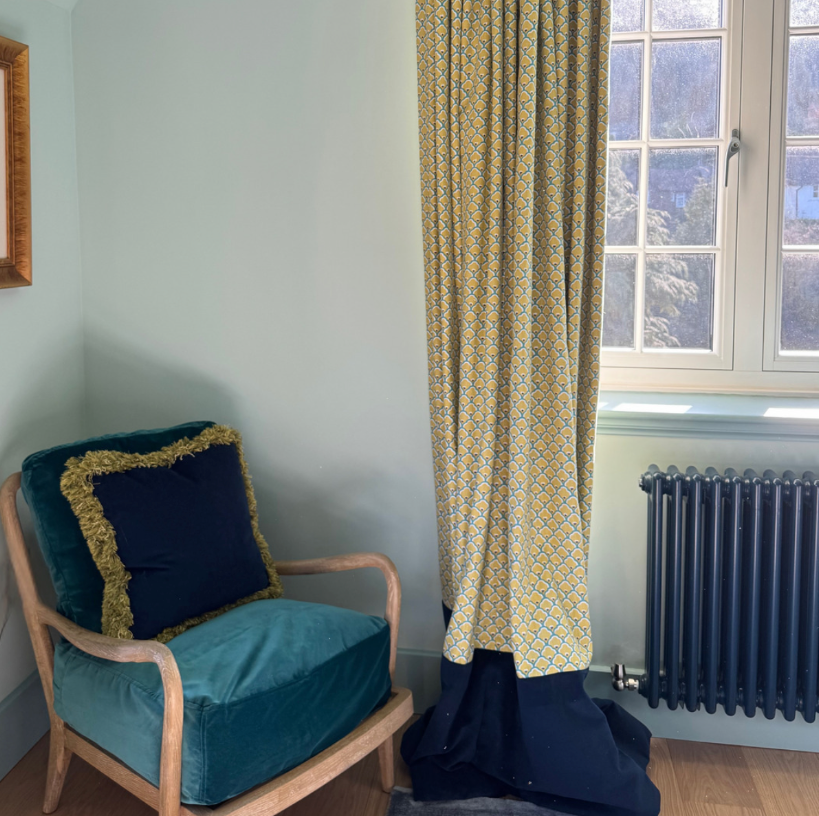
- Full-length curtains for softness and elegance
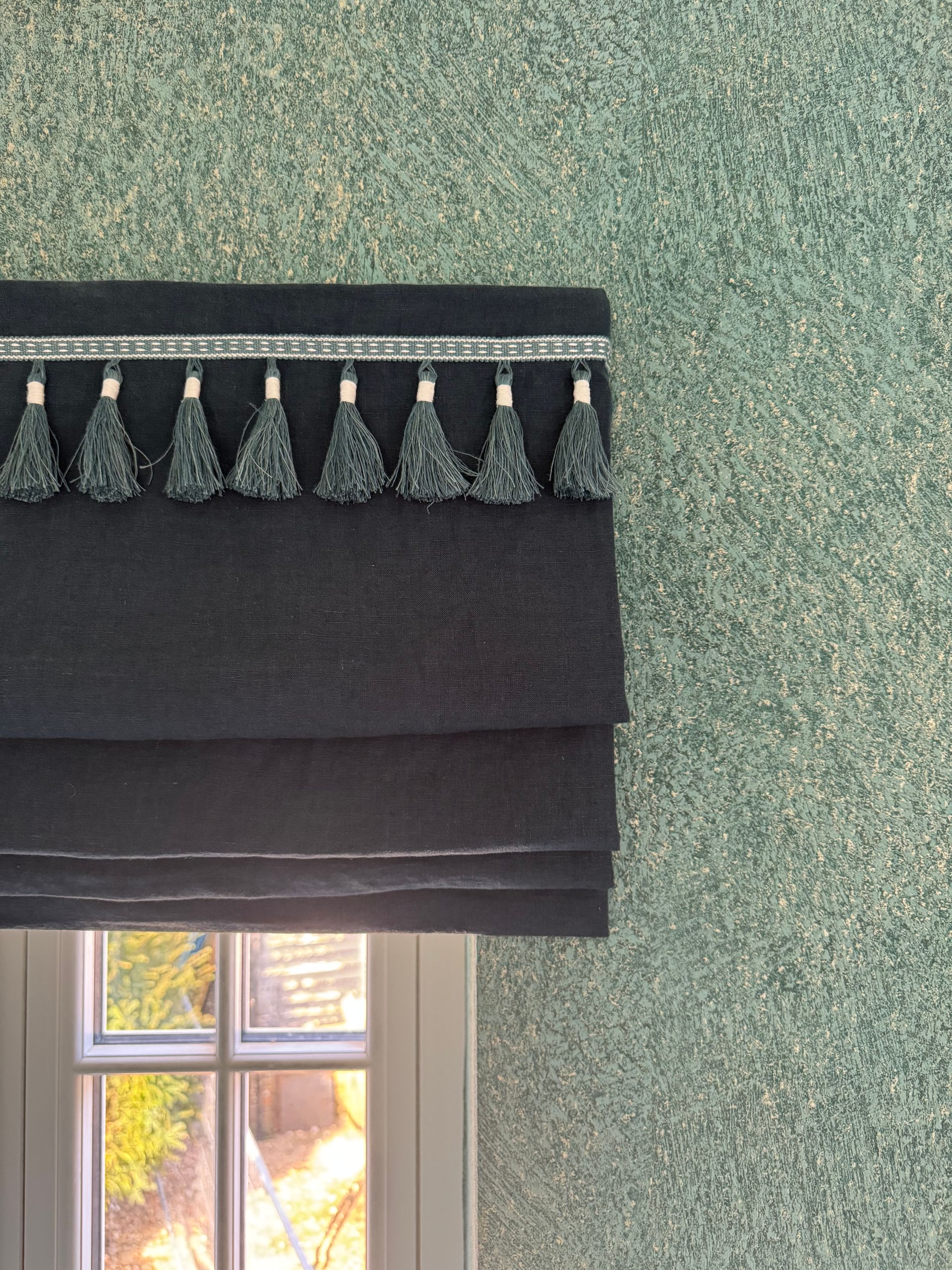
- Roman blinds for a tailored look
- Layered curtains and blinds for flexibility
Working with specialists can make this process far easier. Our partnership with Closs & Hamblin, who have been advising homeowners on fabrics and window dressings since 1933, means we can offer interior design expertise and heritage craftsmanship. Between us, we bring decades of experience in bespoke soft furnishings, colour and design detail.
Practical Details That Make a Difference
Beautiful soft furnishings also need to work in everyday life.
Small details that can make a big difference include:
- Choosing the right curtain lining for insulation and light control
- Considering durability for family spaces
- Selecting fabrics that age gracefully in older properties
- Ensuring proportions suit the room’s architecture
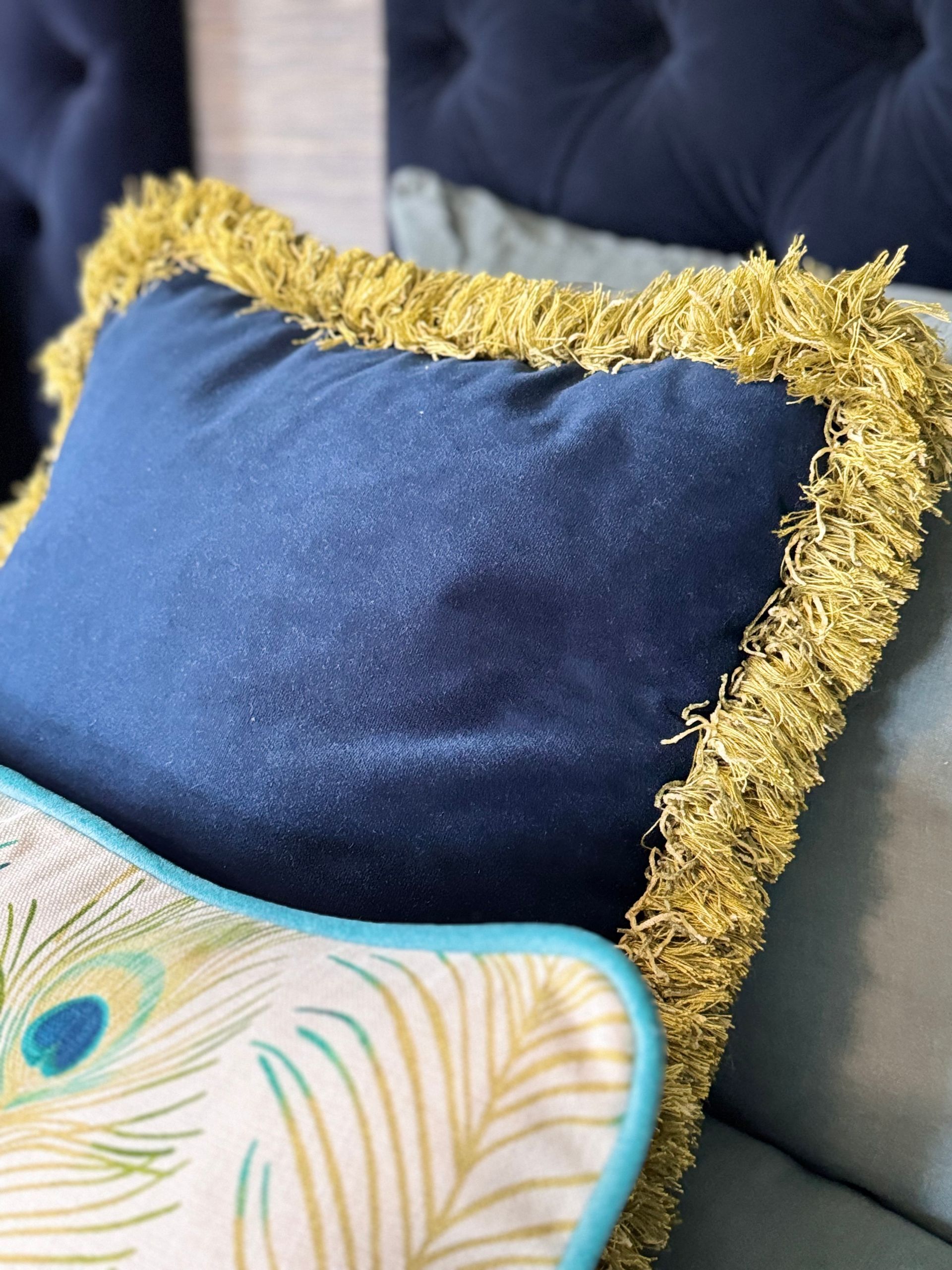
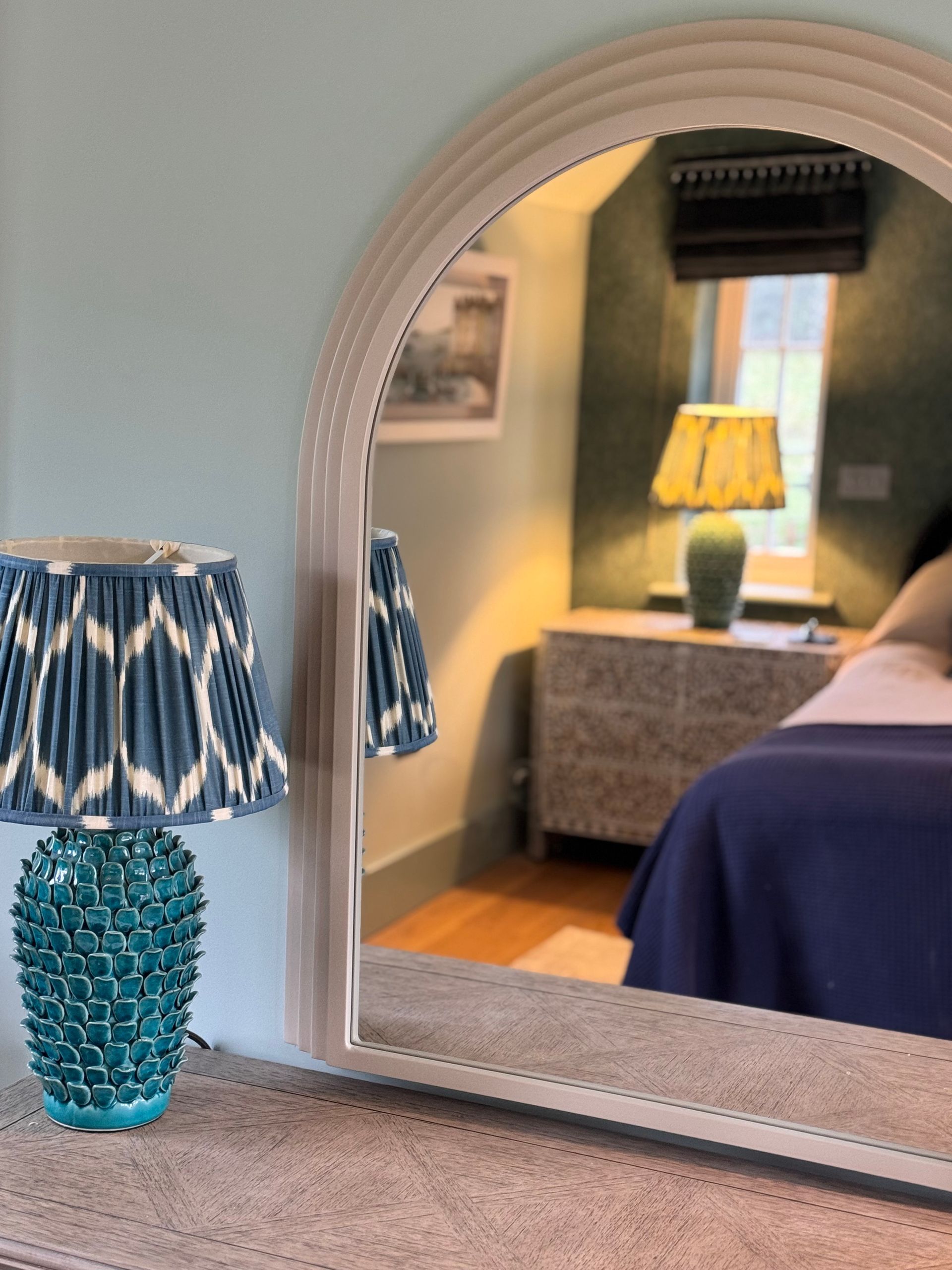
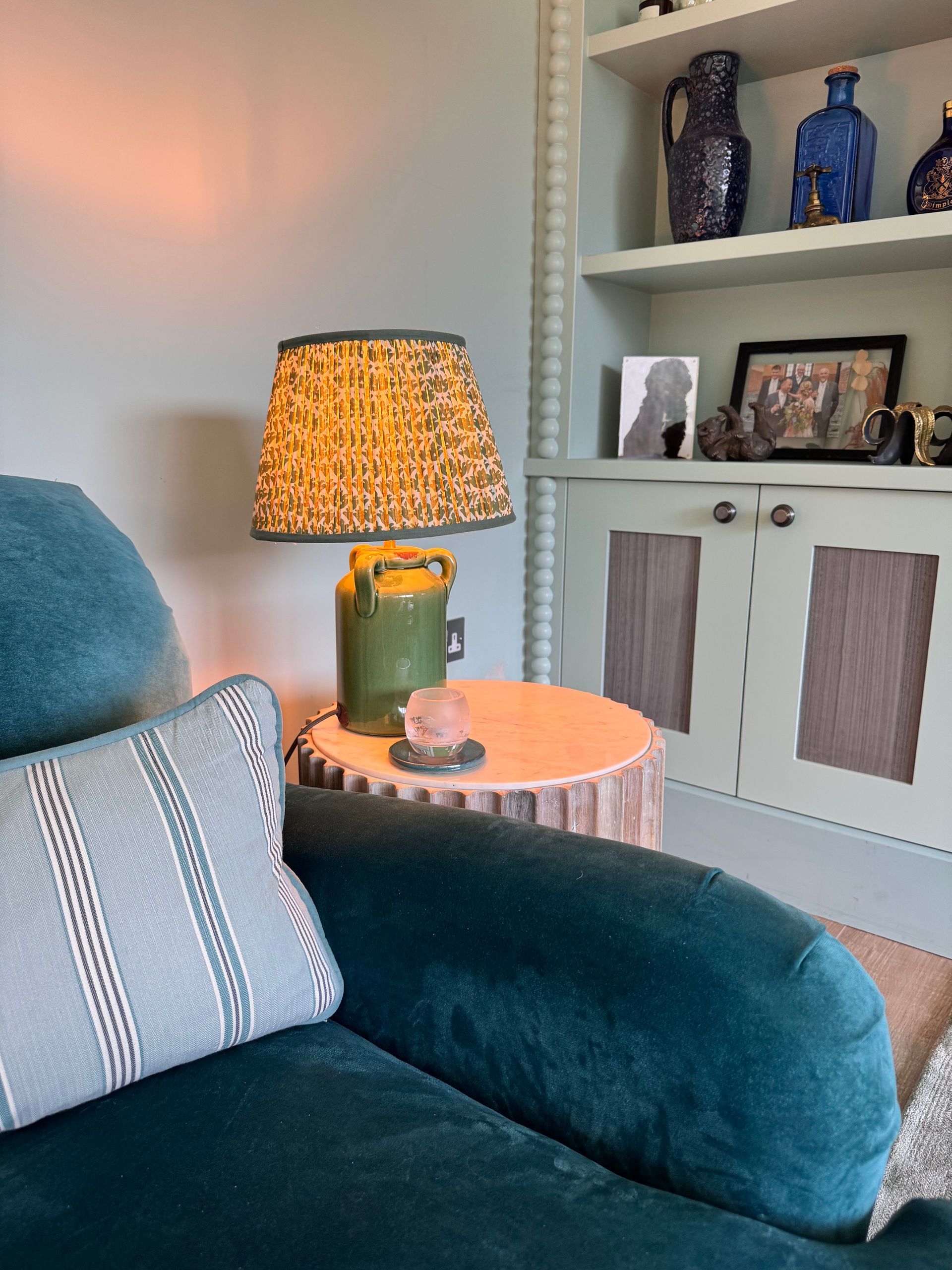
- Remember details such as cushions, seat pads, lampshades etc.
These are often the details that elevate a scheme from simply attractive to truly well-designed.
Download the Full Guide
To help homeowners navigate these decisions, we’ve created a comprehensive guide to choosing soft furnishings, developed in partnership with Closs & Hamblin.
Inside the guide you’ll find:
- How to choose the right fabrics for different rooms
- Tips for mixing pattern and texture
- Guidance on curtains, blinds and window treatments
- Practical considerations for heritage properties
The full guide is available exclusively to readers of the
Design Digest.
Subscribe below to receive your copy and more thoughtful design insights for period homes.
Slide title
Write your caption here
Button
Slide title
Write your caption here
Button
Slide title
Write your caption here
Button
Slide title
Write your caption here
Button
Slide title
Write your caption here
Button
Slide title
Write your caption here
Button
Slide title
Write your caption here
Button
Slide title
Write your caption here
Button
Slide title
Write your caption here
Button
Slide title
Write your caption here
Button
Slide title
Write your caption here
Button
Slide title
Write your caption here
Button
Slide title
Write your caption here
Button