Getting the light right to attract the right buyer
Light does more than illuminate a space. It influences how large a room feels, how colours are perceived and how a buyer emotionally connects to your home. A well-lit property feels inviting, calm and easy to live in, exactly what buyers are searching for.
This is where thoughtful interior design goes beyond decoration. It becomes strategic. Here’s a few tips.
1. Maximise natural light - but do it intelligently
The instinct is often to let in as much light as possible.
But considered design looks more closely.
- Open curtains and blinds fully for viewings;
- Remove heavy or overly dark window treatments;
- Clean windows: it makes a visible difference;
- Be aware of how light changes throughout the day.
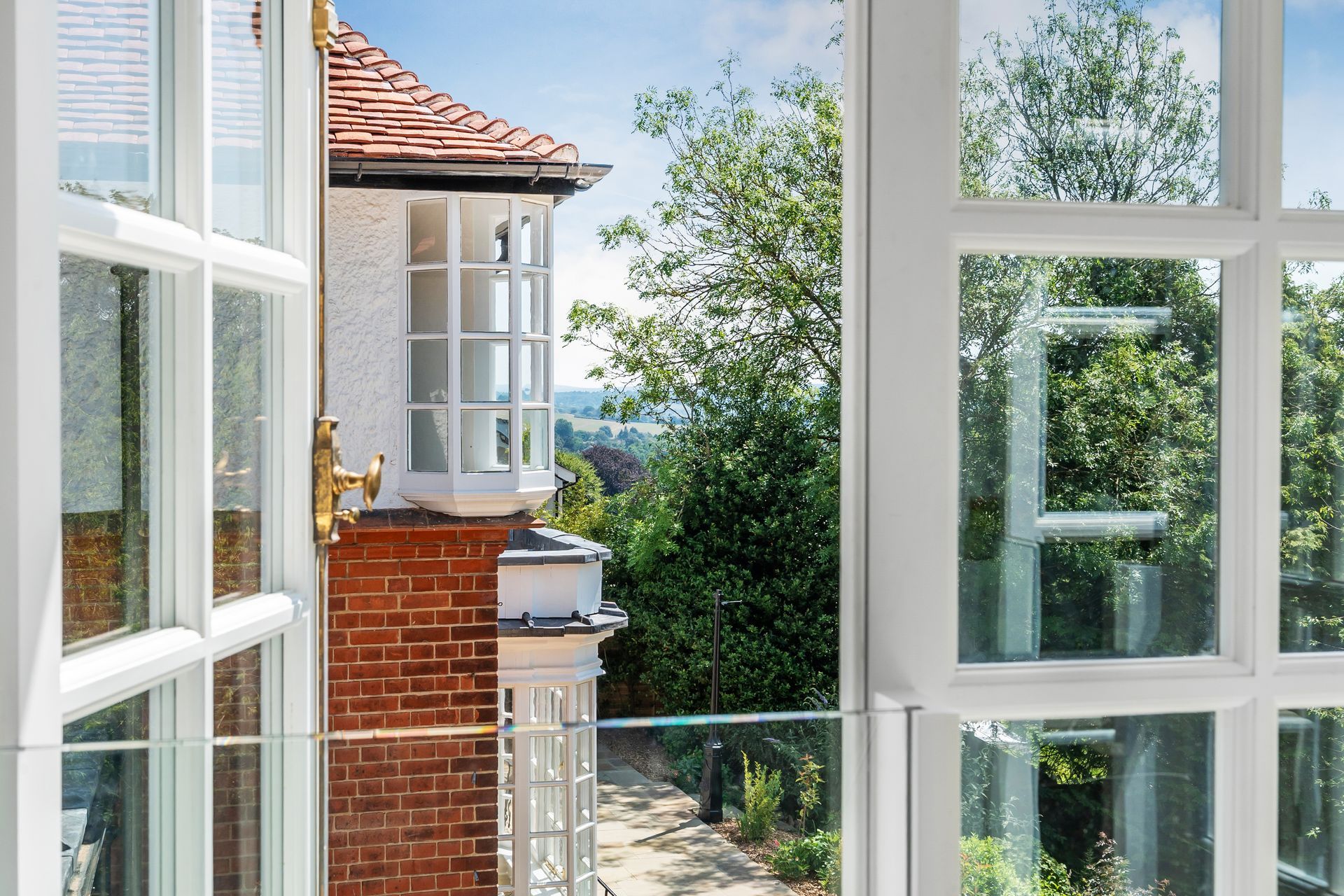
Natural light is one of the most desirable features for buyers.
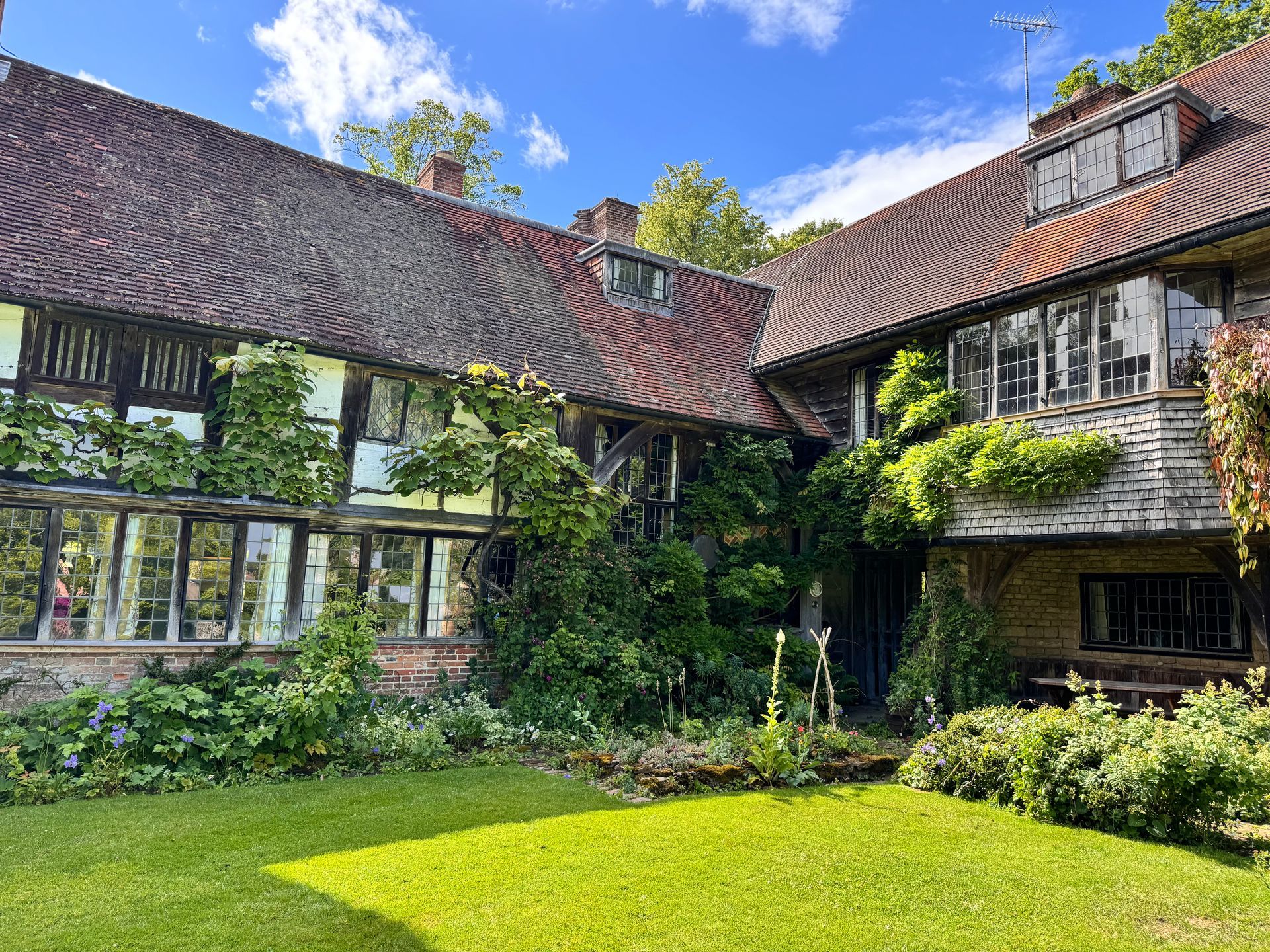
In period properties especially, this might mean working with the architecture rather than against it, by enhancing original window proportions rather than over-dressing them.
2. Layer your lighting like a designer
Relying on a single overhead light is one of the most common mistakes.
Professional interiors use layered lighting, a combination of:
- Ambient lighting (ceiling lights, pendants);
- Task lighting (reading lamps, kitchen lighting);
- Accent lighting (wall lights, picture lights, architectural highlights).
This creates depth, warmth and a sense of atmosphere, all of which help buyers imagine living there.
3. Use light to tell the story of the property
Every home has features worth highlighting, particularly period properties:
- Fireplaces;
- Alcoves;
- Original beams;
- Architectural detailing.
Lighting should draw the eye to these elements.
Done well, it reinforces the narrative of the home, something today’s buyers are actively drawn to, particularly properties with character and authenticity.
This is not staging. It’s storytelling.
You can now buy a range of products that are wireless, and can be packed up when you move.
4. Choose the right tone of light
Not all light is equal.
Cool, harsh lighting can make a space feel clinical and uninviting. Warm lighting creates comfort, softness and emotional connection.
For most homes aim for:
- Warm white bulbs;
- Soft, diffused light in living spaces and bedrooms;
- Brighter, cleaner light in kitchens and bathrooms.
Buyers are not analysing your lighting choices, but they will react emotionally to how a house is presented.
5. Remove blocks to light
6. Think like a buyer not a homeowner
When preparing a home for sale, you are no longer designing for yourself. You are designing for perception.
This often means softening overly personal design choices or creating a neutral but characterful backdrop. The aim is to help a buyer to project their own life into the home. For most people visualising something it is a tricky exercise. You’re just trying to make it easier.
This is the essence of professional staging. You’re striving to present the property in a way that appeals to the widest possible audience while still retaining its identity.
Anyone can tidy a room or add a lamp.
But knowing where to place light, how to layer it, and what it should highlight is a more multi-faceted, trickier task.
If you’re preparing to bring your home to market and want to present it at its very best, I offer tailored consultations to help you:
- Refine how your home is perceived;
- Enhance light and spatial flow;
- Highlight the character buyers are looking for;
- Create a cohesive, considered interior that stands out.
Because selling a home isn’t just about putting it on the market.
It’s about positioning it thoughtfully, strategically and beautifully.