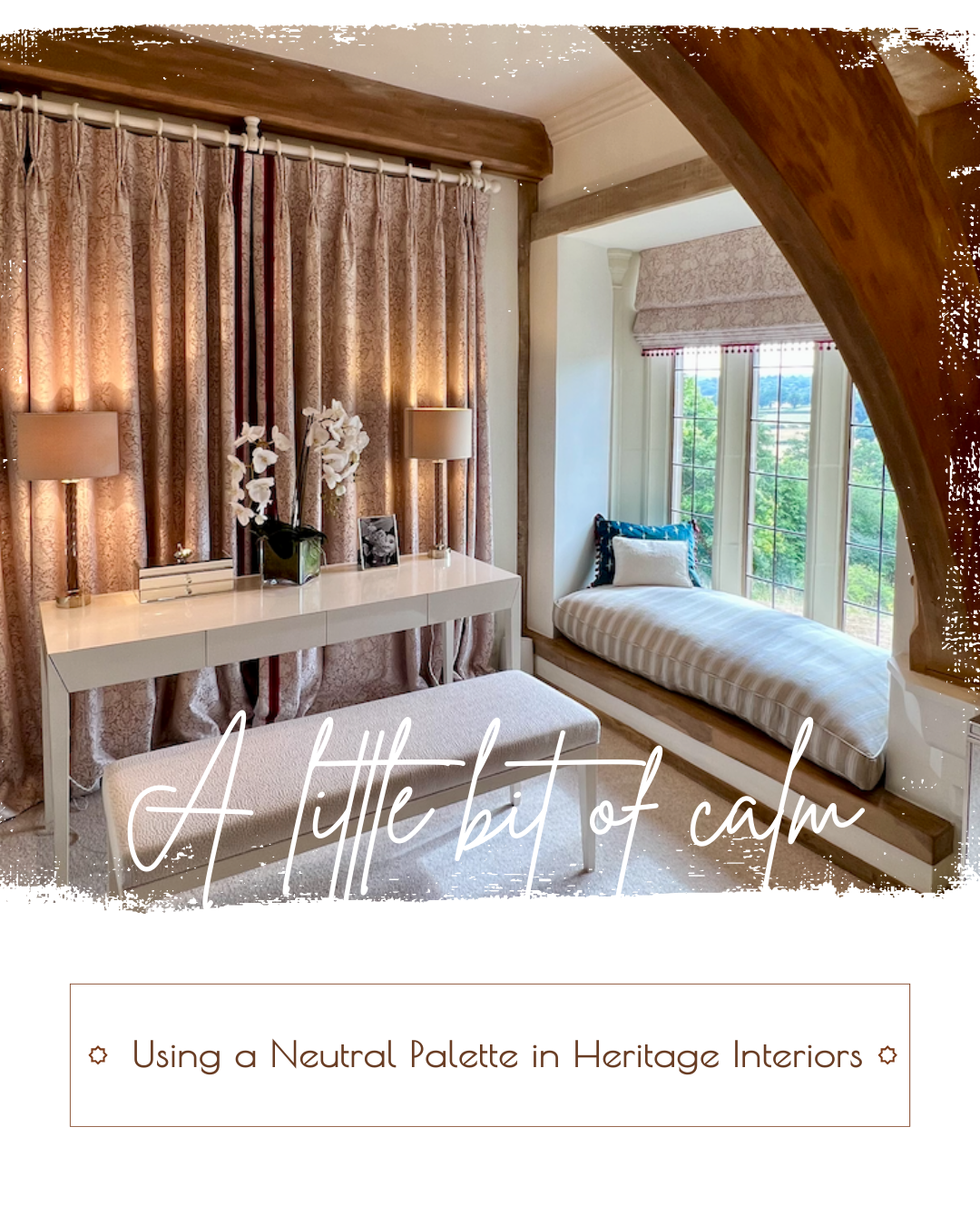
Using a Neutral Palette in Heritage Interiors

A Little Bit of Calm

Neutral palettes have long been a staple in period properties, offering an elegant backdrop that enhances the architectural charm of heritage interiors. Far from being bland or uninspired, a well-curated neutral scheme can highlight original features, create a timeless aesthetic and provide the perfect foundation for layering textures and accents. Here’s how to make the most of neutrals in your period home. 


One of the greatest strengths of neutral tones is their ability to draw attention to the craftsmanship of a period property. Soft greys, warm creams and muted stone shades can subtly frame intricate woodwork, decorative mouldings or an ornate fireplace, allowing these features to take centre stage. A chalky off-white can make ceiling cornices pop, while a deep taupe against panelled walls brings out the richness of the wood grain. By carefully selecting neutral shades that complement rather than compete, you enhance the authenticity of your home’s character.
Layering for Depth and Warmth

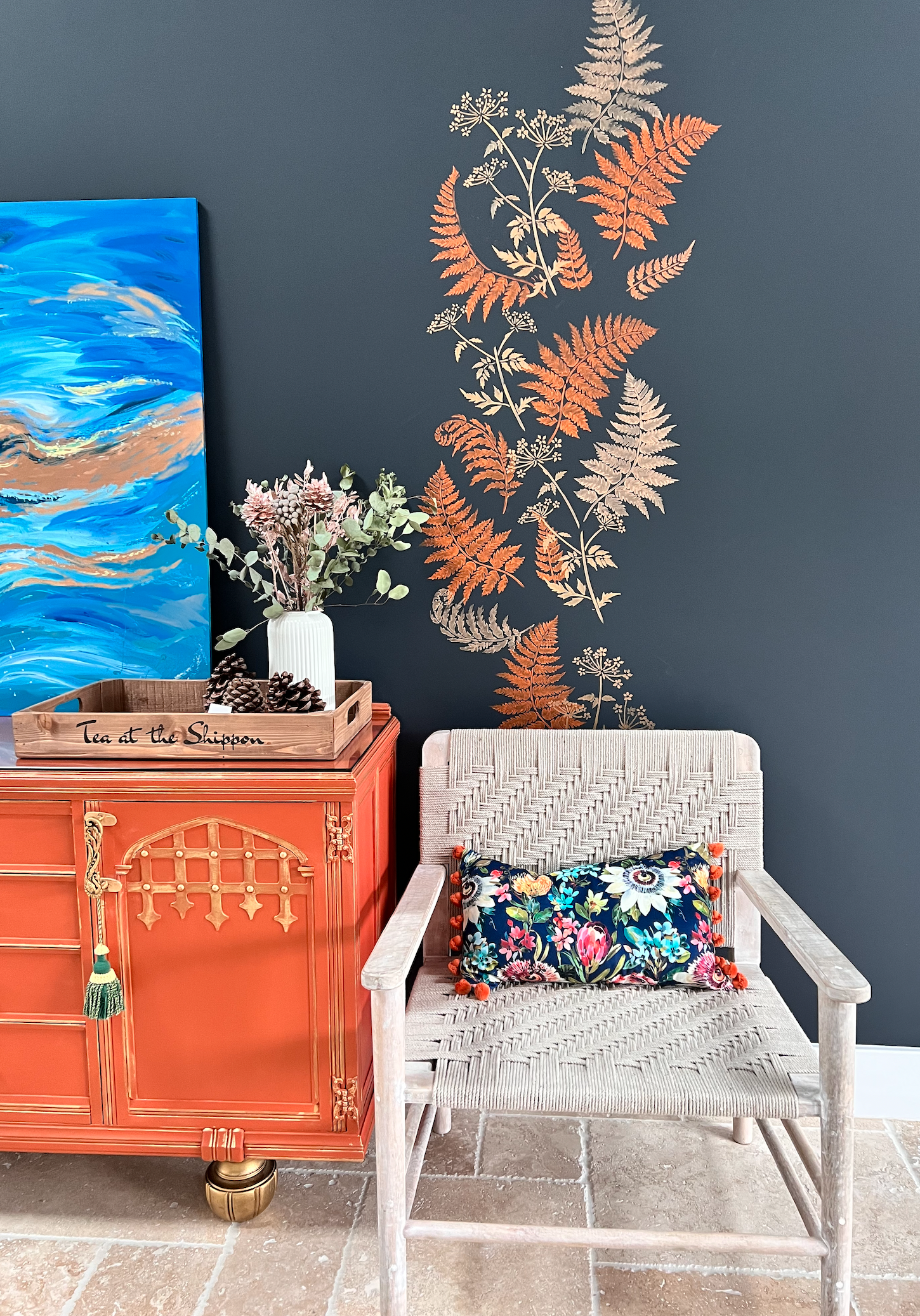
The key to using neutrals successfully is layering. Without depth, neutral schemes can feel flat or cold, but the right mix of textures and tones brings warmth and interest. Try pairing matte-painted walls with glossy woodwork for contrast, or mix different materials such as linen, wool, and aged oak to add visual weight. A limestone-toned wall with a velvet-upholstered chair and a woven rug instantly creates a sense of richness and dimension.


Introducing Accent Colours & Patterns

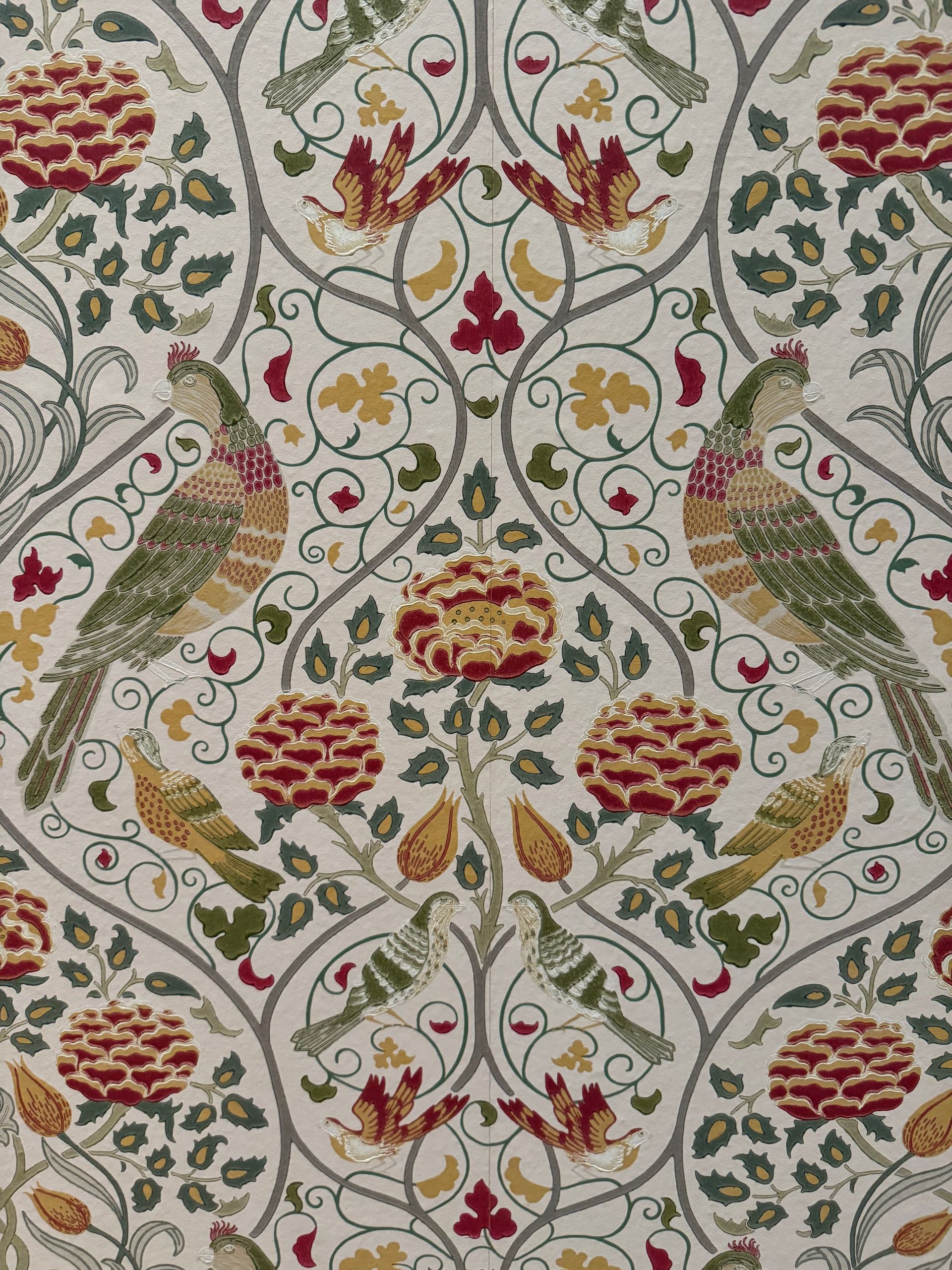
A neutral scheme doesn’t mean avoiding colour altogether. Soft accent shades—such as dusky blues, sage greens or even a muted blush—can add depth while maintaining the heritage feel. Consider using these hues for upholstery, decorative accessories or even within a classic wallpaper pattern to introduce subtle interest. Vintage-inspired patterns, whether through textiles or artwork, can further enrich a neutral scheme while staying true to the home’s historic charm.


Perfect Neutral Combinations for Period Homes

Selecting the right neutrals for a heritage property means balancing warmth, depth and authenticity. Beige doesn’t have to mean boring. Some of our favourite combinations include:


  • Greige & Chalk White – Ideal for panelled rooms, offering a sophisticated yet soothing effect.
  • Stone & Dusty Blue – A classic combination that works beautifully in Georgian and Edwardian properties.
  • Warm Taupe & Aged Oak – Perfect for enhancing the natural beauty of wooden floors and antique furniture.


Create Your Own Timeless Neutral Scheme

If you're looking to embrace the magic of neutrals in your period home but need guidance in selecting the perfect palette, we’re here to help. At Home by Design offers expert colour consultations tailored to heritage properties, ensuring your interiors remain timeless, elegant and full of character. Why not start with a consultation to get some ideas?

Make an enquiry
By Helen McClure December 16, 2025
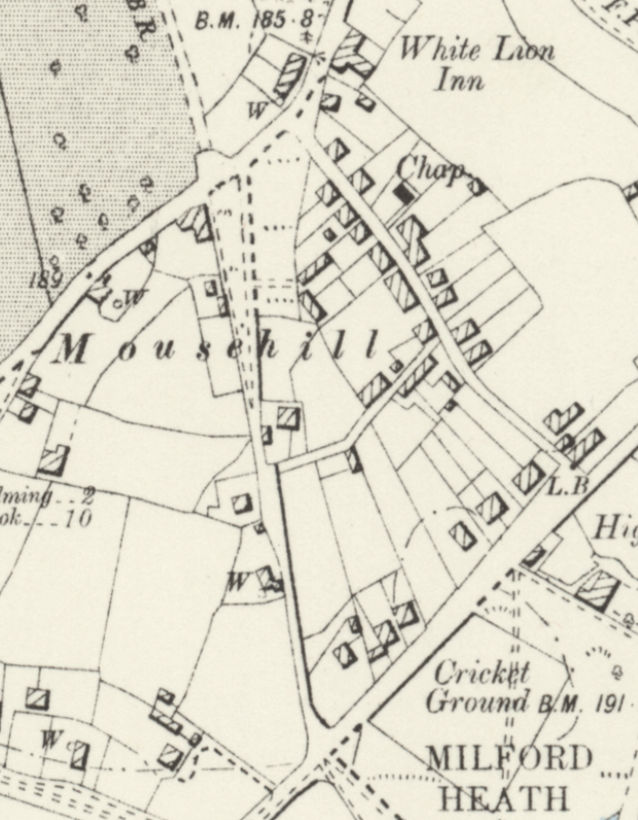
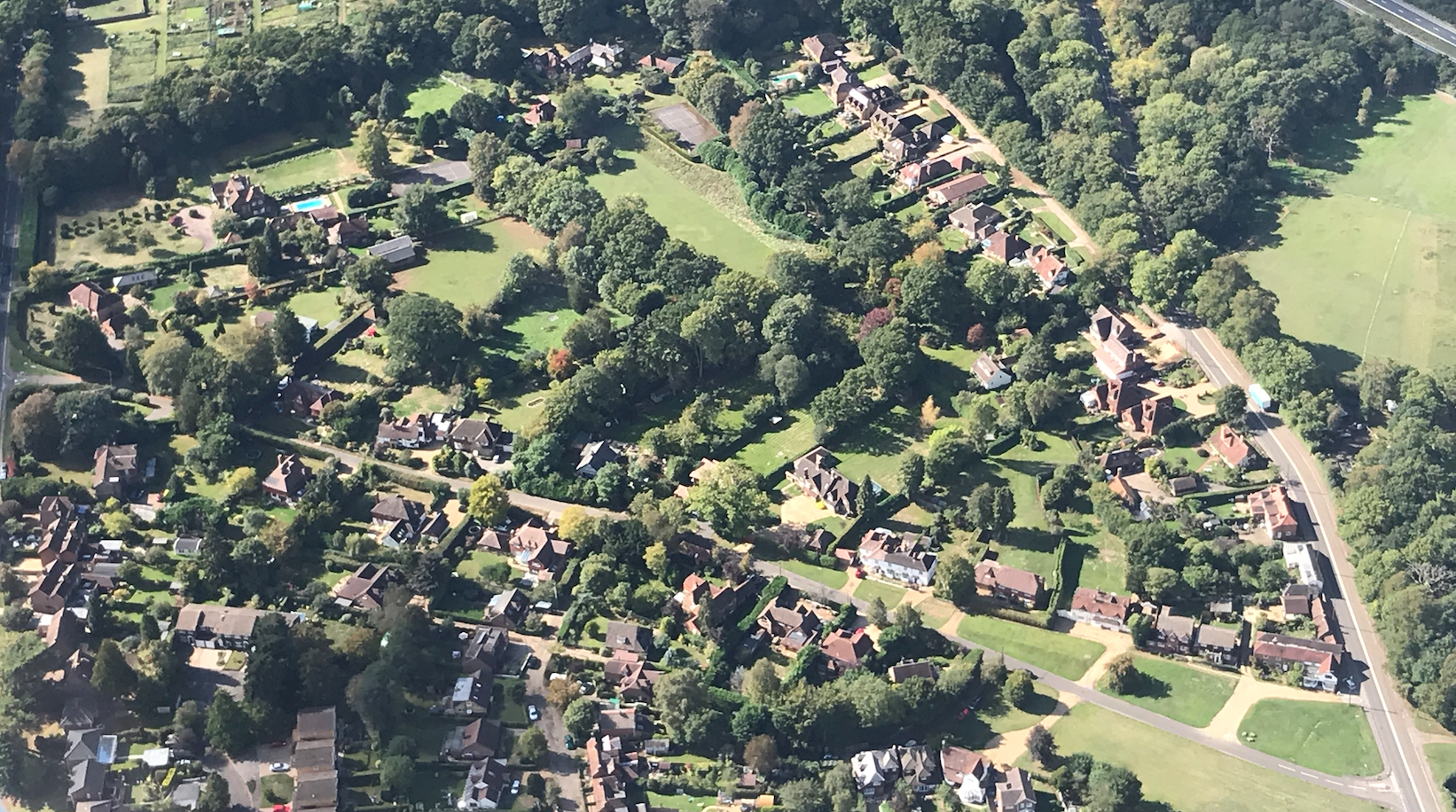
History at Home a research service, which investigates the history of your house and its setting. It informs your interior design and architectural decisions.
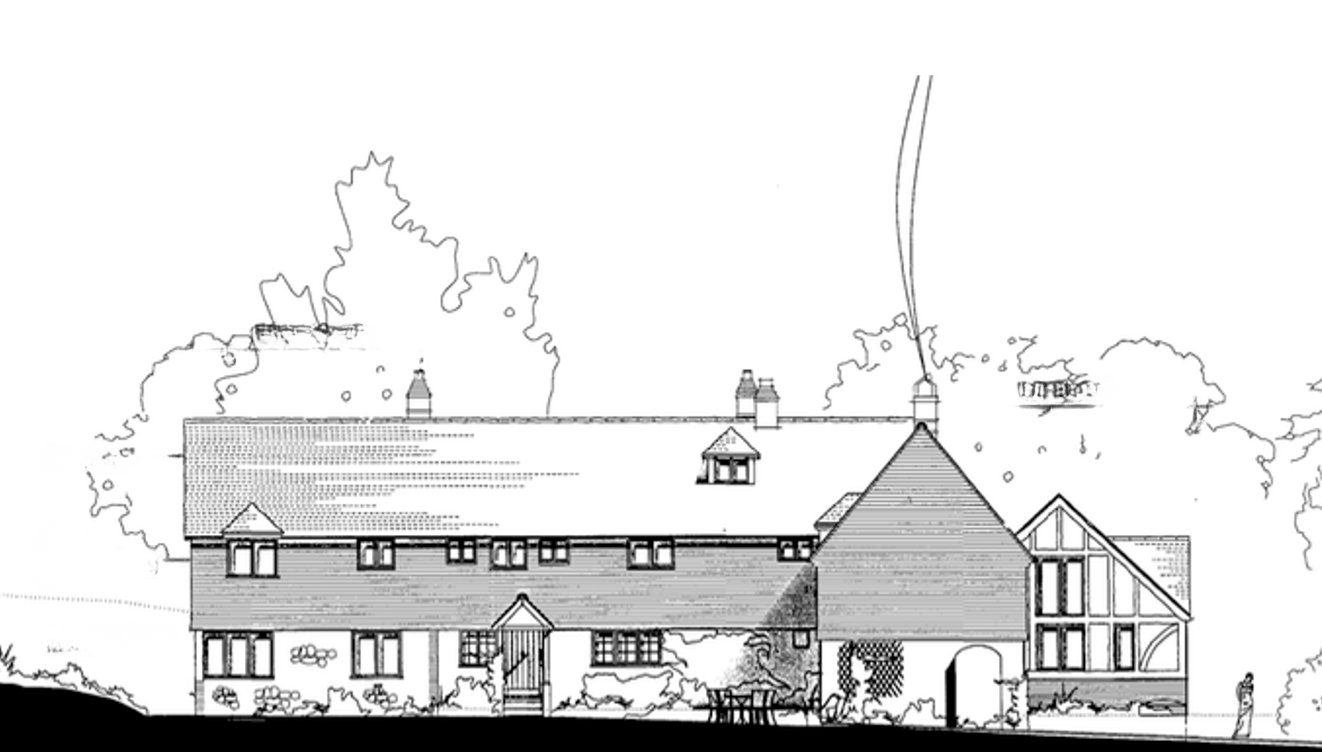
Rear view of Norney Grange
By Helen McClure December 16, 2025
Norney Grange
Picture of History at Home research
By Helen McClure December 9, 2025
Here's how historical research into your home can help create interiors with a real connection.
By Helen McClure November 20, 2025
Create a cosy, sustainable Christmas with natural decorations and colour psychology. Discover ideas for foraging, crafting and styling your festive home beautifully.
By Helen McClure November 6, 2025
Marrying Arts and Crafts design with Art Deco glamour
Castle Drogo in Devon. The last castle built in England
By Helen McClure November 3, 2025
How do heritage homes help modern interior designers? This article looks at Castle Drogo in Devon, designed by Edwin Lutyens.
By Helen McClure October 23, 2025
The Russell-Cotes Museum - the ultimate gift
By Helen McClure September 29, 2025
Craft, Advocacy & Legacy
By Helen McClure September 29, 2025
Does the Human Touch Still Matter?
By Helen McClure September 15, 2025
A Conversation With Anna Hunter