The layers of history at Grays Court

Behind the oak panelling

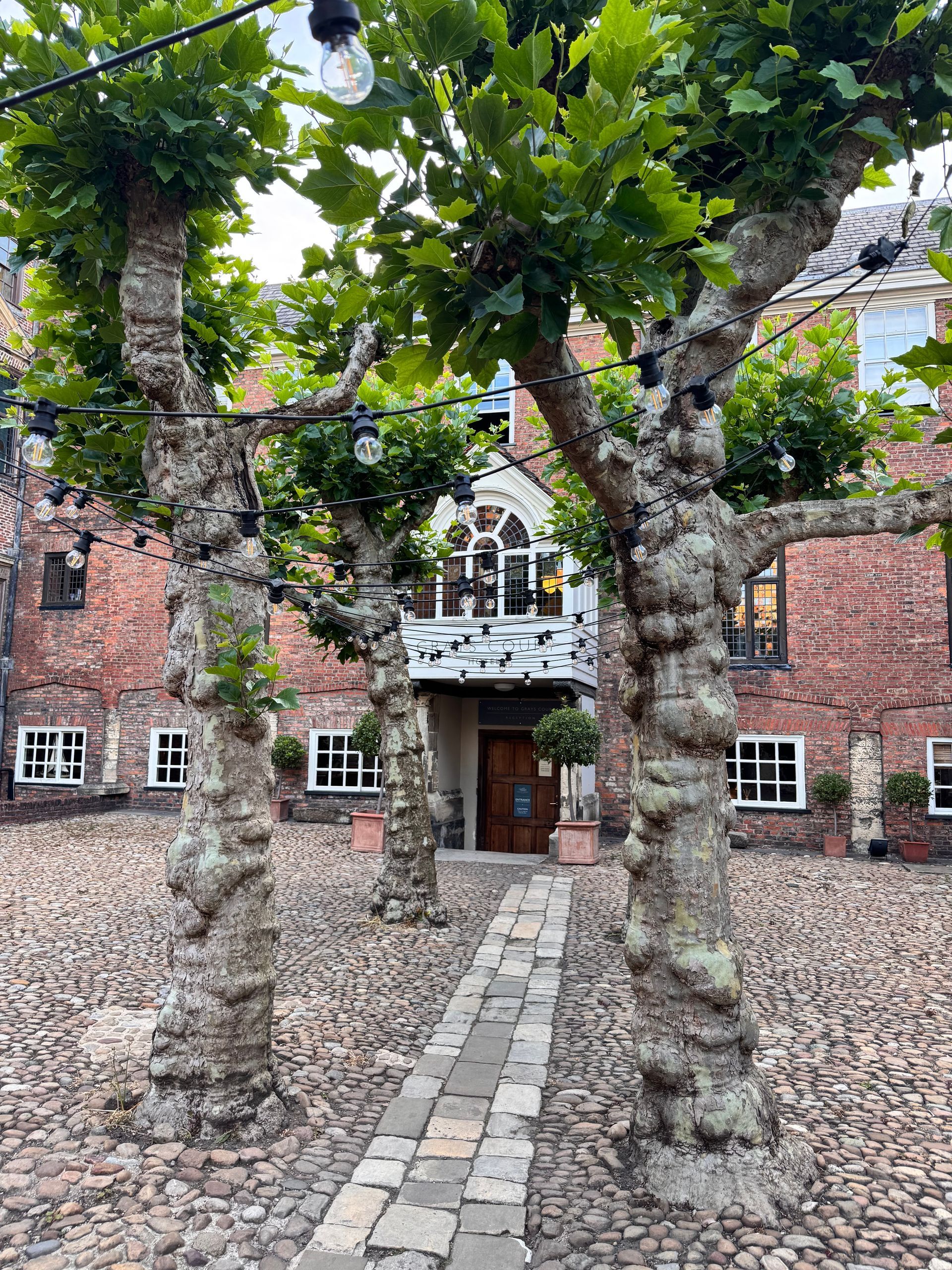
Front of Grays Court

There are old houses, and then there are houses that seem to have absorbed history into their very fabric. Grays Court in York belongs firmly in the latter category. 


Commissioned around 1080 by Thomas of Bayeux, the first Norman Archbishop of York, it is reputed to be the oldest continuously occupied house in Britain. 


Yet what makes Grays Court so fascinating is not simply its age, but the extraordinary number of architectural layers that have accumulated over almost a thousand years.


Originally built to accommodate visitors on royal, state and church business, Grays Court became the official residence of the Treasurers of York Minster, with the first taking up the position in 1091. Its location is significant too: the house stands just inside what were once the north-eastern defences of the Roman Legionary Fortress. 

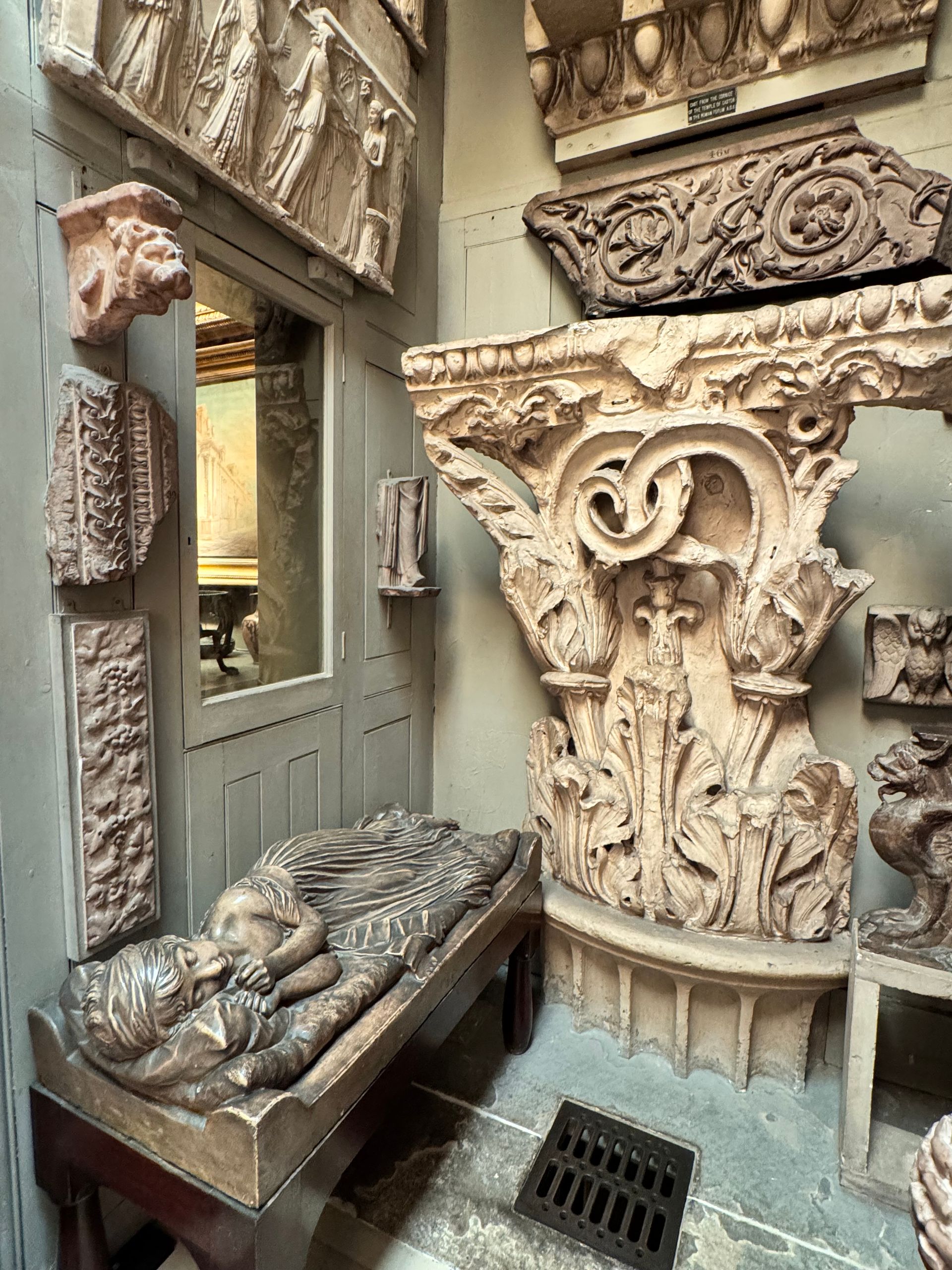
In the Lower Gallery, several stone pillars are thought to have been reused from elsewhere, possibly even Roman in origin.

So, when we look at Grays Court today, we are not looking at a single architectural moment. We are looking at centuries of adaptation, alteration and reuse.


One of the most evocative survivals is the medieval wall of the original Treasurer’s House, still visible behind the oak panelling of the Long Gallery. Above the Lower Gallery sits the magnificent Jacobean Long Gallery, built by George Young, son of the Archbishop of York, who lived at Grays Court between 1588 and 1620. It is an architectural statement of its period, but also a reminder that even then the house was already centuries old.


  • Slide title

    Write your caption here
    Button
  • Slide title

    Write your caption here
    Button
  • Slide title

    Write your caption here
    Button
  • Slide title

    Write your caption here
    Button
  • Slide title

    Write your caption here
    Button
  • Slide title

    Write your caption here
    Button
  • Slide title

    Write your caption here
    Button
  • Slide title

    Write your caption here
    Button
  • Slide title

    Write your caption here
    Button
  • Slide title

    Write your caption here
    Button
  • Slide title

    Write your caption here
    Button
  • Slide title

    Write your caption here
    Button
  • Slide title

    Write your caption here
    Button

The building's history continued to evolve with its occupants. It was bought in 1788 by William Gray, and today the building bears his name. His decedents lived in it until 1962. In 1900, architect Temple Moore was commissioned to undertake a campaign of work at Grays Court, the Treasurer’s House and St William’s College. He transformed the Lower Gallery into the entrance hall we see today; until then, it had apparently been treated as a vault.


Moore also worked with Edwin Gray to dramatically reshape the area in front of the house. The rather decrepit collection of stables and outhouses was removed, transforming the courtyard into something much closer to the elegant approach we see today. In 1924, Gray planted the London Plane trees that have since become an instantly recognisable part of Grays Court's setting.


Perhaps this is what makes visiting an ancient house so rewarding for anyone interested in architecture and interiors. Age is not necessarily about preserving a building unchanged. Quite the opposite: buildings survive because they adapt. At Grays Court, medieval masonry sits alongside Jacobean craftsmanship; later alterations coexist with earlier fabric; and Victorian and twentieth-century interventions have become part of the story rather than simply erasing what came before.


Even the house’s more recent history adds another layer. The iron railings now standing in front of the nave of York Minster were once the garden steps of Grays Court, before being presented to the Minster by Helen Faith Gardner (née Gray) and her husband, Colonel Gardner.


Nearly a thousand years after its beginnings, Grays Court remains a living architectural palimpsest. Look beyond the beautiful rooms and oak panelling, and you see a building in which successive generations have left their mark, allowing the past to remain visible while the house continues to evolve.


Visit: Grays Court, York


Inspired by the character of historic houses?

At Home by Design creates thoughtful, individual interiors that respect a property’s architecture while bringing it beautifully into contemporary life. If you’re looking to transform your home, talk to us about how we can bring your own story into its design.

Contact us
By Helen McClure September 11, 2026
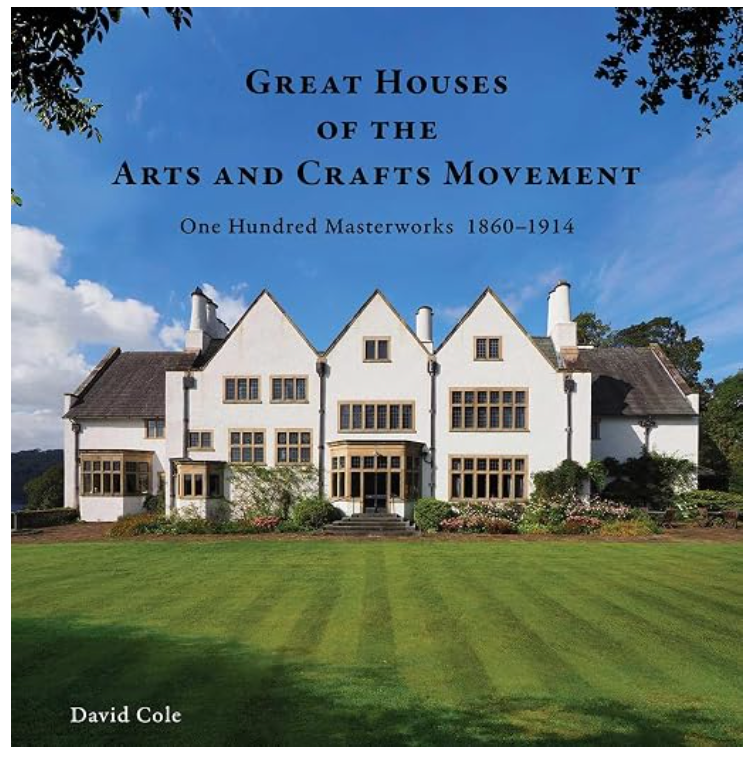
David Cole’s Great Houses of the Arts & Crafts Movement explores 100 remarkable British homes. A personal review of Lutyens, Voysey and the wider movement.
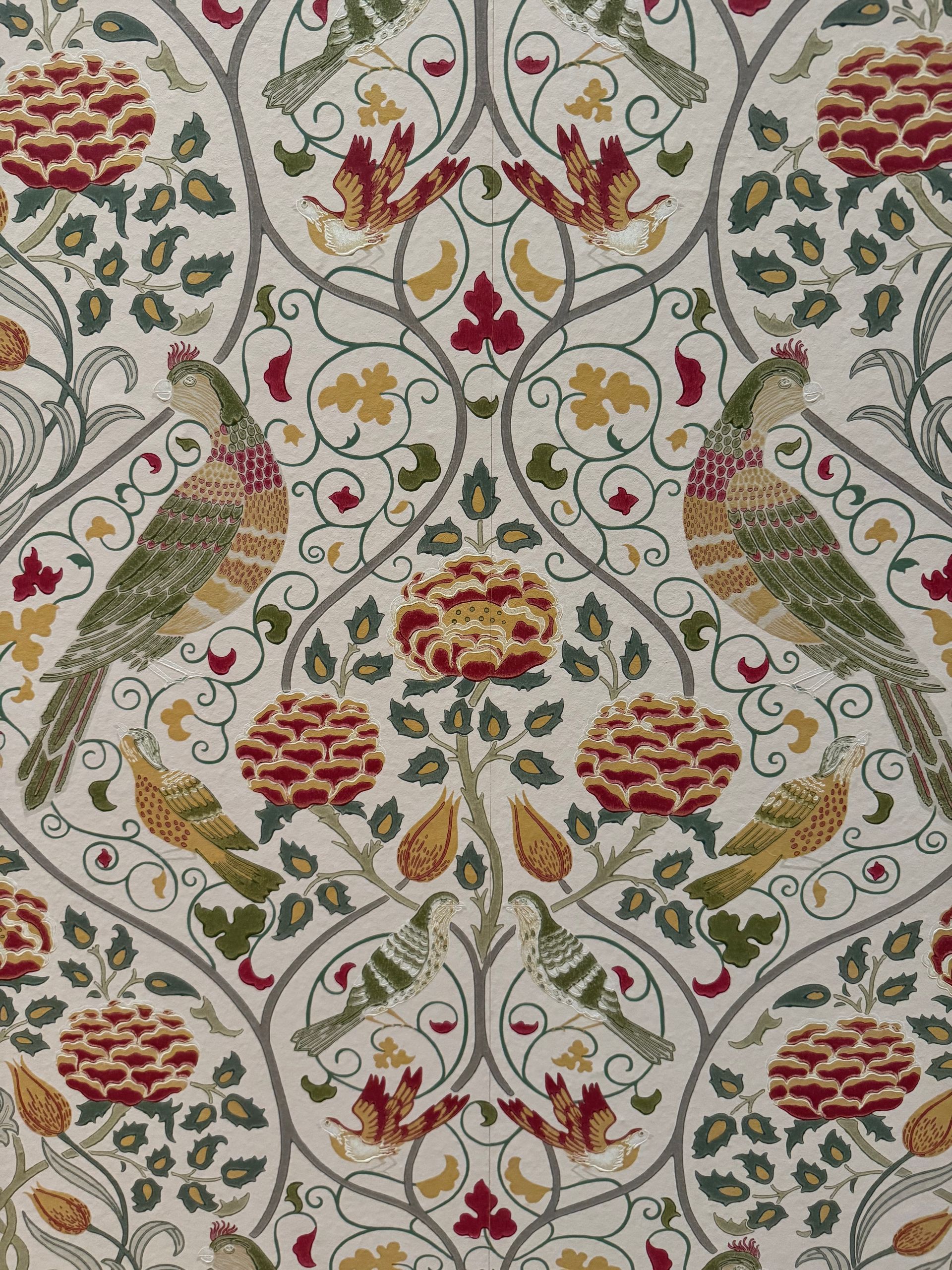
May Morris wallpaper design, birds and flowers
By Helen McClure August 26, 2026
Discover how William Morris and the Arts & Crafts movement offer a timeless alternative to fast, trend-led interiors.
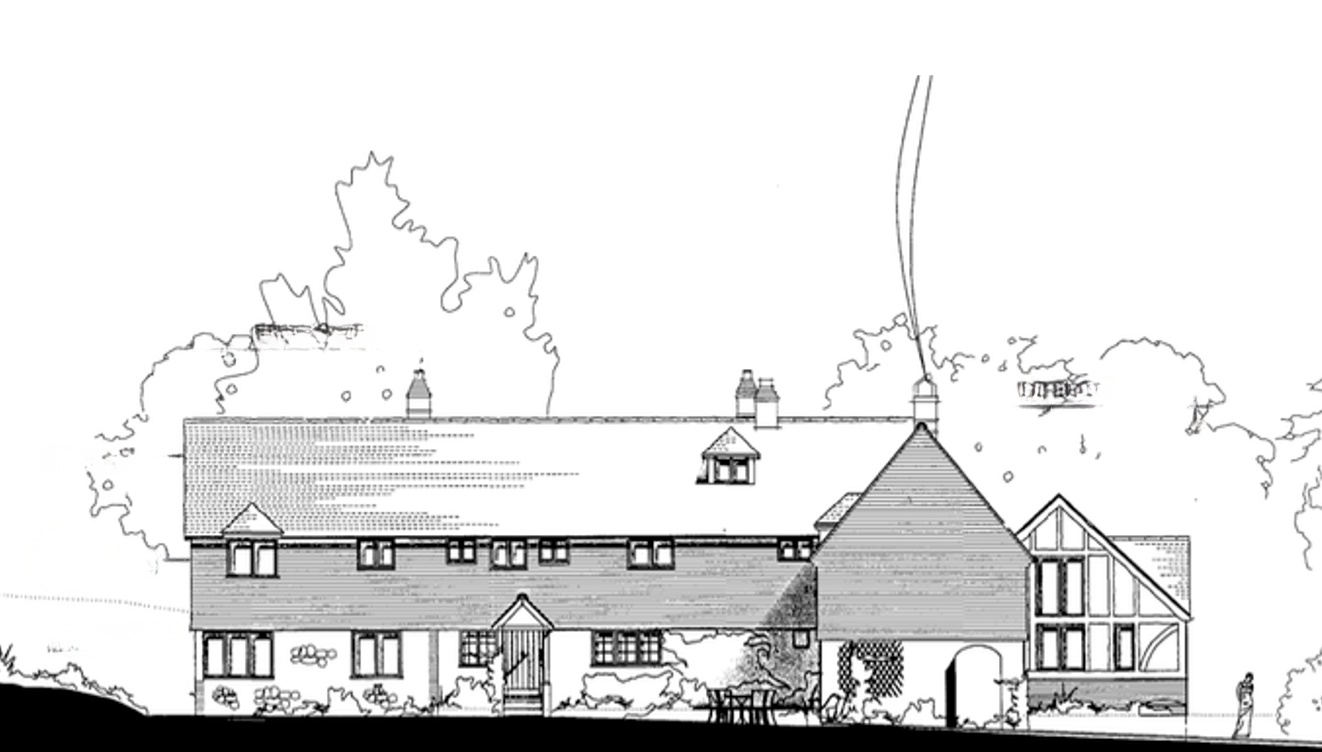
Drawing of an old house
By Helen McClure August 24, 2026
Discover the hidden history of Old Birtley, a Grade II listed Surrey house shaped by Tudor builders, working families and a Titanic connection.
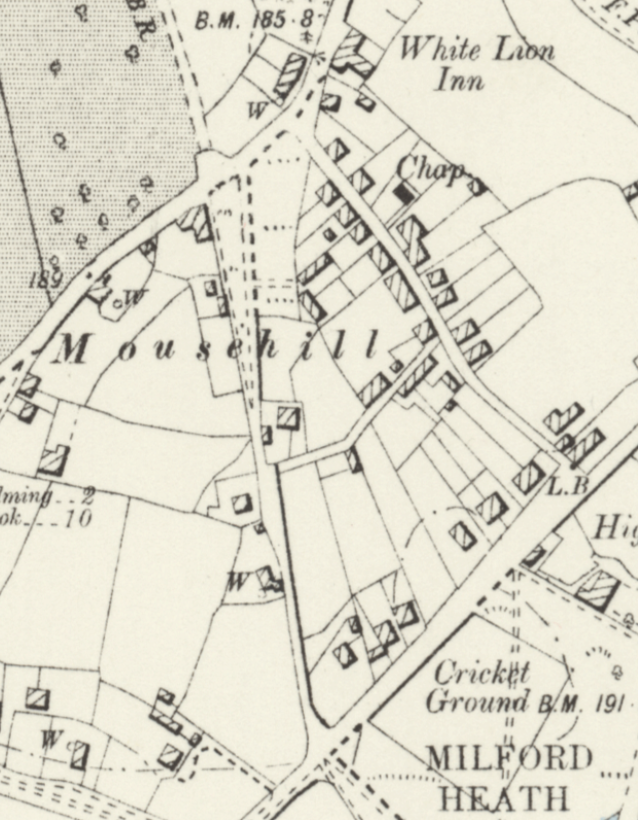
Early 20th-century map of Moushill, Surrey
By Helen McClure August 13, 2026
Discover the fascinating history of the White Lion in Moushill, Surrey, a 16th-century coaching inn linked to a notorious murder that inspired Dickens
By Helen McClure August 13, 2026
Explore the remarkable history of Moushill Lane, from medieval manor and coaching route to a home for artists, engineers and influential figures.
Moushill Lane
By Helen McClure August 13, 2026
Discover the history of the Moushill Stores in Milford, from a Portsmouth Road stop off to part of Charles Burgess's pioneering grocery empire
By Helen McClure July 31, 2026
Explore Littlecroft, Edwin Lutyens' overlooked Arts & Crafts house in Guildford, its maritime influences & why research inspires better restoration
By Helen McClure July 28, 2026
Explore the Commonwealth war cemeteries and how Lutyens used Arts & Crafts principles to create places of remembrance.
By Helen McClure June 29, 2026
Explore The Red House in Godalming, an early Lutyens masterpiece, and discover what its timeless architecture can teach today's homeowners.
Sitting room in Dorich House
By Helen McClure June 24, 2026
Discover how Dorich House reveals the story of Dora Gordine and what historic homes can teach us about creating interiors with meaning.