Why AI Won’t Replace Your Interior Designer
A picture is not a plan
AI is an incredibly useful tool for visualisation. It can help you explore ideas, experiment with colour and develop a sense of what you like, or, sometimes just as usefully, what you don't like.
But an interior design project starts long before the pretty pictures.
It starts with a conversation.
What do you need from your home? How do you actually live? Who uses each room? What isn't working? What do you want to keep? What do you want to change? What are your priorities, your budget and your timescale?
Then there are the things you may not have considered.
How does the light move through the room during the day? Does the furniture work with the proportions of the space? Is there enough storage? Where will the lighting go? Will the curtains work with the windows? Can that beautiful sofa actually get through the front door?
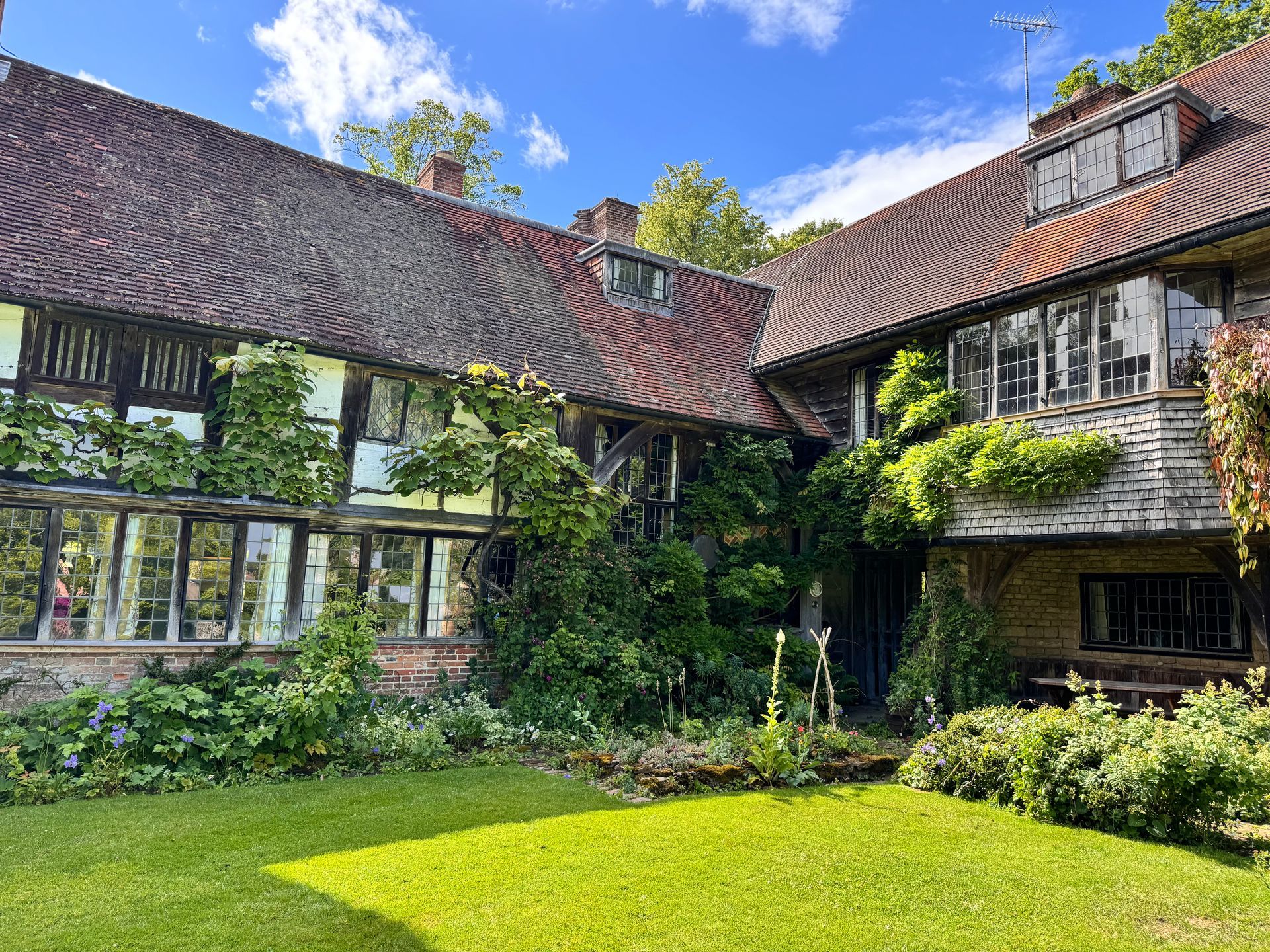
And, when you're working with a period or heritage property, there is another layer entirely.
The building itself becomes part of the brief.
Design is personal
One of the most important things an interior designer brings to a project is the human relationship.
Clients don't always know exactly what they want, and they shouldn't have to.
You might tell me that you want a room to feel cosy, but cosy means something different to everyone. You might love colour but be nervous about using it. You might want your home to feel traditional without looking old-fashioned, or elegant without feeling formal.
Part of my role is to listen to what you say, but also to understand what you mean.
That comes from conversation, observation and experience.
It's also about making decisions. There can be thousands of possible combinations of paint, wallpaper, fabric, furniture, lighting and finishes. A good designer doesn't simply give you more choices. They narrow them down, explain why they work and create a coherent scheme around you.
AI can respond to a prompt. An interior designer gets to know the person behind it.
The value is in managing everything around the design.
When people think about interior design, they often think about moodboards, paint colours and furniture.
But a successful project involves much more than that. It isn’t just about decoration.
There is research, sourcing, measuring, specification, budgeting, ordering, coordinating suppliers, liaising with trades, arranging deliveries, resolving problems and making sure that all the individual decisions work together.
And that is often where the real value of an interior designer lies.
You don't have to spend your evenings searching for the perfect fabric.
You don't have to compare dozens of suppliers.
You don't have to remember whether the lamps have been ordered or whether the curtains have been measured.
And you don't have to become the project manager of your own home.
Instead, you have someone experienced overseeing the detail and keeping the project moving.
Sometimes the most valuable design decision is the problem you never see
Good design isn't only about what you add. It's also about the problems you prevent.
An experienced designer will be looking several steps ahead.
Will the furniture fit the room, and the route into it?
Does the proposed layout actually work when the room is occupied?
Is the lighting adequate for how the room will be used?
Will that fabric withstand the demands of everyday family life?
Does the flooring work with the construction of the building?
Will the chosen finishes work together when they're viewed in natural light rather than on a computer screen?
These things may sound obvious, but mistakes can be surprisingly expensive to put right.
Sometimes the most valuable thing an interior designer does is stop you making an expensive mistake in the first place.
That is why professional design can save both time and money.
Not necessarily because every individual item will be cheaper, but because experience helps you make better decisions before money is committed.
AI can generate ideas. Experience tells you whether they will work.
This is where I think AI has a genuinely useful role in interior design.
I use visualisation as a way of exploring possibilities. It can be particularly helpful at the decoration stage of a project, when you want to see how different colours, wallpapers or decorative treatments might change the feeling of a room.
It can help a client say, "Yes, that's exactly what I mean."
But an AI image doesn't know whether the colour works in the actual light of your room.
It doesn't know that the beautiful antique chest you want to keep is 20cm wider than the space available.
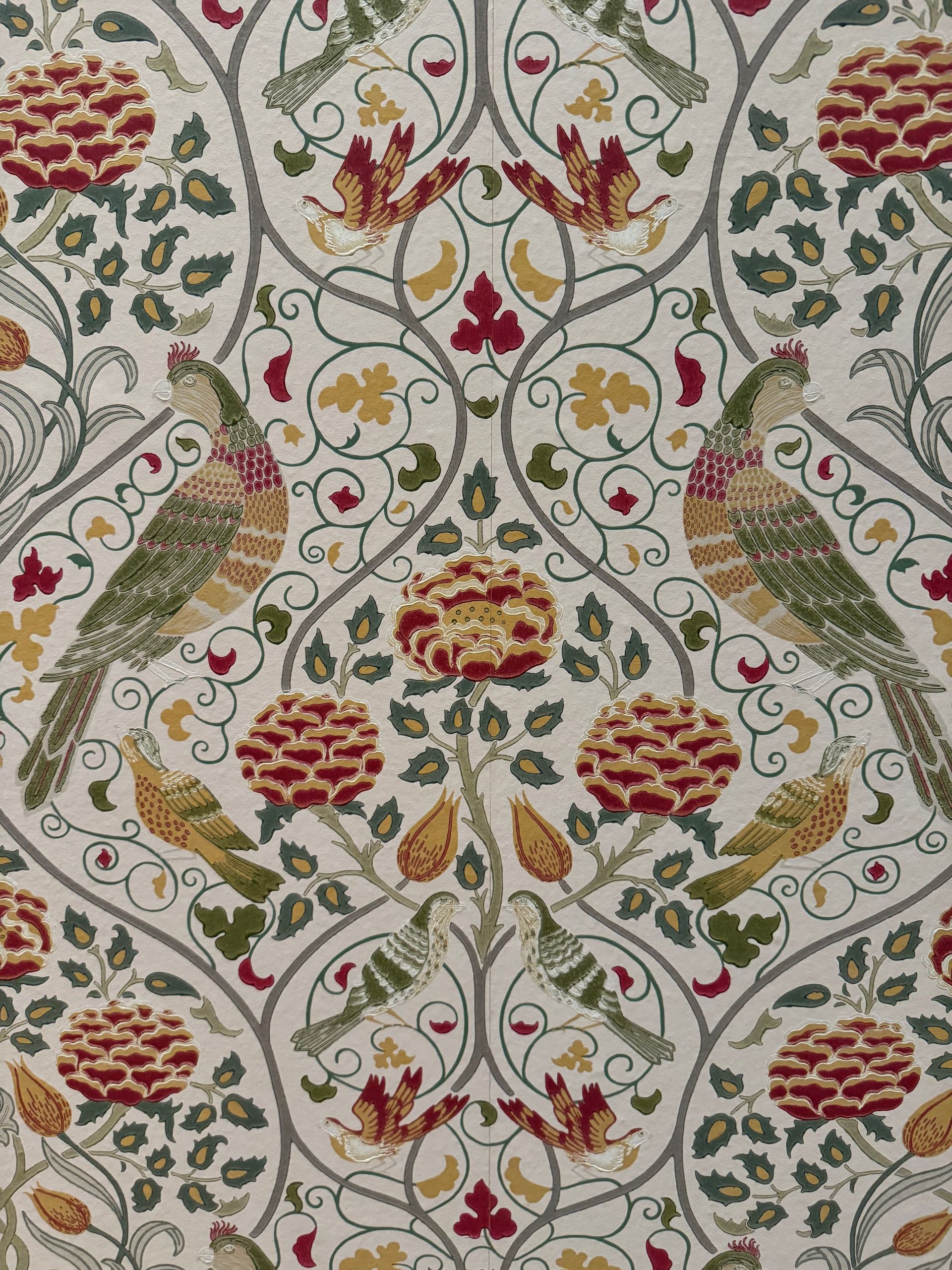
It doesn't know that the wallpaper you've chosen isn't right for the character of the building.
It doesn't arrange for the curtains to be made.
It doesn't negotiate with a supplier when something arrives damaged.
And it doesn't stand in the room and notice that something simply doesn't feel right.
AI can create an image. A designer creates a solution.
And then there are houses with history
For me, this is particularly important. I specialise in heritage and period properties, where the starting point shouldn't simply be, "What looks good?"
It should be, "What belongs here?"
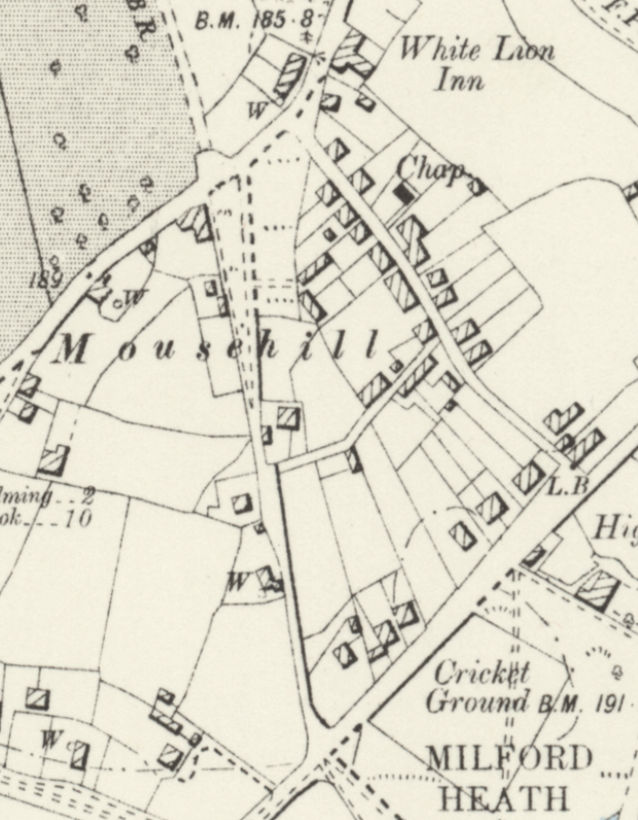
A historic house has a story.
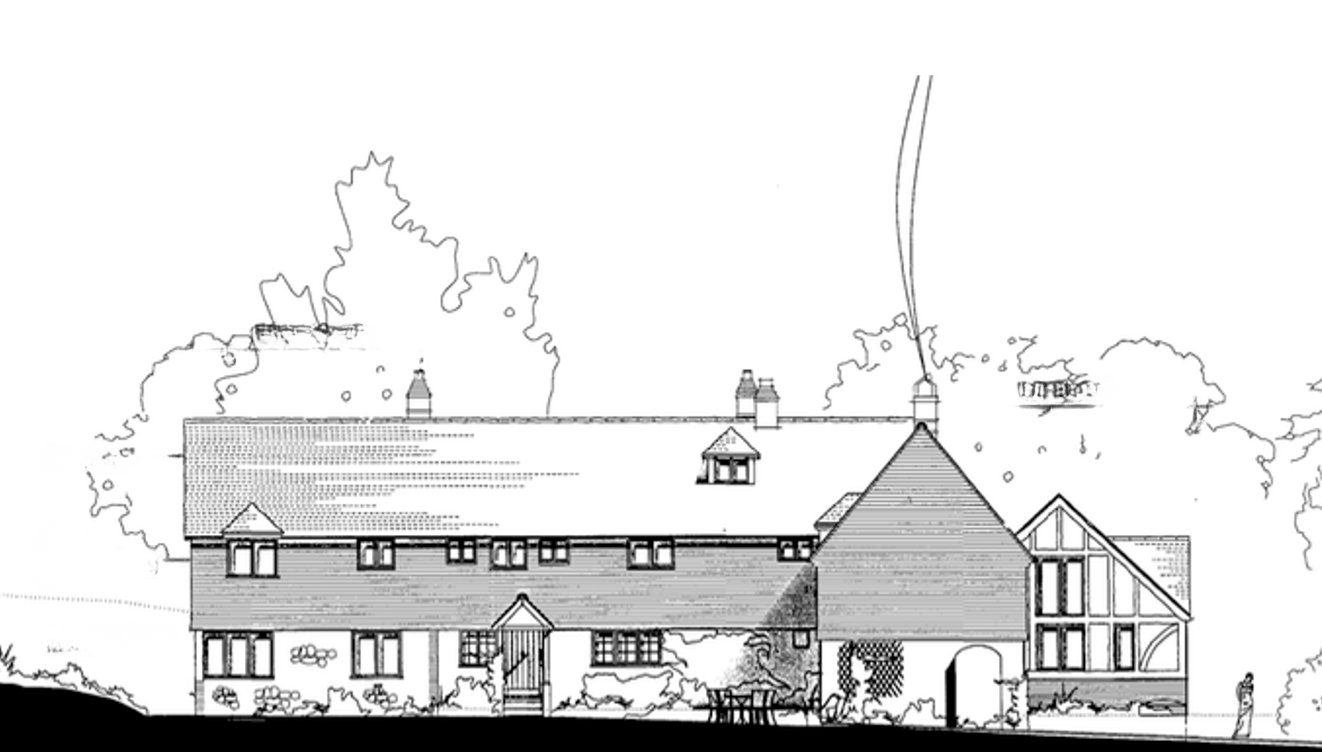
Its proportions, materials, craftsmanship, architectural details and previous alterations all tell us something about the building. Understanding that context can make the difference between a room that has simply been decorated and one that feels as though it belongs in the house.
That doesn't mean turning your home into a museum. Quite the opposite.
The challenge is to understand what makes the building special, then create an interior that works beautifully for the people who live there today.
That requires interpretation, judgement and sensitivity, not simply a good prompt.
The real luxury is having someone else think about it
Ultimately, the reason to employ an interior designer isn't because you couldn't choose a sofa or paint a wall yourself.
It's because you don't have to do everything yourself.
You may have the budget to create a beautiful home, but not the time to research every decision.
You may have wonderful ideas, but not the confidence to pull them together.
You may know exactly what you like, but not know how to turn it into a cohesive scheme.
And you may simply want someone you trust to take responsibility for the process.
For many homeowners, that's the real luxury.
It not just about having access to beautiful things, but having someone experienced who can take care of the detail.
So, can AI replace an interior designer?
I don't think the question is quite right.
AI is another tool. Like Pinterest, Instagram, magazines and moodboards, it can inspire us and help us explore ideas.
But an interior design project is about much more than visual inspiration.
It's about understanding a brief, interpreting a building, solving problems, making decisions, managing a process and ultimately creating a home that is individual to the people who live there.
AI can show you what a room could look like. An interior designer works out how to make it work. And when you're investing significant time and money in your home, that difference matters.
Pro tip:
One of the best ways a client can use AI is to help them to develop their brief to an interior designer. AI needs a prompt. Interior designers need a brief.
Your home deserves more than a picture
At Home by Design creates thoughtful, individual interiors for heritage and period properties, combining a love of history and architecture with colour, pattern and practical design.
From developing the initial brief through to sourcing, specification and implementation, I help homeowners create homes that are beautiful, personal and, most importantly, work in real life.
If you're considering transforming a period or heritage property, I'd love to hear about your project. Get in touch to arrange an initial conversation.