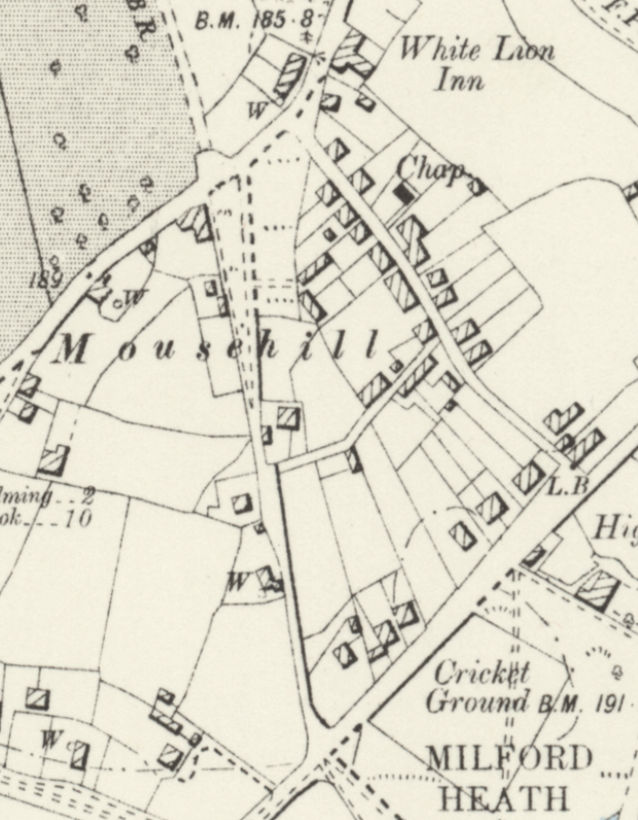
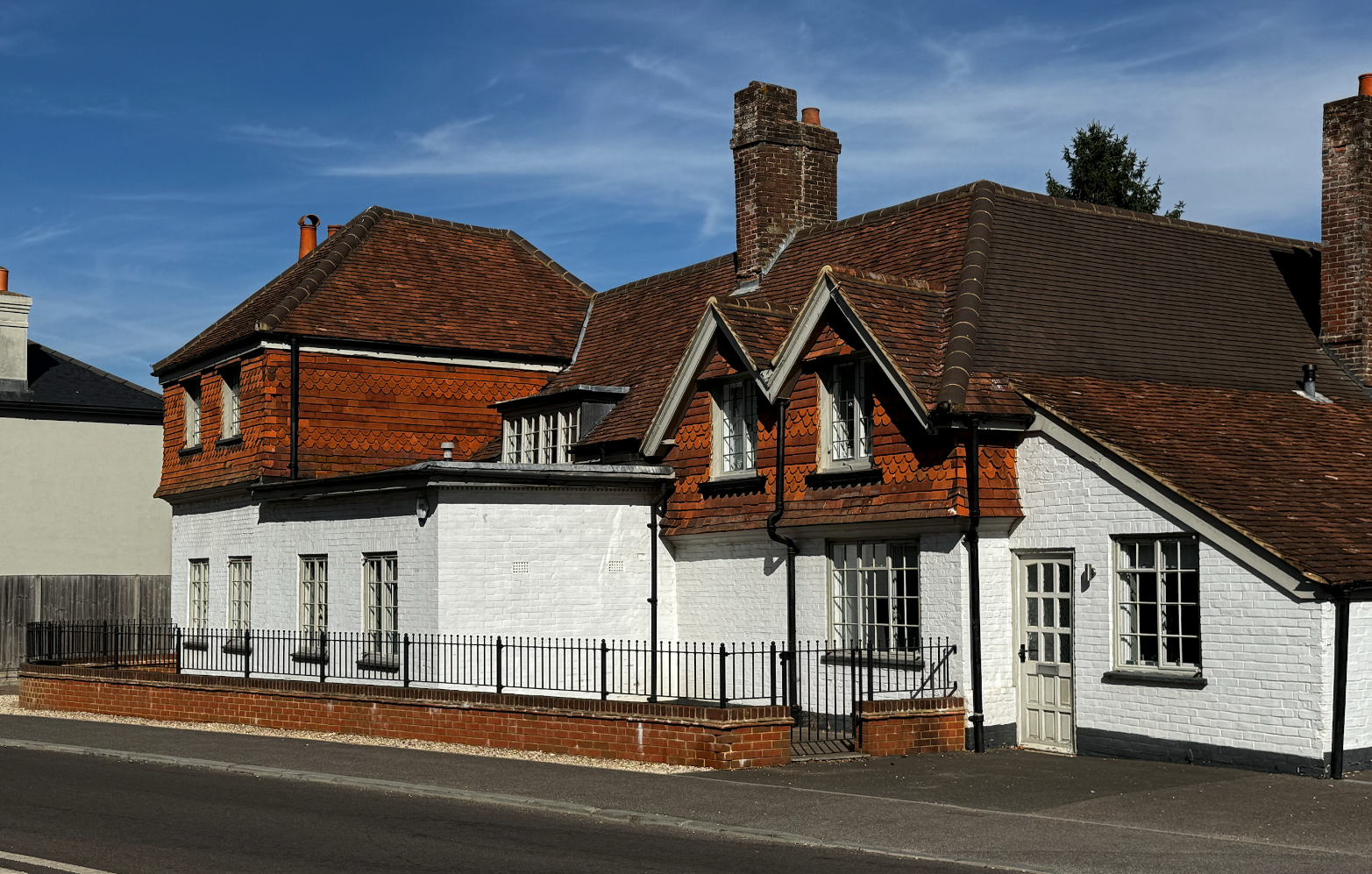
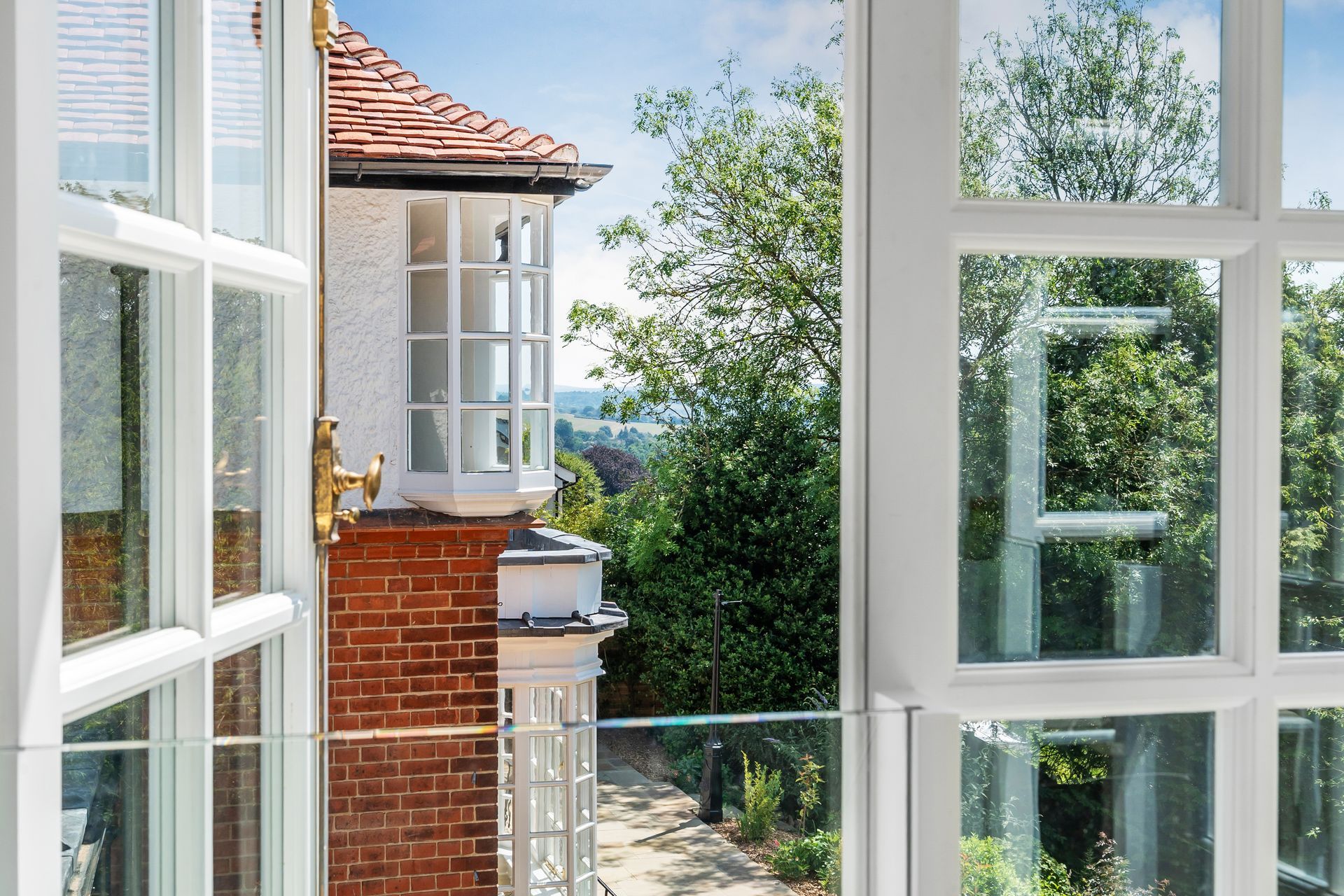
The White Lion
The murder that inspired Charles Dickens
One of the White Lion's most remarkable stories begins in September 1786.
An unknown sailor, making his way back to his ship, stopped at the inn for refreshment. While there, three local men bought him drinks before accompanying him as he continued his journey towards Hindhead. Tragically, their intentions were anything but friendly. They robbed and murdered the sailor before throwing his body into the Devil's Punch Bowl, a natural amphitheatre beauty spot.
The crime shocked the local community and lived on in local folklore for decades. More than fifty years later, Charles Dickens drew upon the story when writing Nicholas Nickleby, published in 1838. This literary connection formed part of the evidence supporting the White Lion's designation as a listed building in 2016, recognising not only its architectural importance but also its place in one of Surrey's most enduring legends. A memorial stone at the Devil's Punchbowl is a poignant reminder of the unknown sailor's fate.
The Boddy Family
Census records allow us to step beyond the public bar and into the private lives of the people who kept the White Lion running.
In 1871, the landlord was Charles Augustus Smith, but by the late 1880s or early 1890s the tenancy had passed to William Boddy.
William was born in Isleworth, London, in 1854, the son of a wheelwright, and before entering the licensed trade worked as a gentleman's servant. In 1880 he married local woman Annie White at St John's Church in Milford, with both giving their address simply as “Moushill”.
By 1891, the family had settled into life at the White Lion. The census records show William and Annie living above the pub with their children, William, Edwin and Louisa, and their domestic servant, James Warwick. Running a country inn was very much a family affair.
A decade later, the family was still there. By 1901, eldest son Edwin had become an apprentice carpenter, while daughter Louisa was training as a dressmaker. Four-year-old Eleanor had joined the household, showing how family life continued alongside the demands of running a busy coaching inn.
The 1911 Census paints a similar picture. William remained landlord, assisted by his son William Charles, while Annie and daughters Louisa and Eleanor completed the household. The White Lion was not simply a business; it was the family's home for more than twenty years.
When William retired, he didn't move far. The 1921 Census finds him and Annie living with Annie's brother, William White, the grocer and baker who managed nearby Burgess Stores, in Moushill Lane. Even in retirement, the family remained firmly rooted within the Moushill community.
When he died on Christmas Eve 1940, he left an estate valued at £1,381, equivalent to around £85,000 to £100,000 today. It represented the comfortable retirement of a man who had spent decades serving his local community behind the bar of the White Lion.
A new landlord & the end of an era
During the 1920s, the White Lion came under the care of Alfred Hall, a Frensham-born publican who had previously managed inns in Guildford.
Hall proved to be an astute businessman. Rather than simply running the pub, he invested his profits in purchasing surrounding properties during the First World War, building a small local property portfolio. His story reflects how successful village publicans often became influential figures within their communities, combining hospitality with entrepreneurship.
For generations the White Lion stood at the centre of Moushill life. Coaching travellers paused here on their journeys, villagers celebrated life's milestones within its walls and successive landlords became familiar faces in the community.
By 1992, the Milford section of the A3 was built, bypassing the village of Milford and the hamlet of Moushill. While this bought much welcome relief in terms of noise and traffic jams, it signalled an difficult period for business relying on passing trade.
In March 2015, after centuries of serving the village, the pub closed its doors for the final time before being converted into offices and flats. Although its role has changed, the building remains an important landmark, preserving the memories of countless local families and visitors who passed through its doors.
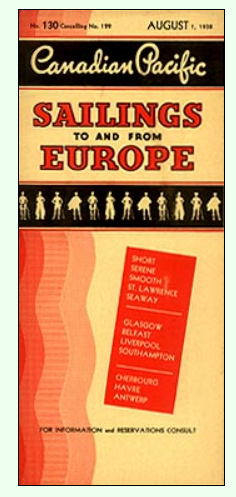
Today, the White Lion is one of Moushill's most significant historic buildings. Its story encompasses murder and literature, coaching roads and community life, hardworking landlords and families whose lives stretched from rural Surrey to Canada. Like so many historic buildings, it reminds us that the true history of a place is found not only in its bricks and timbers, but in the people who called it home.
What story does your home have to tell?
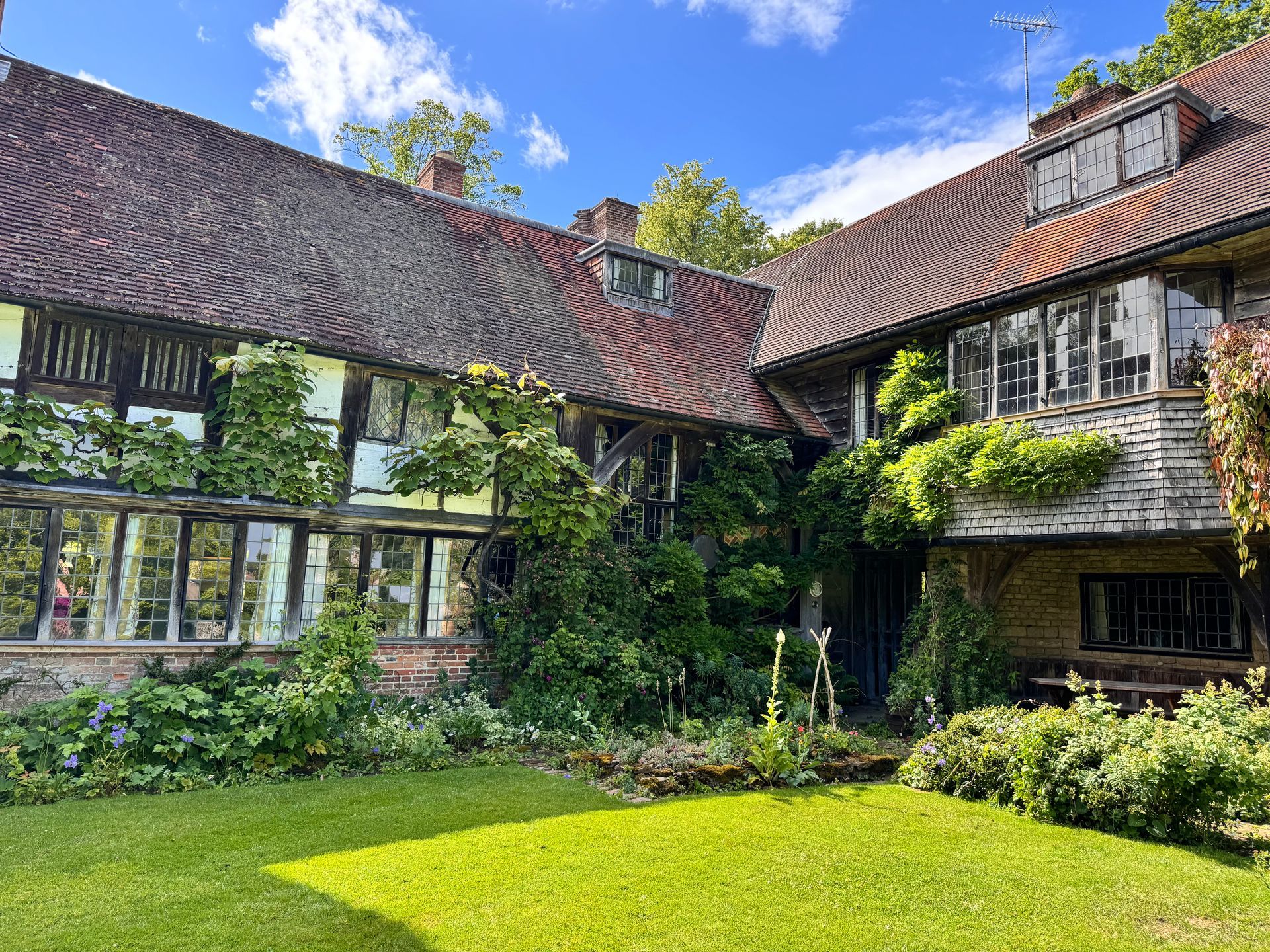
Every period property has a history waiting to be uncovered. Through our
History at Home research service, we delve into the people, architecture and events that have shaped your house. Whether you're restoring a listed building, have recently moved into a character home, or are simply curious about its former occupants, we'd love to help you discover the stories hidden within its walls.
Get in touch to find out more about commissioning a History at Home report.
Other Moushill stories you may enjoy
How a place develops over the centuries tells us so much about the architecture and the people. Here are some more stories about Moushill.
- From humble cottages housing servants supporting a manor house, to larger houses that attracted the grandees of industry and artists. This is the story of a road that epitomised social development through the ages.
- The humble corner shop is often a key part of village life. But what happens when it’s on one of the busiest thoroughfares in the country and is part of a growing grocery empire. For some, the Moushill Store was more than somewhere to buy apples.