Old Birtley
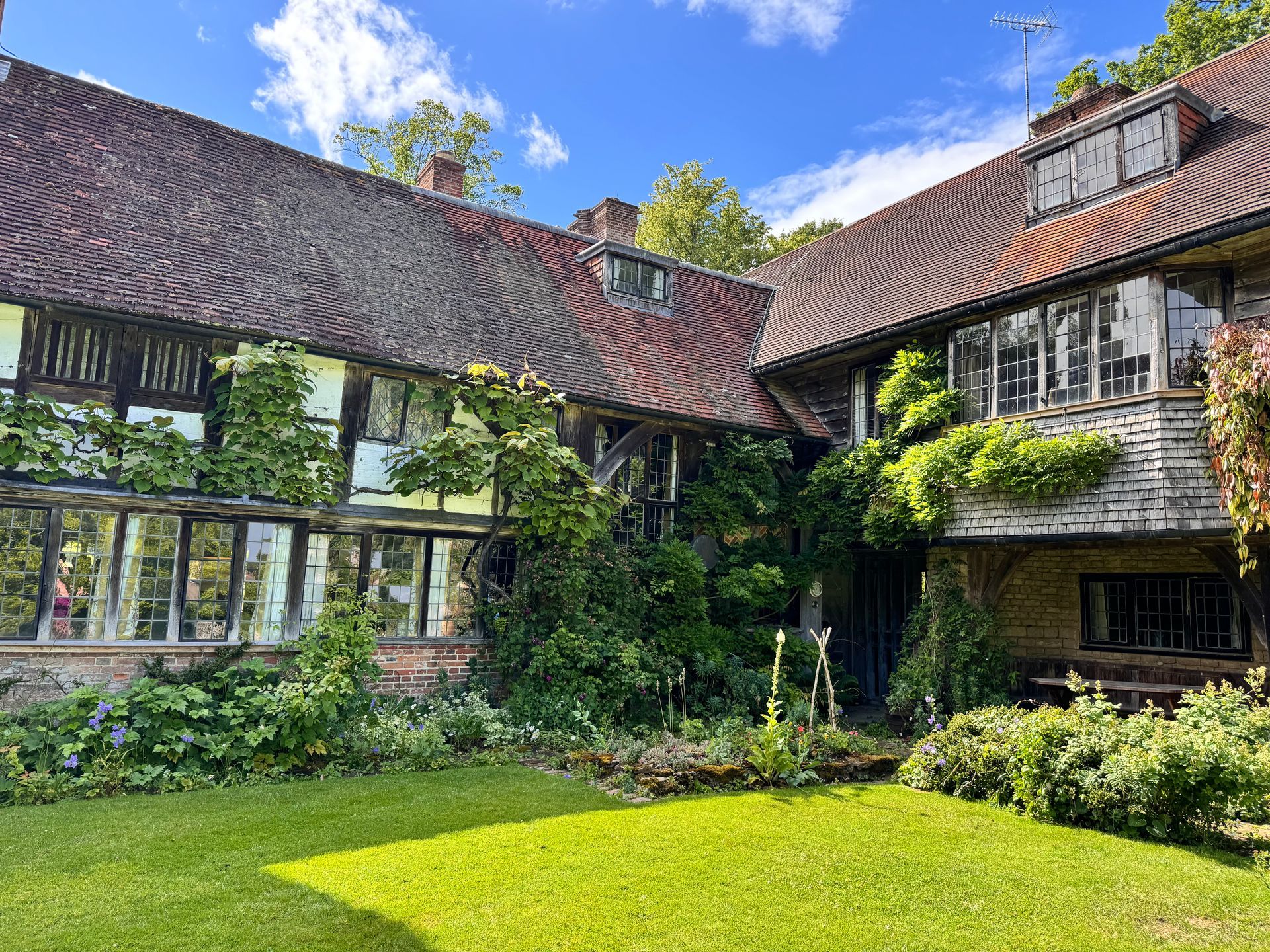
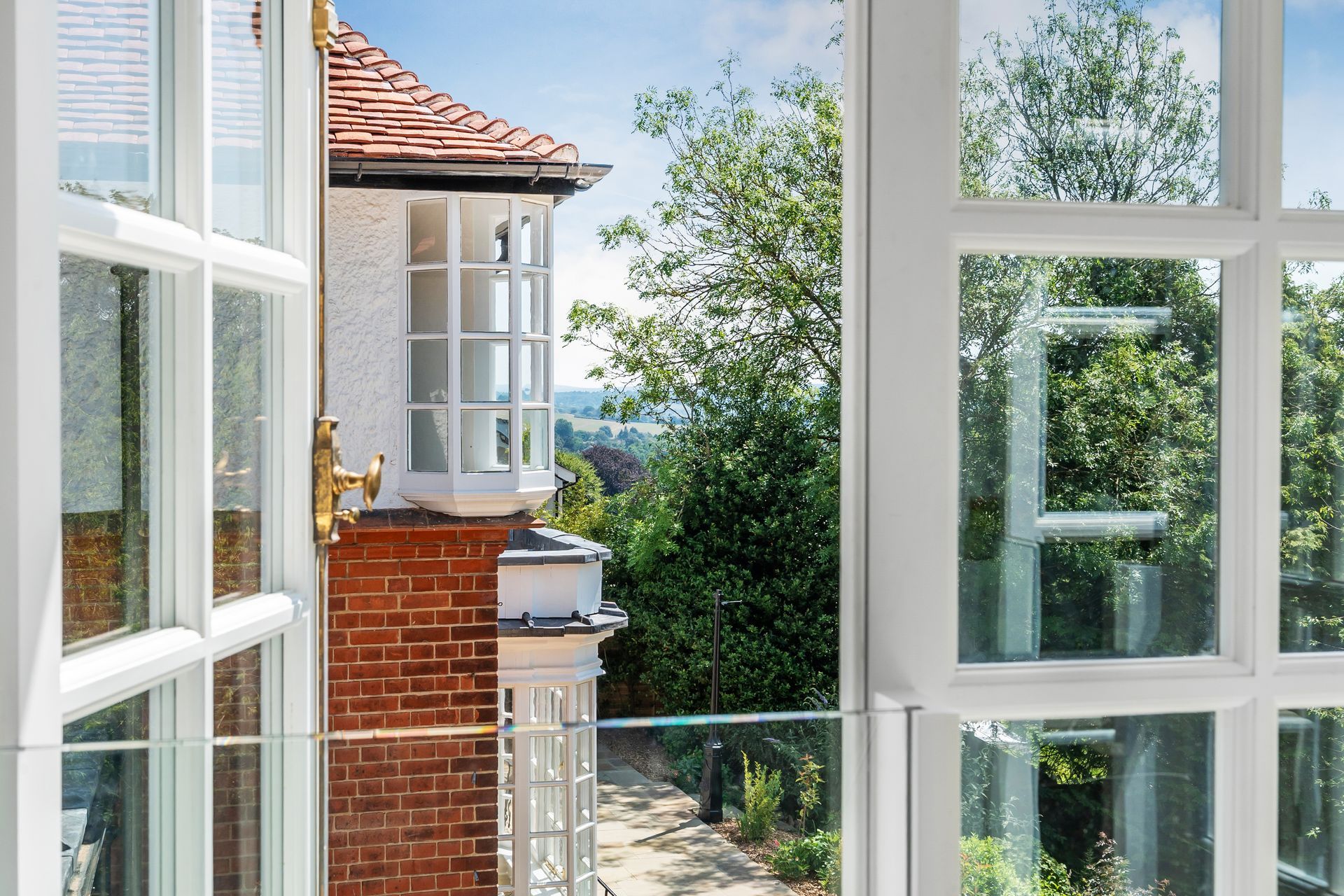
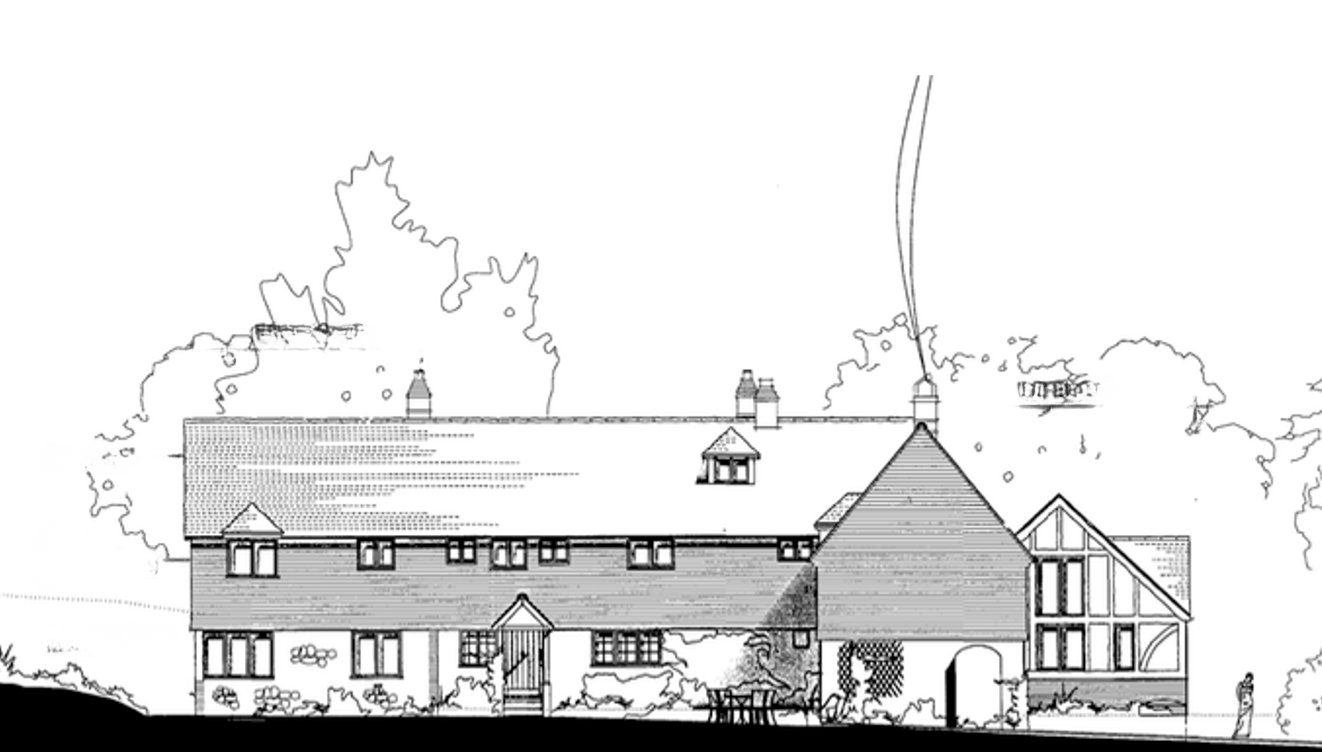
Grade II listed, with eight bedrooms and an abundance of original features, it was the sort of house that appeals to people who value authenticity over perfection. Its exposed timber frame, tiled roof and irregular form told you immediately that this was no modern country-house pastiche.
Its story reached back more than 400 years.
It was easy to imagine generations of prosperous families living here: children running through the house, guests arriving for weekends, dinner parties around a long table.
But that wasn't the true story of Old Birtley.
Because before it became the beautiful country house that caught the buyers’ eye, it was something much more ordinary, and, in many ways, much more interesting.
It was home to working people.
The bricks and mortar story
To understand Old Birtley, you have to look beyond the house itself.
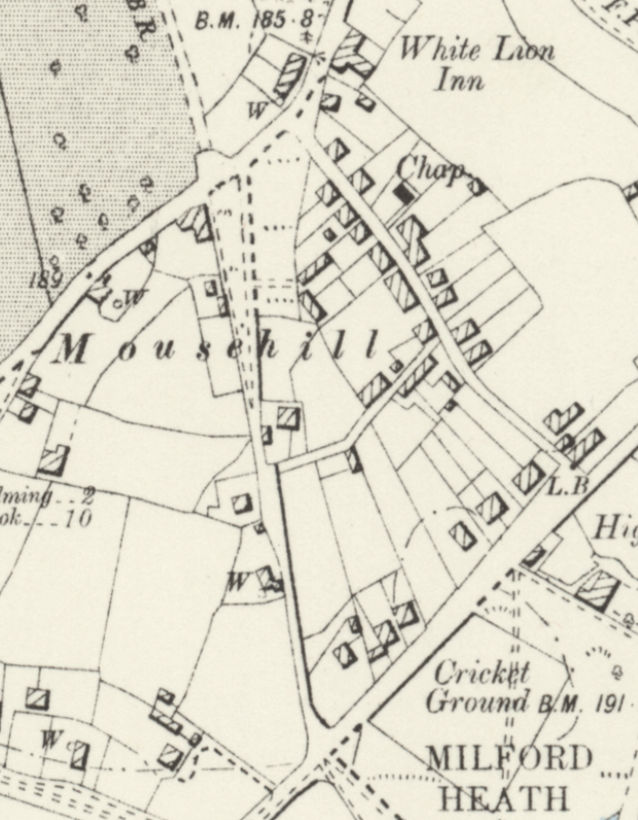
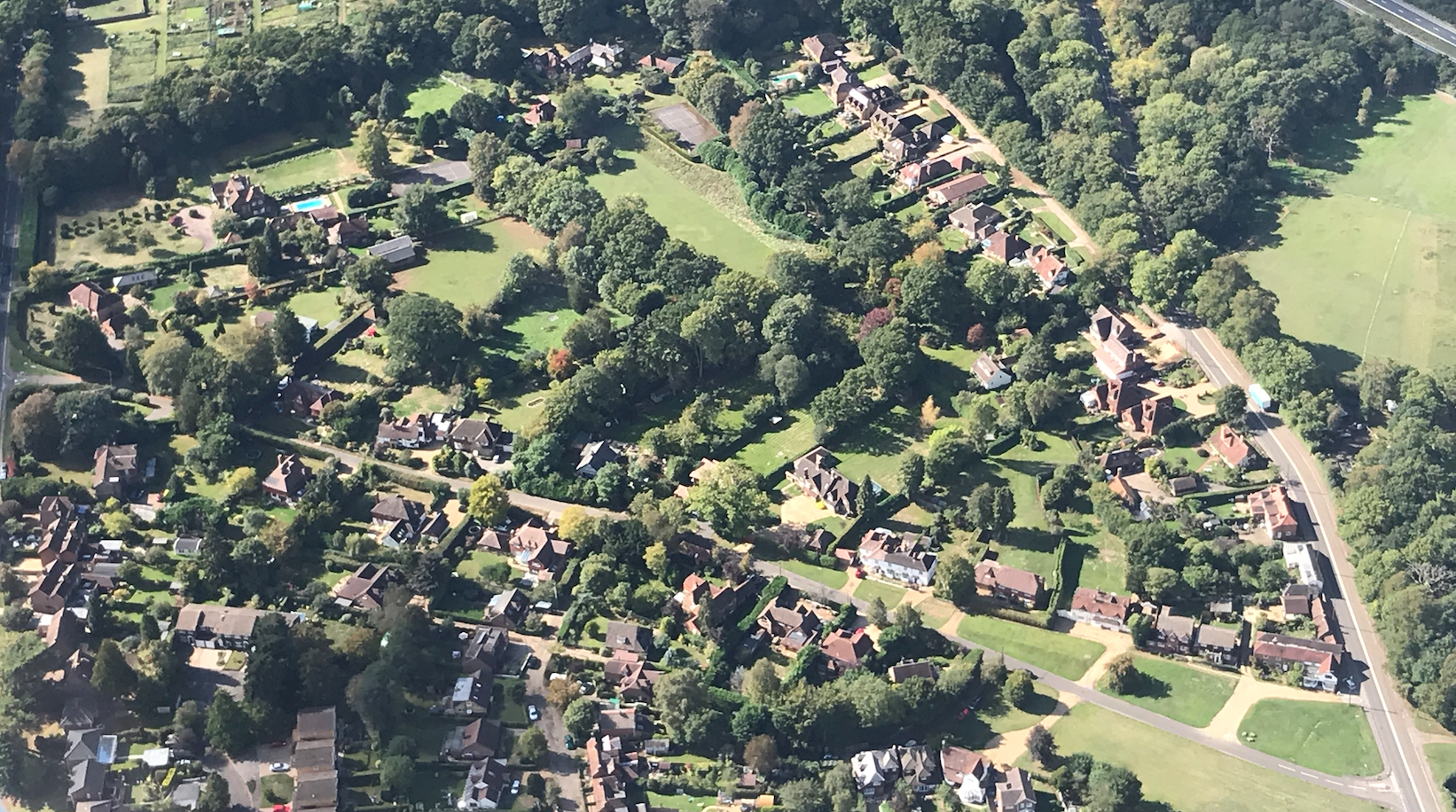
The building sits within a landscape with a much longer history of farming, woodland and country estates. Houses such as Old Birtley were part of the infrastructure that made those estates work: somewhere for the people who farmed the land and worked for the families who owned it.
And that is where Old Birtley’s story begins.
Historic England describes the eastern range as a two-bay house dating from the mid-16th century, with the northern range following in the early 17th century. Both are substantially intact timber-framed structures, separately constructed and later brought together into the building we see today.
The timber frame remains visible on the north and east elevations, with brick or painted-brick infilling. Elsewhere, later alterations introduced brick ground floors, tile-hung upper walls and a tiled roof. Inside, a number of historic details survive, including a C17 or C18 half-winder staircase, original roof timbers and an old fireplace with evidence of a bread oven.
This is why Old Birtley is listed.
Not because it is a grand country house, but because beneath the later additions are two remarkably intact timber-framed buildings, representing different moments in the development of a working rural house.
And the building continued to evolve. What happened next is rather unusual.
Many grand country houses were eventually divided into smaller dwellings when their upkeep became too expensive, particularly after the First World War.
At Old Birtley, the story happened in reverse.
Small working homes were gradually enlarged and brought together, eventually becoming the substantial country house that exists today.
The result is a kind of architectural palimpsest: Tudor timberwork, an early-17th-century addition, later agricultural use, Victorian cottages and 20th-century alterations, all layered into one house.
But the most revealing history isn't found in the timbers.
It is found in the people who lived among them.
Maggie's story
One of the things I love about researching old houses is that the census can turn a building into a place full of people.
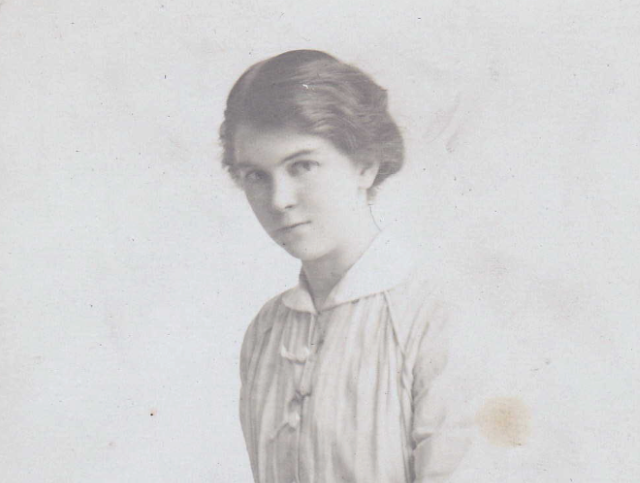
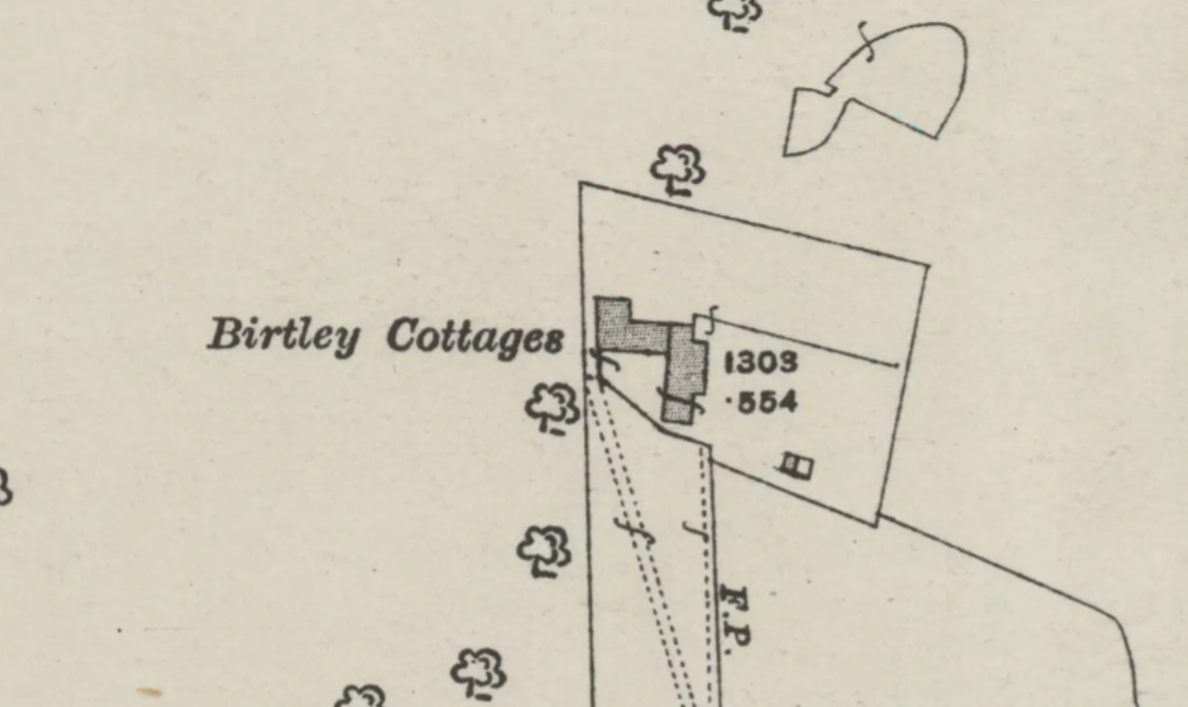
In 1901, Old Birtley was still known as Birtley Cottages. One half was occupied by Charles and Matilda Bridgewater, both aged 34, their two children, John Thomas and Alice Kate, and an eight-year-old girl called Margaret Elizabeth Benham, known as Maggie.
Maggie was Matilda's niece.
She had been born in Dublin in 1892, in the Beggars Bush Barracks, where her father James William Benham was serving with the Royal Sussex Regiment. Her mother, Clara, died the following year, aged just 19.
Maggie was therefore brought to Surrey to live with her aunt Matilda and her family at Birtley.
This wasn't simply a picturesque historic building. It was a home occupied by a family trying to make ends meet, with a motherless little girl taken in by her aunt.
Meanwhile, Maggie's father had remarried. When he was posted to India, his new wife Margaret Mary O'Brien travelled with him, and the couple eventually returned to Britain with their growing family.
By 1906, James and his family were living in a small Victorian terrace in Chichester. Maggie, however, didn't go with them.
We can't know exactly why. Perhaps her aunt’s house had become her permanent home. Perhaps there simply wasn't room or money for another child in a household already supporting a growing family of six on an Army pension.
Whatever the reason, Maggie's life took a very different path.
By 1921, Maggie was 18 and had left Birtley.
She was working in service at Funtington Hall near Chichester, just a few miles from where her father lived.
Funtington Hall was a substantial 25-room house occupied by Major William Grylls, his wife, their three children, members of their extended family, and ten servants. Maggie was the second housemaid.
Her work would have been largely invisible to the family she served: cleaning bedrooms, washing china and silver, handling laundry and helping with household routines such as preparing morning tea.
It is possible that Maggie's father's military connections helped her secure the position. Major Grylls had also served in India, and the world of army families was a closely connected one. But we can only speculate.
What we do know is that Maggie had moved from one working household to another: from the cottage at Birtley, where she was part of a family of limited means, to the servants' quarters of a much larger country house. And then, just as quickly, the records move on.
By April 1921, Maggie had married Henry Vincent Warmsley Taylor, a draper's assistant from Arundel. The couple moved north to Houghton, near Durham, where Henry worked as a postman. They had two daughters, Margaret and Patricia. And then tragedy struck.
Maggie suffered from diabetes and died in 1924, aged just 32, leaving two very young children behind. Her death echoed the story of her own mother, who had died when Maggie was barely a year old.
This is why I find researching old houses so fascinating.
The architectural history tells us what happened to the building.
The people tell us why it mattered.
At first glance, Old Birtley is an attractive historic country house: timber framing, ancient roof timbers, eight bedrooms and a leafy Surrey setting.
But look more closely and a very different story emerges.
This was once a house of working families. People who farmed. People who served. People who raised children in difficult circumstances. People whose lives were shaped by the estates and households around them. And that changes the way you see the building.
Far from being a house full of silverware that needed polishing, Old Birtley was once home to the people who polished the silver.
And perhaps that is the most interesting thing about historic houses. The history isn't just in the beams, bricks and fireplaces. It is in the people who lived alongside them.
The people behind the house
Slide title
Write your caption here
Button
Slide title
Write your caption here
Button
Slide title
Write your caption here
Button
Slide title
Write your caption here
Button
And then there was the Titanic...
There is one final twist in Maggie's story.
Her husband Henry had a brother, Bernard Cuthbert Taylor, born in Arundel on 31 December 1889.
Cuthbert, as he was known, first worked as a grocer's assistant before joining the Royal Navy at the age of 16. His naval service papers give us an extraordinary glimpse of the young man: brown hair, blue eyes, a “fresh” complexion and tattoos, including a face on his right forearm and an anchor on his left. He was just 5 feet 3¼ inches tall.
After leaving the Navy, due to bad teeth, Cuthbert signed on as a steward aboard the Titanic on 4 April 1912.
He was due to earn £3 15s a month as a third-class steward. But he never made it to New York.
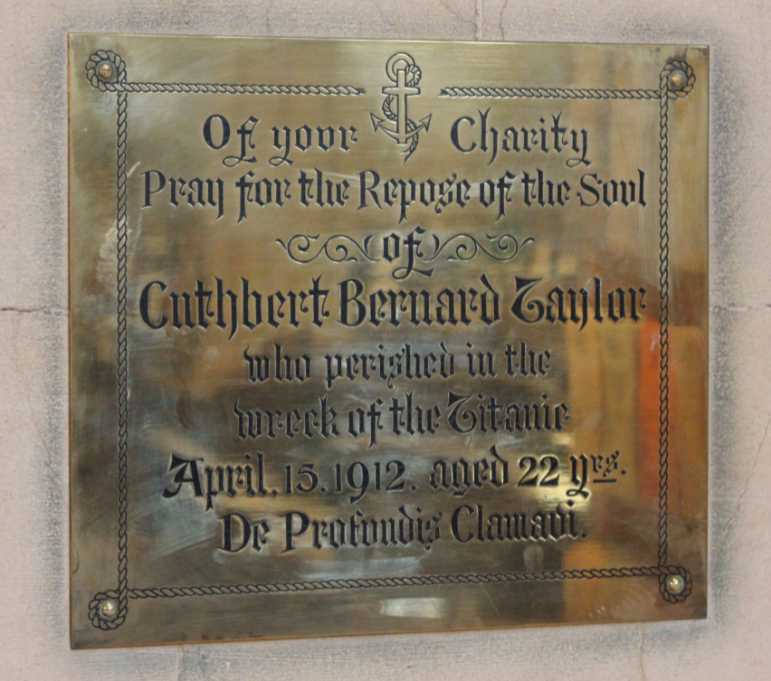
Just one day after signing on, on 5 April 1912, Cuthbert died when the Titanic sank. He was 22.
A memorial plaque to him was later erected in Arundel Cathedral. It is an extraordinary detail to uncover in connection to our Surrey house.
And it is a reminder of why I think the most interesting research often begins with the seemingly insignificant names in a census.
Suddenly, a building that seemed to be simply a beautiful old house becomes a doorway into hundreds of individual lives.
That is the real story of Old Birtley.
Want to discover the stories behind your front door? Drops us a line to find out more about our house history service.