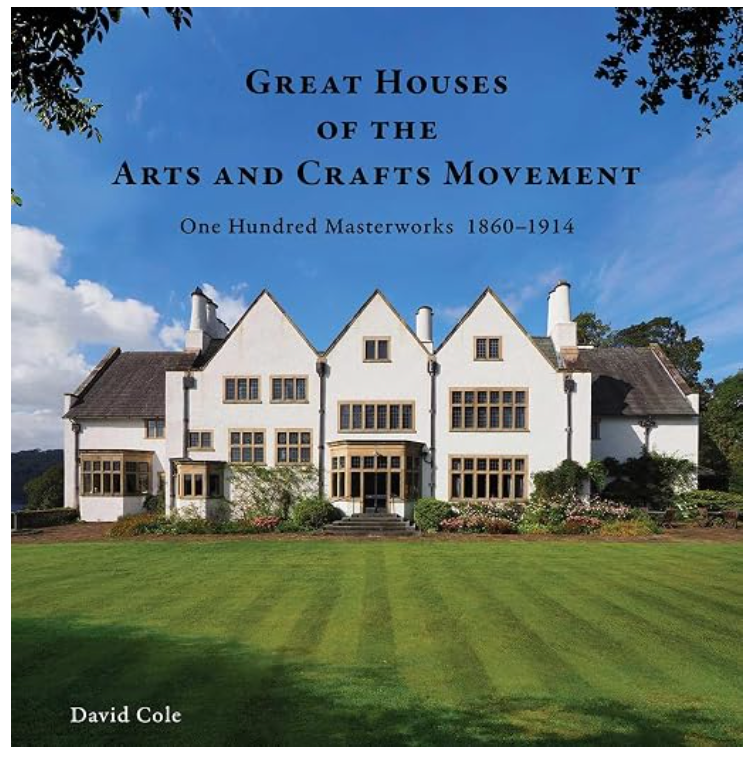
A new perspective on Britain’s architectural heritage
Beyond Lutyens and Voysey
For anyone interested in Arts & Crafts architecture, two names tend to dominate the conversation: Edwin Lutyens and C.F.A. Voysey.
And quite rightly. Both were hugely influential, and David Cole has already devoted books to each of them. His
The Art and Architecture of C.F.A. Voysey was published in 2015, followed in 2017 by his acclaimed biography
Sir Edwin Lutyens: The Arts and Crafts Houses.
It is therefore no surprise that Lutyens and Voysey feature prominently. But one of the things I enjoyed most about Great Houses is that it encourages us to look beyond the familiar names.
The book features 44 architects, demonstrating that Lutyens and Voysey didn't operate in isolation. They were part of a fascinating conversation about architecture, craft, society, nature and how we should live.
And, while the book certainly reinforces their extraordinary position within the movement, it also helps us understand the architectural influences that shaped them.
Where did the Arts & Crafts Movement come from?
Perhaps my favourite aspect of the book is the introduction to the movement’s pioneers.
The Arts & Crafts movement can sometimes feel like a collection of beautiful houses scattered across the English countryside.
Its roots lie in the ideas of figures such as John Ruskin and William Morris and in a profound dissatisfaction with the consequences of industrialisation. Against mass production and increasingly mechanised manufacturing, the movement championed craftsmanship, materials, honesty of construction and the value of things made by hand.
The movement was a reaction to the world around it. So, the houses are more than pretty examples of historic architecture. They represent an attempt to create a different way of living.
Architecture as art, and the search for utopia
One of the recurring themes running through the book is the rural idyll.
The Arts & Crafts architects looked towards the countryside, traditional buildings and vernacular forms, embracing an idea of the picturesque that was almost the antithesis of the industrial city.
But the movement wasn't simply about escaping to the country.
There was a much bigger ambition at work: architecture as art, craftsmanship as a meaningful occupation, and the house as part of a wider social and cultural ideal.
In that sense, the Arts & Crafts house becomes a kind of experiment in utopia.
The idea was that a beautiful environment, thoughtfully designed and made by skilled craftspeople, could influence the way people lived. Architecture, furniture, textiles, gardens and decorative arts could all work together.
Not just the "Surrey style"
Living and working in Surrey, I am very aware of how strongly Arts & Crafts architecture is associated with the county.
And with good reason.
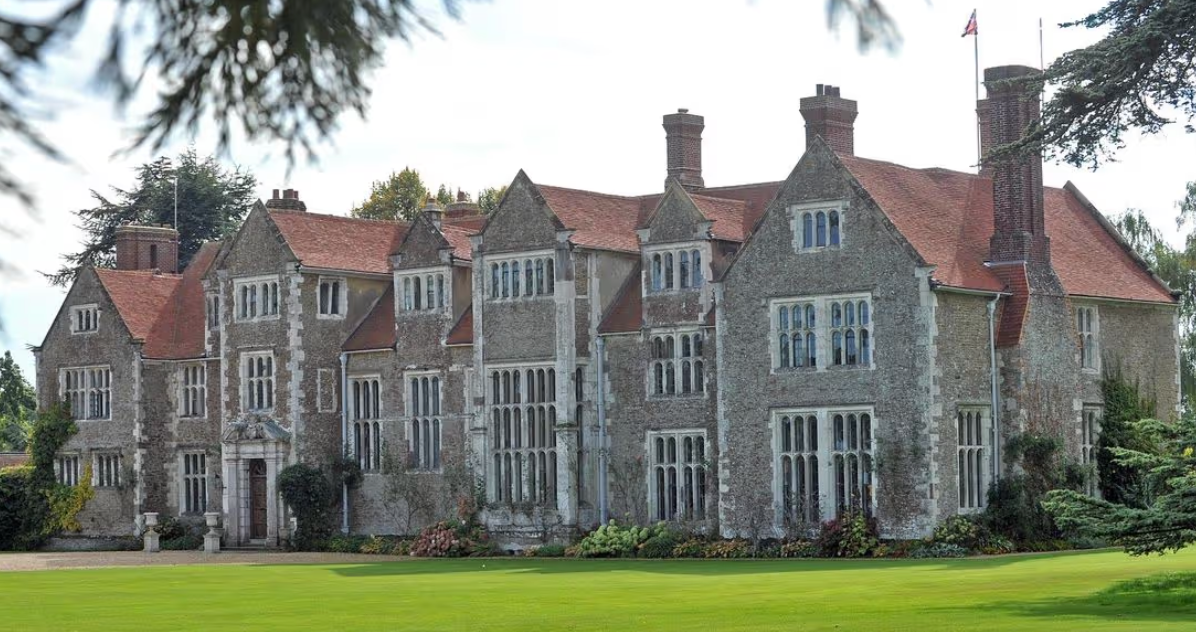
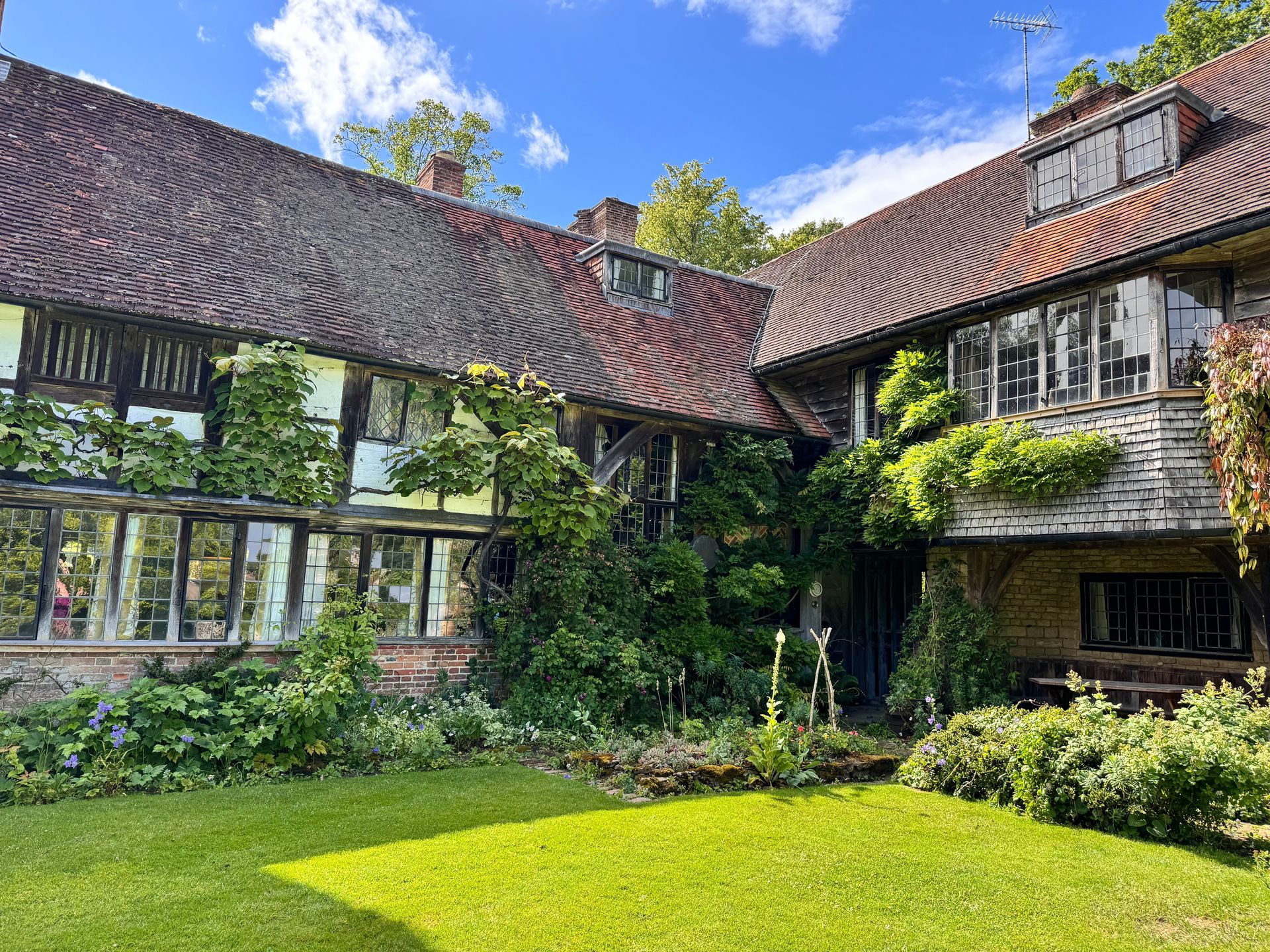
This part of the country is blessed with some extraordinary examples, from Munstead Wood and Goddards to Vann and Norney Grange. They are part of the landscape, rather than simply buildings placed within it.
David takes us across Britain, introducing houses and architects from different regions, showing how the movement developed its own local characteristics. The local context stops us thinking of Arts & Crafts as a particular look and instead helps us understand it as a much broader architectural movement.
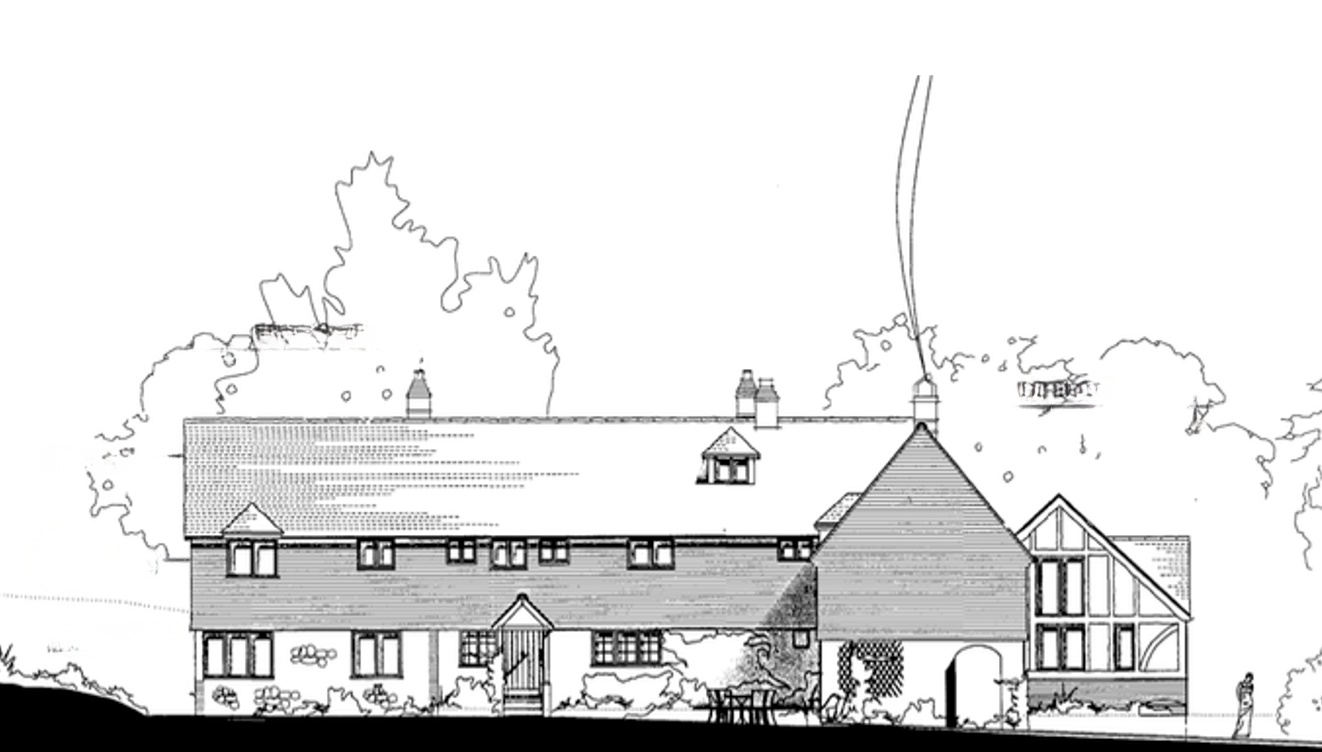
The book includes floor plans, which help to demonstrate function. They reveal the relationships between rooms, circulation, entrances, service spaces and gardens, allowing us to understand something of the architect's original intentions.
For anyone interested in interiors, this is invaluable. After all, the Arts & Crafts approach was never just about the façade. These were houses designed around how people lived.
And because many of the properties featured remain privately owned, the book offers an unusually intimate glimpse into buildings that most of us would never otherwise have the opportunity to see.
A personal journey through familiar houses
One of the pleasures of reading the book has been coming across houses I've already written about.
Norney Grange, Prior’s Field, Vann, Munstead Wood and Goddards have all featured in my own explorations of Arts & Crafts architecture.
Yet seeing them in the context of David Cole's wider collection changes the way you look at them.
Rather than treating each house as an isolated masterpiece, you begin to see connections.
Influences pass from one architect to another. Ideas evolve. Vernacular traditions are reinterpreted. The relationship between house and landscape becomes more sophisticated. An architect’s development becomes particularly fascinating when viewed against this much broader background.
There is a tendency to think of architectural history as something safely belonging to the past. But what happens when technology and mass production begin to dominate our lives? What do we lose when everything becomes standardised? What is the value of making something by hand? And how can our homes feel connected to their surroundings rather than simply imposed upon them?
These are questions we are still asking.
If the Arts & Crafts movement is arguably Britain's great home-grown contribution to architectural and design history, then Great Houses of the Arts & Crafts Movement is an excellent way to understand how it came about.
It is not simply a catalogue of beautiful houses, although there are certainly enough beautiful photographs to make it a wonderful coffee-table book.
It is a history of ideas told through buildings.
It introduces the pioneers, follows the evolution of the movement, explores its regional variations and demonstrates the extraordinary range of architects working within, and sometimes beyond, its principles.
Great houses are never simply about houses. They are about the people who designed them, the people who lived in them, the craftsmen who made them, the landscapes that surround them, and the ideas about how we might live that they embody.
Want to explore more Arts & Crafts architecture?
Contact us
The body content of your post goes here. To edit this text, click on it and delete this default text and start typing your own or paste your own from a different source.