The Arts & Crafts Movement
The counterpoint to speed
In the late 19th century, Morris challenged the rise of mass production and the decline of craftsmanship. He believed that the objects we live with should be made with care, integrity and purpose. Isn’t this what is missing from modern interiors copied from a magazine, or a trend thought up on social media?
Fast interiors, like fast fashion, prioritise immediacy. Rooms are assembled rather than designed. Decisions are made in isolation. And while the result can be visually appealing, it often lacks depth, cohesion and longevity.
The Arts & Crafts approach asks us to pause. To consider not just how something looks, but why it belongs.
Beyond decoration
One of the most enduring lessons from Morris is that a home should feel like a coherent whole.
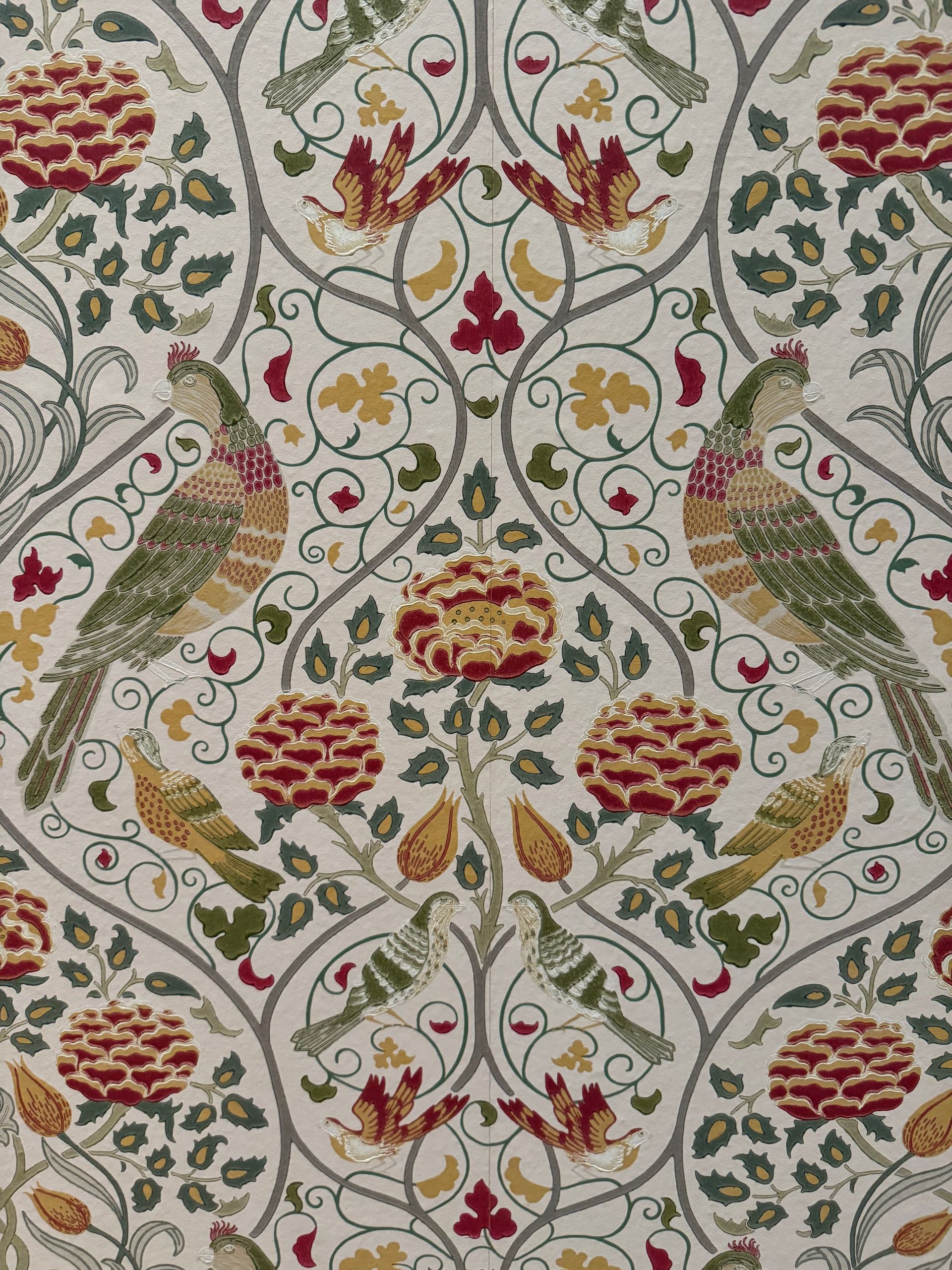
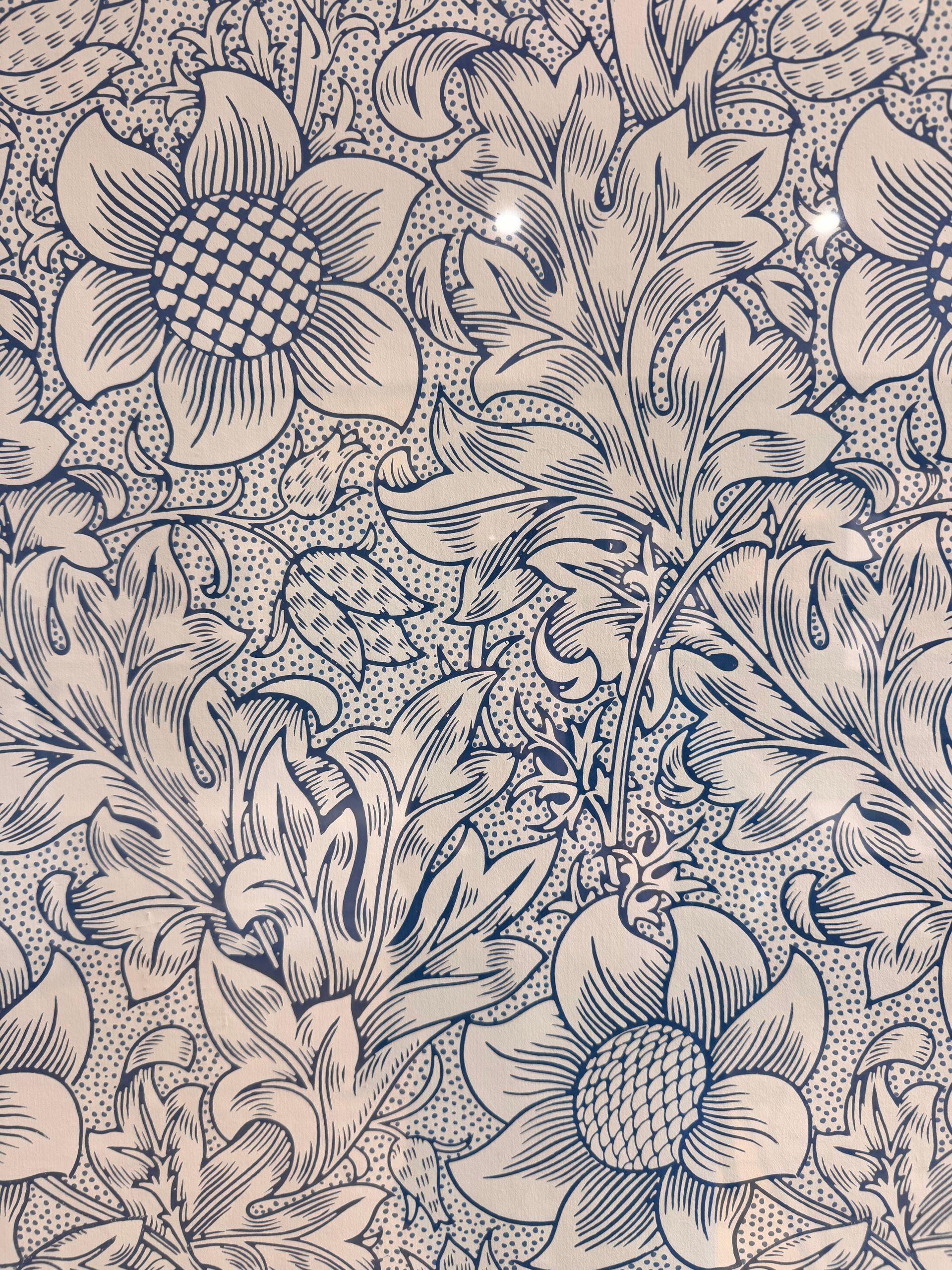
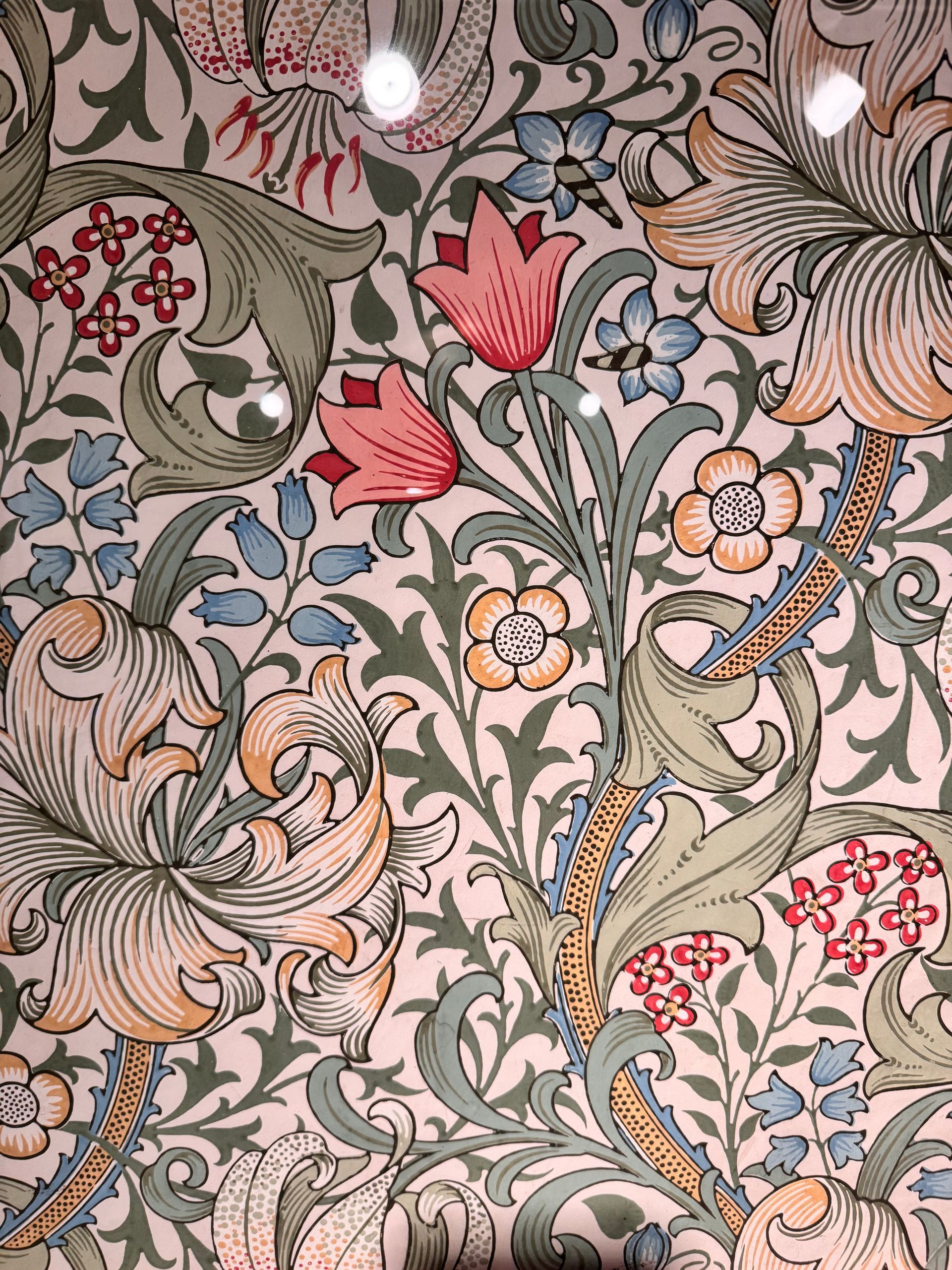
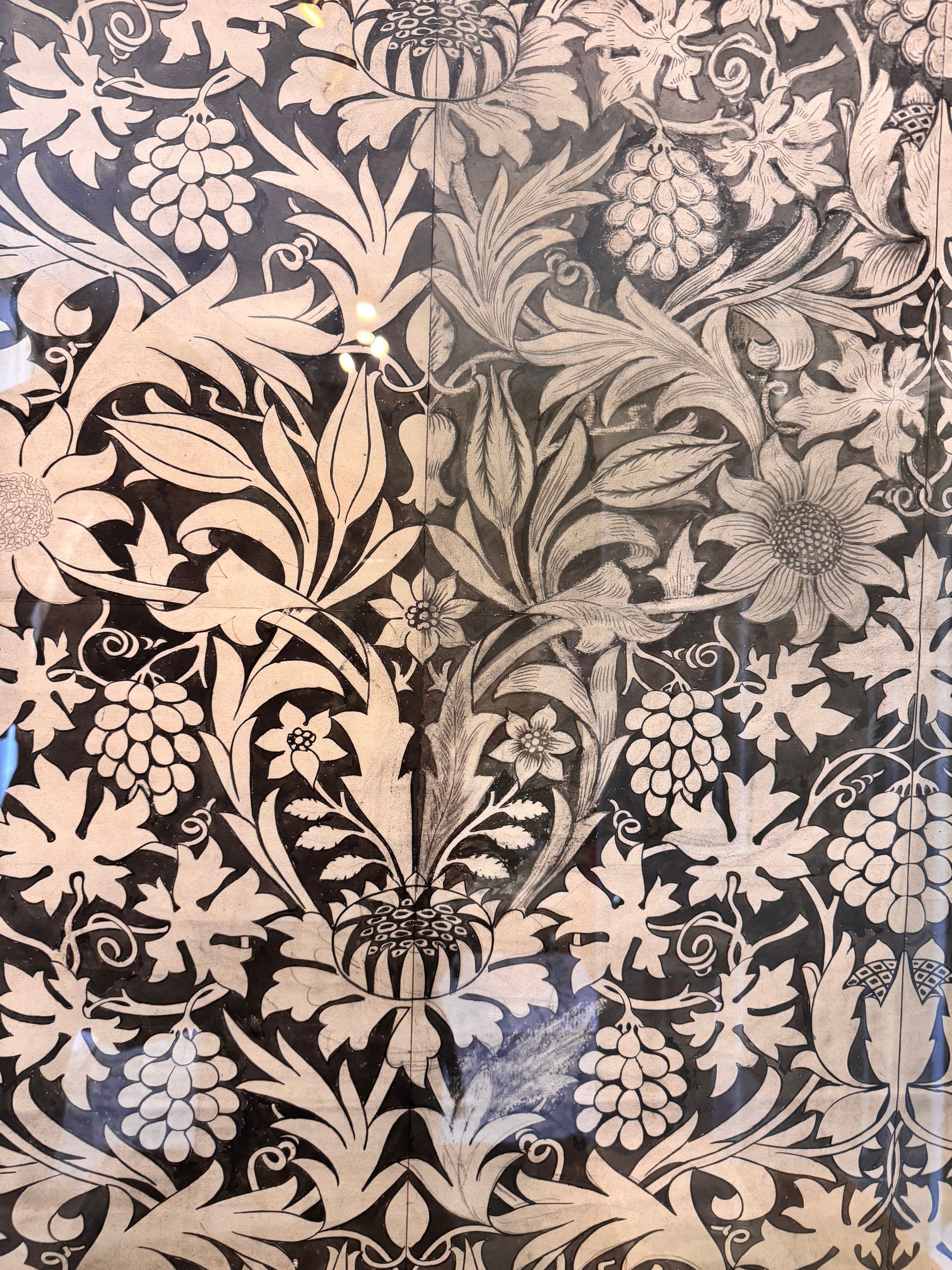
At Kelmscott House, his interiors weren’t a collection of individual choices. They were a carefully considered response to architecture, setting, context and daily life. Wallpapers, textiles, furniture, and even books, were part of a wider narrative.
This is the difference between decorating and designing. Decoration focuses on surface. Design considers context.
And it’s often this missing layer of thinking that leaves modern interiors feeling disjointed, particularly in homes where architecture and interiors are treated separately.
The Arts & Crafts movement placed immense value on materials and process. Morris rejected synthetic dyes in favour of natural pigments, creating colours with depth, subtlety and a sense of permanence.
This wasn’t about nostalgia. It was about integrity.
In today’s homes, this translates into choosing materials and colours that respond to light, architecture, and atmosphere, not just current trends. It’s about creating spaces that feel grounded and intuitive, rather than imposed.
For many homeowners, this is where clarity begins to replace overwhelm.
When every decision is anchored in a bigger idea, the process becomes not only more coherent, but more enjoyable.
Designed for longevity
Morris also understood something that is often overlooked: good design should last.
His work at Merton Abbey in Surrey reflected a commitment to quality, sustainability and ethical production, values that continue through organisations like the Society for the Protection of Ancient Buildings.
Today, designing with longevity in mind is both a practical and emotional investment. It means creating a home that evolves with you, rather than needing to be constantly refreshed or replaced.
You don’t need to live in a period property to embrace these principles. Whether your home is historic or contemporary, the Arts & Crafts philosophy offers a way of designing that prioritises meaning over speed, and connection over convenience.
It’s about stepping away from the pressure to “get it done” and instead creating something that feels right, layered, thoughtful, and entirely your own.
Because the most successful interiors aren’t the ones that follow trends.
Slide title
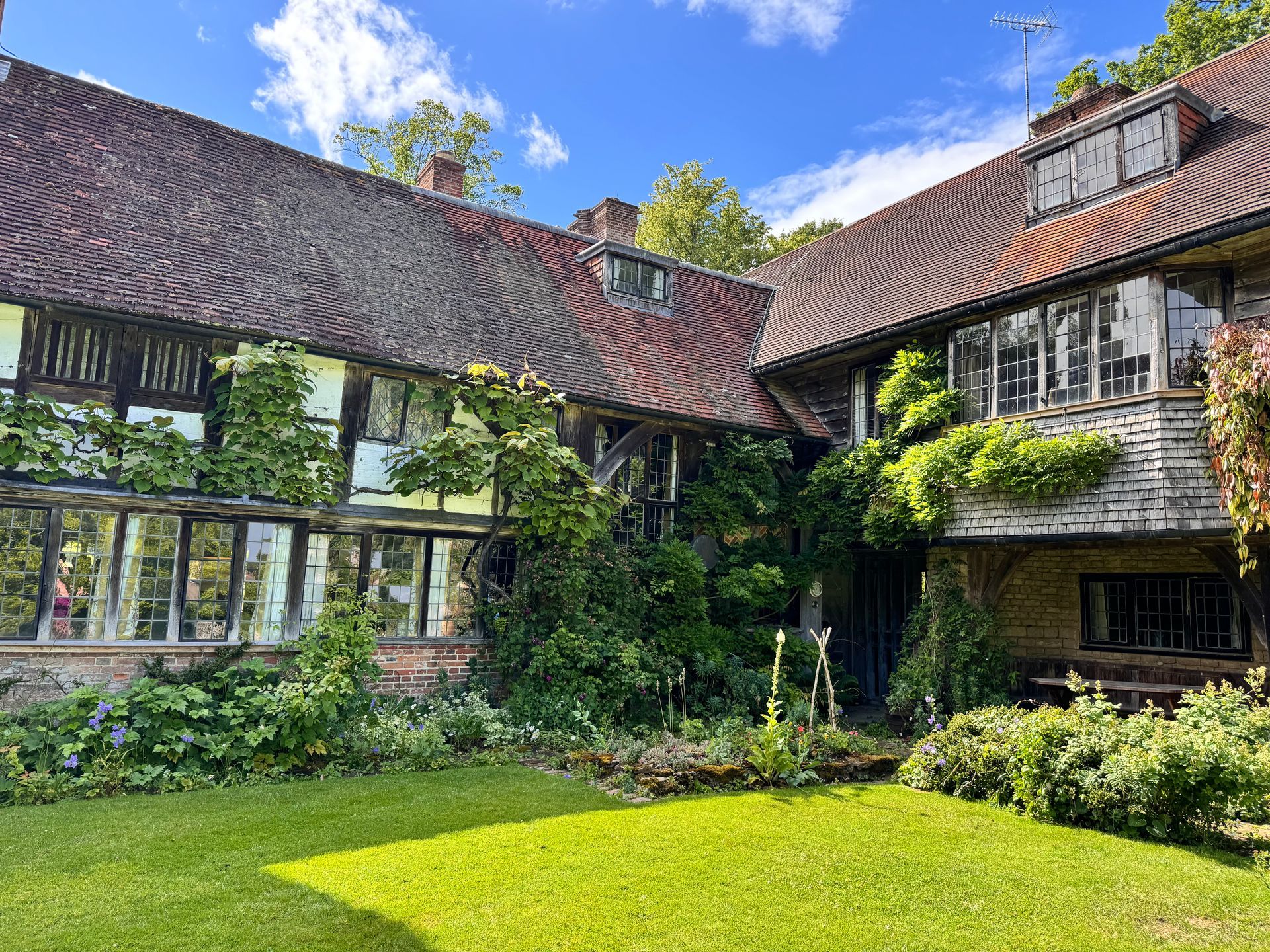
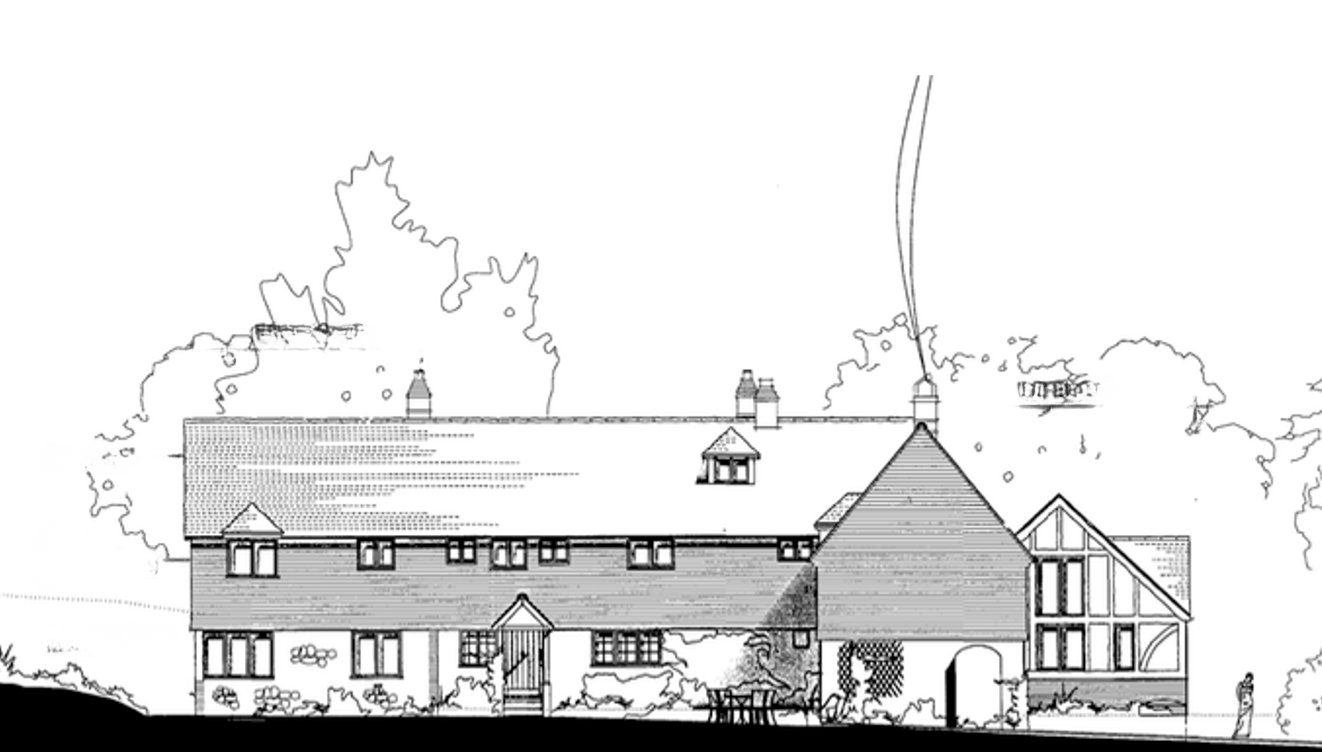
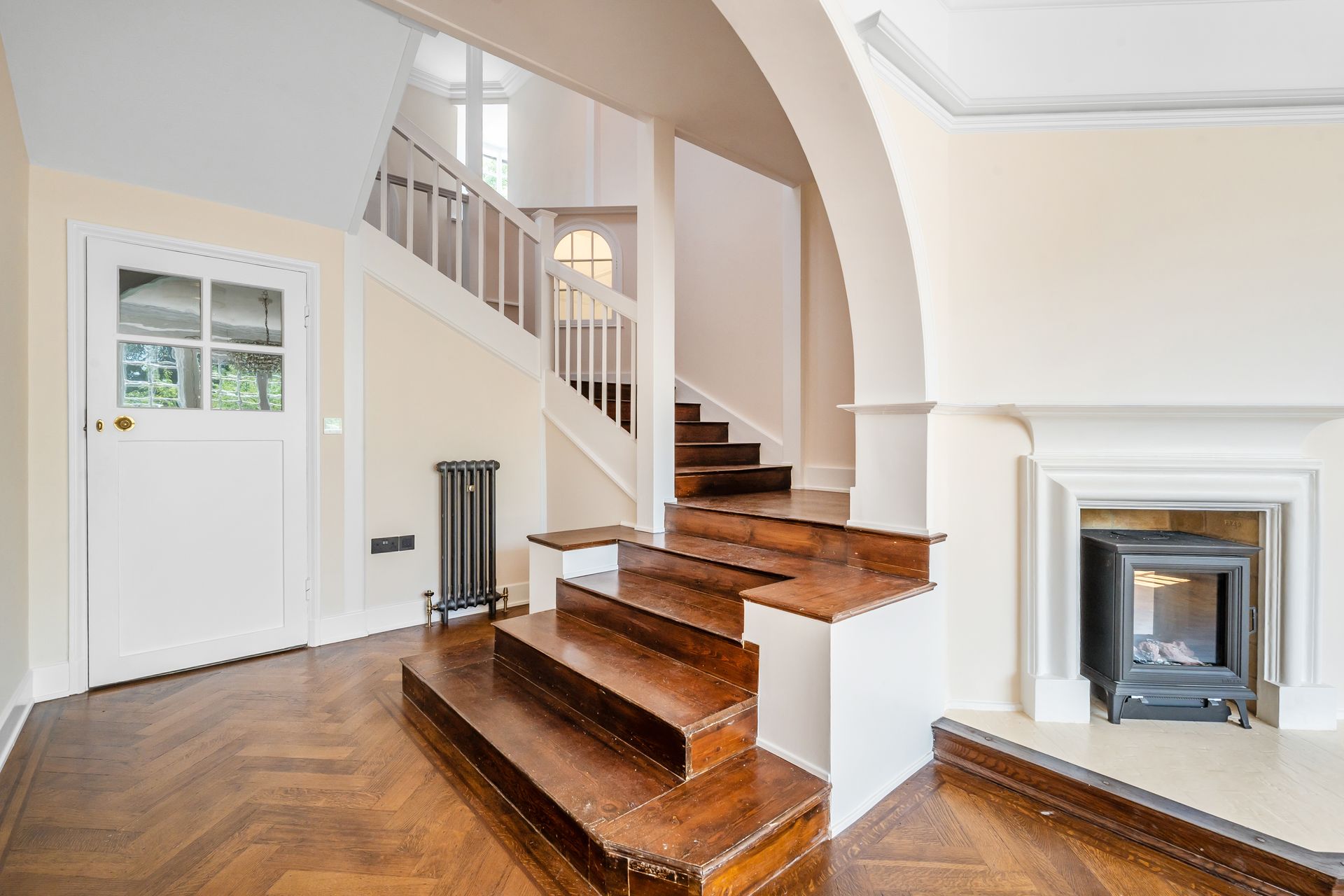
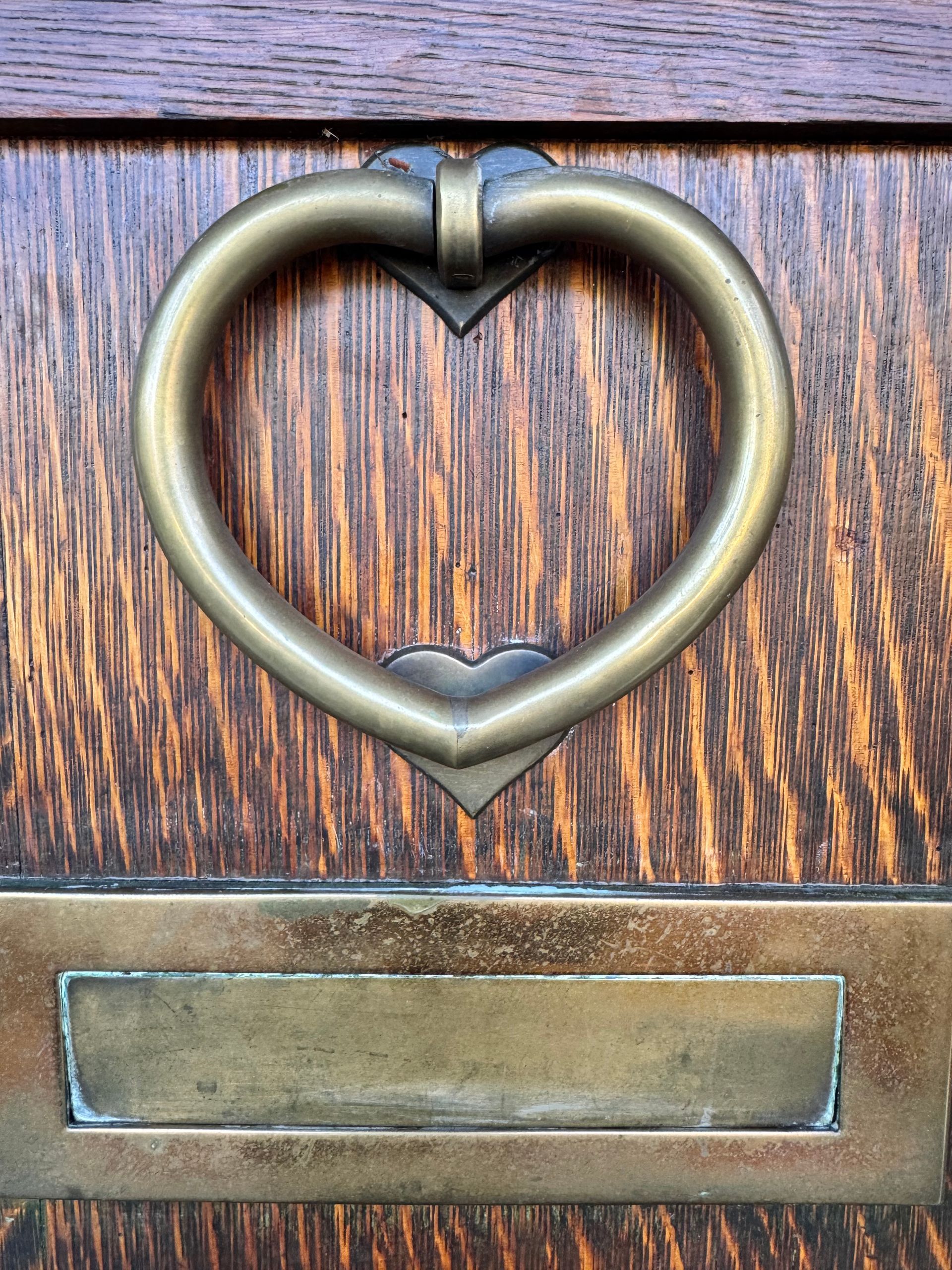
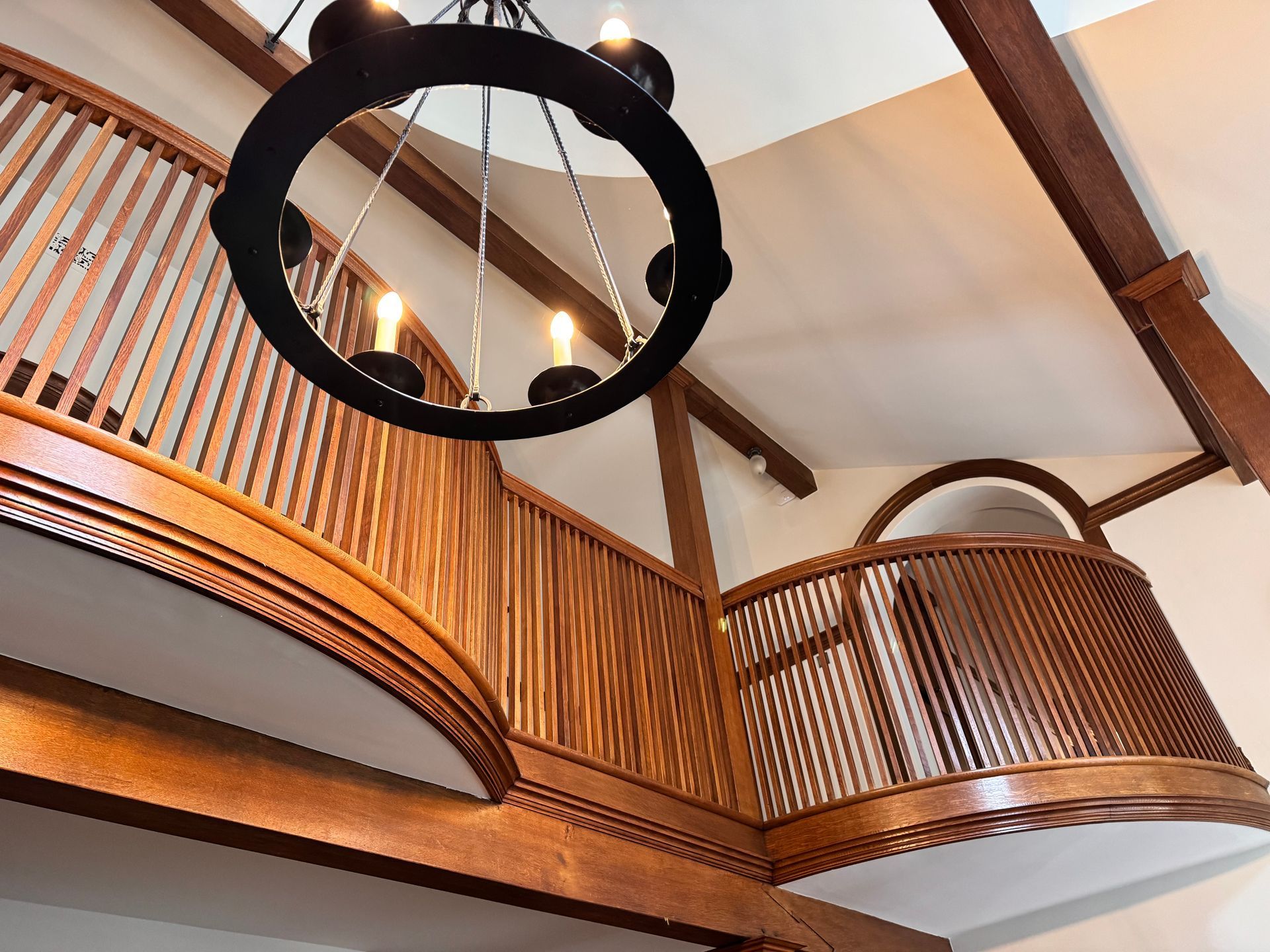
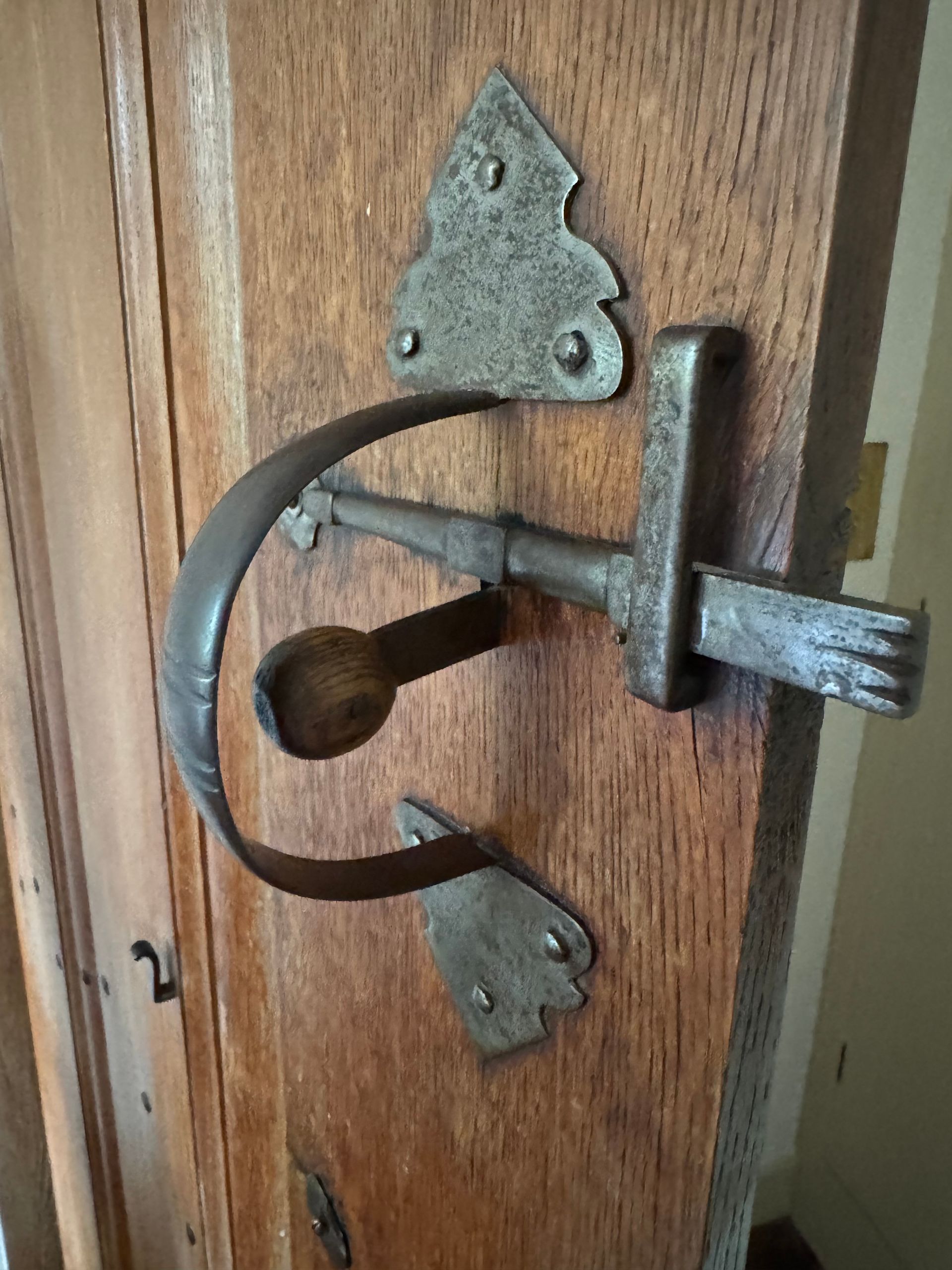
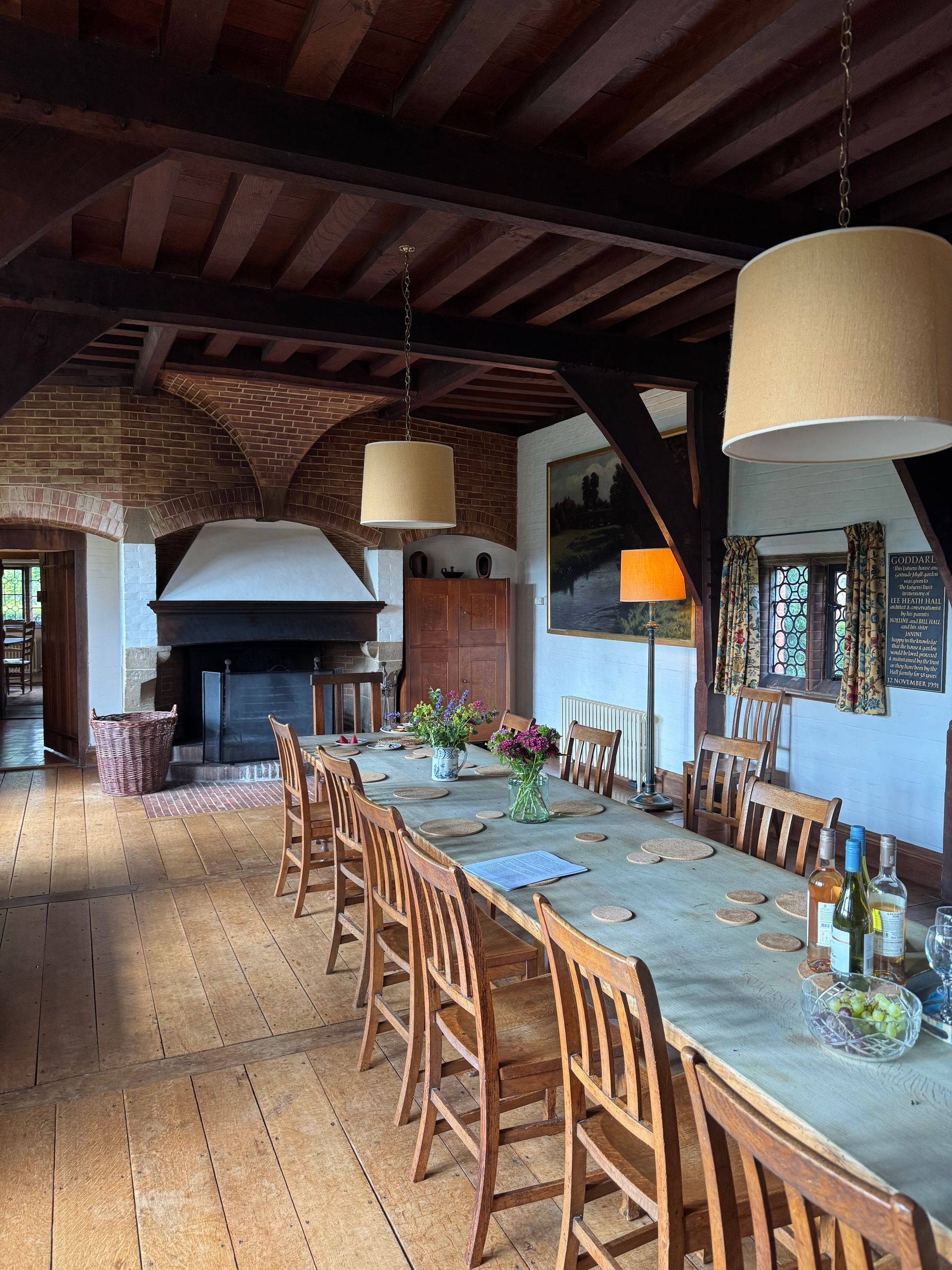
Lutyens, Littlecroft, Guildford
Button
If you’re looking to move beyond fast interiors and create a home that feels considered, cohesive and built to last, I’d love to help.
You can also sign up to my newsletter for insights and guidance on designing a home with depth and intention.