A story of history, heritage & extraordinary connections
When we moved to Singapore in 2013, I found myself doing just that. I was curious about the history of our immediate surroundings, particularly as we lived opposite the former Dempsey Hill barracks. With an interest in military history, I wanted to know whether the ground beneath our feet had played a part in any of the battles of the Second World War.
What I discovered was rather extraordinary. We were living barely a kilometre from the front line during the Battle of Singapore. And, in researching those events, I stumbled across a man whose story would eventually lead me back to my hometown of Godalming.
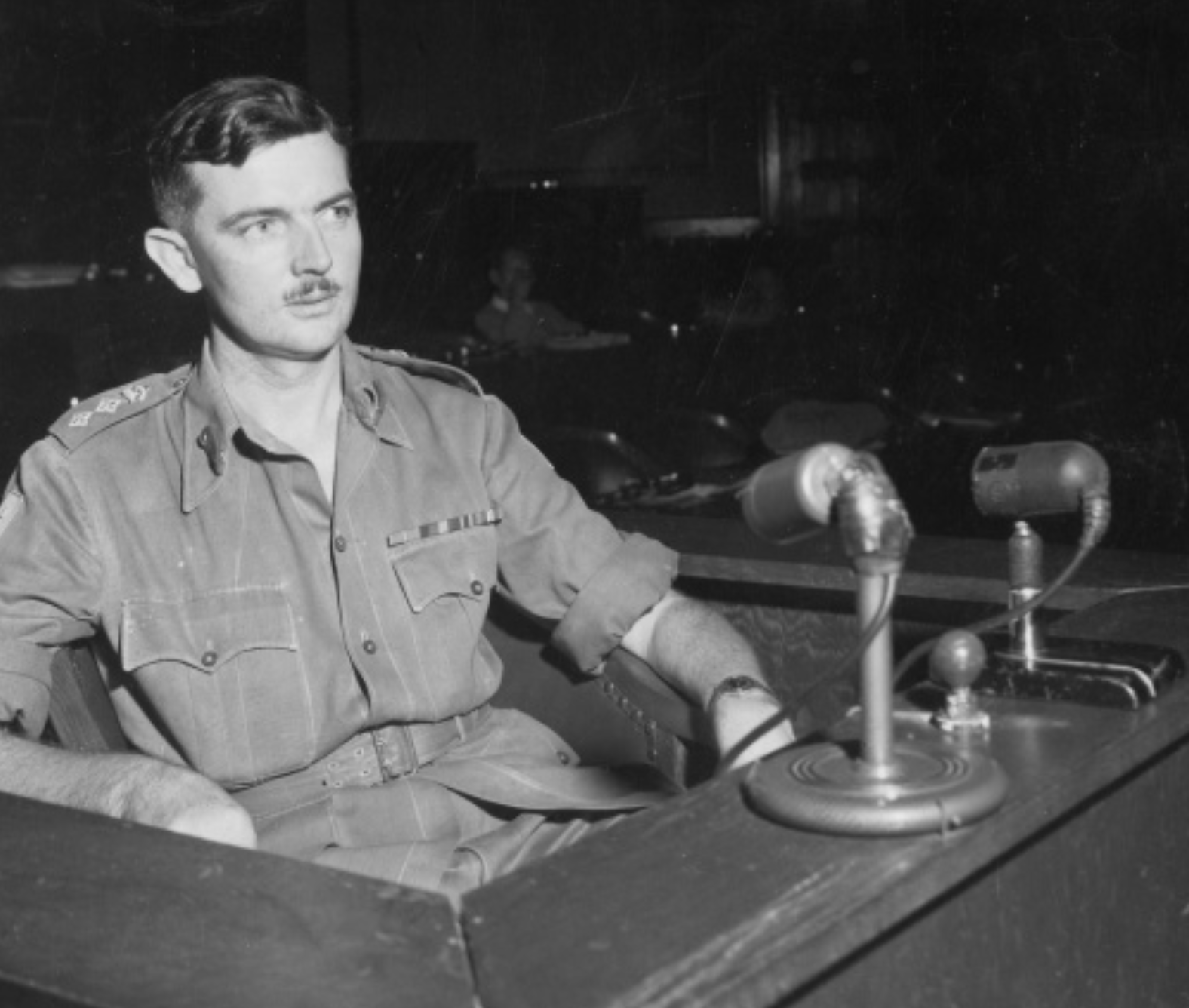
This is the story of Colonel Cyril Wild, known to his Japanese captors as the tall man who never slept.
The man with the white flag
I first encountered Wild in these photographs. There is little to mark the ground where this pivotal moment took place today, beyond the roads and modern infrastructure that have transformed the landscape. Yet the significance of that small stretch of ground is enormous.
The following year, I celebrated my 40th birthday. When my long-suffering husband asked what I wanted to do, I suggested a visit to the Old Ford Factory, where the surrender had been signed and which is now a museum. Perhaps not everyone's idea of a birthday treat, but I was delighted.
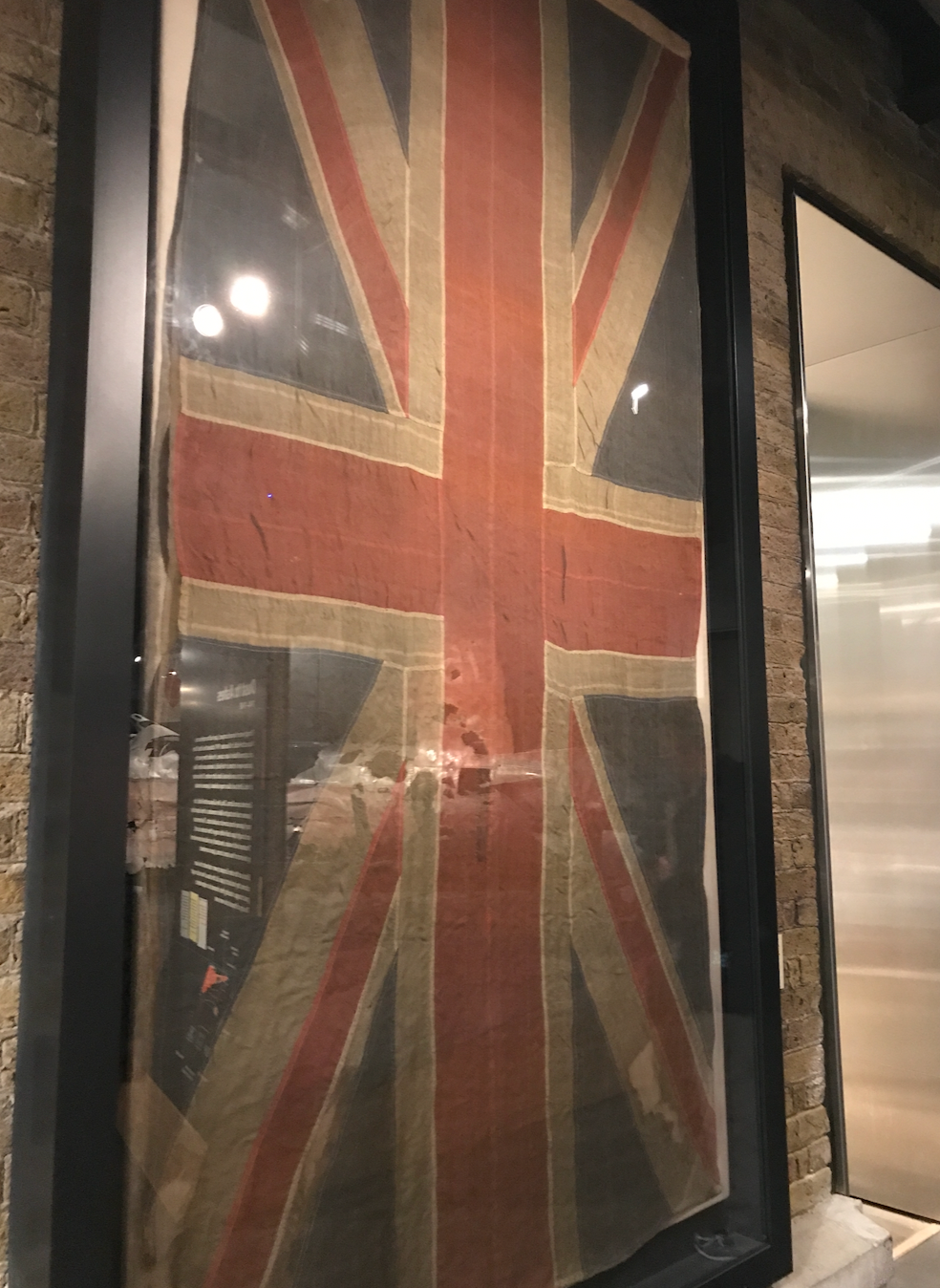
There, I came face to face with Major Wild again, this time in the form of a mannequin, standing with a Union flag. It was the beginning of a much deeper fascination with his story.
The tall man who never slept
Wild's war did not end with the surrender. He spent the remainder of the conflict as a prisoner of war, first at Changi and subsequently working on the infamous Thai–Burma Railway, often referred to as the Death Railway. Telling his Japanese captors that he had burnt the Union flag, he kept it hidden for the entirety of the war, an offence punishable by death.
The conditions were appalling. Food was scarce, sanitation was almost non-existent and the physical labour was brutal. Thousands of Allied prisoners died during its construction, alongside many thousands of Asian civilian labourers.
Wild was determined to look after the men in his charge. His Japanese language skills, developed during an earlier period working in Japan for the Shell oil company, proved invaluable. His captors recognised his dedication to his fellow prisoners and gave him the nickname the tall man who never slept.
One man whose life he helped save was James Bradbury, a Royal Engineer who attempted to escape from the railway. Bradbury and five companions survived six weeks in the jungle before being discovered by Burmese hunters and handed back to the Japanese. Escape was punishable by death, but Wild intervened on Bradbury's behalf and successfully argued against his execution.
It is a remarkable example of the influence one individual can have, even in the most desperate circumstances. Wild's courage was not simply about surviving his own captivity; it was about using whatever influence he had to protect others.
A flag, an empire & an unanswered question
Wild survived the war and returned to Singapore after the Japanese surrender in August 1945. In September, he was invited by Lord Mountbatten, Supreme Allied Commander South East Asia, to take part in raising the Union flag over Singapore's Town Hall.
It was a profoundly symbolic moment. The flag represented the restoration of British authority, but the empire that had once seemed so secure in the Far East would never quite recover. Singapore's fall had exposed the fragility of colonial power, and the years following the war would see the rapid dismantling of the British Empire.
Wild's story, however, was not over.
In 1946, he was appointed a War Crimes Liaison Officer, using his knowledge of Japanese language and military operations to assist investigations into atrocities committed during the war. He had become an important witness in the investigations and trials.
On 25 September 1946, while travelling from Tokyo to Singapore via Hong Kong, the aircraft carrying Wild crashed. All 19 people on board died.
The official explanation attributed the crash to turbulence. However, conspiracy theories have persisted, suggesting that the aircraft may have been sabotaged because of Wild's involvement in the war crimes investigations. Some accounts have suggested that his evidence could have had serious implications for the Japanese imperial family and the political balance of post-war Asia, at a time when the Allies were increasingly concerned about the spread of communism.
There is no conclusive evidence that the crash was anything other than an accident. Nevertheless, the circumstances surrounding his death, and the questions that remain, demonstrate how the aftermath of war was shaped by political considerations as well as the pursuit of justice.
It is a sobering reminder that the consequences of a single military defeat can extend far beyond the battlefield.
An unexpected connection to Godalming
The final twist
You might think that was enough coincidence for one story. But there was one more.
At a family gathering, I was chatting to Christian, a friend of my mother's. They had trained together as nurses in the 1960s. I knew her surname was Wild, but I had no idea of the connection.
It turned out that Christian was Cyril Wild's niece.
The story had come full circle. I subsequently visited the Imperial War Museum with Christian and saw the flag on display. To me, it was an extraordinary and tangible piece of history: an object that connected a man, a family, a school, a town and a momentous period of international history.
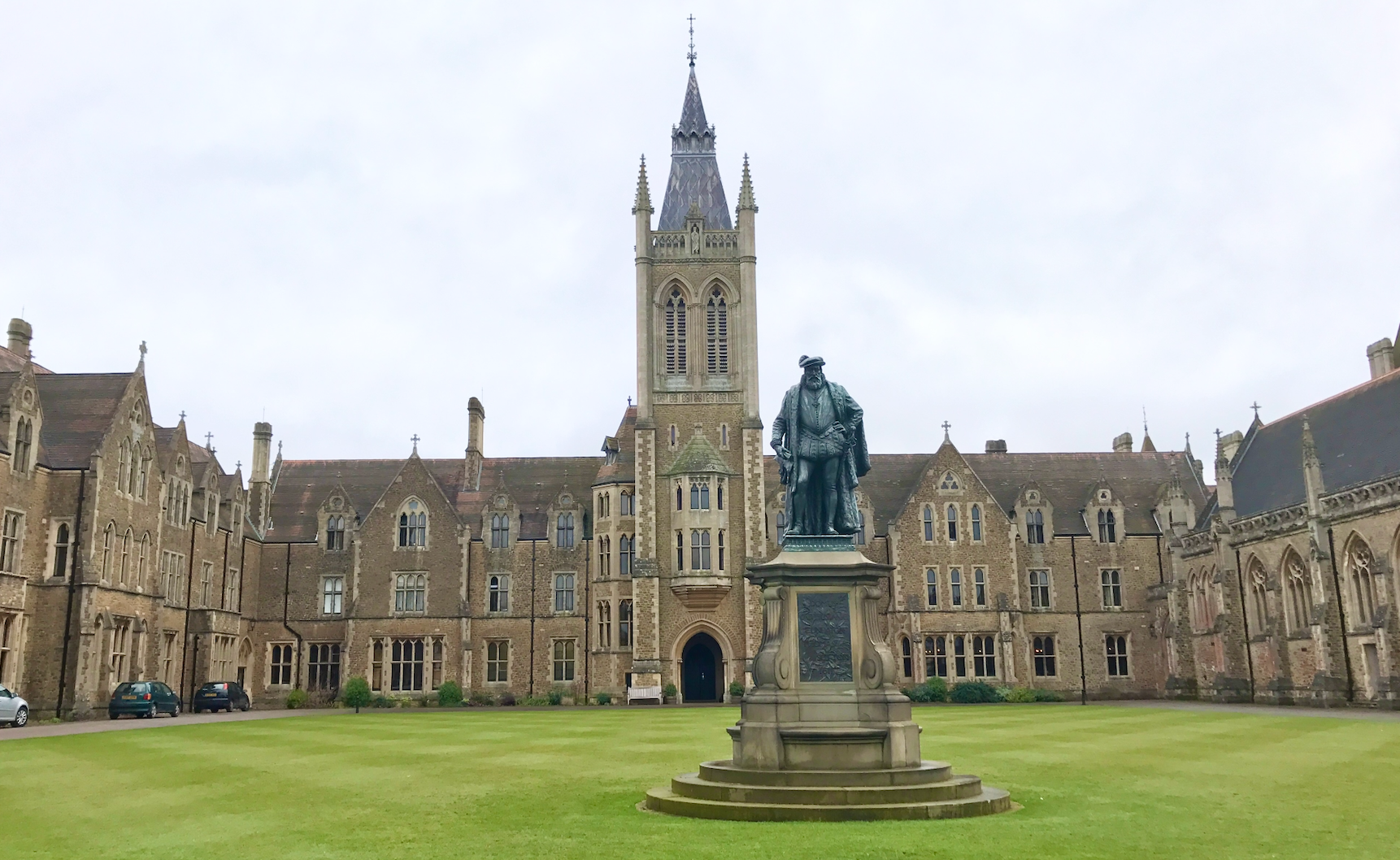
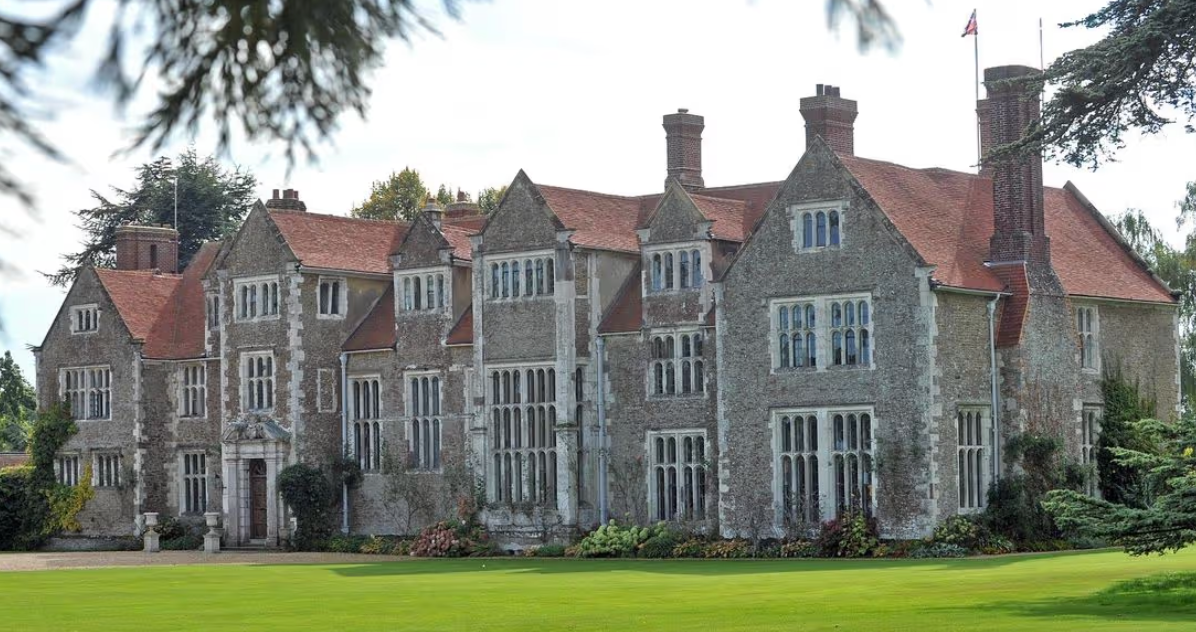
It also brought home just how far-reaching the history of a building can be. Charterhouse is not simply a collection of impressive Victorian buildings on the outskirts of Godalming. Its story begins in Tudor London, is shaped by charitable foundations and educational reform, and reaches into the lives of people whose actions had consequences on the other side of the world.
Travel has made me inquisitive. I enjoy the process of investigating a place, finding the connections and working out how it fits into the wider historical jigsaw.
Living in Singapore taught me that the world is remarkably small. People, places and events are connected in ways that are not always immediately obvious. Sometimes those connections cross continents; sometimes they span generations. And sometimes, as in this case, they bring you unexpectedly back to your own doorstep.
This is one of the reasons I find researching the history of buildings so fascinating. A house or building is never simply an architectural object. It is a witness to the lives of the people who have passed through it, the social changes that have shaped it and the wider political events that may have influenced its fortunes.
The history may begin locally, but it rarely ends there.
And that, to me, is where the real stories are.
What story does your home tell?
Every heritage home has a story to tell. I believe understanding a property's history is the starting point for creating interiors that feel authentic, considered and connected to their surroundings. Whether you're renovating a period home or simply curious about its past, I'd love to help you uncover its story and bring it to life through thoughtful design.