The remarkable history behind a quiet Surrey road
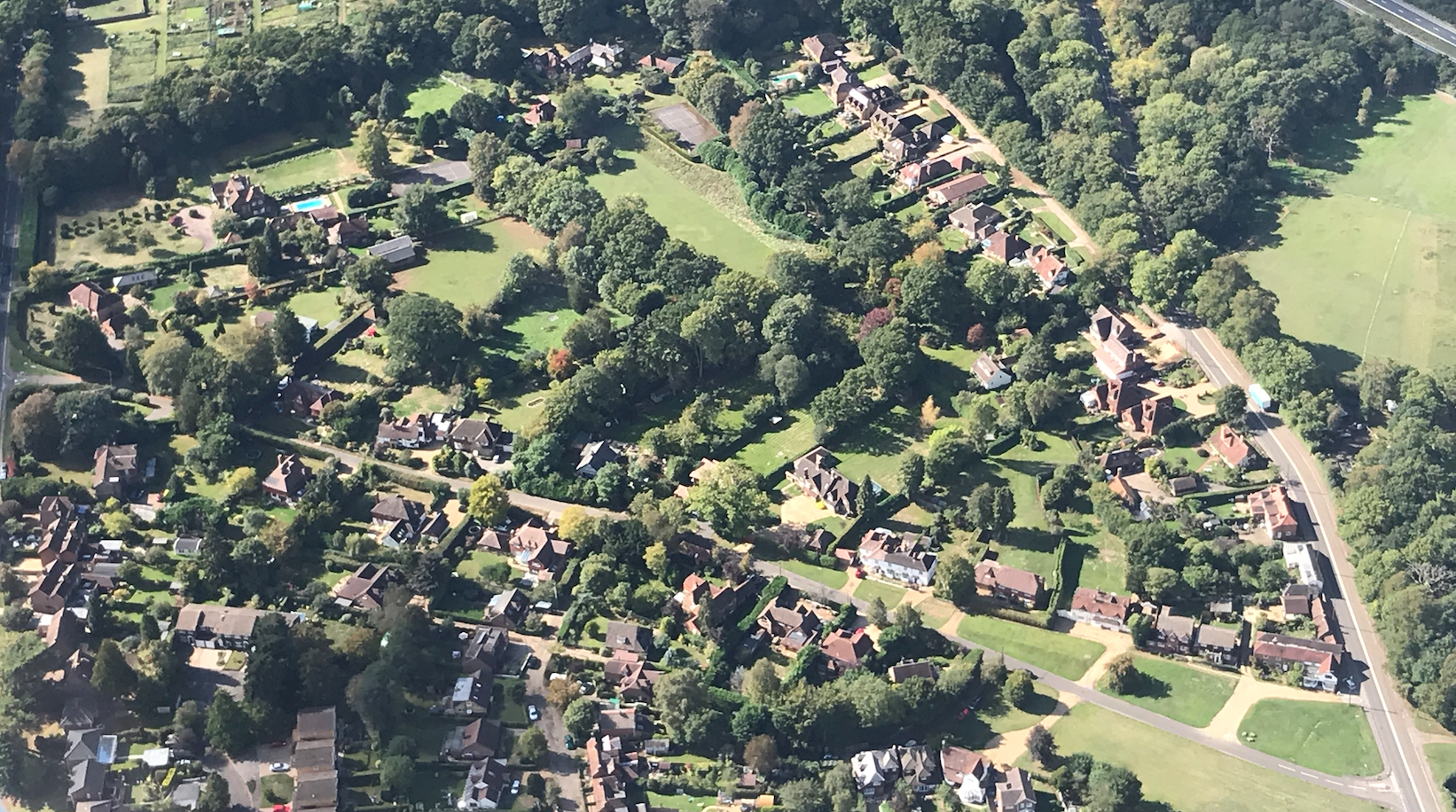
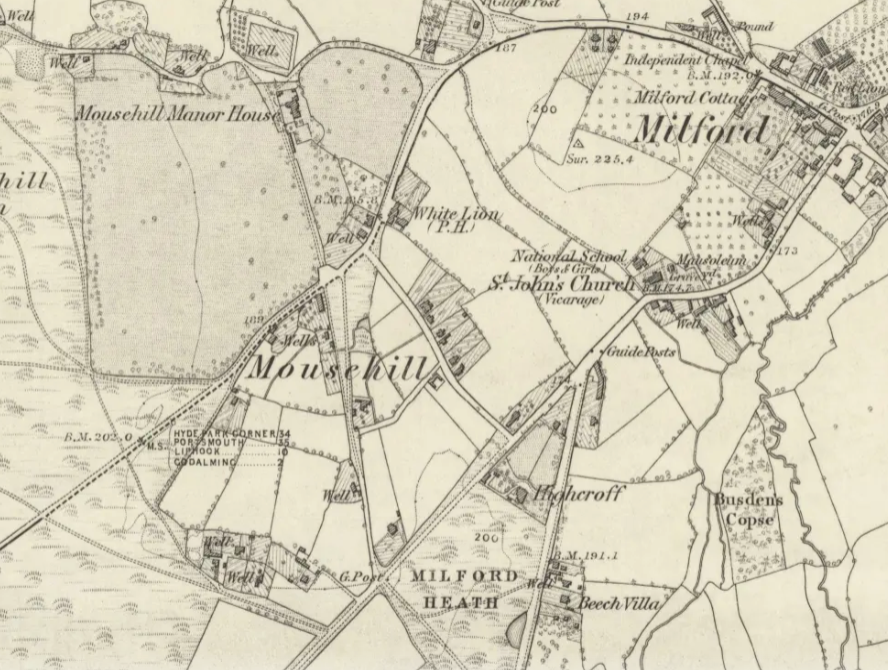
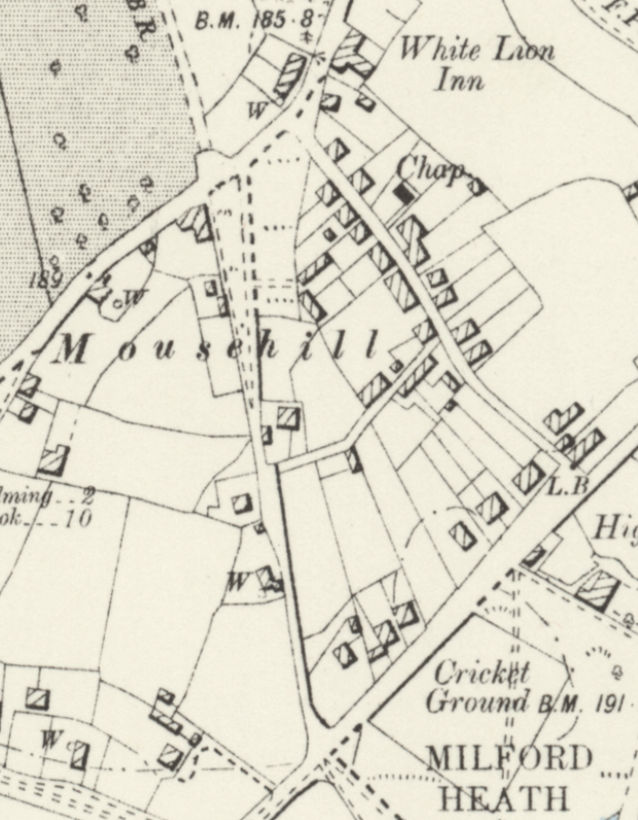
Long before Milford developed into the village we know today, Moushill was a small hamlet occupying a strategic position. Moushill Lane met the Portsmouth Road, one of England's busiest coaching routes, a bustling super-highway between the ships and London, forming a crossroads at the entrance to Moushill Manor and its stable yard.
Manning and Bray, writing in The History and Antiquities of Surrey between 1804 and 1814, described Moushill as a small hamlet containing Oxenford, Borough, Sattenham and Rake. Although modest in size, its position on the main London to Portsmouth route made it an important stopping point for travellers, tradesmen and local commerce.
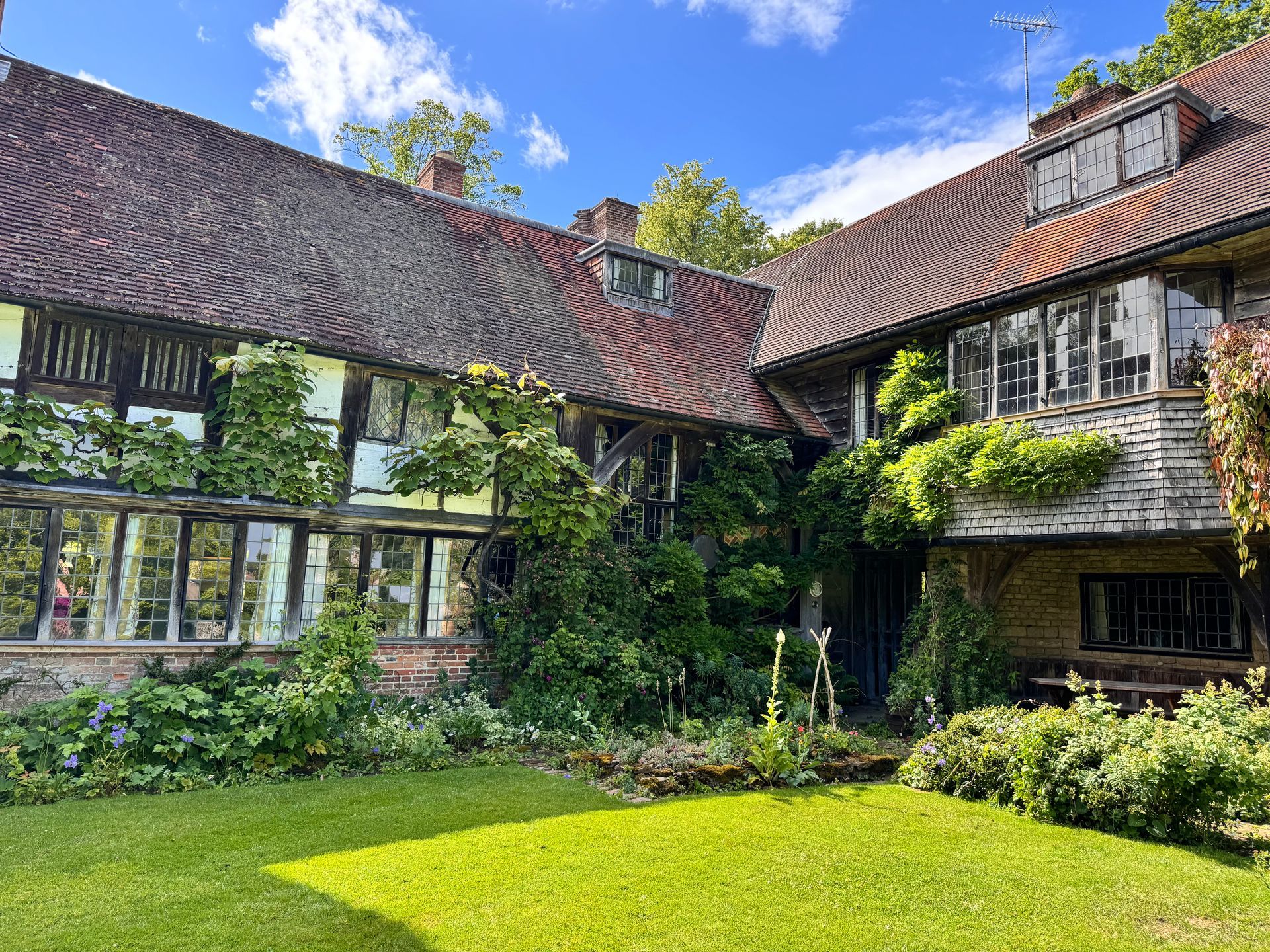
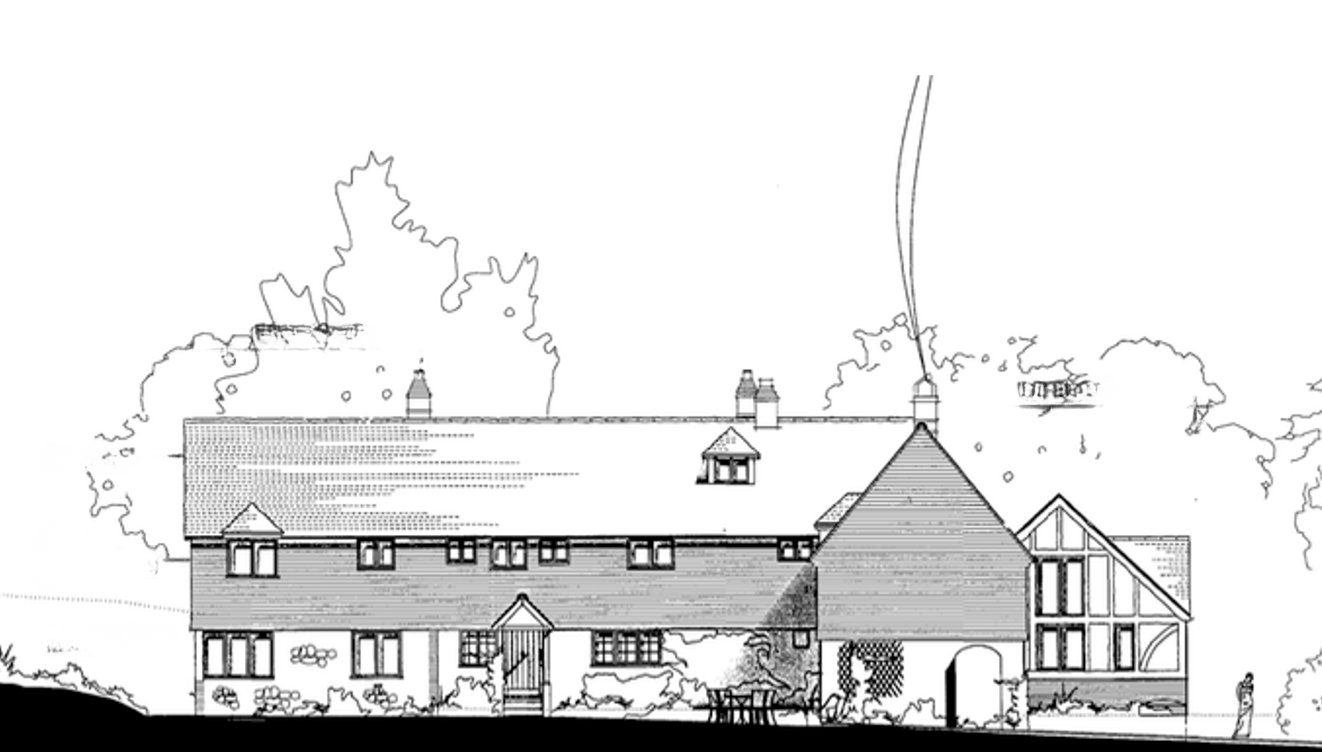
The manor dominated the landscape. Dating back to the seventeenth century, the original timber-framed house was both the social and physical heart of the hamlet. Over time, almost everything around it, from cottages and smallholdings, to shops and later substantial houses, grew in its shadow.
From clergy to country estate
By the middle of the nineteenth century, Moushill Manor was serving as a residence for local clergy. Around it lived agricultural labourers, wood reeves and domestic servants, reflecting the rural economy that had shaped the area for generations.
Everything changed when the manor became part of the nearby Peper Harow Estate, owned by the Midleton family. After housing clergy, the property was leased to wealthy private tenants, bringing a different social dynamic to the lane.
The 1861 Census reveals this transformation in remarkable detail. The manor was occupied by unmarried sisters Mary and Louisa Dacre, both described as "Fundholders", Victorian women living comfortably on investment income rather than employment. Their household was supported by a cook, housemaid, lady's maid and even a married teenage kitchen maid and her sixteen-year-old husband, illustrating both the wealth of the household and the domestic hierarchies of Victorian Britain.
By 1870s, the manor was home to the Courage brewing family, and then the Kingslake family.
While the manor represented prosperity, smaller cottages nearby continued to house gardeners, coachmen, bricklayers and agricultural workers whose labour supported the surrounding estates.
The army arrives
When Aldershot became Britain's first permanent military camp in 1854, the nearby commons and heathland around Milford and Witley proved ideal for military exercises and rifle training.
Thousands of soldiers passed through the area over the following decades. During the First World War, Canadian troops were stationed nearby, followed by Polish forces during the Second World War. Their presence brought welcome trade to local businesses but also altered village life in unexpected ways.
Some local entrepreneurs seized the opportunity, erecting corrugated-iron shops close to the camps to serve the soldiers. Others remembered baseball replacing cricket on Milford's recreation ground or local romances developing between soldiers and village girls. As Janaway and Potter recount in The Witley Camps, the military became woven into everyday life, bringing both opportunity and occasional tension.
The influence can even be traced in individual households. One modest cottage was occupied in 1921 by David Watson, a Canadian-born former serviceman who settles in Milford after the war, marrying a local girl and becoming a hairdresser.
A community in transition
By the end of the nineteenth century, Moushill Lane had become a fascinating blend of social classes.
The 1891 Census records established local families such as the farming Boxalls alongside gardeners, bricklayers and coachmen employed on nearby estates. Meanwhile, larger houses increasingly attracted people of independent means seeking healthier surroundings beyond London.
The lane was no longer simply agricultural. It was becoming residential.
This shift accelerated during the Edwardian years as farms gradually disappeared and country houses replaced fields. Artists, retired professionals and successful businessmen were drawn to the area's woodland scenery and peaceful setting.
Among them was landscape painter James Thwaite Irving, whose paintings captured the rural character of Lower Mousehill Lane. (At some point, Moushill Lane lost an "e", which Lower Mousehill Lane as retained!)
The fragmentation of the manor
Perhaps the biggest turning point came in the years surrounding the Second World War.
After centuries of dominating the hamlet, the Midleton family began selling land from the Moushill estate. The once-unified manor was divided into separate homes, while former coach houses, stables and farm buildings became independent residences.
What had once functioned as a single estate evolved into the pattern of individual properties that largely survives today.
This reflected a national trend. Across Britain, great estates were becoming increasingly difficult to maintain, and many were broken into smaller homes as domestic servants became harder to employ and economic pressures mounted.
The address for distinguished retirees
As the estates fragmented, Moushill Lane entered a new chapter.
During the 1920s and 1930s it became home to an unusually accomplished collection of residents.
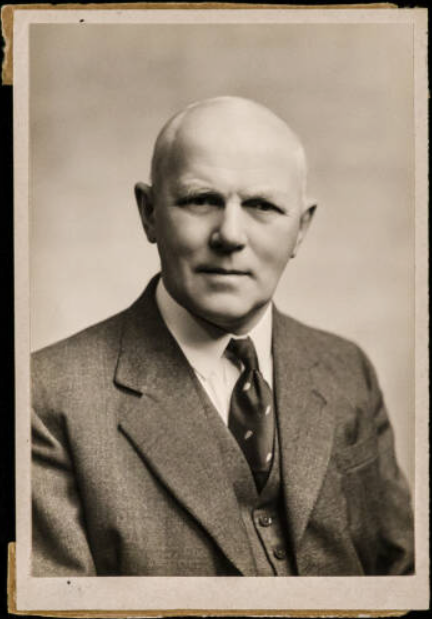
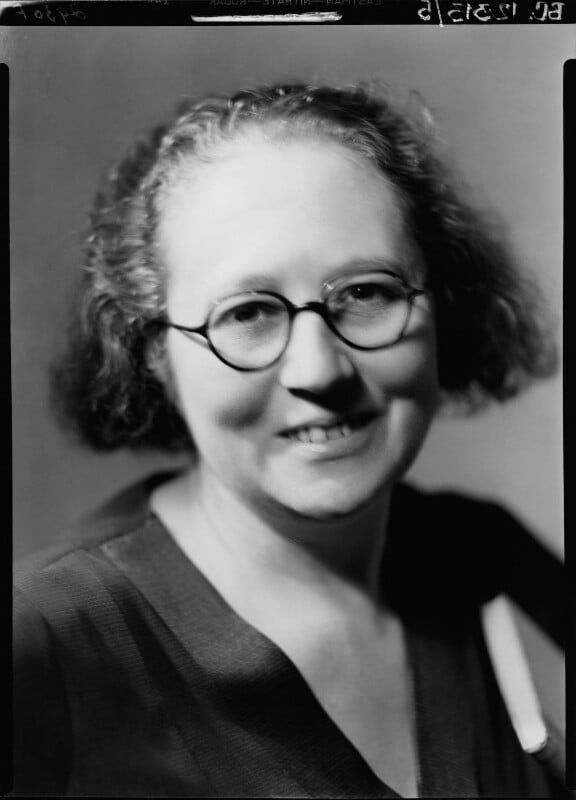
Among them was Leonora Eyles, one of Britain's best-known feminist journalists and novelists, whose outspoken writing challenged social conventions. She deliberately sought the cleaner air and open countryside of Surrey to improve her children’s health.
Nearby lived Dr Alexander Campbell, chairman of the Hunslet Engine Company and one of Britain's leading locomotive engineers. Having helped organise wartime engineering production during the First World War, he retired to Surrey after a career at the forefront of Britain's industrial revolution.
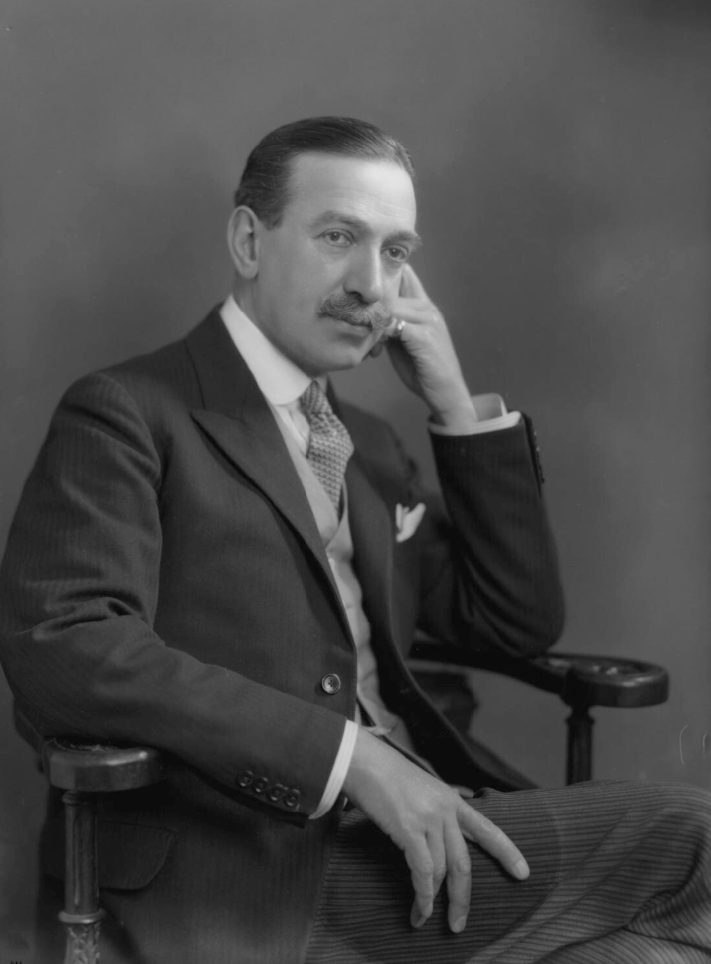
Another neighbour was Sir Algernon Edward Aspinall, whose career was devoted to Britain's Caribbean colonies. He played a central role in establishing the Imperial College of Tropical Agriculture in Trinidad and became one of the leading administrators of Britain's West Indian affairs before retiring to Moushill Lane.
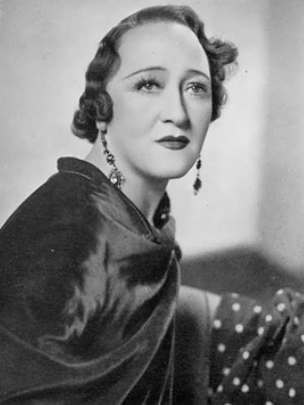
The road was even touched by the floodlights of stage in the form of an actress called Tonie Bruce. Born
Sybyl Etonia Penrose Bruce, she was the daughter of the famous Victorian actor-manager Edgar Bruce, who built London’s Prince of Wales’s Theatre. This twice-divorced starlet lived in the road for more than 35 years, selling off plots of her estate, and directly influencing how the lane developed.
Even the smaller properties tell wider stories.
One cottage became home to a family whose eldest son worked as a balloon taper during the Second World War, producing barrage balloons at the RFD factory in nearby Godalming, a reminder that global conflicts left their mark even on quiet Surrey lanes.
Elsewhere, the farm labourers, hawkers, industrial workers and families were housed in caravans, illustrating that Moushill remained socially diverse despite the arrival of affluent newcomers.
Slide title
Stage and film star Tonie Bruce
Button
Slide title
Sir Algernon Edward Aspinall
Button
Slide title
Leonora Eyles © National Portrait Gallery
Button
A microcosm of English social history
What makes Moushill Lane so fascinating is that it never became exclusively grand or exclusively humble.
Within a short walk could be found retired industrialists, servants, artists, farm labourers, caravan dwellers, military veterans and prosperous professionals.
Its story reflects the wider evolution of rural England: agriculture giving way to country living; estates fragmenting into private homes; coaching roads becoming commuter routes; and villages attracting successful people seeking tranquillity without complete isolation.
What's the relevance of historical research on interior design?
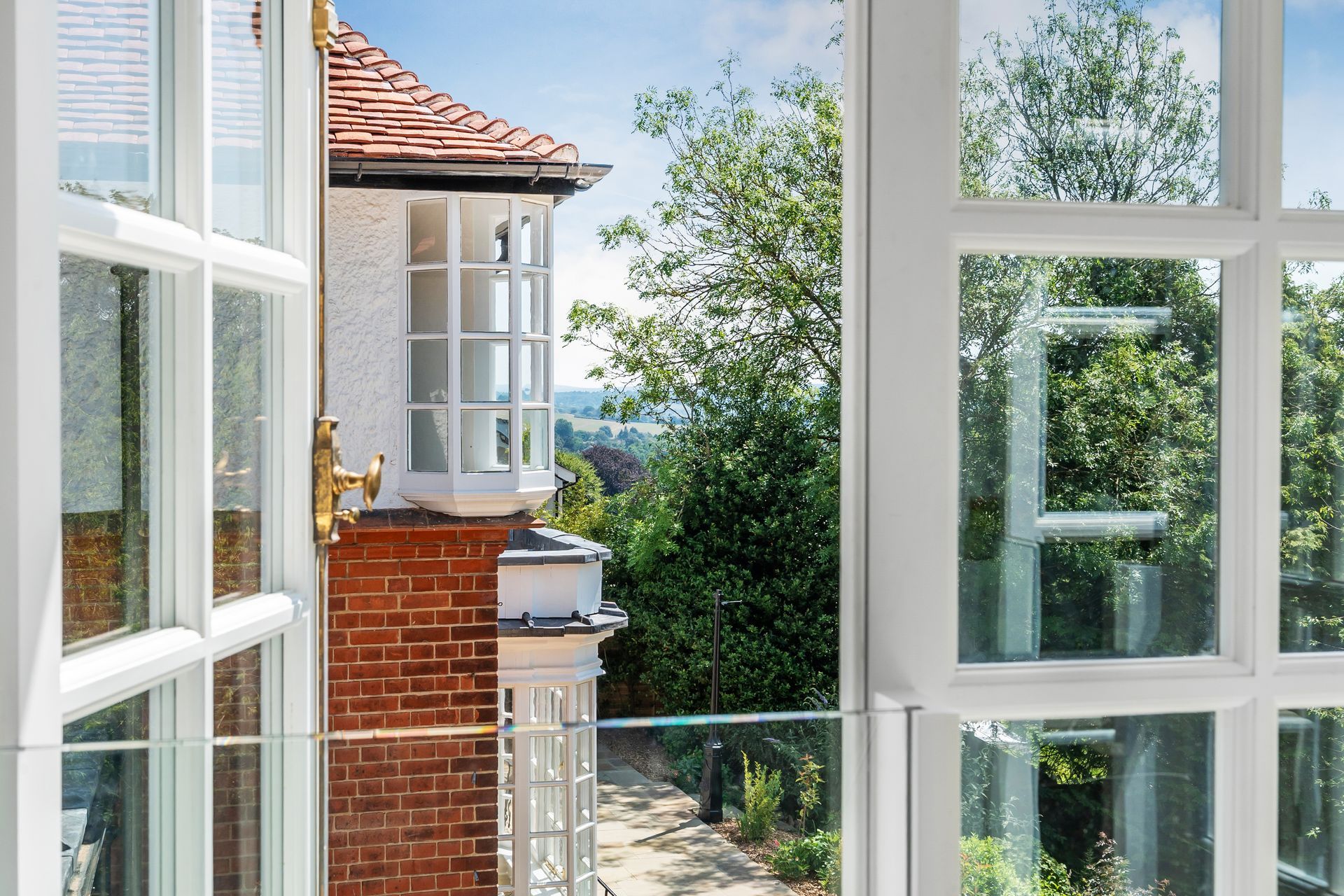
Understanding these historic stories gives us context. It explains why buildings were altered, why certain architectural styles appeared when they did, and how changing lifestyles influenced the way homes were designed and used. Without that knowledge, we see only bricks and mortar. With it, we begin to understand the character of a place.
As an interior designer specialising in period homes, I believe good design starts long before choosing paint colours or fabrics. It begins by understanding a property's past. Every period home has a story waiting to be uncovered, and that story provides the foundation for design decisions that feel authentic, respectful and deeply connected to the house itself.
Whether you're restoring a listed building or simply curious about the history beneath your feet, researching the people who lived there can transform the way you see your home. Drop us a line to find out more.
Want to know more about the hamlet of Moushill?
How a place develops over the centuries tells us so much about the architecture and the people. Here are some more stories about Moushill.
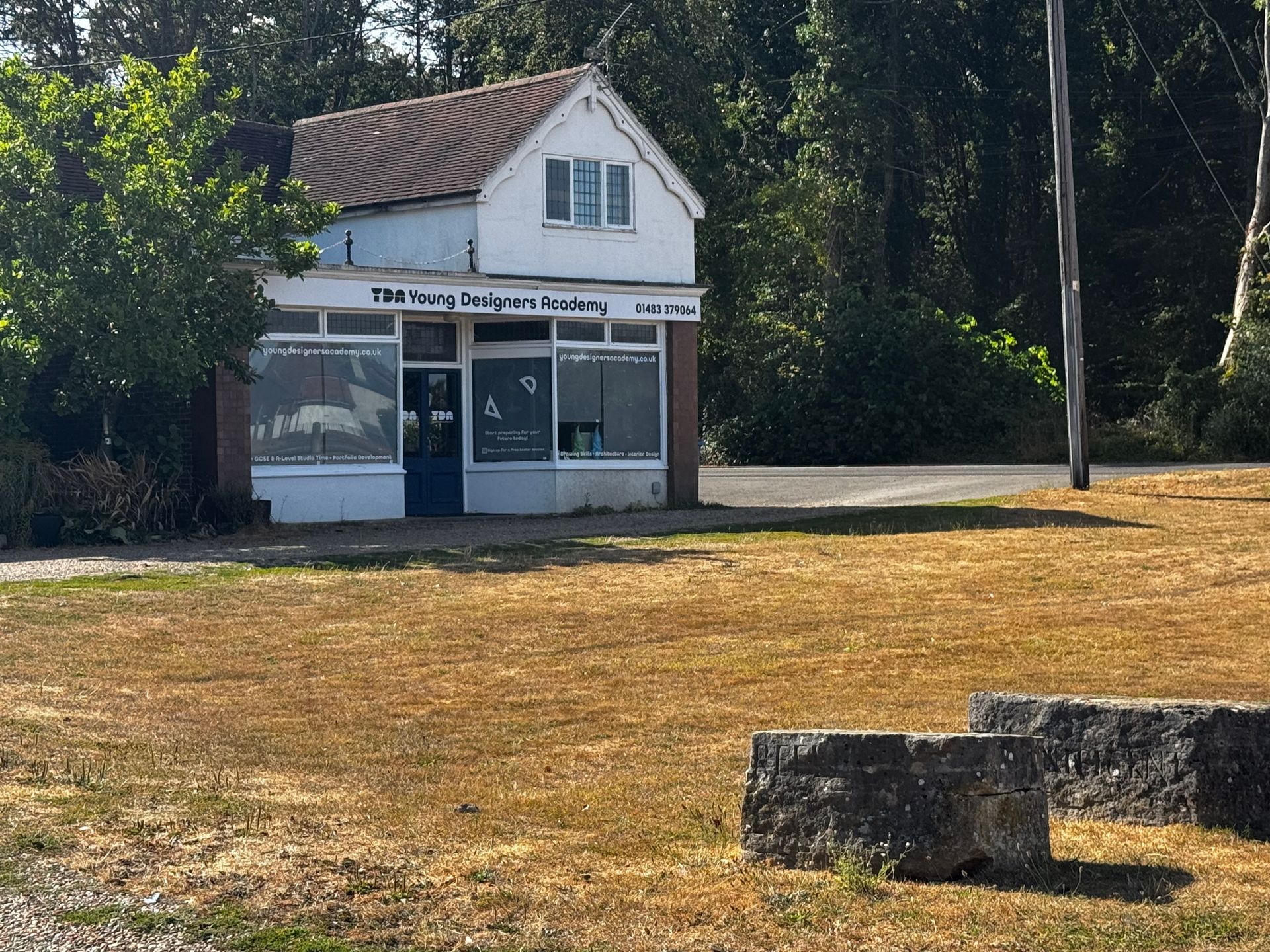
- Was this really a quiet hamlet on the edge of Milford? Or was it a harbour for murderers? Find out in our story about the White Lion.
- The humble corner shop is often a key part of village life. But what happens when it’s on one of the busiest thoroughfares in the country and is part of a growing grocery empire. For some, the Moushill Store was more than somewhere to buy apples.