What historic interiors can teach period property owners
As an interior designer specialising in heritage properties, I am always interested in the relationship between past and present. Good design rarely appears from nowhere. Many of the ideas we consider modern have roots stretching back decades, sometimes centuries.
Three exhibits in particular stood out: Frank Lloyd Wright's Kaufmann Office, the Frankfurt Kitchen, and fragments rescued from an Arts and Crafts house in Chelsea.
Together, they tell a fascinating story about the enduring principles of great design.
Designing the whole experience:
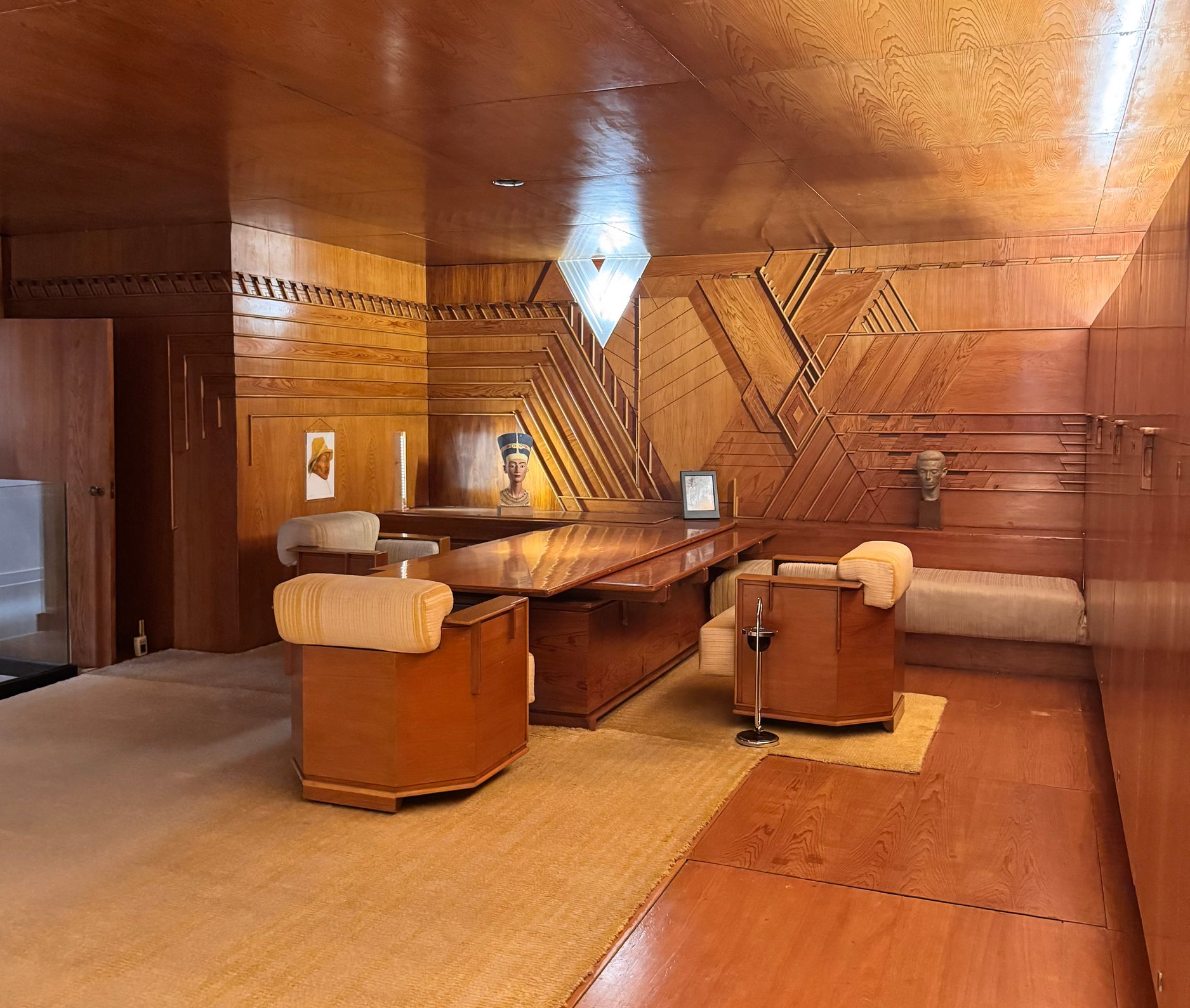
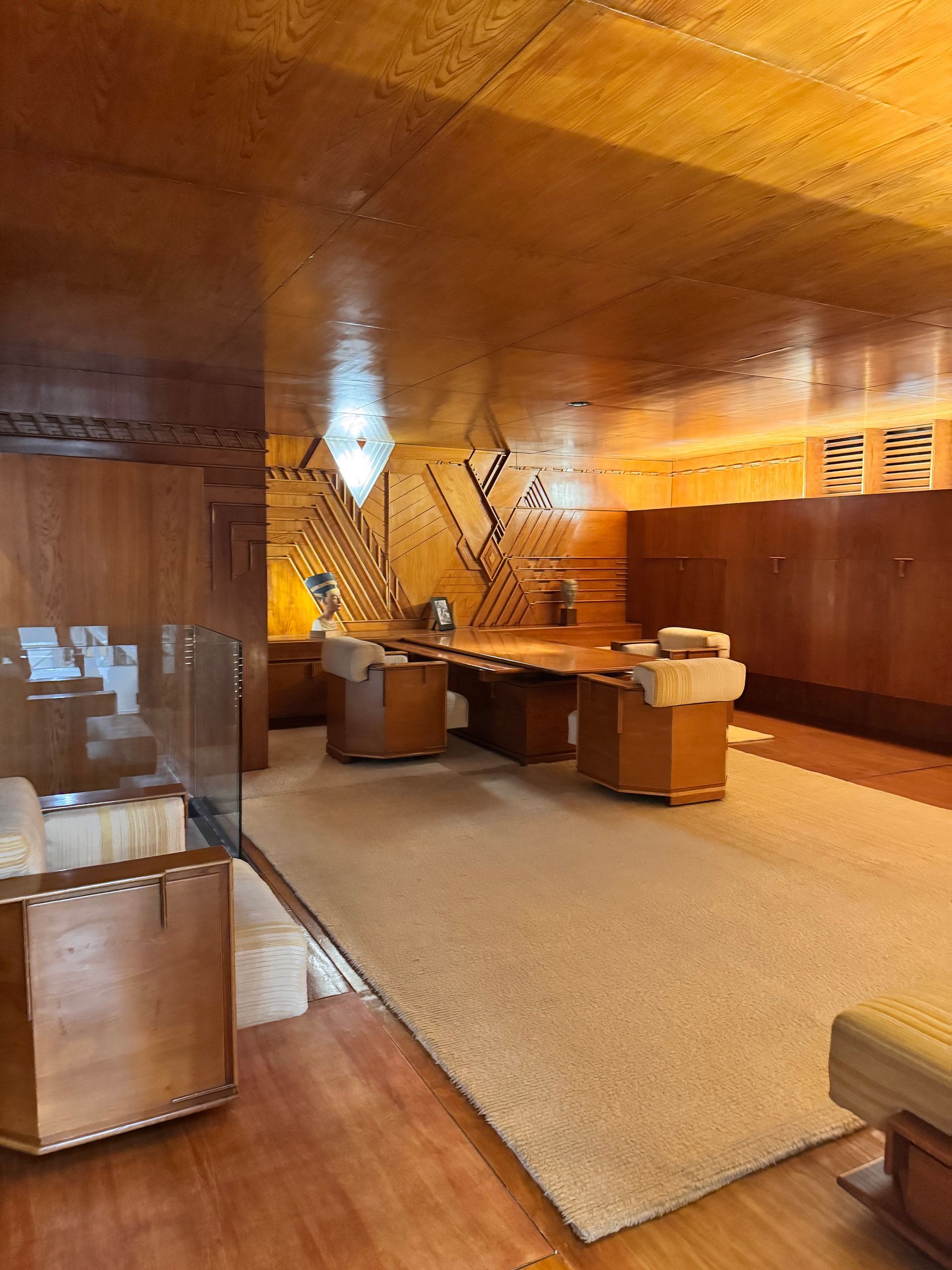
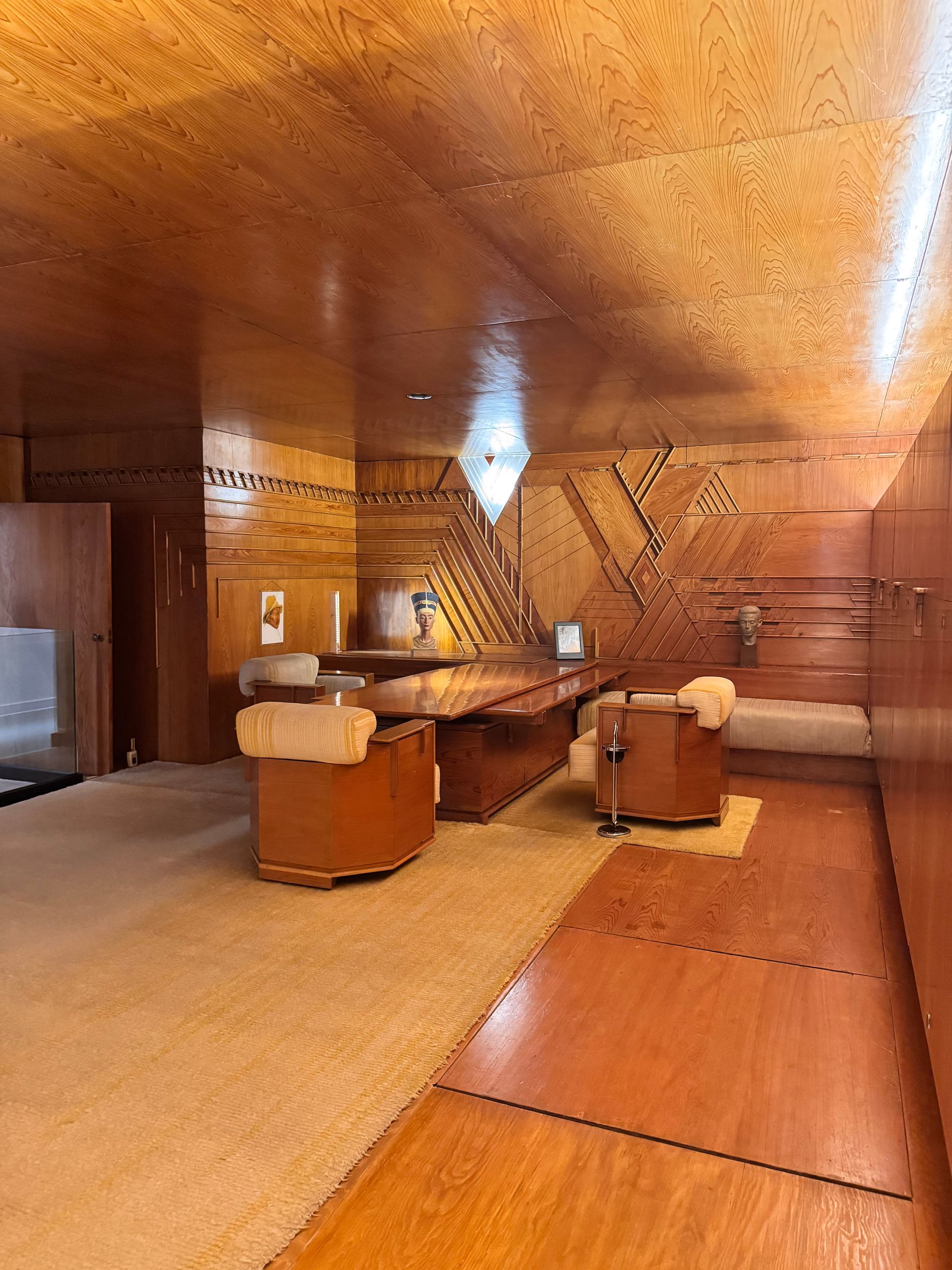
Frank Lloyd Wright's Kaufmann Office
The Kaufmann Office was designed by Frank Lloyd Wright between 1935 and 1937 for Pittsburgh department store owner Edgar J. Kaufmann Sr.
What makes this room remarkable is that it is the only complete Frank Lloyd Wright interior permanently displayed outside the United States.
Looking at the space, what struck me was how completely Wright controlled every aspect of the design. The architecture, furniture, materials and lighting all work together as a single composition. Nothing feels accidental.
Today, we often describe this as a "holistic" approach to design, but Wright was practising it nearly a century ago.
It's a principle that remains highly relevant in residential projects. The most successful homes are rarely created by selecting individual pieces in isolation. Instead, they emerge from a clear vision that considers architecture, layout, colour, materials and furnishings as parts of a unified whole.
When clients tell me they want their home to feel calm, elegant or welcoming, it is this sense of cohesion that often creates the result.
Designing for everyday life: The Frankfurt Kitchen
The second exhibit I'm going to pick out could not have been more different.
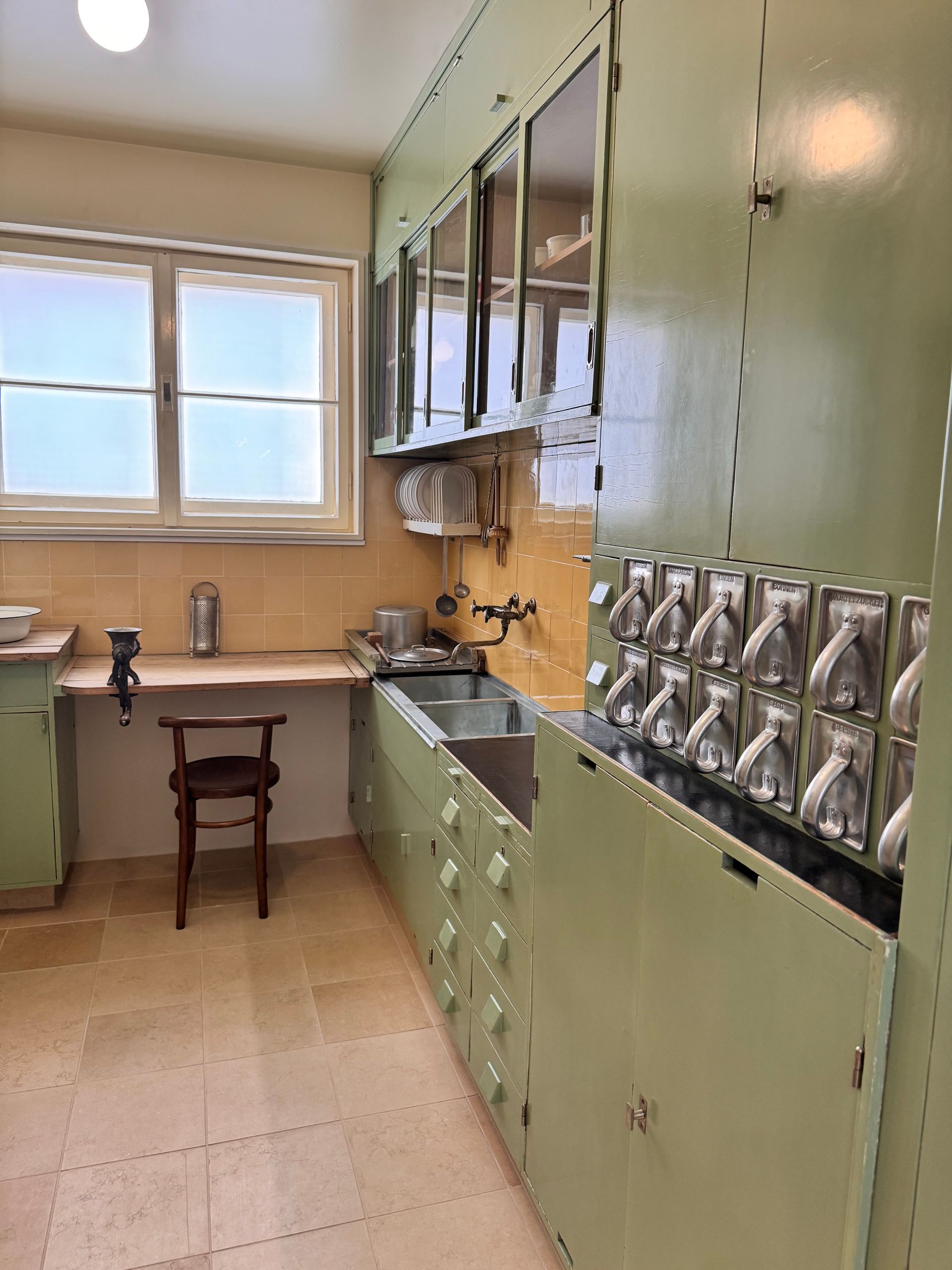
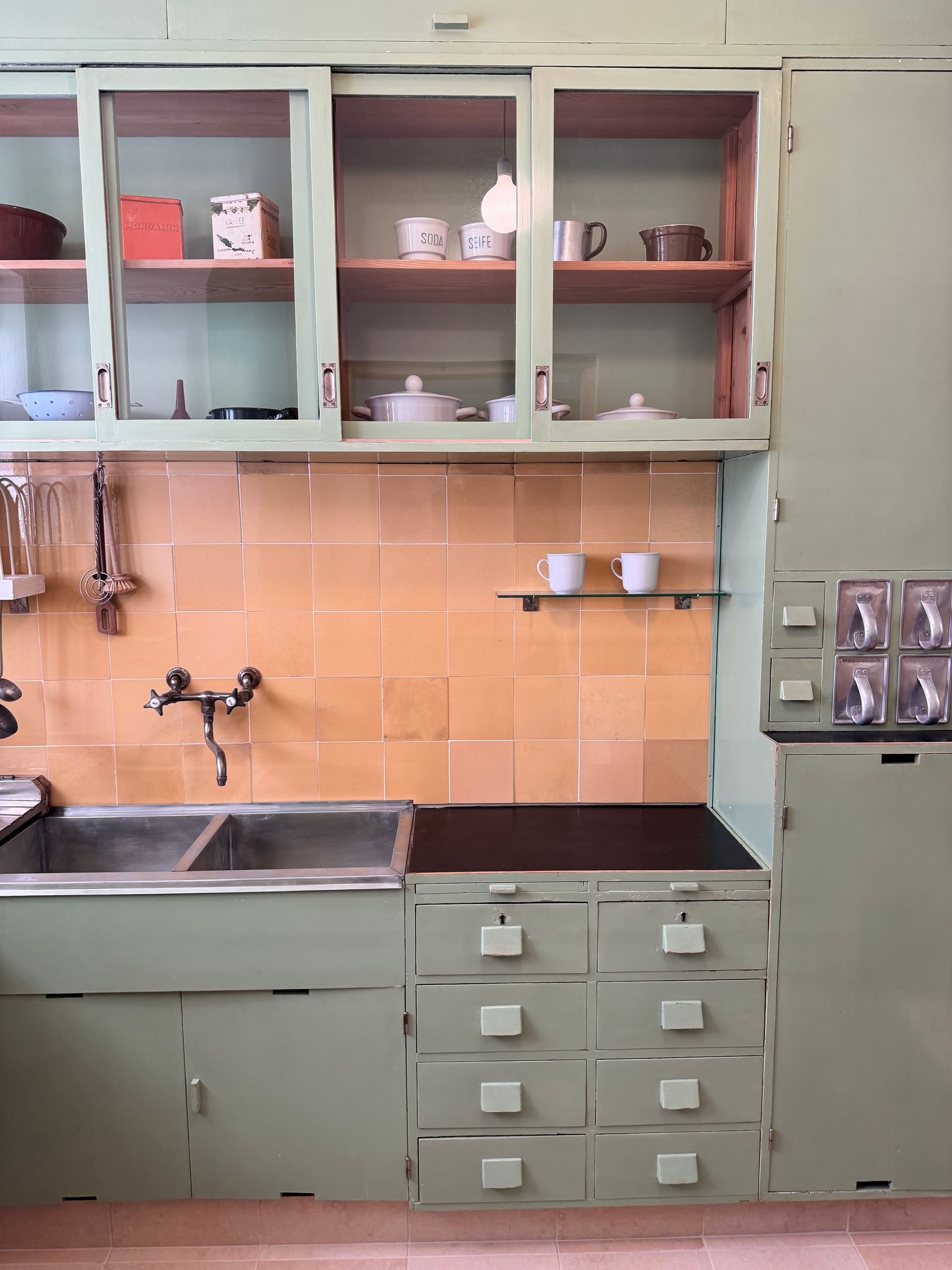
Designed by Austrian architect Margarete Schütte-Lihotzky in 1926, the Frankfurt Kitchen is widely regarded as the world's first fitted kitchen.
Created for social housing developments in Frankfurt, it was designed after studying how people actually worked within their kitchens. Schütte-Lihotzky analysed movement patterns, storage needs and daily routines to create a space that reduced unnecessary effort.
Many of the features we now take for granted appeared here first: Built-in cabinetry, integrated storage, defined work zones, easy-clean surfaces and efficient workflow planning.
The kitchen was designed not simply to look attractive but to improve daily life. Nearly one hundred years later, this remains one of the most important lessons in interior design.
A beautiful room that doesn't function well quickly becomes frustrating. Conversely, a carefully planned space can make everyday routines easier, more enjoyable and less stressful.
Whether I am redesigning a kitchen, planning storage in a Victorian terrace or rethinking circulation through a Georgian home, functionality remains just as important as aesthetics.
Slide title
Write your caption here
Button
Slide title
Write your caption here
Button
Slide title
Write your caption here
Button
Slide title
Write your caption here
Button

Slide title
Write your caption here
Button
Slide title
Frank Lloyd Wright's Kaufmann Office
Button
Slide title
Frank Lloyd Wright's Kaufmann Office
Button
Slide title
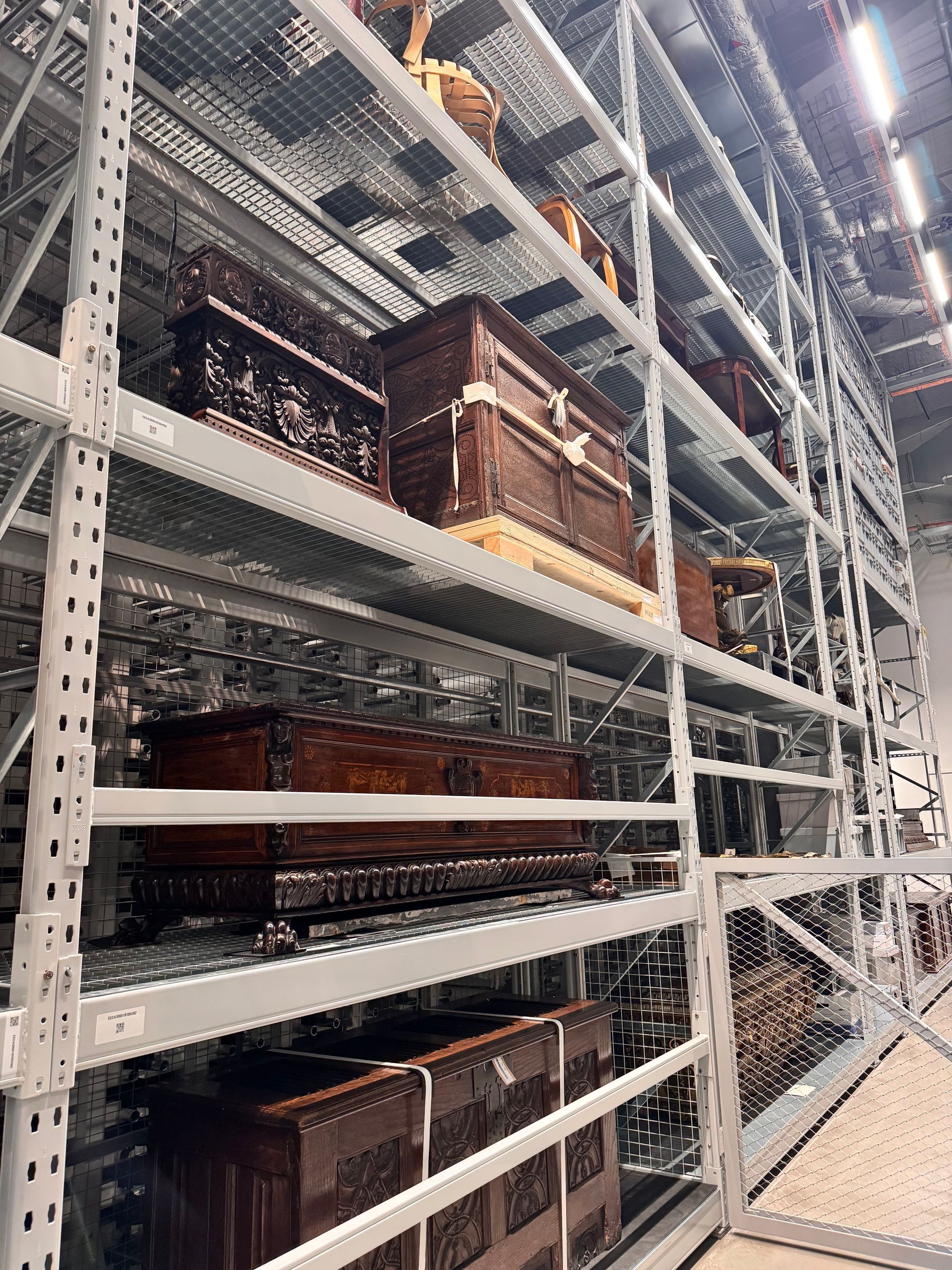
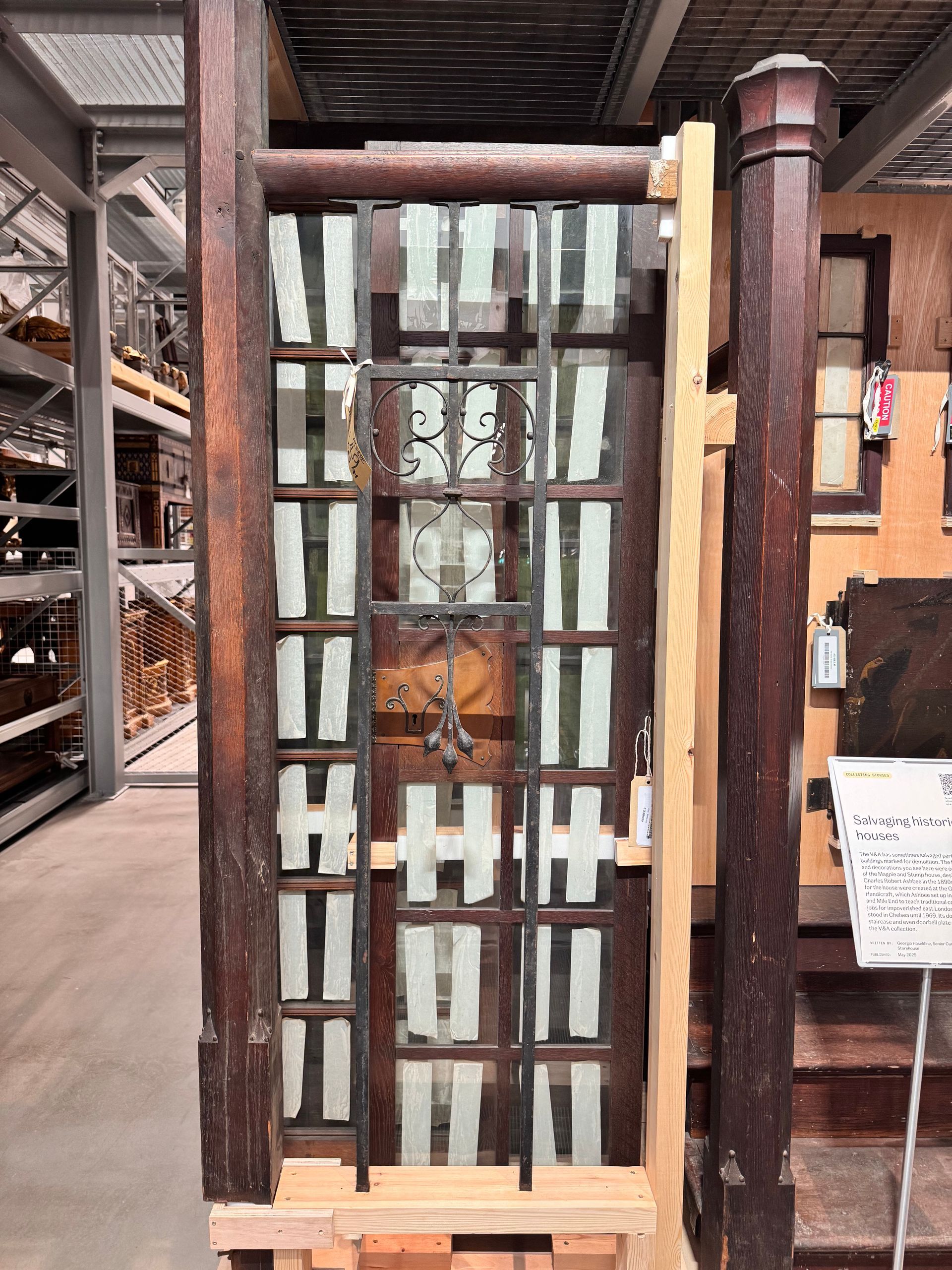
Door from the Magpie and Stump House in Chelsea
Button
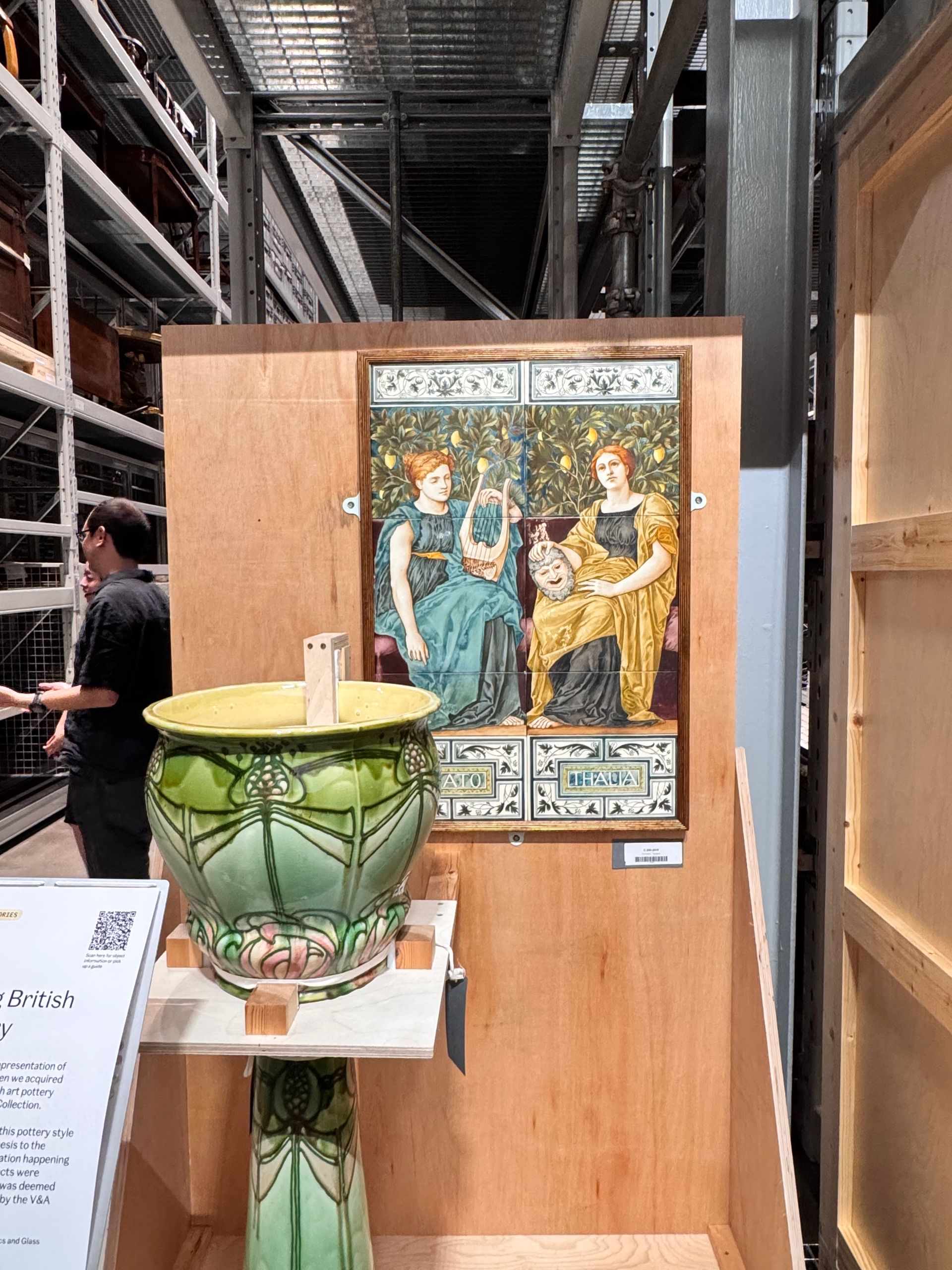
Designing with heritage in mind: The Arts and Crafts Movement
The third exhibit felt particularly relevant to my work with period properties.
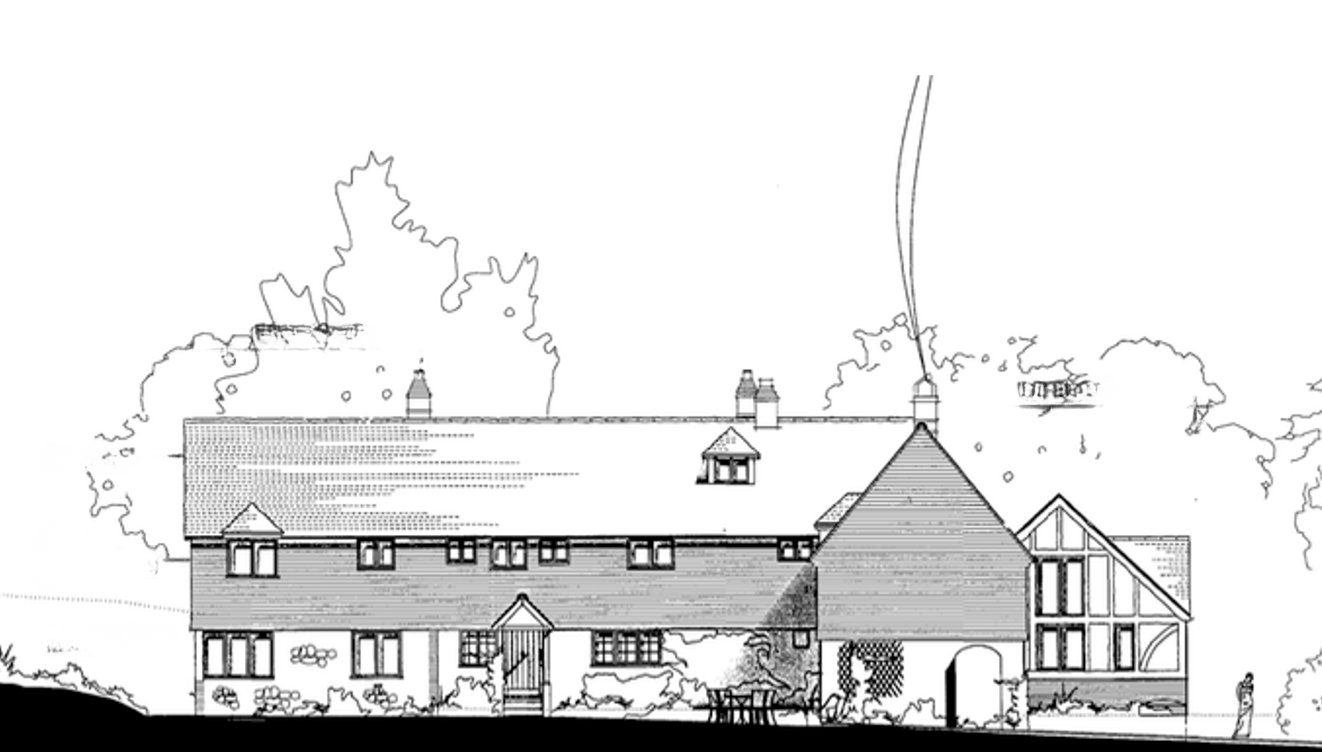
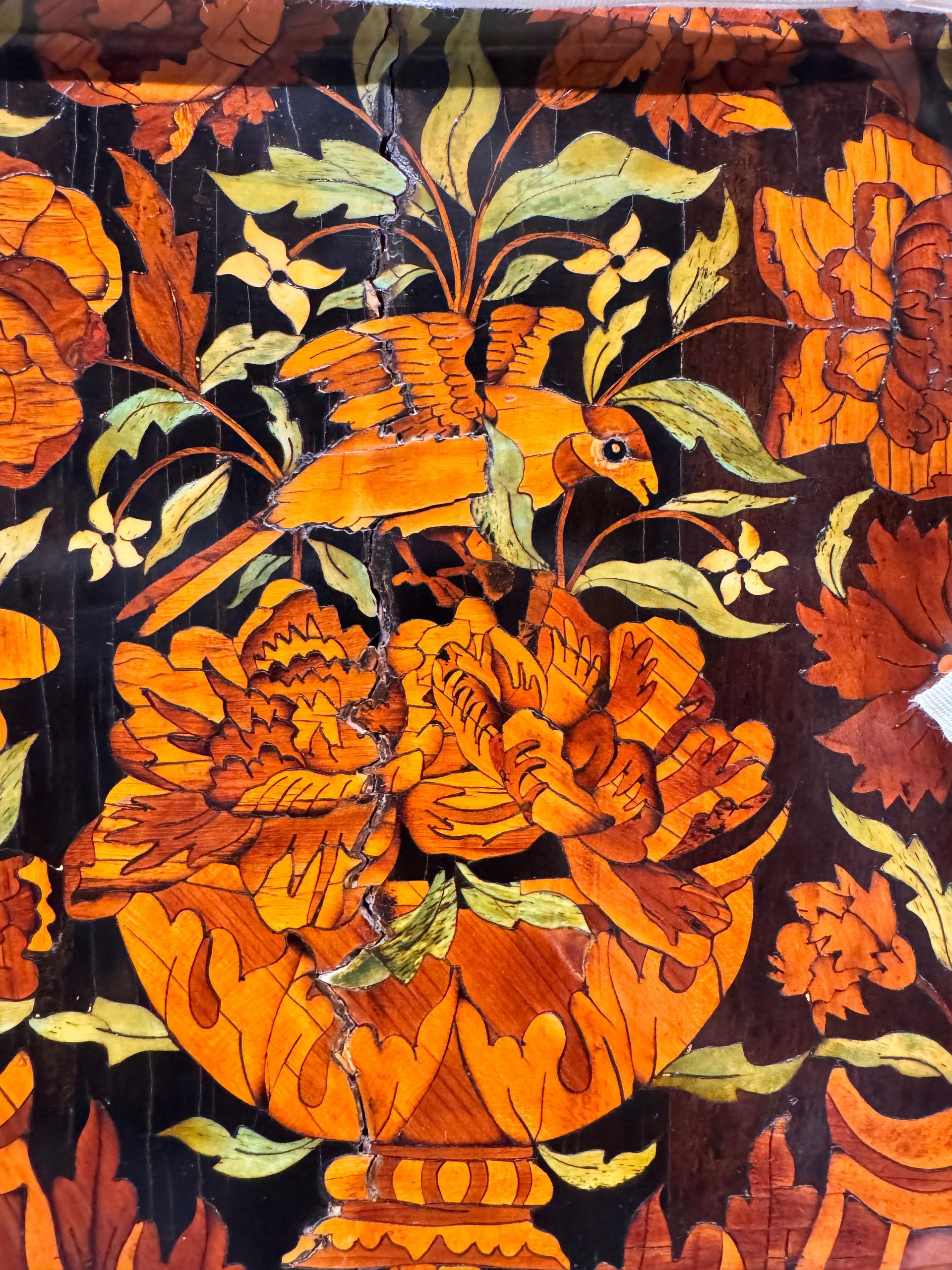
The display explained how elements from the Magpie and Stump House in Chelsea were salvaged before the building was demolished in 1969. Designed by Arts and Crafts architect Charles Robert Ashbee in the 1890s, the house featured interiors created through the Guild of Handicraft, an organisation dedicated to preserving traditional craftsmanship.
Doors, windows, staircases and decorative details were rescued and are now part of the V&A collection.
There is something both inspiring and slightly melancholy about seeing fragments of a lost house displayed in a museum.
Yet the exhibit also highlights an important question faced by many owners of period homes:
What should be preserved, what should be adapted and what can be reinterpreted for modern living?
The answer is rarely straightforward.
Period houses were built for lifestyles very different from our own. We need larger kitchens, more bathrooms, improved energy efficiency and spaces that accommodate modern technology. At the same time, the character and craftsmanship that make these buildings special deserve protection.
The most successful renovations find a balance between these competing demands.
What these exhibits teach us today
Although these three exhibits span different countries, design movements and decades, they share a common thread.
Frank Lloyd Wright reminds us that great interiors are created through a clear and coherent vision.
Margarete Schütte-Lihotzky demonstrates that design should improve the way we live.
Charles Robert Ashbee's work shows us the importance of craftsmanship, history and cultural context.
These principles remain just as relevant today as they were when the projects were first created.
As designers, we often look forward to new ideas and innovations. Yet some of the best lessons can be found by looking back.
The challenges may have changed, but the fundamental goal remains the same: creating homes that are beautiful, functional and deeply connected to the people who live in them.
And that is why a visit to a museum can still be one of the most valuable sources of inspiration.
Can we help?
Understanding the history of a house often provides valuable clues about how it should evolve.
Whether you're renovating an Edwardian villa, updating a Georgian farmhouse or rethinking the layout of a period cottage, the most successful projects balance heritage, practicality and contemporary living.
If you're planning a renovation and would like guidance on how to make design decisions that respect your home's history while supporting modern life, I'd be delighted to help.
Explore our services to learn more about working with At Home by Design, or drop us a line.