Commonwealth cemeteries and the Arts & Crafts architects

Unity through design

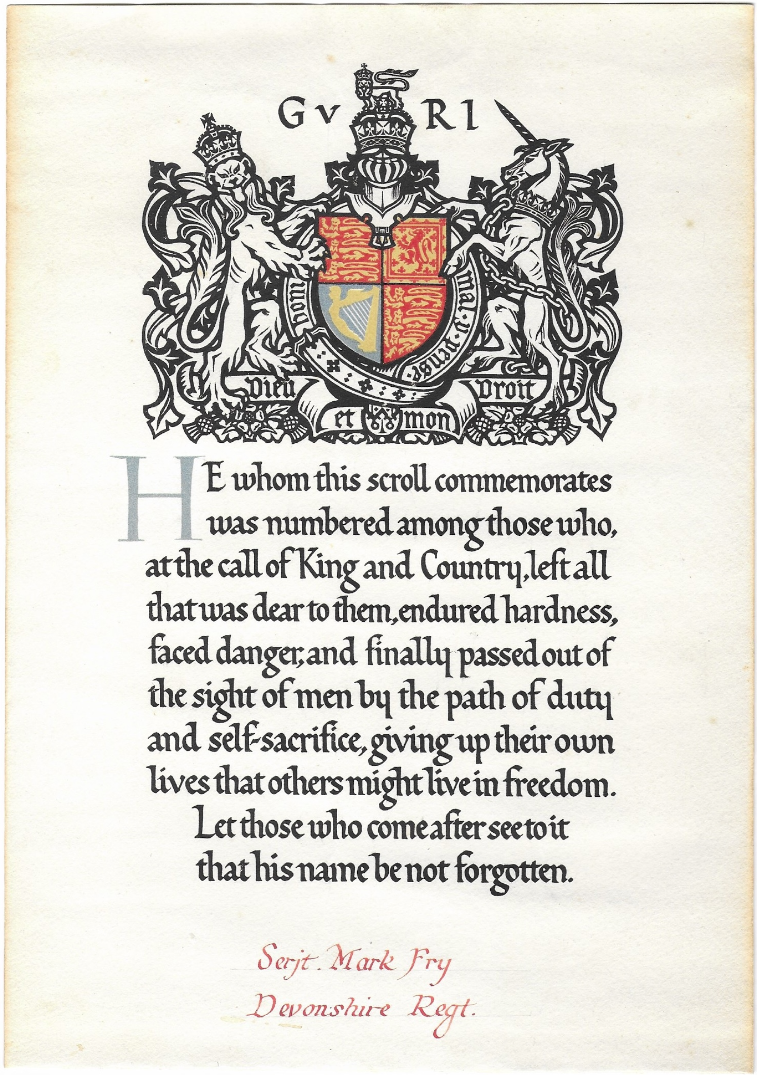
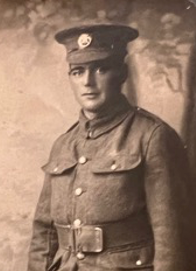
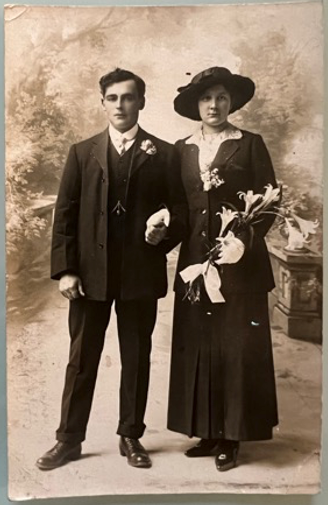
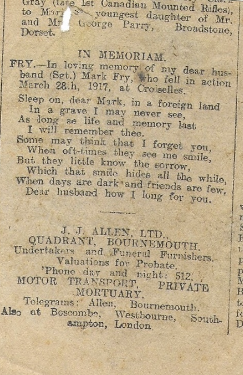
A couple of years ago, I took my young teenage daughter on a battlefield tour to northern France, to follow in the final footsteps of my great, great uncle Mark Fry.


Forty years earlier, my father had researched his military career, and had taken my grandfather to see Mark’s final resting place, an embankment in a muddy field near the village of Croisilles. His name is carved into the wall for the missing at Arras war memorial.


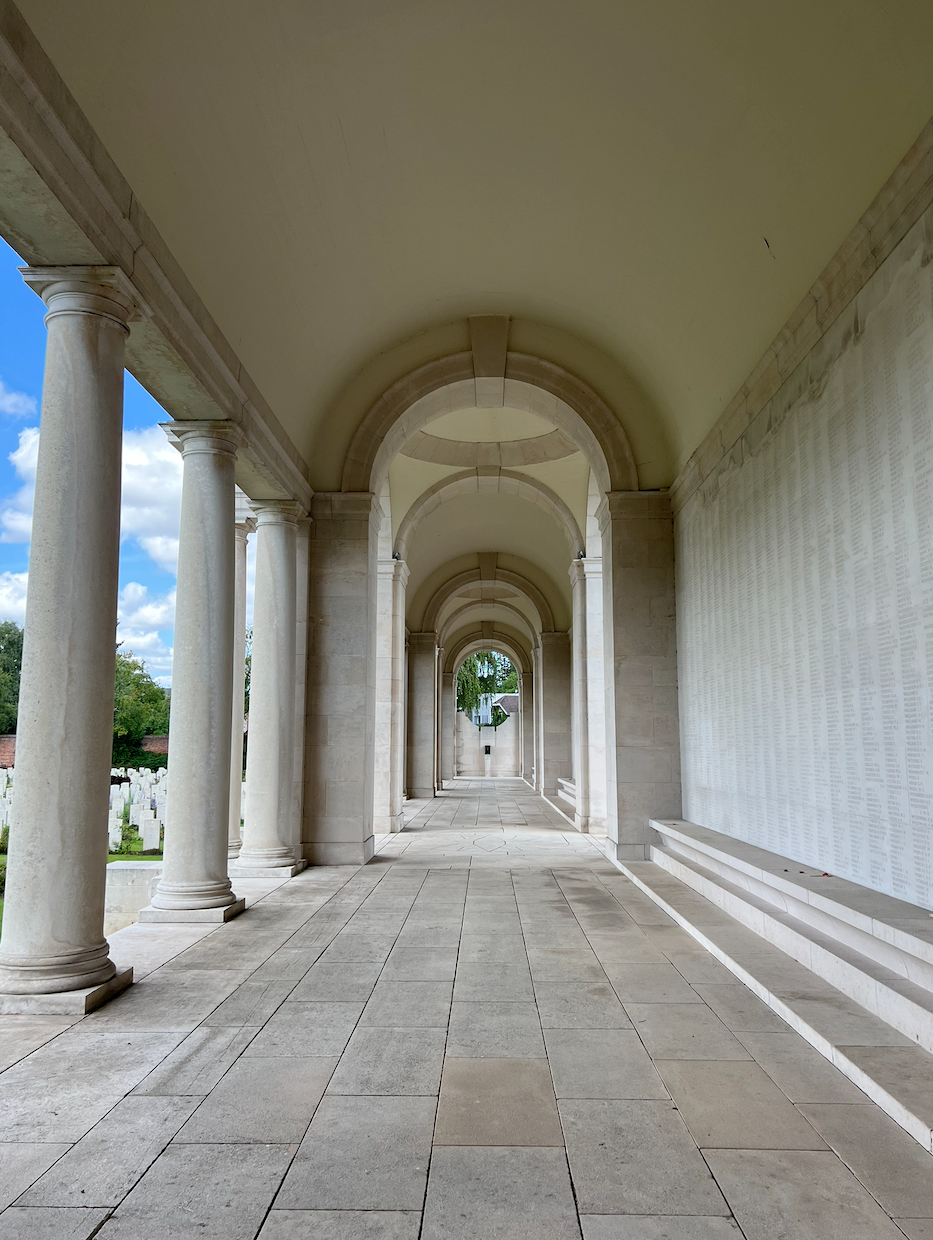
You might be wondering what all this has to do with architecture and design. Back home, I was doing some more research into Mark’s story, and discovered that the Arras Memorial was designed by Sir Edwin Lutyens.


Those of you who know me will be aware of my respect and interest in one of Britain’s greatest architects, and a leading proponent of the Arts and Crafts Movement. He happened to grow up in the area of Surrey I live in. As far as I was aware, Mark had no link to Surrey. He grew up in Bournemouth. Yet, through his architecture, Lutyens has connected both our stories across time and place.


It’s a little like travelling all around the world and sitting on a Lutyens’-designed Thakeham bench. Not many people know the significance of what they are sitting on.


While Lutyens was working on Castle Drogo, his client, Sir Alfred Mond, introduced him to the newly formed Imperial War Graves Commission. The Commission appointed Lutyens, together with Sir Herbert Baker, Sir Reginald Blomfield and Charles Holden, to design cemeteries and memorials commemorating the war dead. For Lutyens, these structures included the Cenotaph in Whitehall, the War Memorial to the Missing of the Somme at Thiepval in France, and the Arras Memorial.


  • Slide title

    Write your caption here
    Button
  • Slide title

    Write your caption here
    Button
  • Slide title

    Write your caption here
    Button
  • Slide title

    Write your caption here
    Button
  • Slide title

    Write your caption here
    Button
  • Slide title

    Write your caption here
    Button
  • Slide title

    Write your caption here
    Button
  • Slide title

    Write your caption here
    Button


Despite its enormous scale, the programme was completed within its allocated budget.


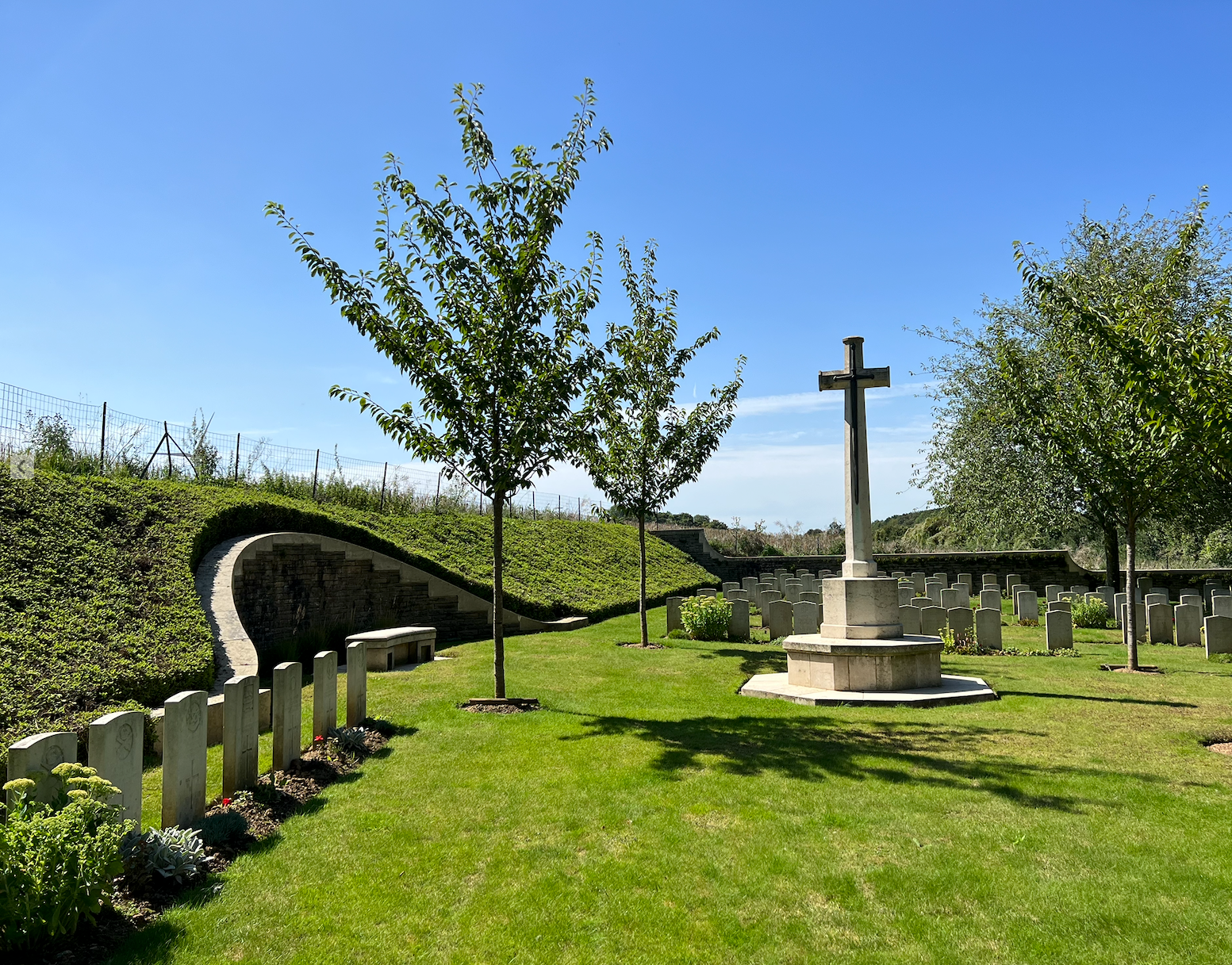
Portland stone was used for the headstones, redolent of England, and London in particular, incongruous to the muddy backdrop of destruction. There are rows, upon rows of identical headstones. In the end, everyone is the same, regardless of rank or class.


The memorials were not all the same, however. This was about true care and craftsmanship, from carvings to ironwork, taking inspiration and context geographically from the chalk, clay and stone that surrounded the battlefields. A mix of classical and Arts & Crafts styling left room for symbolism, which played an important role, with stone pergolas, lych gates and summerhouses recreating the English garden idyll, alongside Grecian pavilions, arches and columns.


No two cemeteries are the same, although the requirement was that there would be a central feature, which was often a “War Cross” designed by Blomfield or a “Stone of Remembrance” by Lutyens.


The Stone of Remembrance was described by Lutyens as a “great altar stone”, symbolic of common sacrifice. His design incorporated classic Greek mathematical principles, and is inscribed with words chosen by Rudyard Kipling, from Ecclesiasticus in the King James Version of The Bible: “Their name liveth for evermore”.


The architecture and design of the war memorials, overseen by the Imperial War Graves Commission, brought peace and unity. It brought connection to land and place. And that connection is still evident when we join the dots of one architect’s work, whether it be a country home, a war memorial or a humble bench.


With thanks to Mark Connelly, from Connelly Contours for his interesting talk to The Lutyens’ Trust, and to the Commonwealth War Graves Commission.


When architecture tells a story

Great architecture is about more than beautiful buildings. It's about the stories they tell. If you'd like to uncover the history of your own period home and discover how its past can inspire sensitive, thoughtful interiors, find out more about History at Home, my bespoke research service. Or explore more articles in the Journal celebrating the history, architecture and craftsmanship behind Britain's remarkable homes.


By Helen McClure July 31, 2026
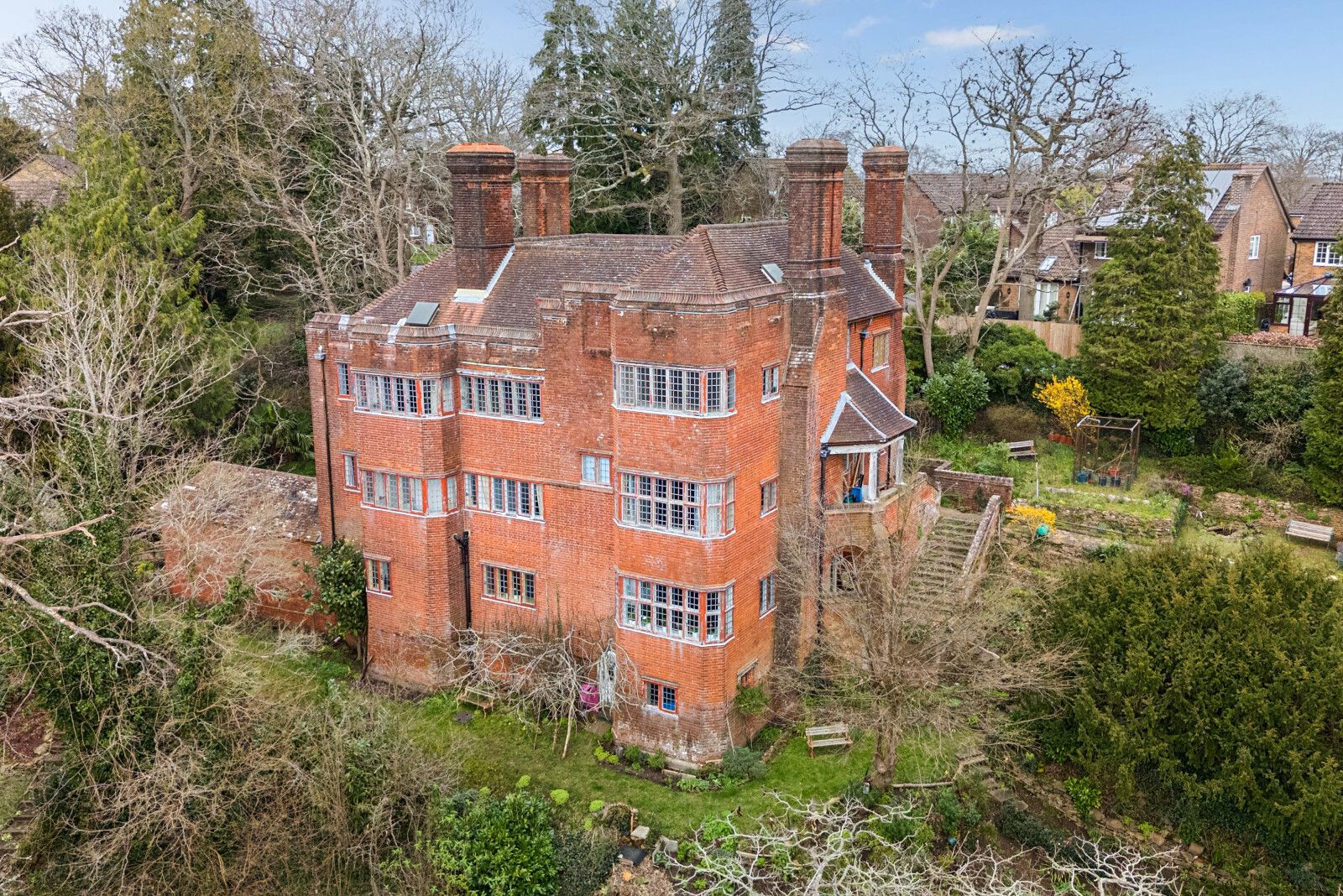
Explore Littlecroft, Edwin Lutyens' overlooked Arts & Crafts house in Guildford, its maritime influences & why researching period homes inspires better restoration
By Helen McClure June 29, 2026
Explore The Red House in Godalming, an early Edwin Lutyens masterpiece, and discover what its timeless architecture can teach today's heritage homeowners.
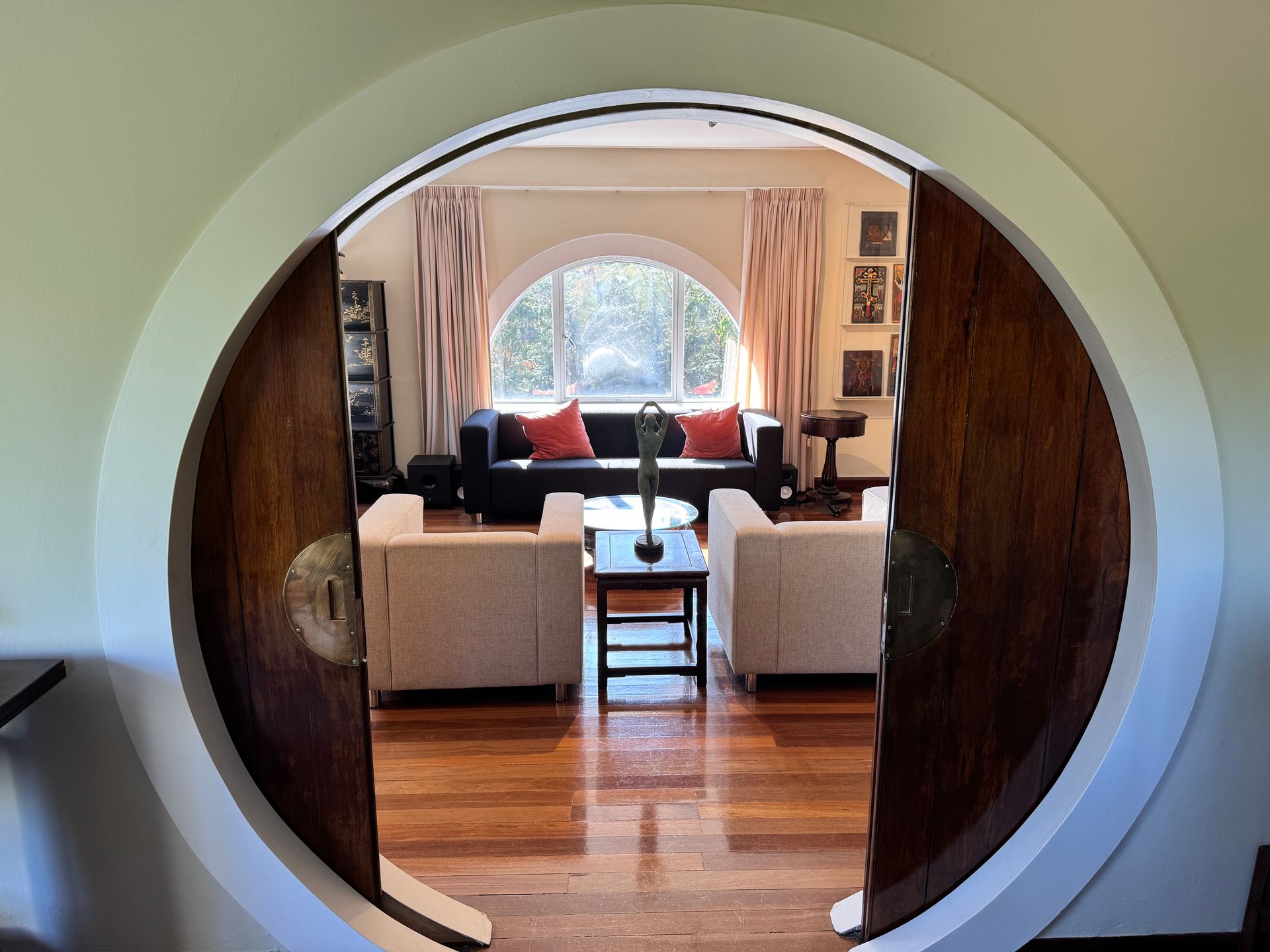
Sitting room in Dorich House
By Helen McClure June 24, 2026
Discover how Dorich House reveals the story of Dora Gordine and what historic homes can teach us about creating interiors with meaning.
Kelmscott House dining room
By Helen McClure June 8, 2026
Discover how William Morris & the Arts & Crafts movement influence modern interior design. Thoughtful, narrative-led interiors explained.
By Helen McClure June 8, 2026
From Frank Lloyd Wright to the Frankfurt Kitchen, discover timeless design lessons for renovating and furnishing period homes today.
Victorian floor tiles
By Helen McClure May 29, 2026
What can Victorian census records teach us about interior design? The story of Victoria House in Tunbridge Wells and why history shapes better homes.
By Helen McClure May 7, 2026
Discover how to style your home using light to attract buyers. Expert interior design advice for selling properties in Surrey and beyond.
Architecture of Forest Mere
By Helen McClure May 7, 2026
Explore the rich history of Forest Mere near Liphook, from its origins as a hunting lodge to a Victorian residence and modern Champneys spa. Discover how understanding a home’s past can shape meaningful, narrative-led interior design.
By Helen McClure April 24, 2026
Discover the true value of professional interior design. Thoughtful, strategic design for period properties that enhances how your home looks and feels.
By Helen McClure April 13, 2026
Investigating CFA Voysey's design for Priors Field School, Godalming, Surrey. Discover how thoughtful design enhances learning, wellbeing and heritage spaces.