A Lutyens house reveals its maritime secrets in a landlocked county
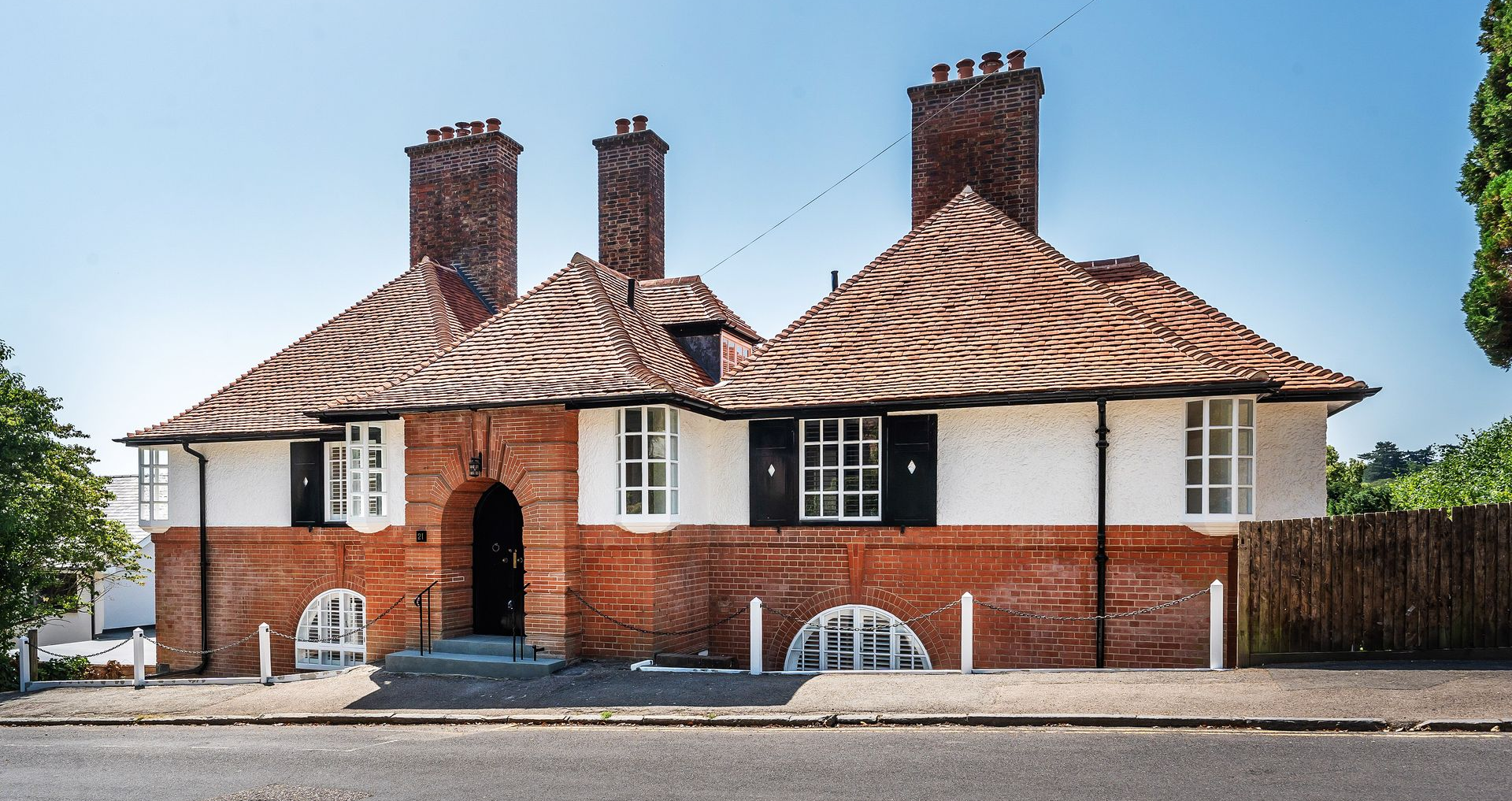
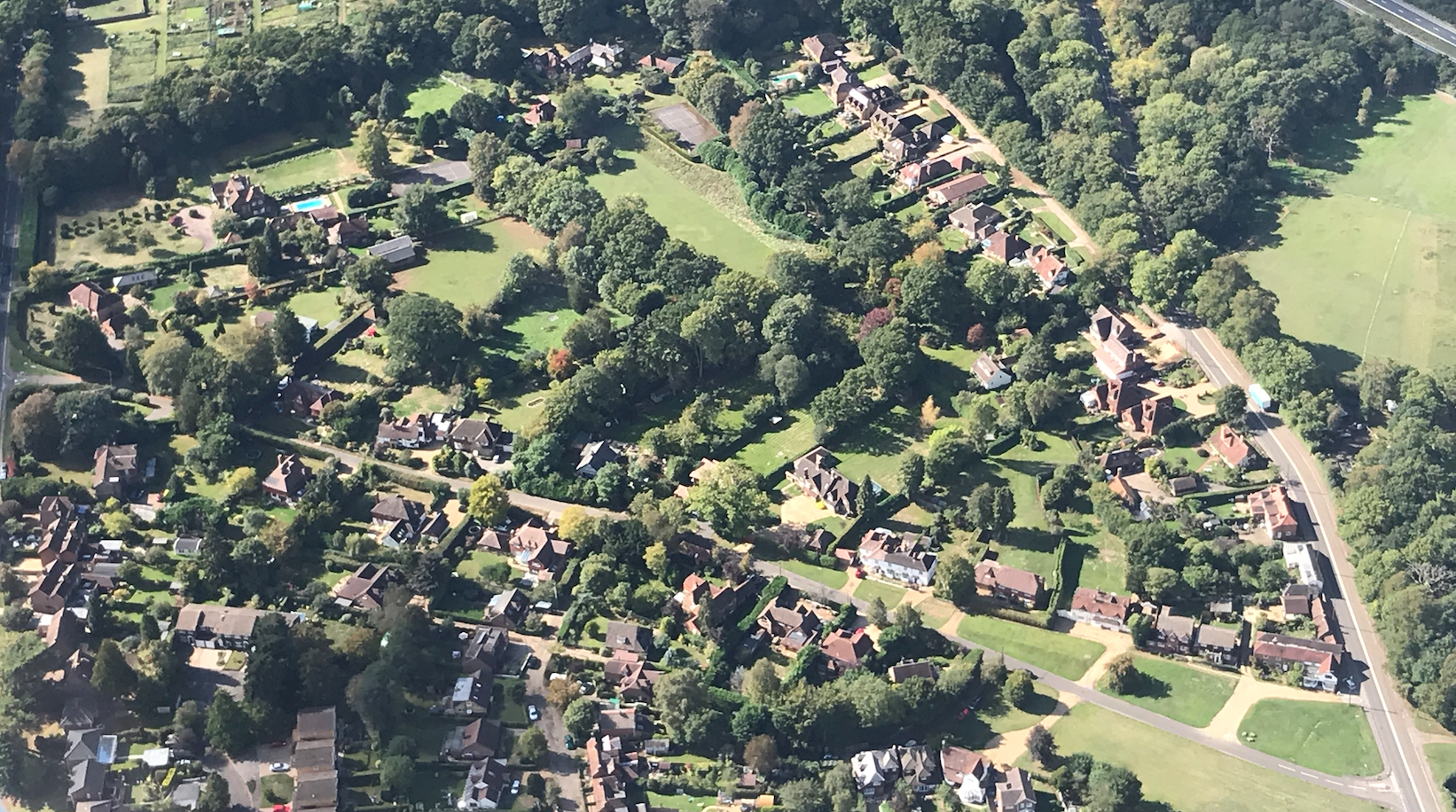
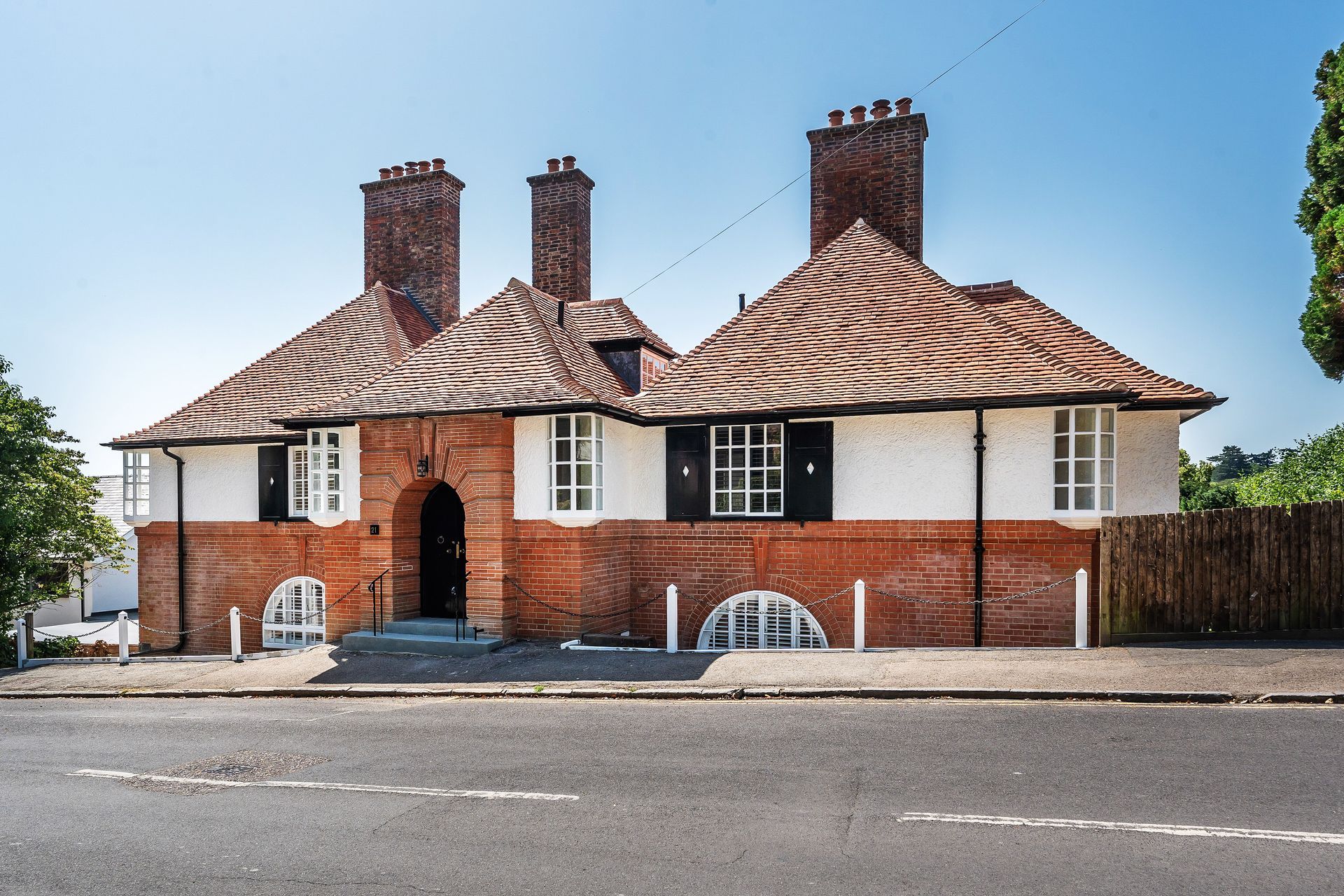
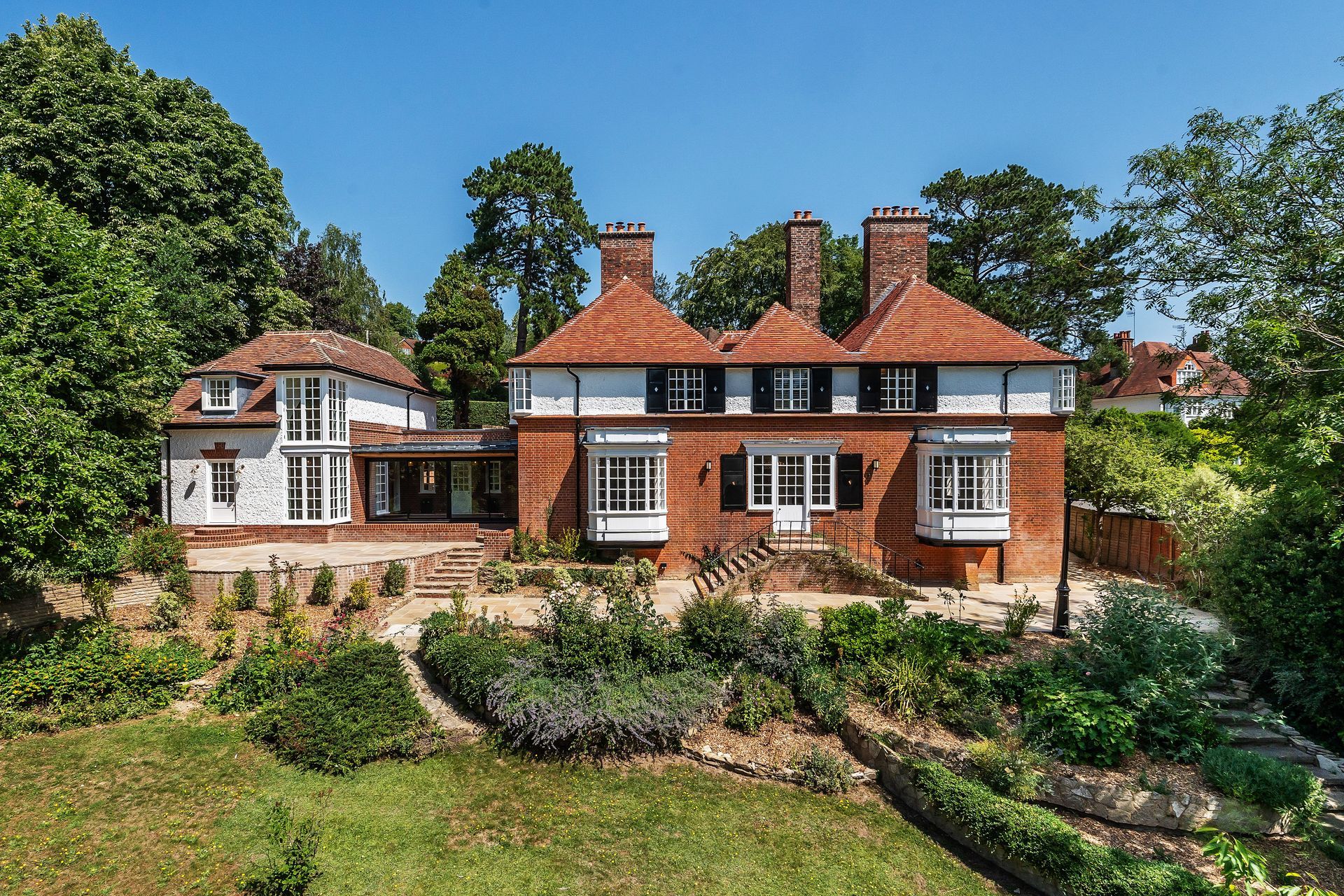
Sitting low, right on the pavement of a suburban street, Littlecroft has a neat façade of red brick, white render and a tiled roof. Lutyens worked with the context of every setting, and this building is no different. It carefully makes the most of the hillside to ensure expansive views from the living rooms.
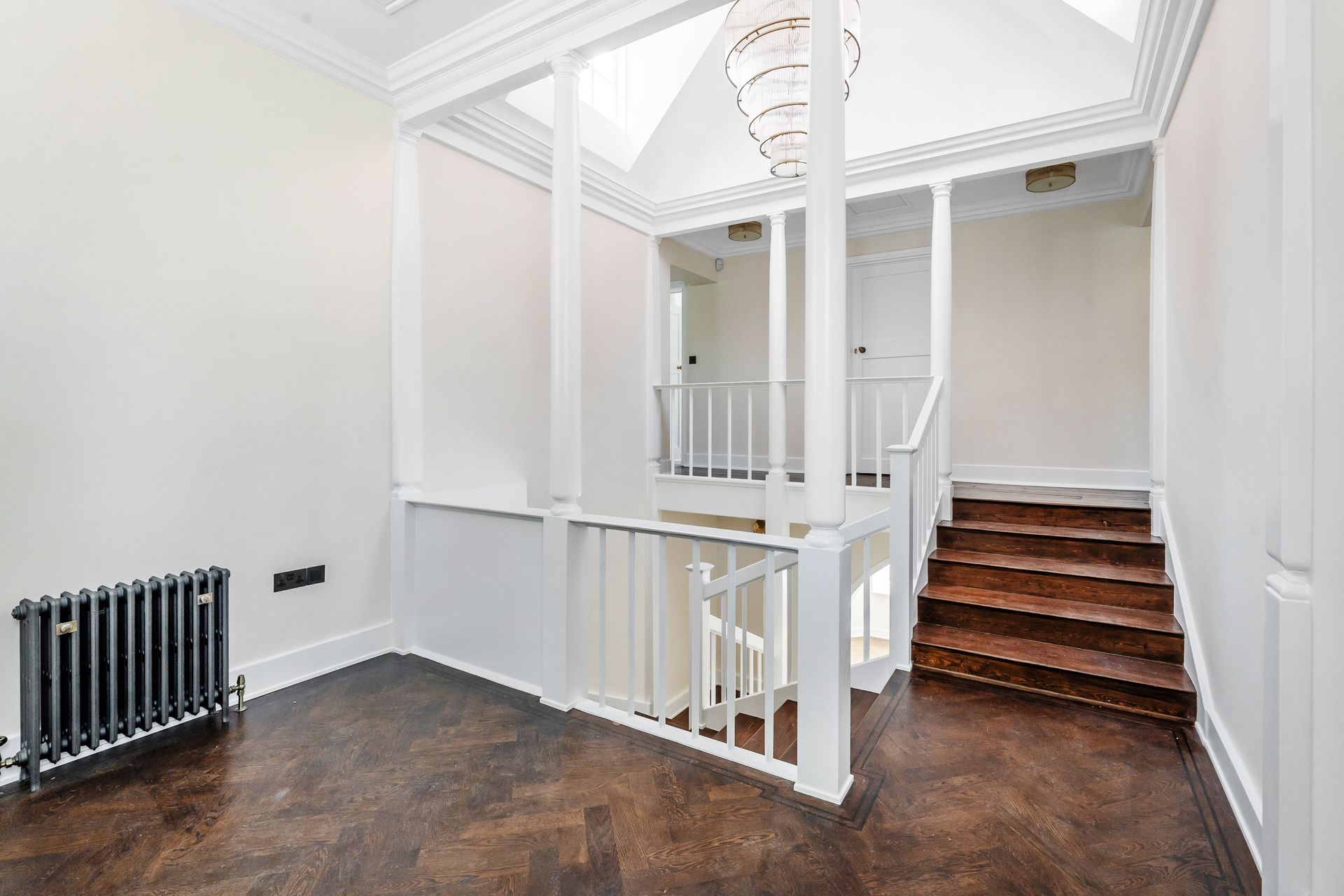
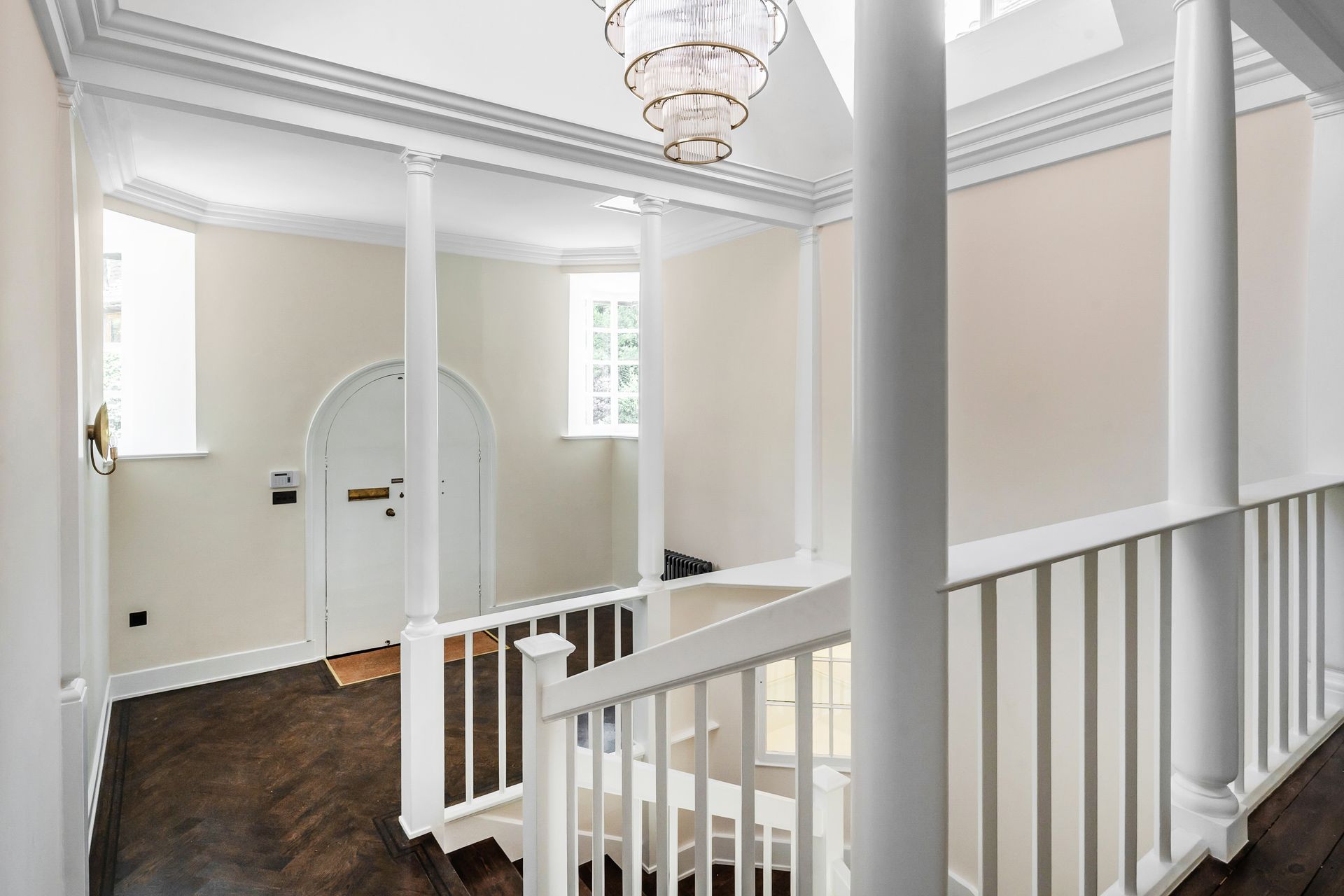
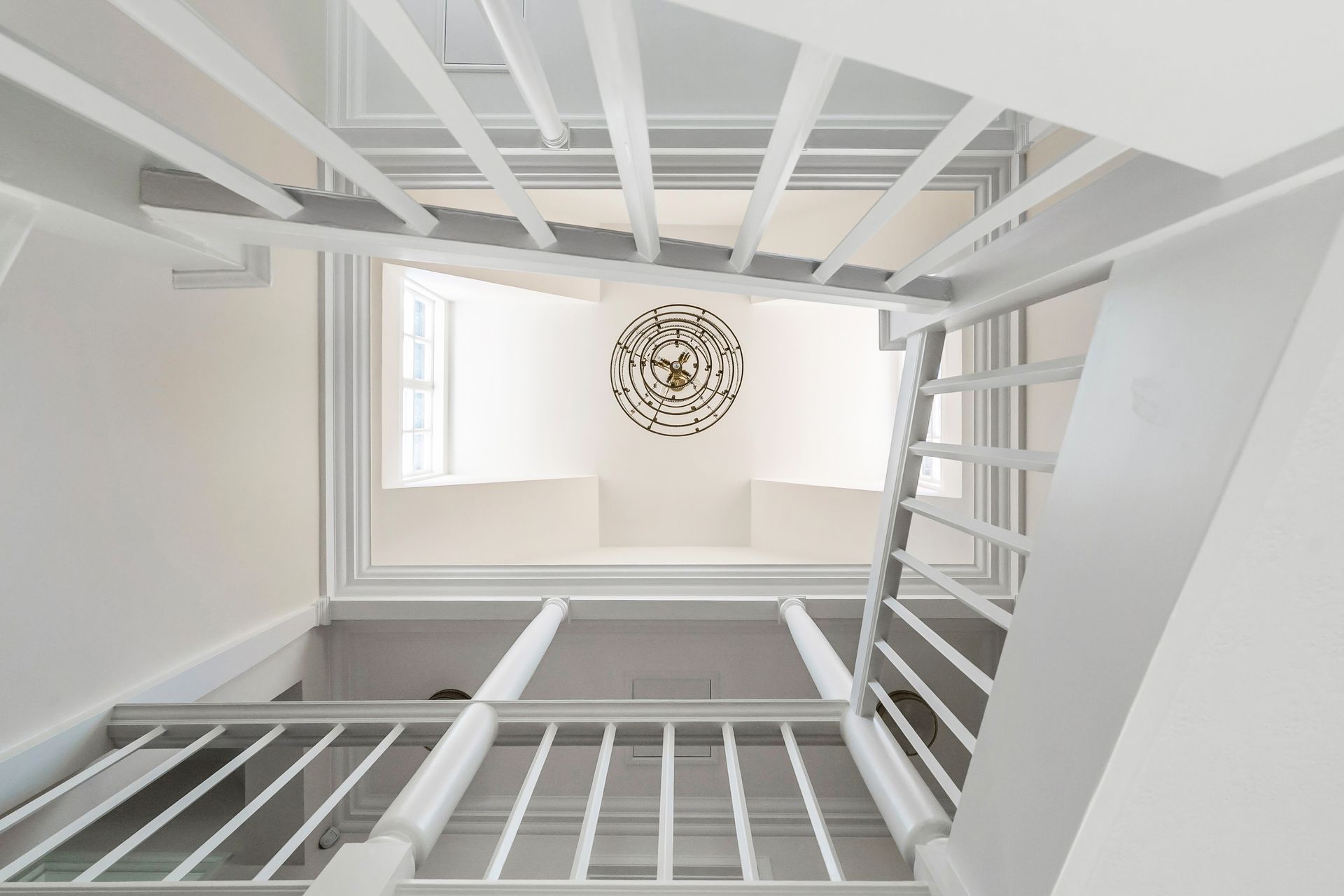
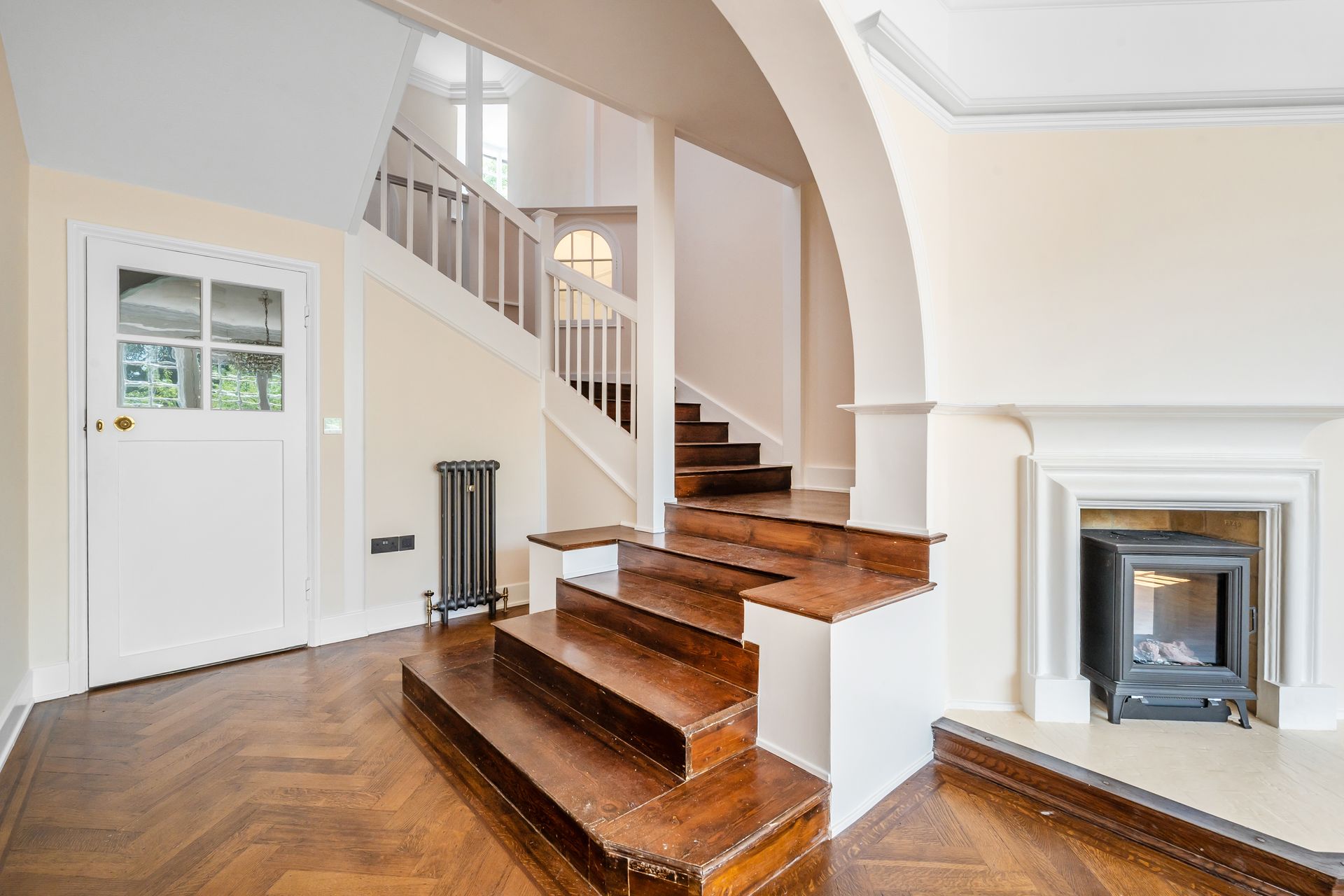
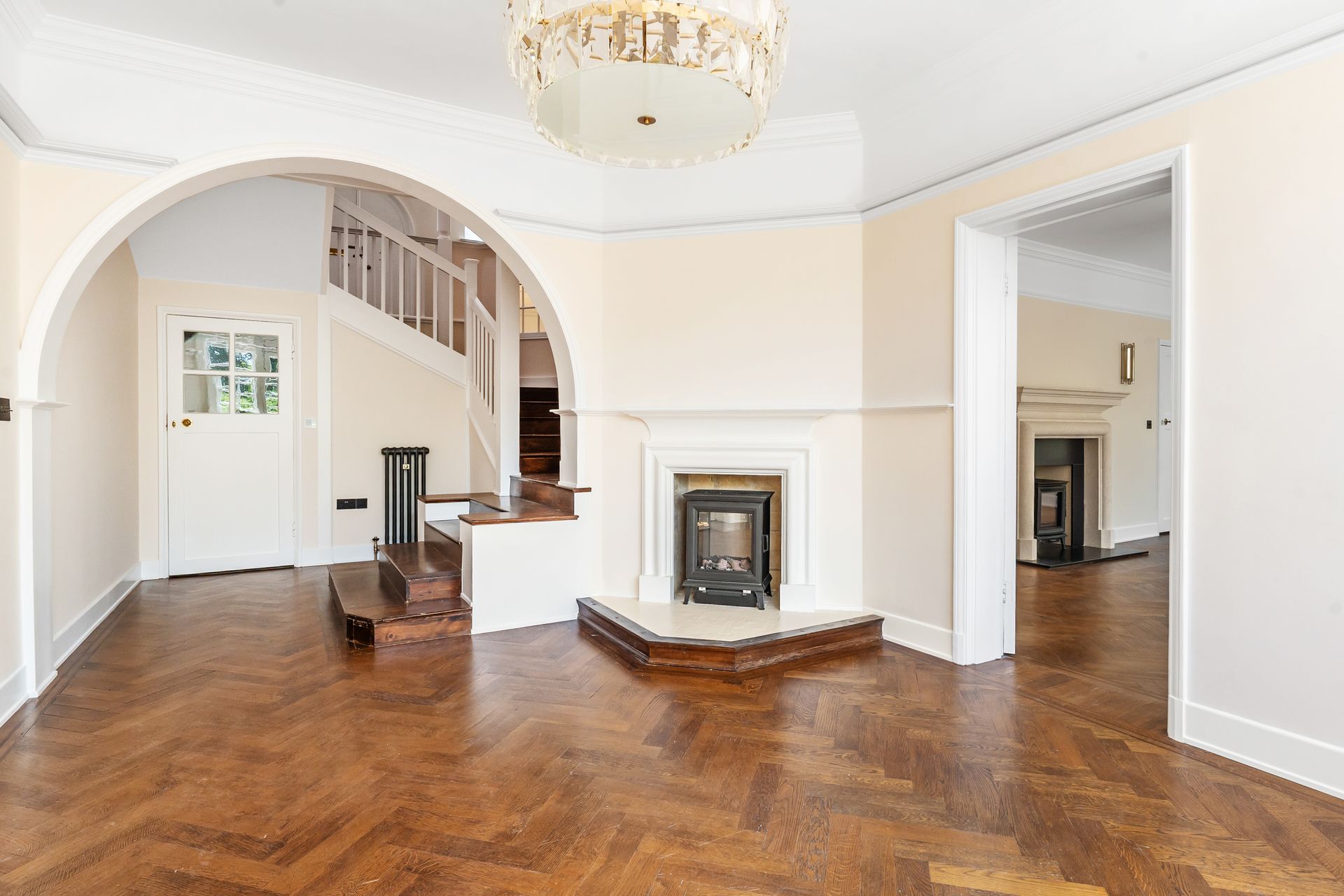
From the front of the house you can see there are two storeys, but the front door is halfway in between. When opened, the split-level porch reveals a beautifully proportioned hallway with bedrooms up half a flight of stairs and living rooms down half a flight. But it’s the top landing bannister that immediately made me wonder. It’s low and reminds me of a ship’s bridge.
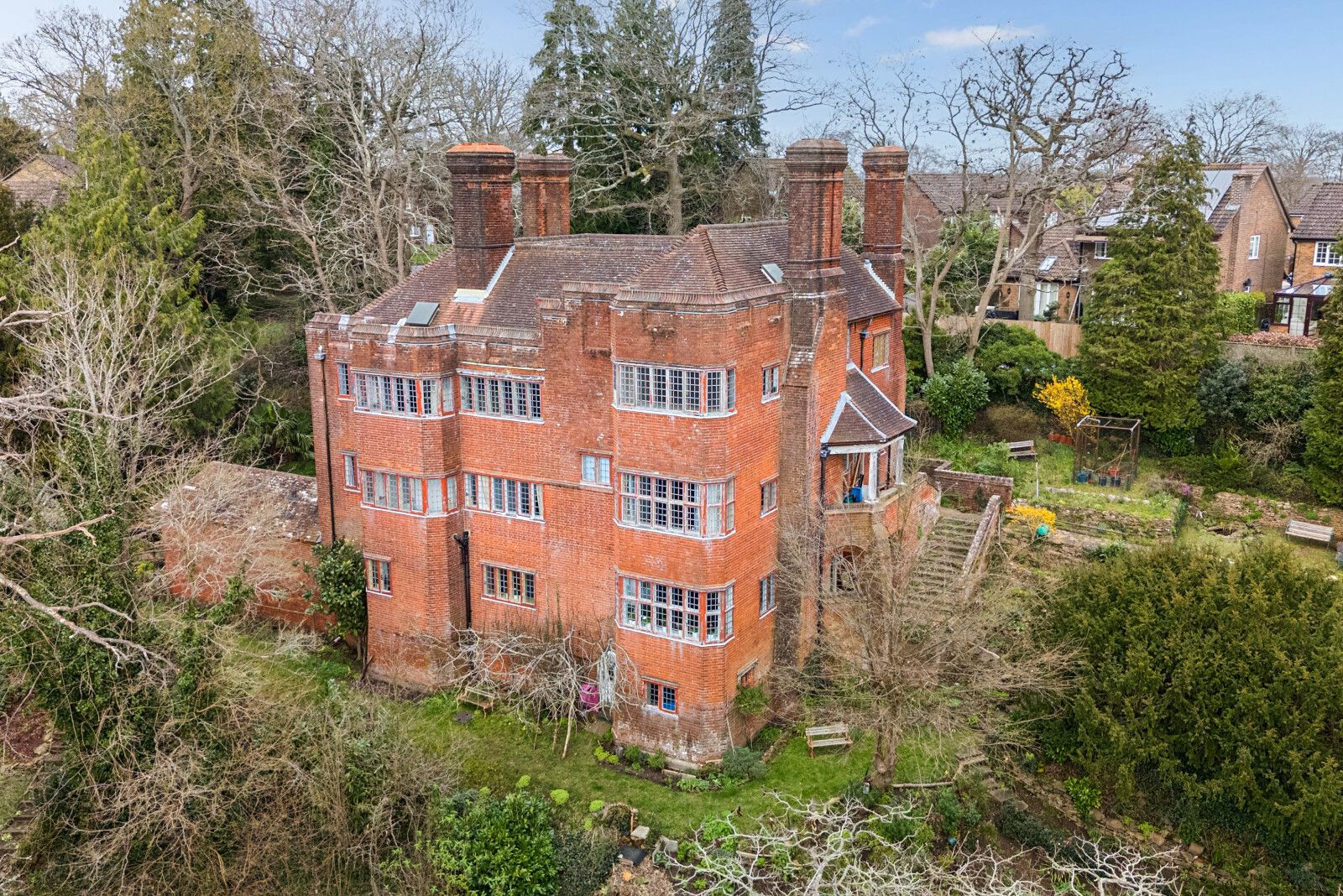
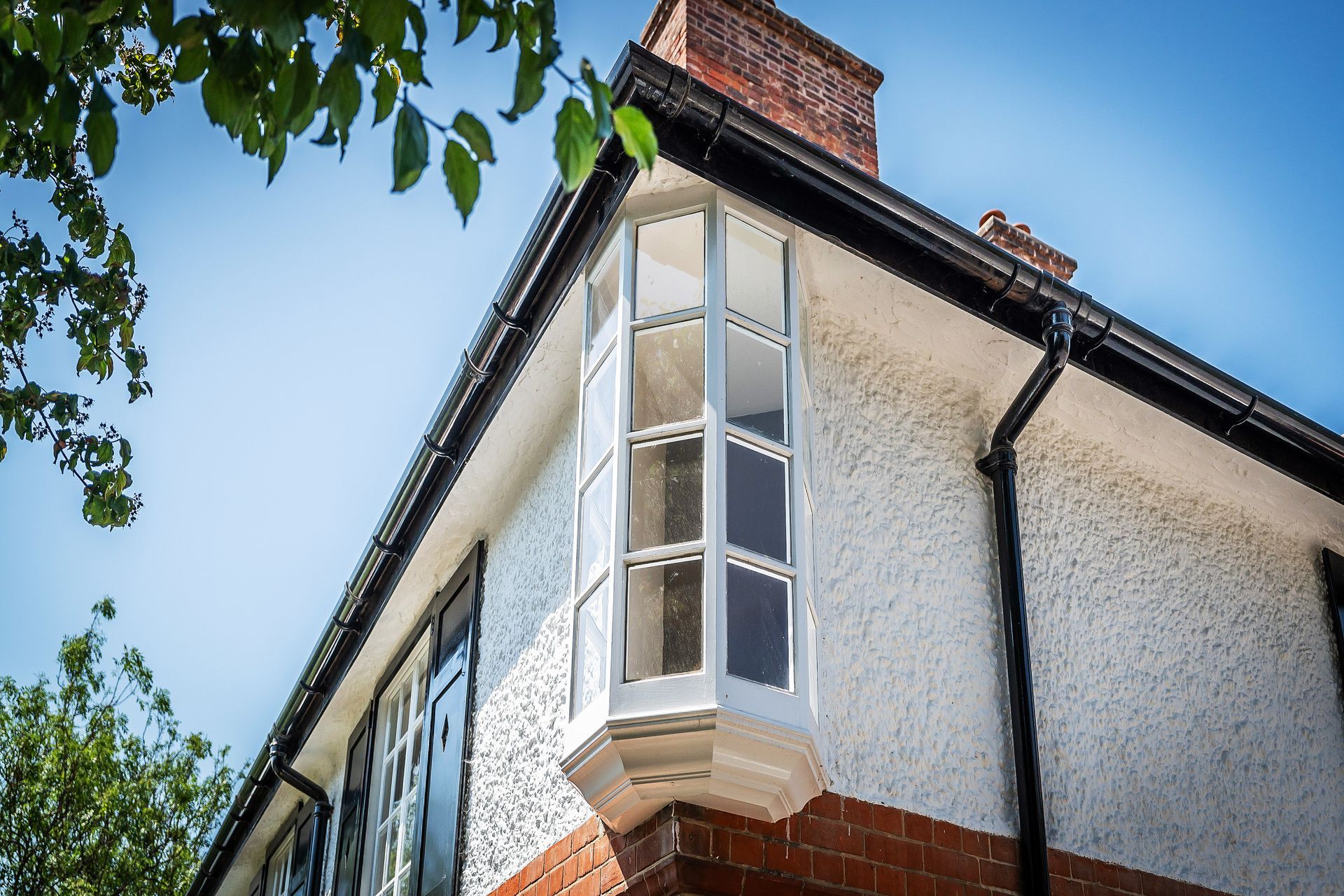
Back outside, the chamfered brickwork around the door, set in the centre of a three-part façade, is neat, and beautiful in its simplicity. Interest is added with arched windows and oriel windows in each corner, immediately piquing my curiosity again. The design demonstrates a command of building techniques that allows a delicate window to be in a load-bearing position.
But it’s not the engineering that interests me in so much as the reason why this look was chosen.
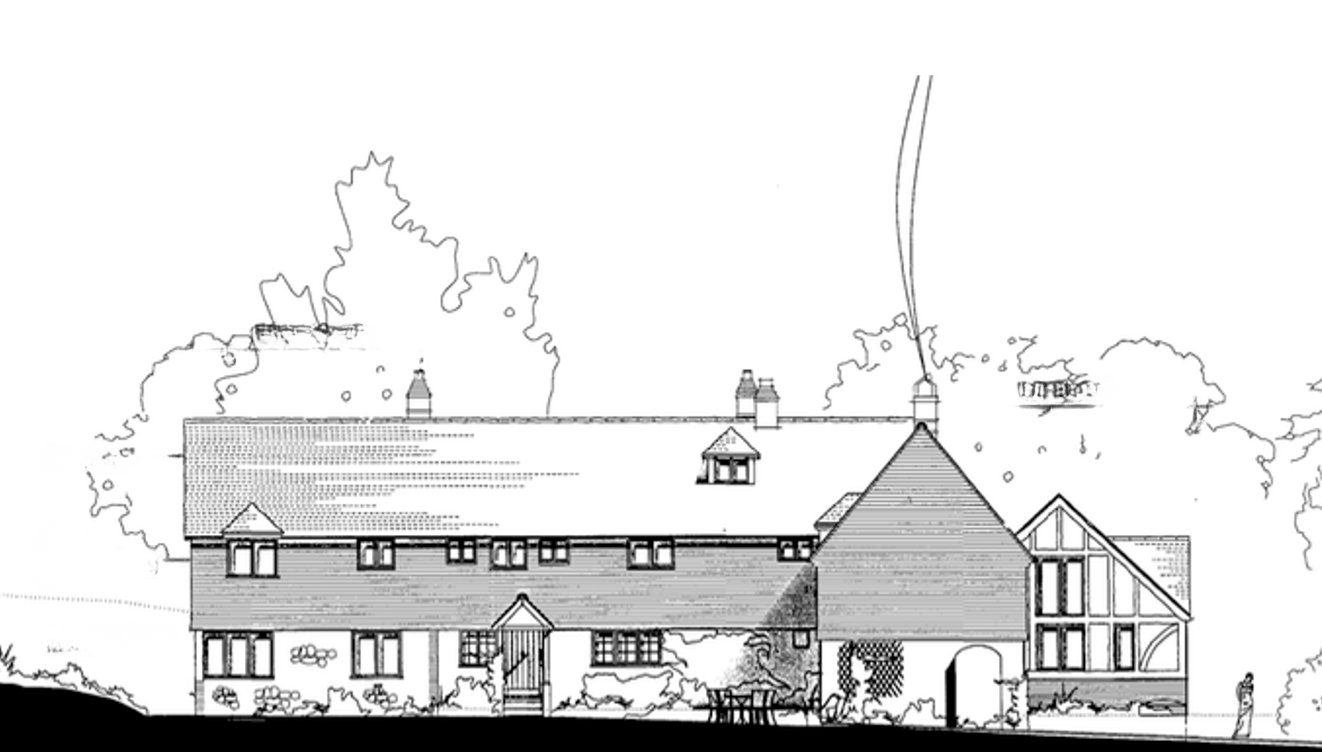
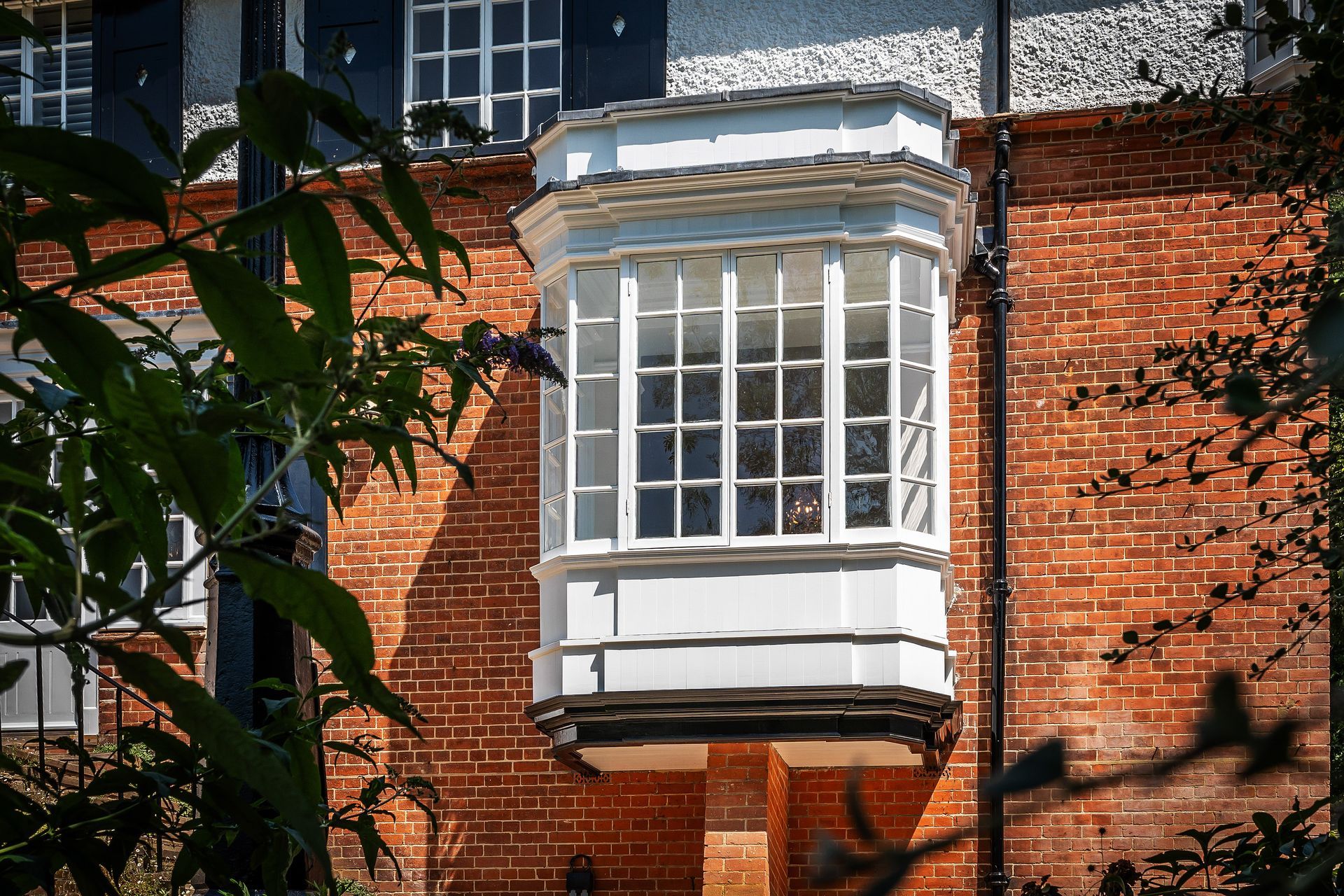
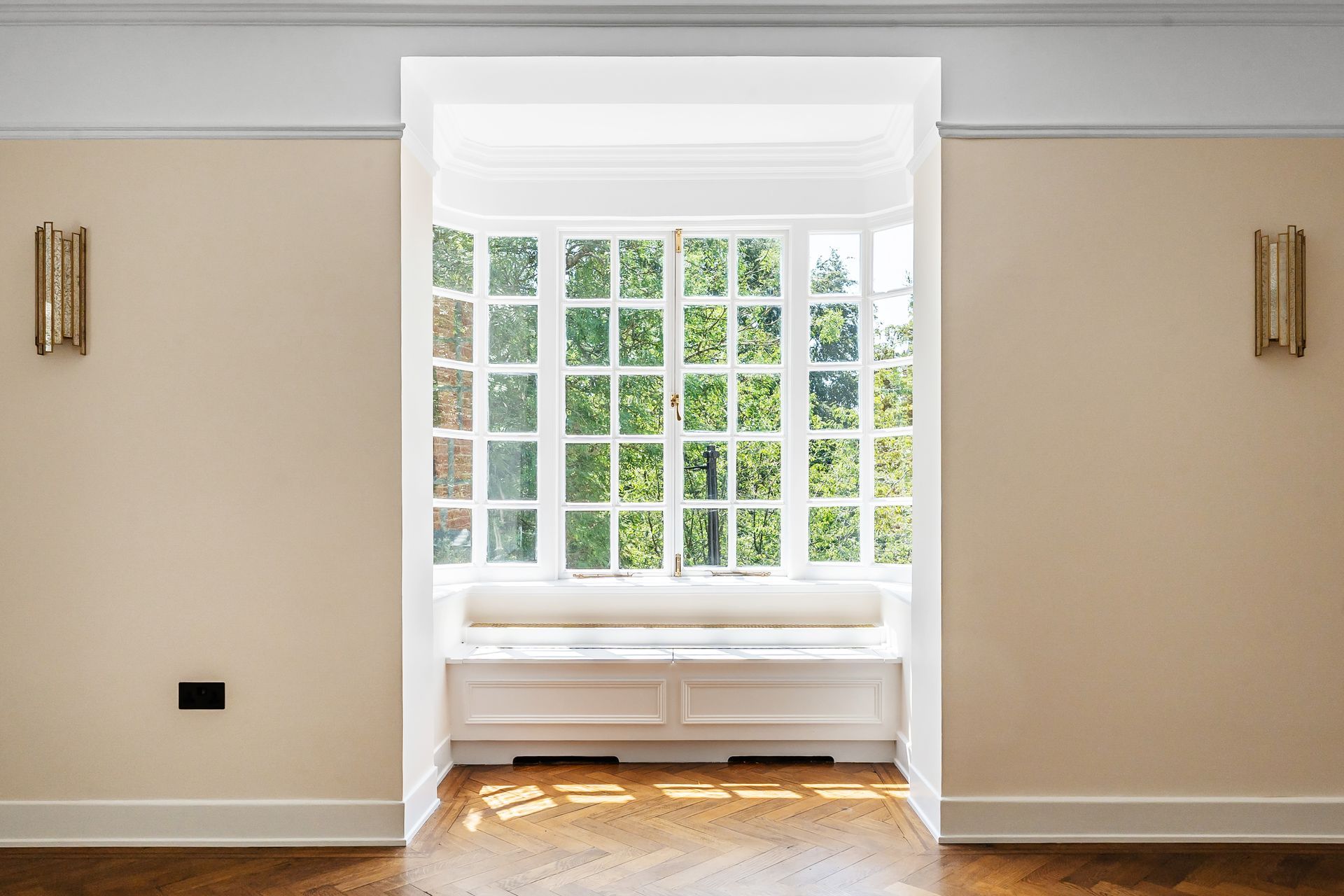
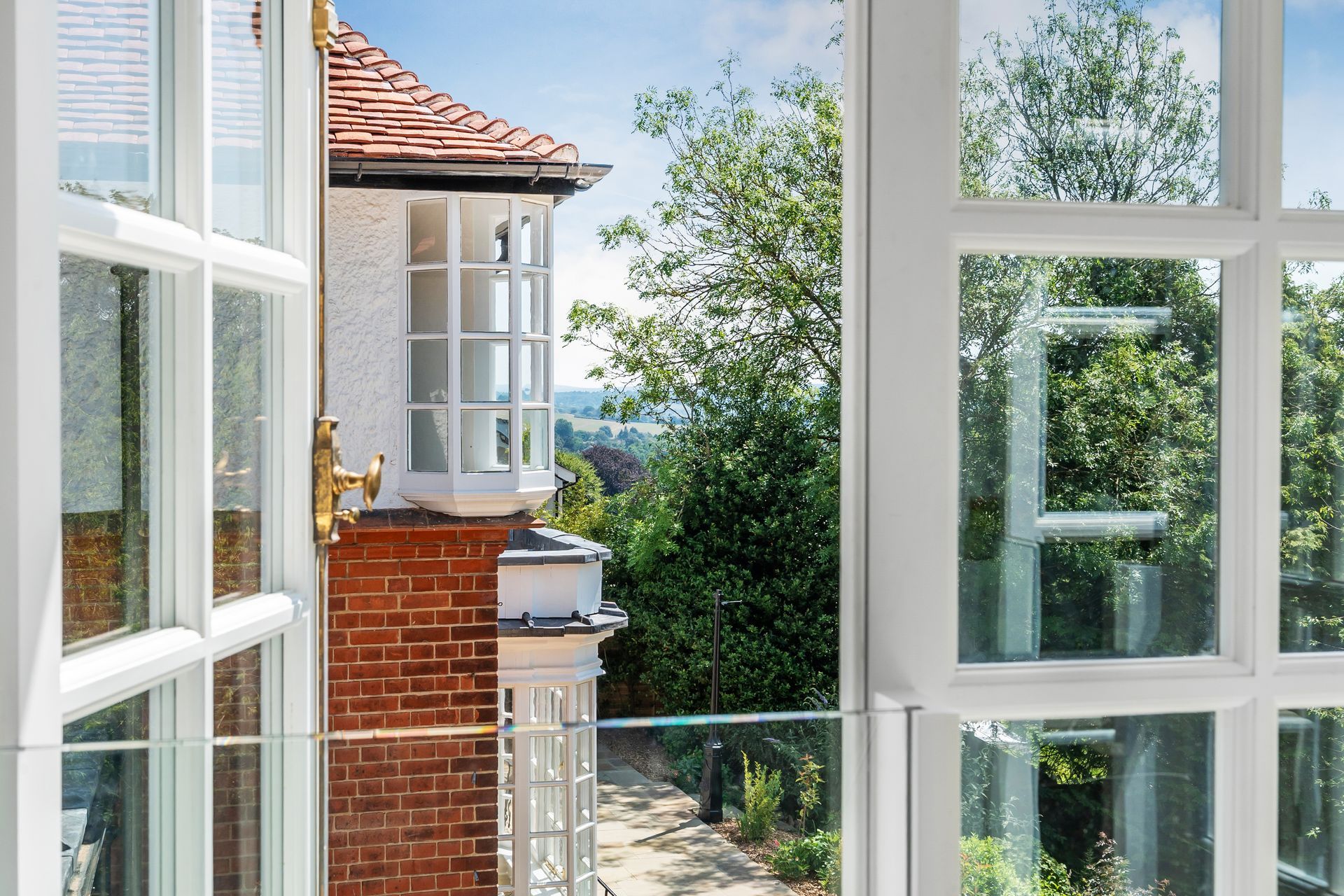
Another clue lies around the back of the property. The first thing I notice upon peering around the corner is the enormous bay windows, under-buttressed for support. The large overhanging bays resemble the stern galleries of eighteenth-century sailing ships, where the captain's cabin overlooked the sea. I can almost imagine Nelson staring through them out to sea. And then the penny drops and I can see that the oriel windows almost give the impression of crow’s nests, with 270-degree views. These striking projecting corner windows are far more than decorative
flourishes.
At that point I still had no idea why this suburban Surrey house kept reminding me of a ship. It was only several hours later, after researching Rosine Bowes Watson's family, that everything suddenly made sense.
To sea or not to sea?
Surrey is a landlocked county. Why would the house call to mind a seafaring ship? I initially wondered if it was because the Portsmouth Road runs through Guildford, connecting London and Portsmouth, making it an important stop-off.
But it was my research into the lady who commissioned this home in 1899, that reveals the answer.
Littlecroft was built for Rosine Bowes Watson, whose father, Vice Admiral George Davies, enjoyed an extraordinary naval career spanning nearly forty years. Davies fought during the closing years of the Napoleonic Wars, served at the Bombardment of Algiers in 1816, and later commanded naval brigades during the First Carlist War in Spain before becoming a highly decorated Coast Guard officer protecting the south coast from smugglers.
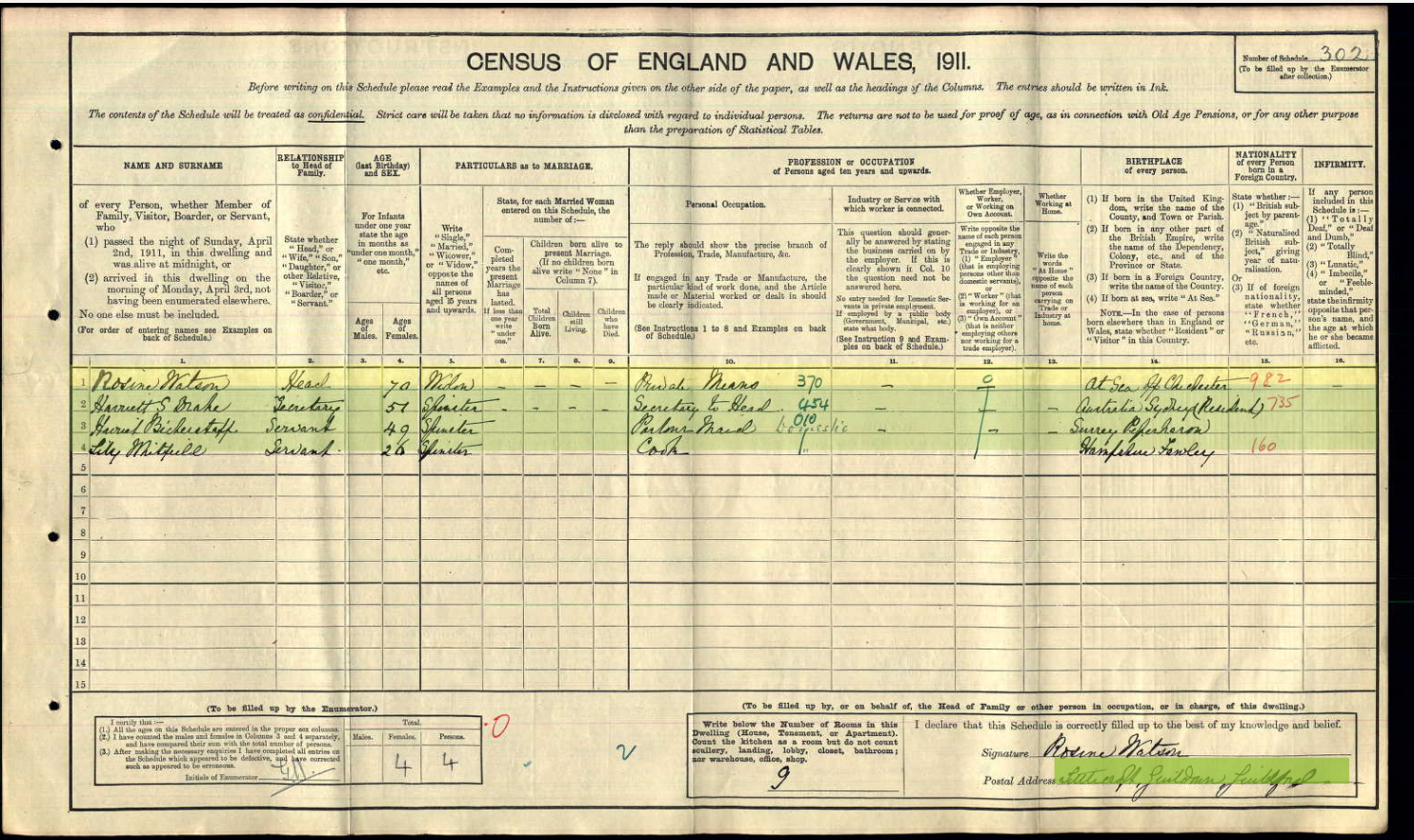
Even more remarkably, the 1901 census records that Rosine was born “at sea off Chichester” aboard HMS Griper while it served as a floating Coast Guard station in Chichester Harbour.
Whether Lutyens consciously incorporated these maritime echoes can never be proven, but knowing Rosine's background makes them difficult to ignore.
The remarkable woman behind Littlecroft
Unlike many of Lutyens' famous clients, Rosine Bowes Watson has largely disappeared from history.
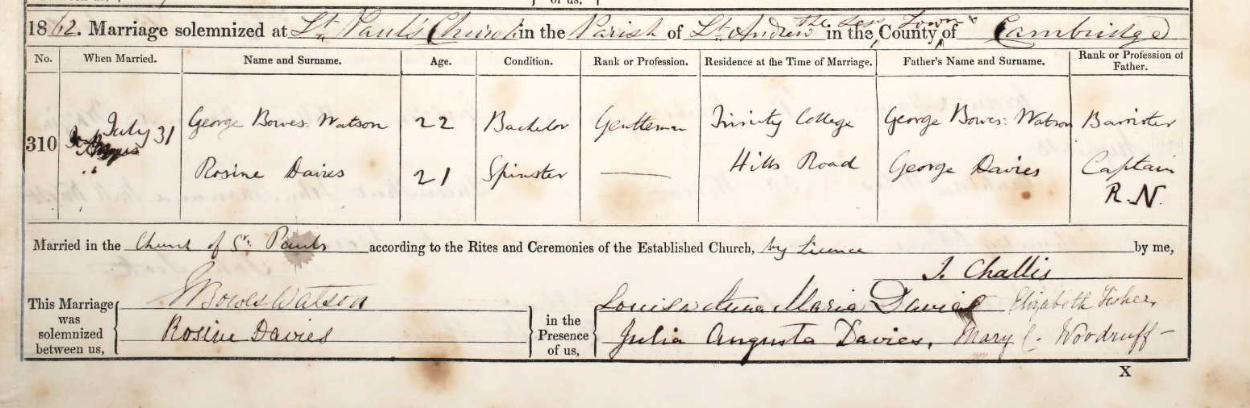
She grew up with her parents, two older sisters, two younger brothers and two servants. In 1862, at the age of 21, she married George Bowes Watson, who became a vicar in St Neots. He died in Weybridge in 1890, at the age of 50, leaving her a widow without children.
There’s nothing to indicate why Rosine settles to Guildford, but less than a decade after her husband’s death, she moves to the town, and Littlecroft is built. Census records show she lived there with a secretary and two loyal servants for over twenty-five years, remaining in the house until her death in 1925.
The recent conservation project has focused not on changing Lutyens' design but on carefully repairing and preserving it for another generation. The emphasis has been on respecting the craftsmanship and architectural intelligence already present.
Lutyens’ respect for context is well known. And digging into the history of Littlecroft’s owner has provided more insight into the human context, highlighting why historical research is important when renovating or changing older buildings. There’s always a story to tell.
History doesn't just enrich our appreciation of older houses, it helps us make better decisions when caring for them. There is almost always another story waiting to be discovered.
Slide title
Write your caption here
Button
Slide title
Write your caption here
Button
Slide title
Write your caption here
Button
Slide title
Write your caption here
Button
Slide title
Write your caption here
Button
Slide title
Write your caption here
Button
Slide title
Write your caption here
Button
Slide title
Write your caption here
Button
Slide title
Write your caption here
Button
Slide title
Write your caption here
Button
Slide title
Write your caption here
Button
Slide title
Write your caption here
Button
Slide title
Write your caption here
Button
Enjoy discovering the stories behind Britain's historic homes?
Explore more articles in the
Journal or find out how our
History at Home service can uncover the forgotten history of your own house before your next renovation.
By Helen McClure
•
September 11, 2026
David Cole’s Great Houses of the Arts & Crafts Movement explores 100 remarkable British homes. A personal review of Lutyens, Voysey and the wider movement.
By Helen McClure
•
September 11, 2026
Discover the architectural layers of Grays Court in York, one of Britain’s oldest continuously occupied houses, from Norman origins to today.
By Helen McClure
•
August 26, 2026
Discover how William Morris and the Arts & Crafts movement offer a timeless alternative to fast, trend-led interiors.
By Helen McClure
•
August 24, 2026
Discover the hidden history of Old Birtley, a Grade II listed Surrey house shaped by Tudor builders, working families and a Titanic connection.
By Helen McClure
•
August 13, 2026
Discover the fascinating history of the White Lion in Moushill, Surrey, a 16th-century coaching inn linked to a notorious murder that inspired Dickens
By Helen McClure
•
August 13, 2026
Explore the remarkable history of Moushill Lane, from medieval manor and coaching route to a home for artists, engineers and influential figures.
By Helen McClure
•
August 13, 2026
Discover the history of the Moushill Stores in Milford, from a Portsmouth Road stop off to part of Charles Burgess's pioneering grocery empire
By Helen McClure
•
July 28, 2026
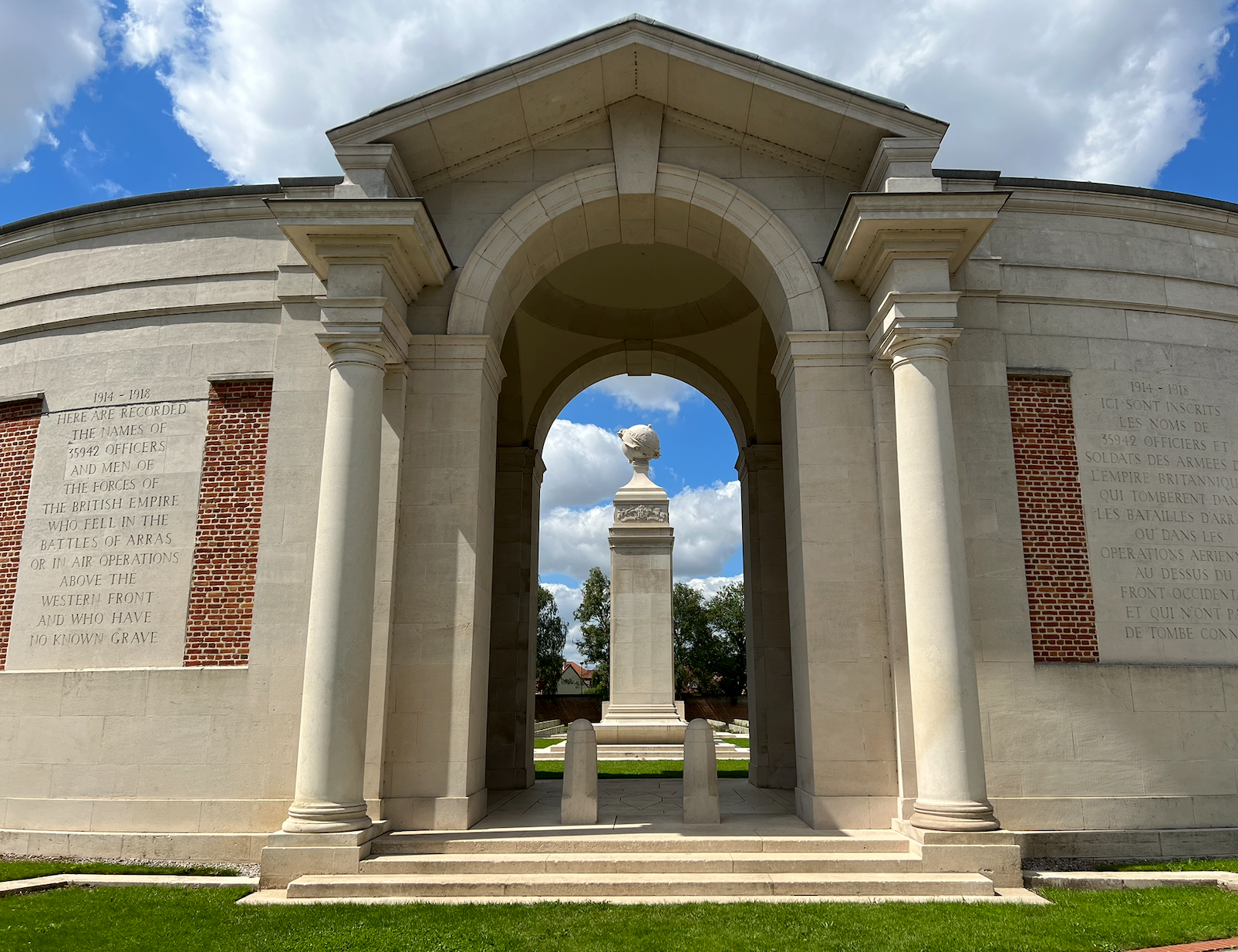
Explore the Commonwealth war cemeteries and how Lutyens used Arts & Crafts principles to create places of remembrance.
By Helen McClure
•
June 29, 2026
Explore The Red House in Godalming, an early Lutyens masterpiece, and discover what its timeless architecture can teach today's homeowners.
By Helen McClure
•
June 24, 2026
Discover how Dorich House reveals the story of Dora Gordine and what historic homes can teach us about creating interiors with meaning.