What William Morris teaches us about interiors today
A reaction to mass production — and why that feels familiar
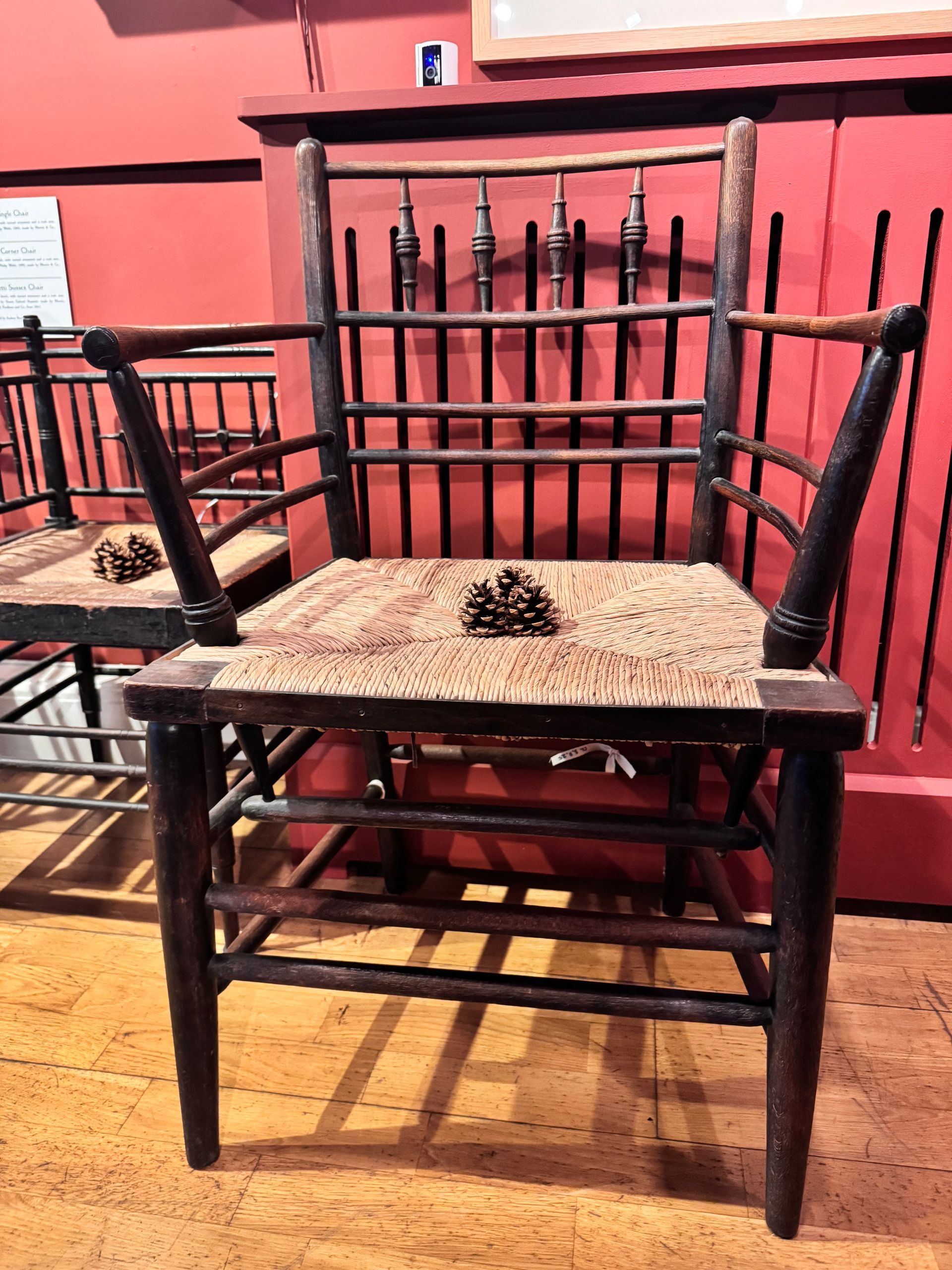
In the late 19th century, Morris pushed back against industrialisation and the rise of poorly made, mass-produced goods. He believed that design should be rooted in honesty: honest materials, honest craftsmanship and honest purpose.
Today, we find ourselves in a similar position.
Homes are often shaped by speed, quick decisions, fragmented schemes and trend-driven choices that don’t always sit comfortably within the architecture. Particularly in period properties, this can create a tension between past and present.
Morris offers an alternative.
A home as a coherent whole
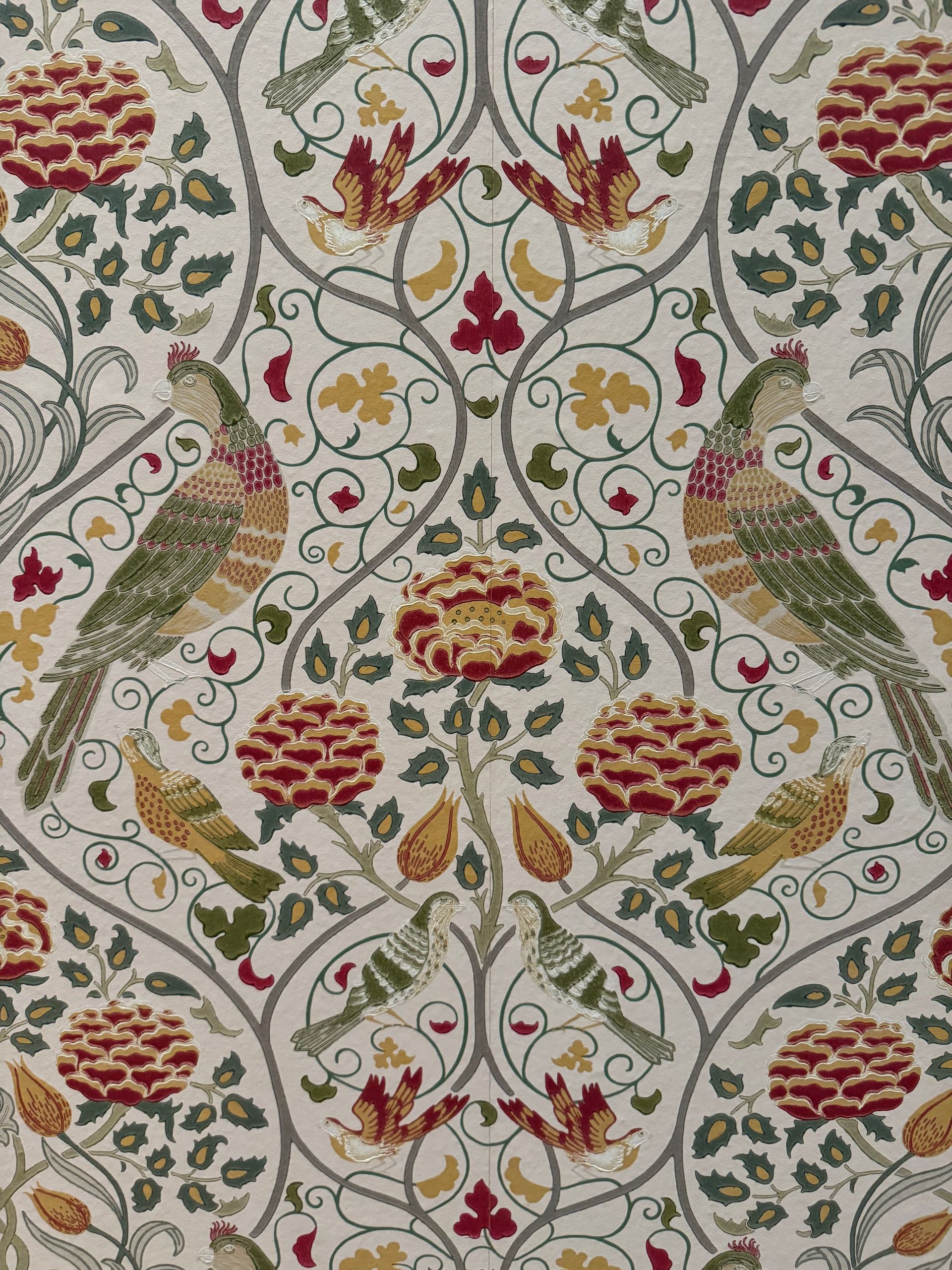
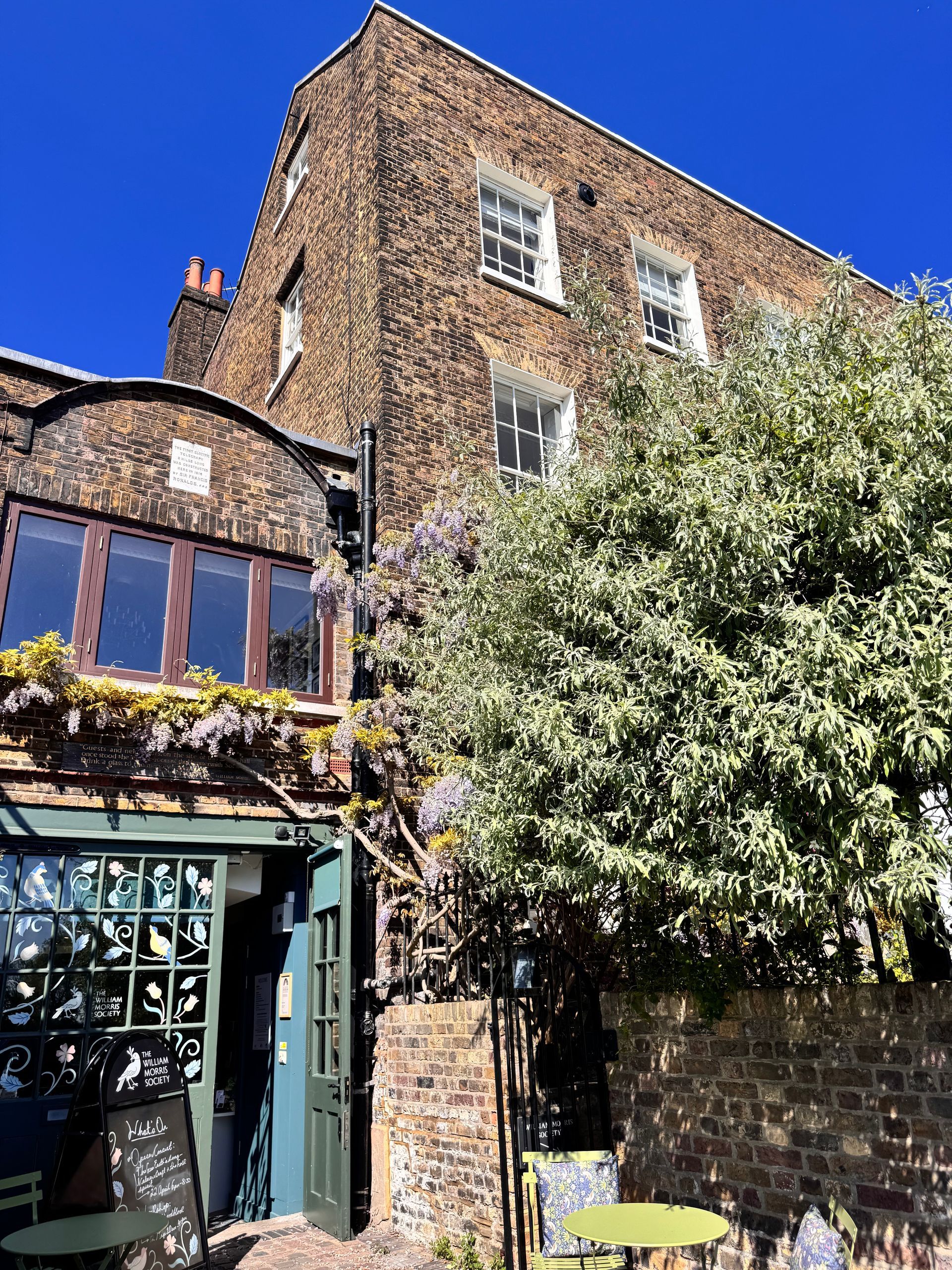
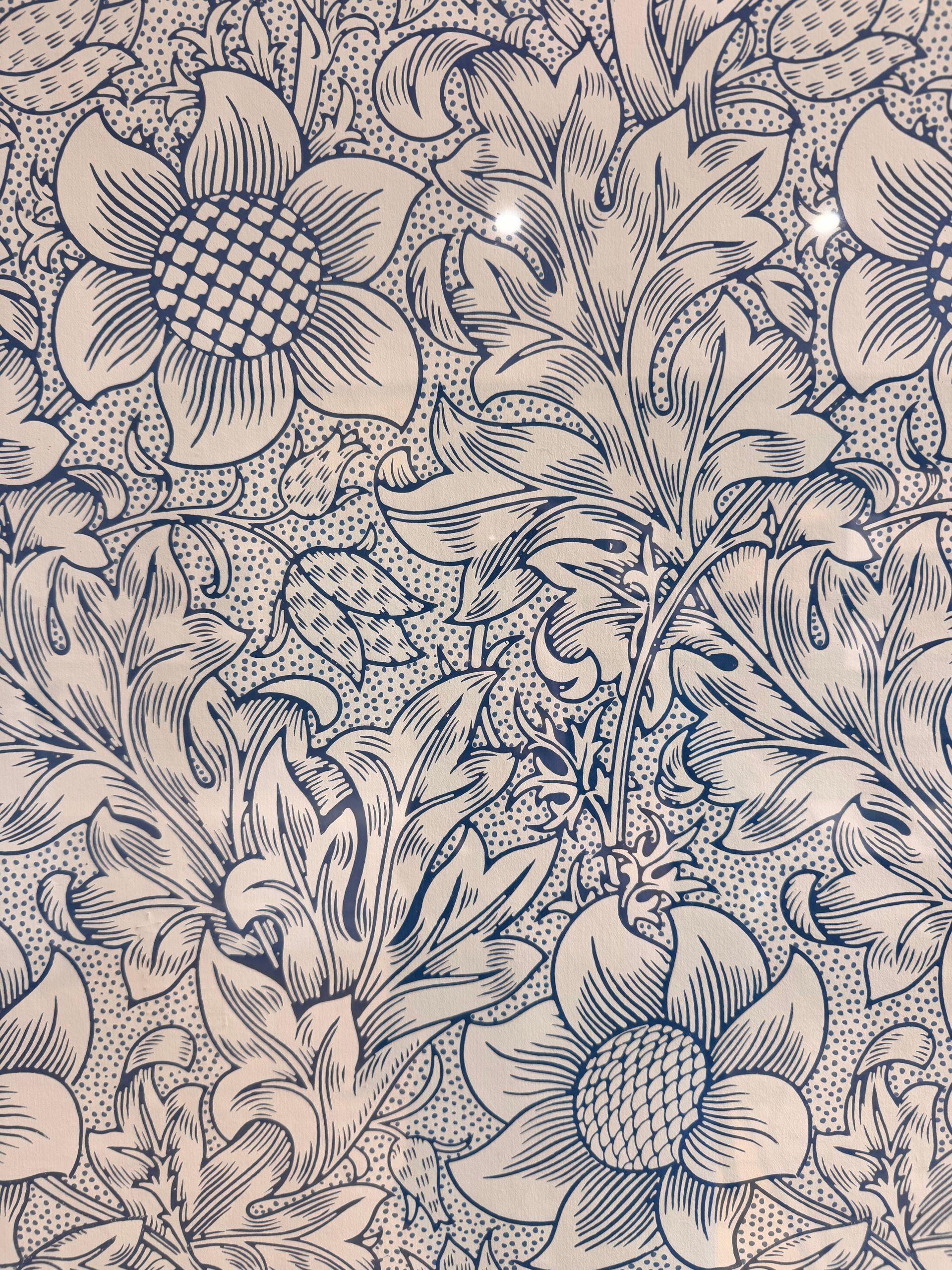
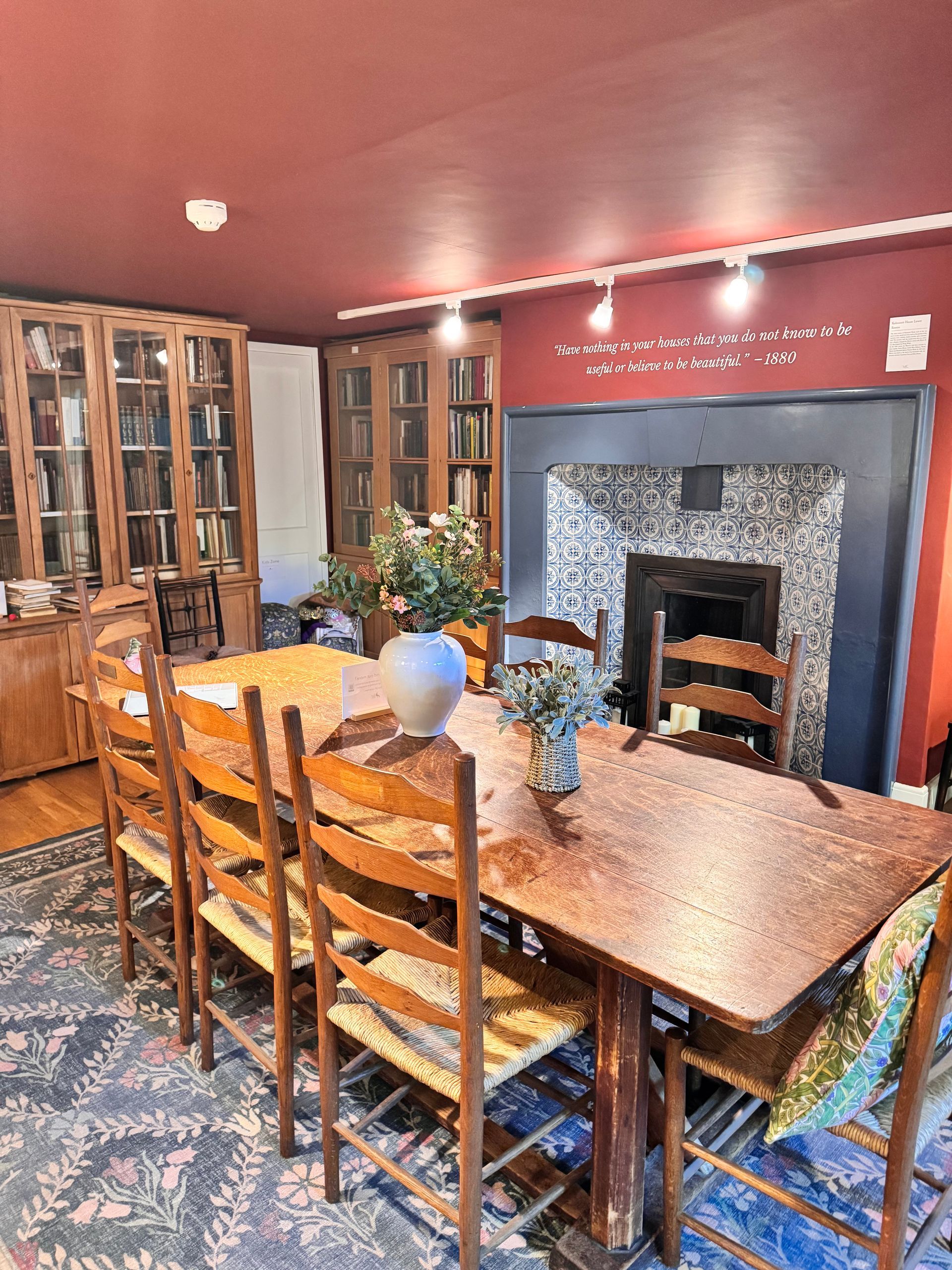
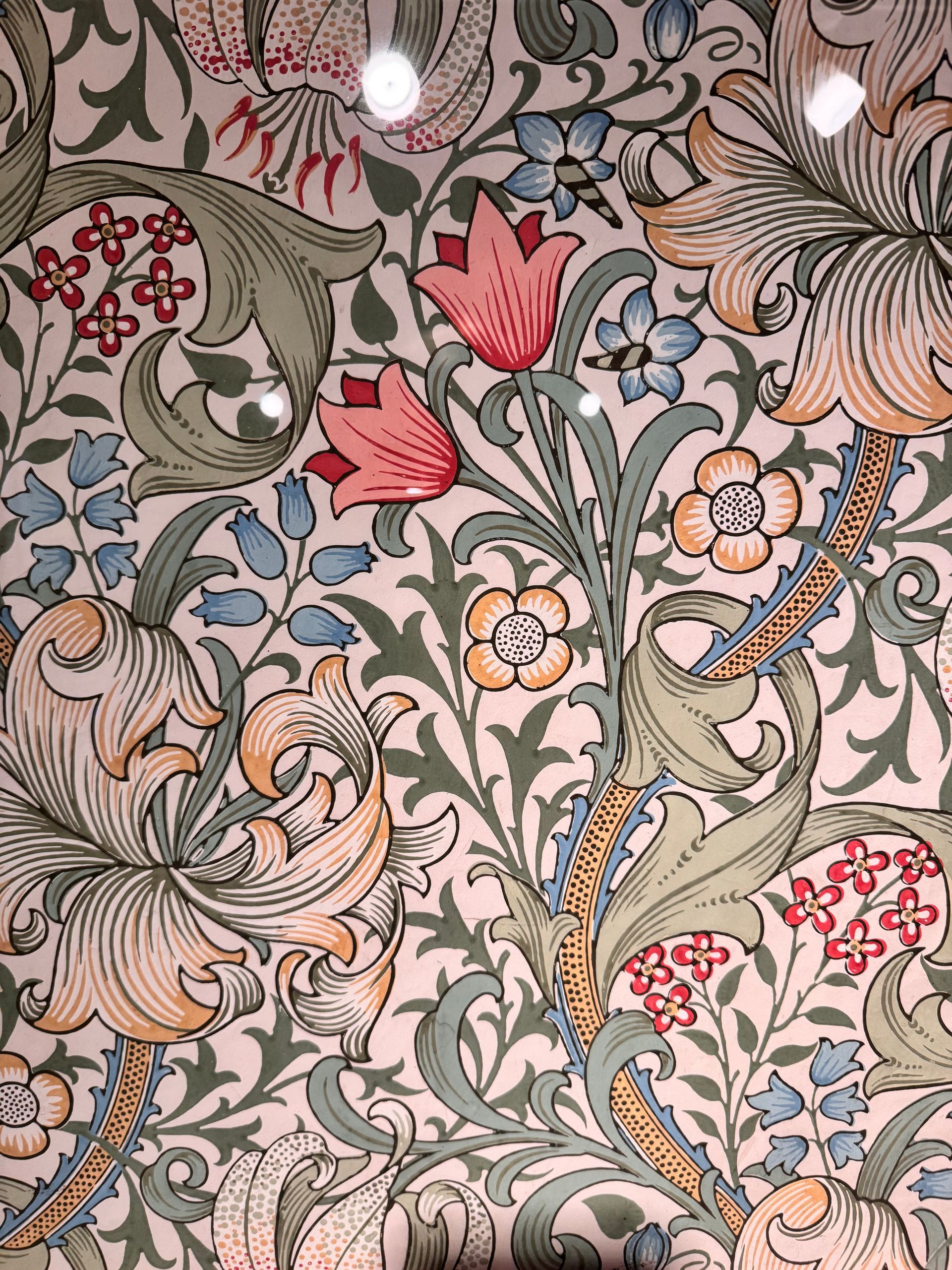
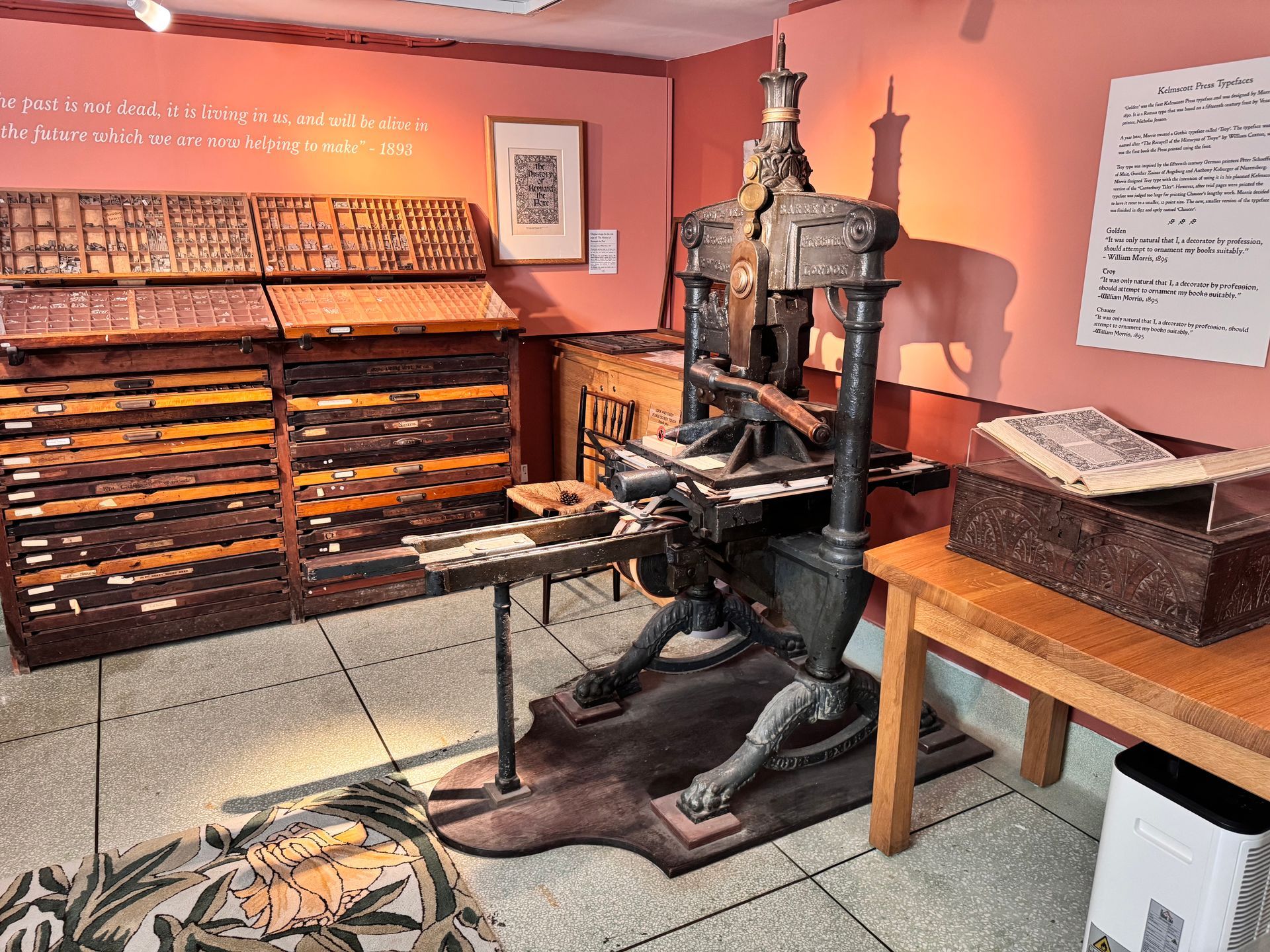
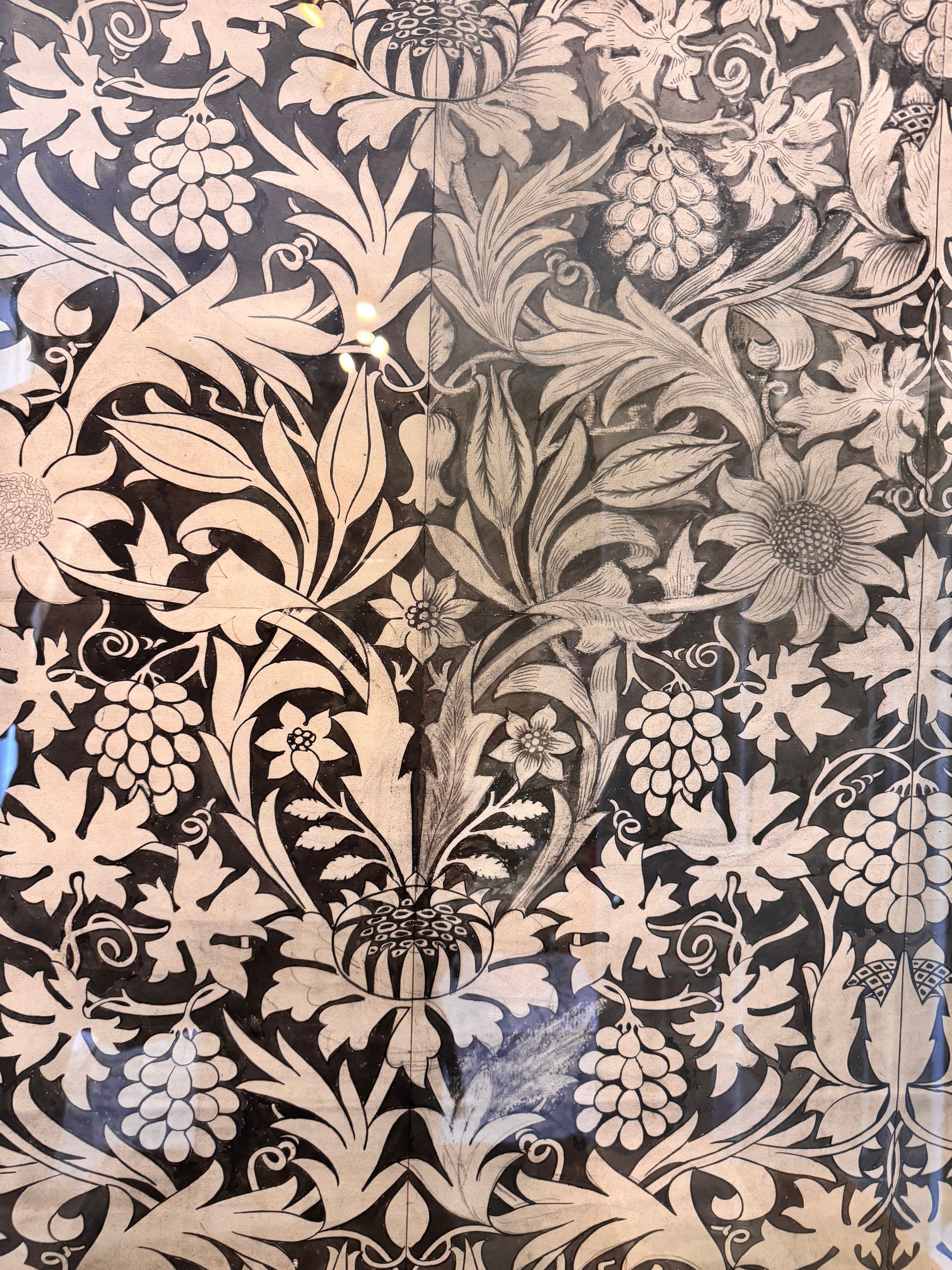
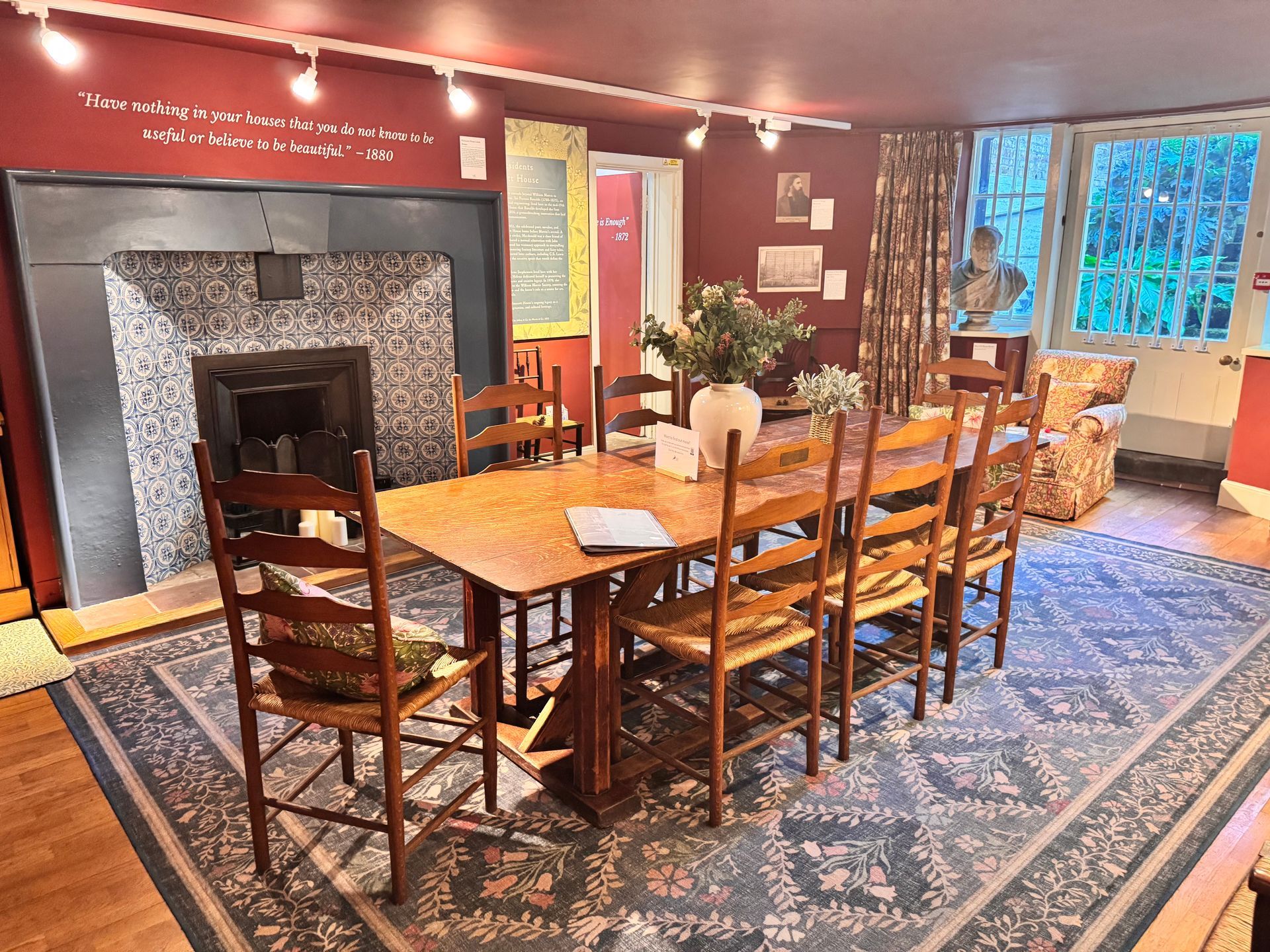
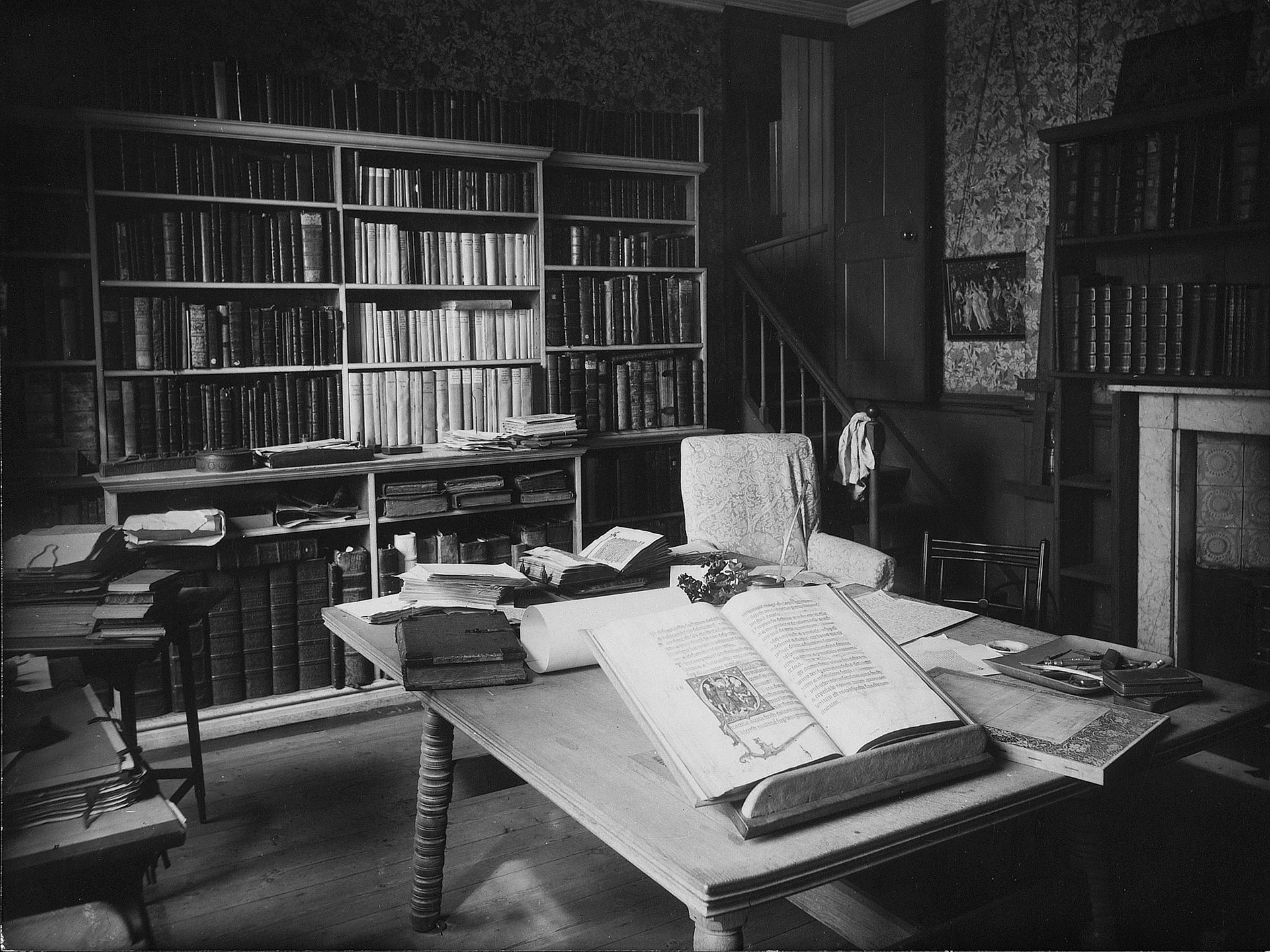
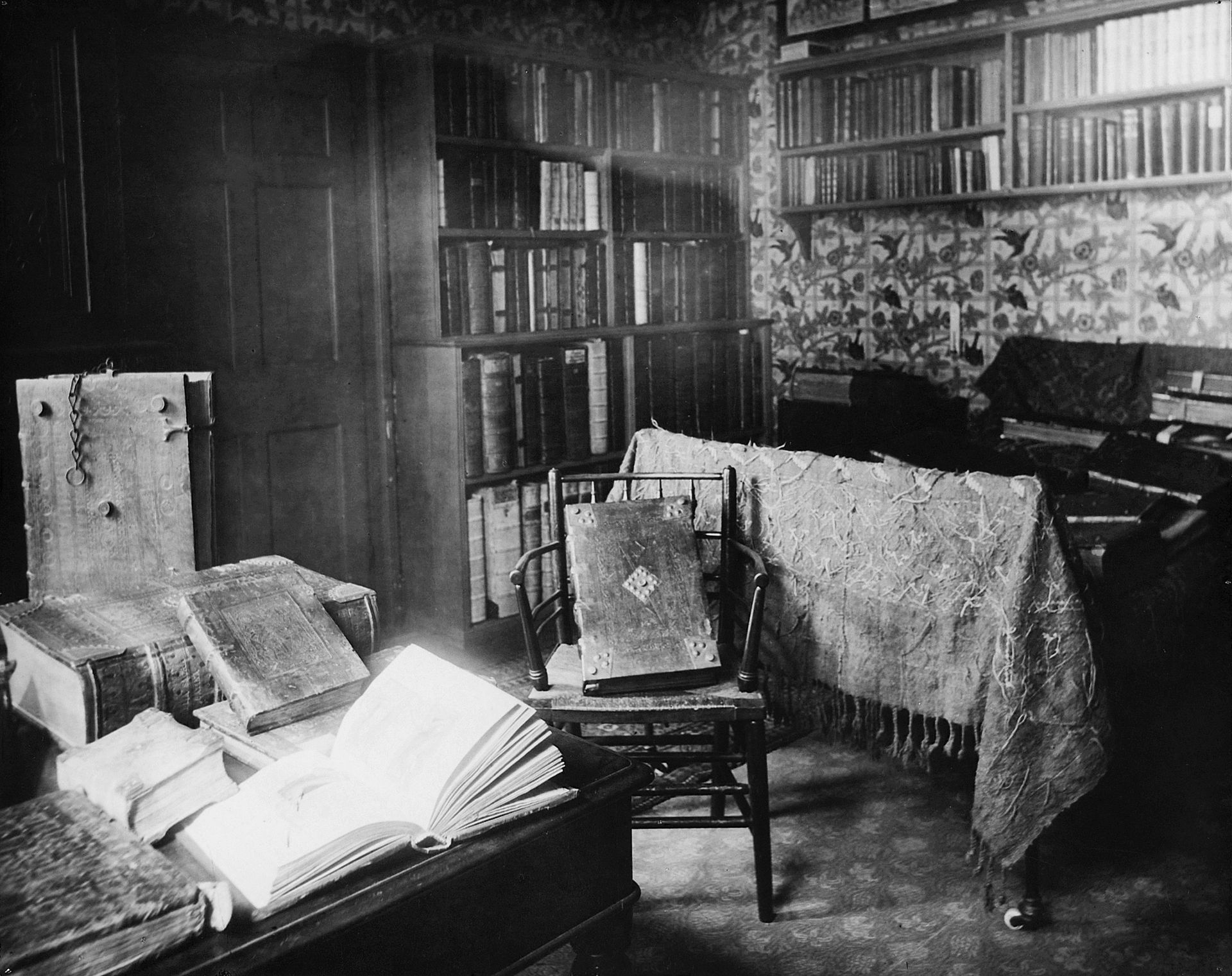
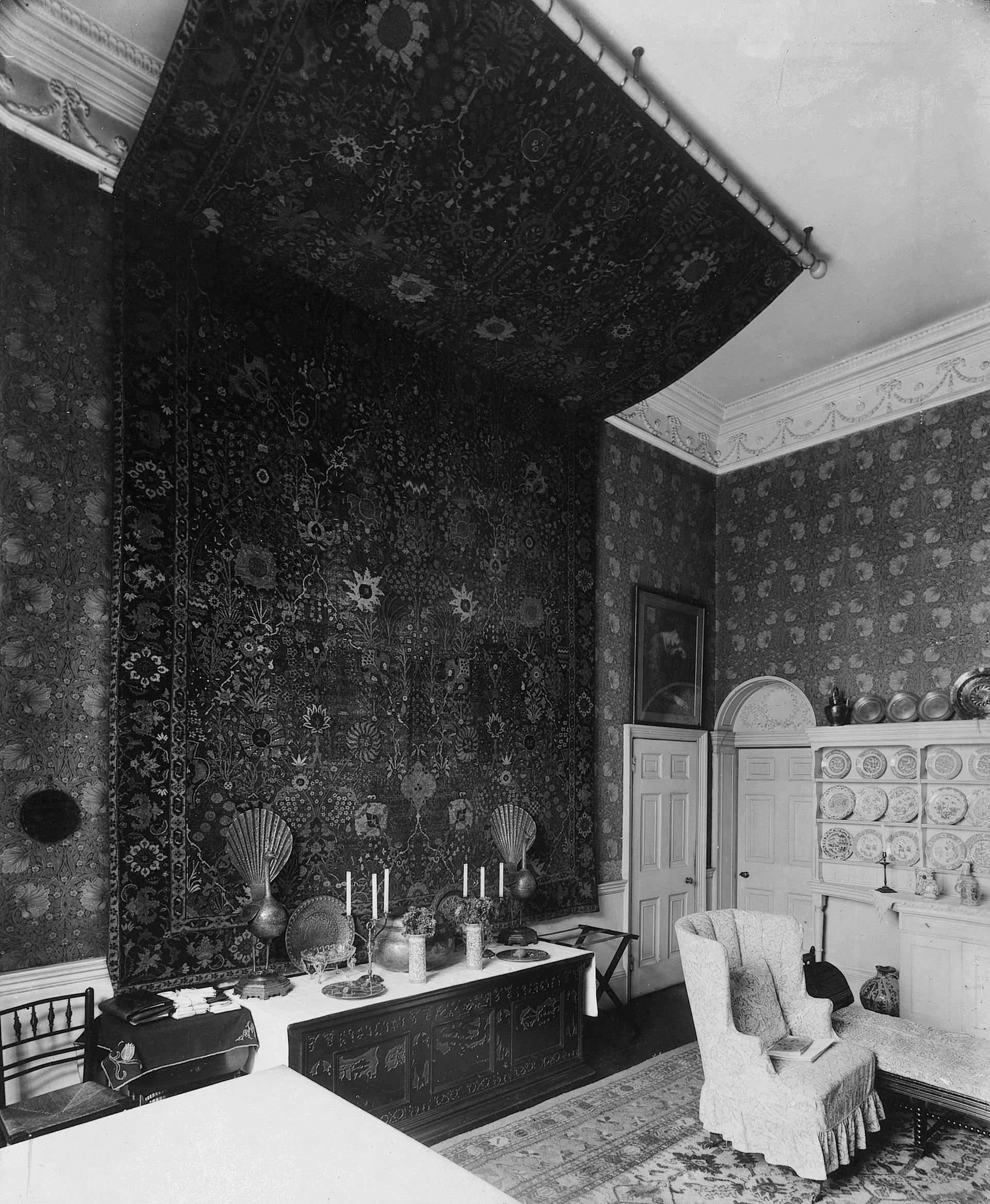
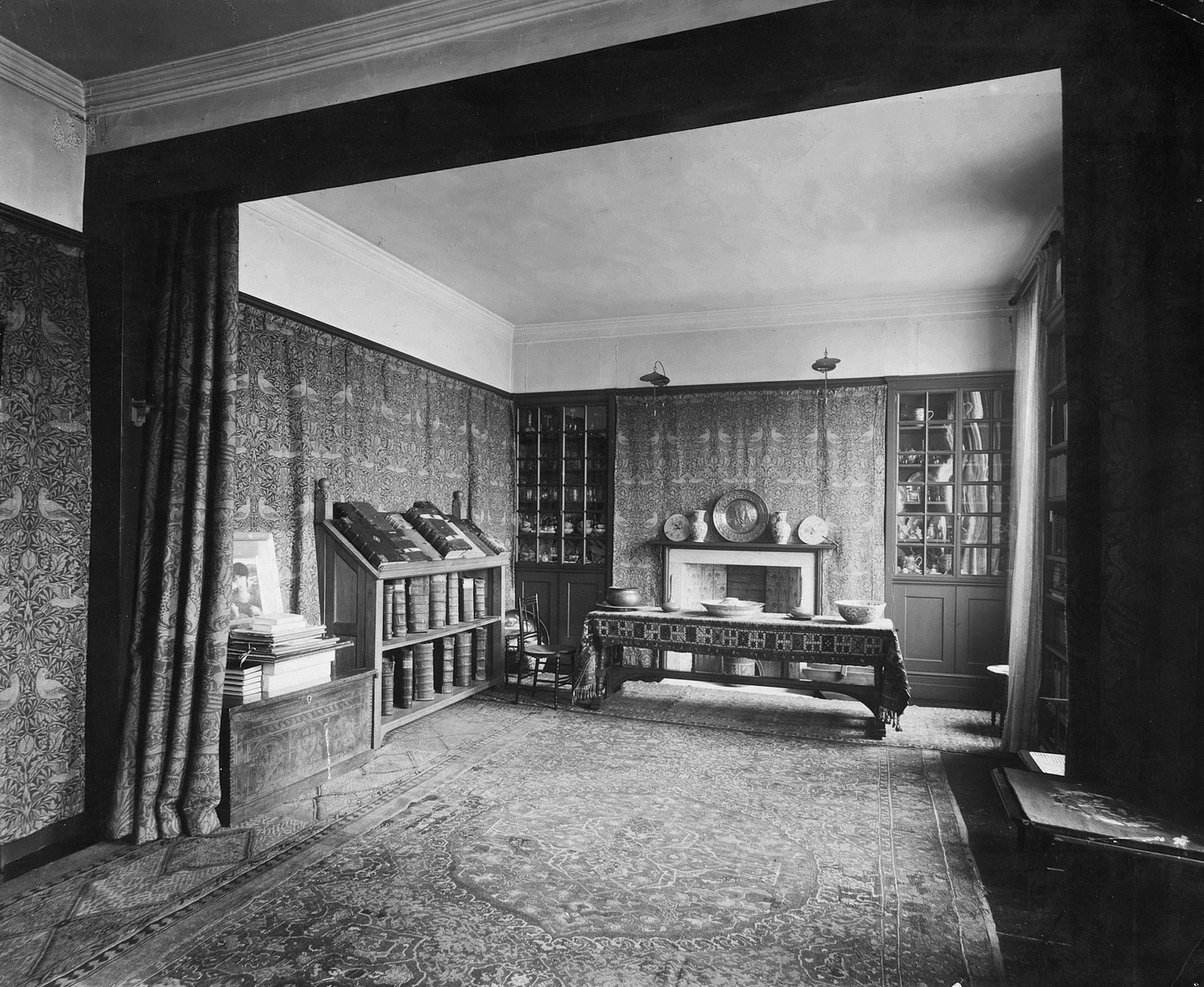
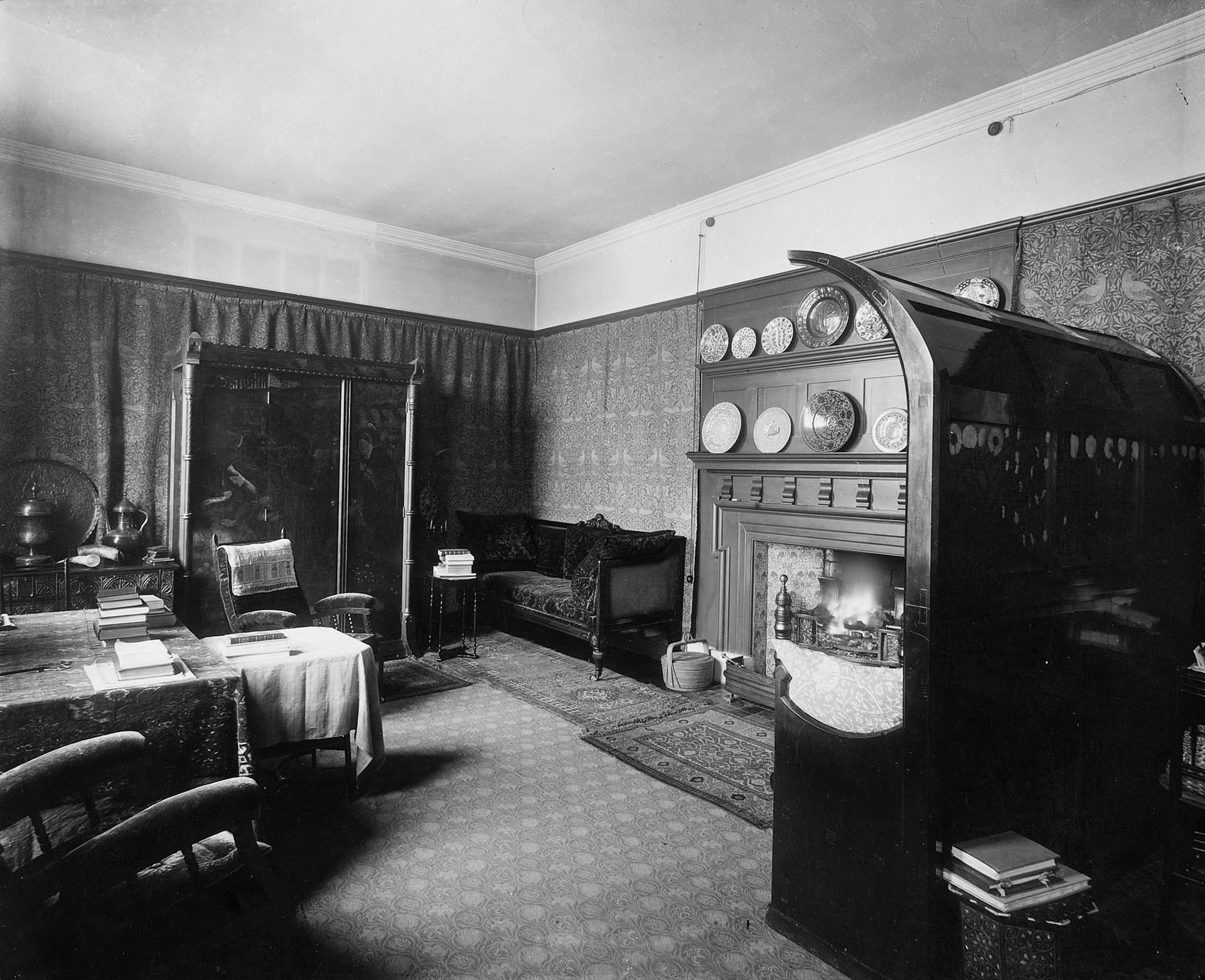
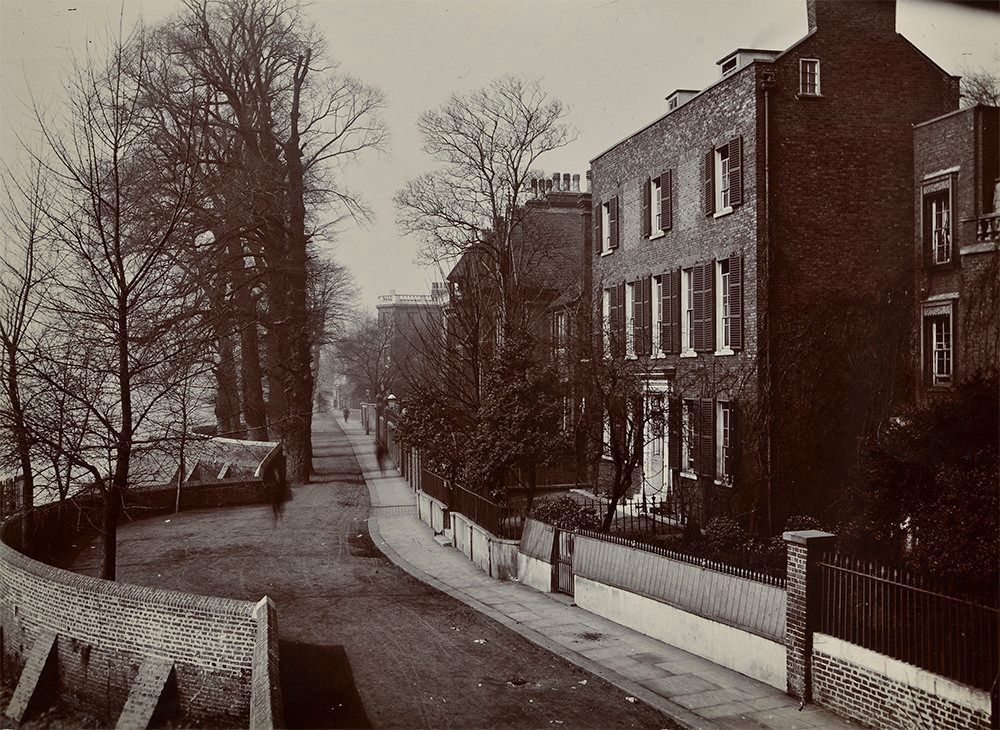
At Kelmscott House, Morris didn’t design in isolation. Interiors, architecture, furnishings and even books were part of a single narrative. His wallpapers were layered with natural dyes and inspired by the English landscape. They weren’t simply decorative. They brought the outside in, grounding the home in its setting.
This idea of cohesion is where many renovation projects struggle.
Clients often come to me overwhelmed, not by a lack of ideas, but by too many. It’s often like having a box of jigsaw pieces from lots of different puzzles all mixed up. Without a clear design direction, it becomes difficult to make confident decisions or create a home that feels resolved.
Morris reminds us that good design is not about adding more. It’s about connecting everything together.
Slide title
Write your caption here
Button
Slide title
Write your caption here
Button
Slide title
Write your caption here
Button
Slide title
Write your caption here
Button
Slide title
Write your caption here
Button
Slide title
Write your caption here
Button
Slide title
Write your caption here
Button
Slide title
Write your caption here
Button
Slide title
Write your caption here
Button
Slide title
Write your caption here
Button
Slide title
Write your caption here
Button
Slide title
Write your caption here
Button
Slide title
Write your caption here
Button
Slide title
Write your caption here
Button
Slide title
Write your caption here
Button
Photo credit (black & white photos): William Morris Society
Colour, crafting and meaning
Morris’s commitment to natural dyes and traditional processes wasn’t nostalgic, it was intentional. He understood that materials affect how a space feels.
This is where colour psychology and narrative-led design come into their own.
When we choose colour in response to architecture, light and context, not just preference, we create interiors that feel instinctively right. Spaces that make sense.
Ethics, sustainability and longevity
Morris’s work at Merton Abbey in Surrey embodied his belief in ethical production prioritising quality and the wellbeing of those who made the work.
He also co-founded Society for the Protection of Ancient Buildings, championing the careful, respectful preservation of historic buildings.
That philosophy feels more relevant than ever.
In an age of disposable interiors, designing thoughtfully, investing in craftsmanship, respecting a building’s history and creating something that lasts, is not just aesthetic. It’s responsible.
Why this matters for your home
Of course, it’s easy to say this. But with rising costs, craftsmanship can be expensive. If people are to earn a decent wage and be respected for their craft, there is a price. And of course the cost of materials can be volatile too.
However, whether you live in a Georgian townhouse or a contemporary extension, the principle remains the same:
A well-designed home isn’t assembled. It’s a long process starting with setting the intent of what you want to represent.
It reflects who you are, responds to the building itself and supports how you want to live, without losing sight of what makes it unique.
That’s the legacy of William Morris.
If you’re planning a renovation and want a home that feels coherent, characterful and deeply connected to its setting, I’d love to help.
Or, if you’re at the early stages, you can sign up to my newsletter for insights, guidance and resources on designing thoughtful interiors.
To visit Kelmscott House and the William Morris Society,
click here.