Lessons from Dorich House
A house designed around a life
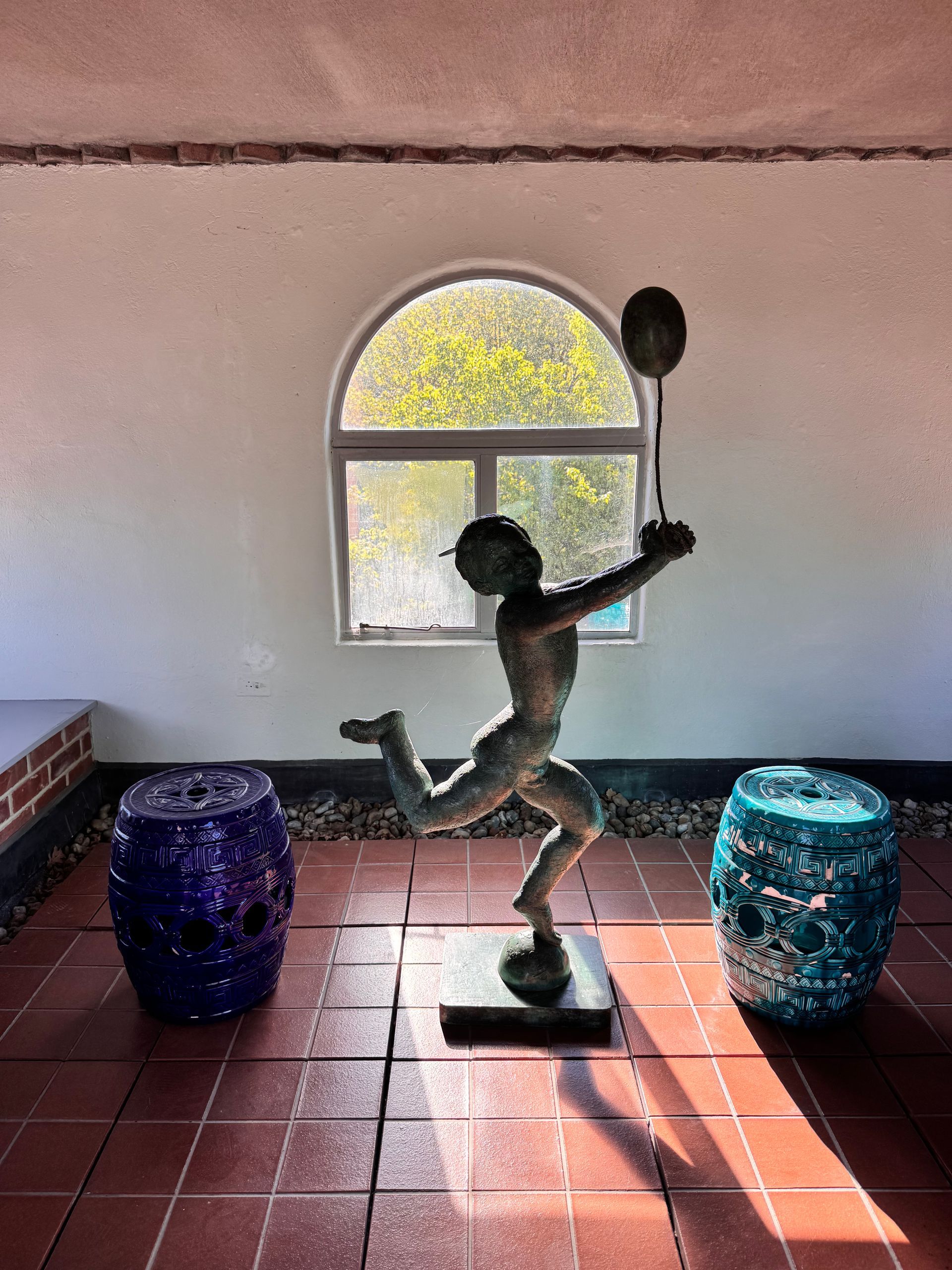
Dora Gordine was an internationally recognised sculptor whose work was exhibited across Europe and Asia. Born in what is now Latvia, she travelled extensively, studied in Paris and spent time in Southeast Asia before settling in England.
Rather than adapting herself to a conventional house, Gordine designed a house around the life she wanted to live.
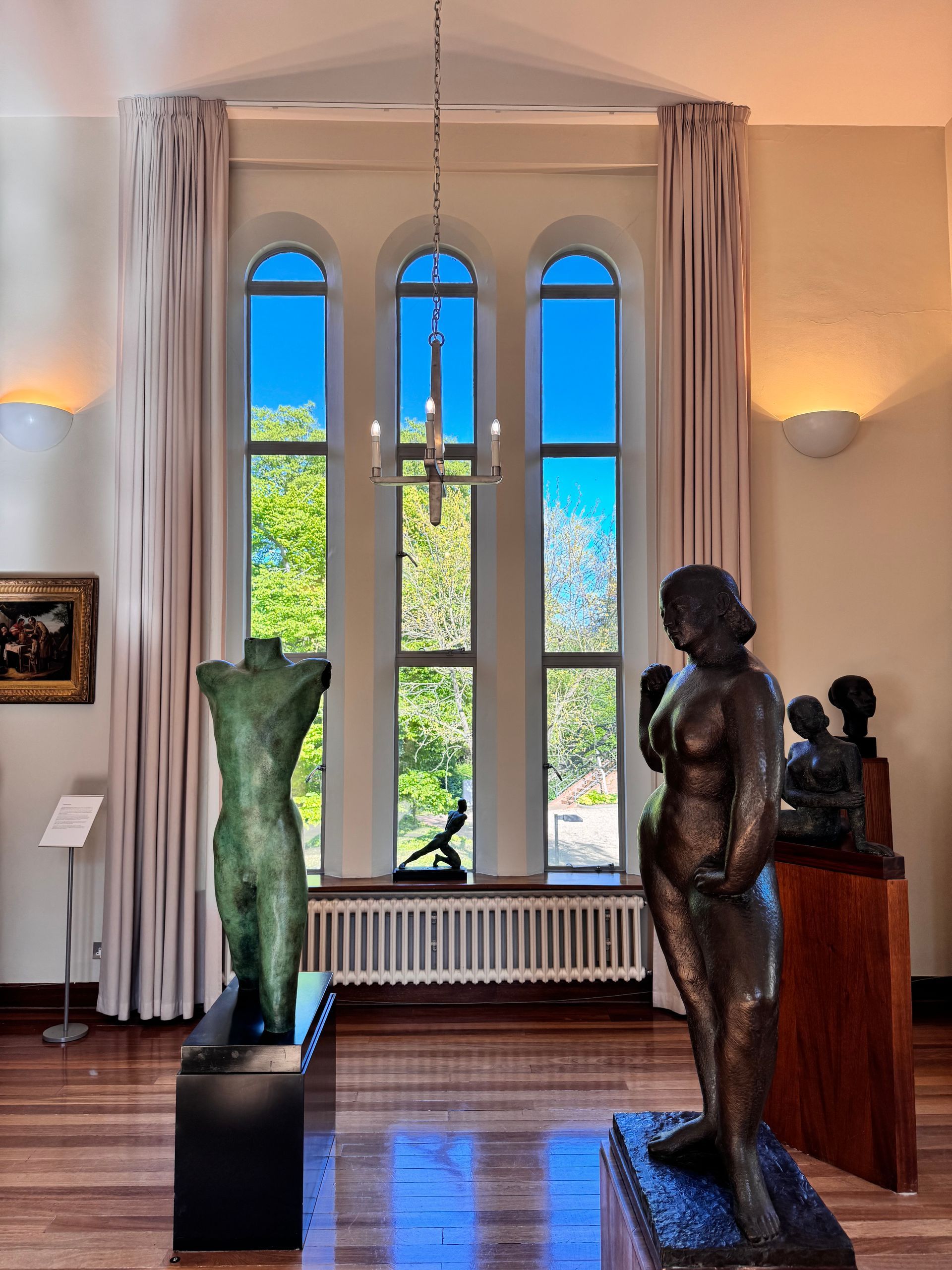
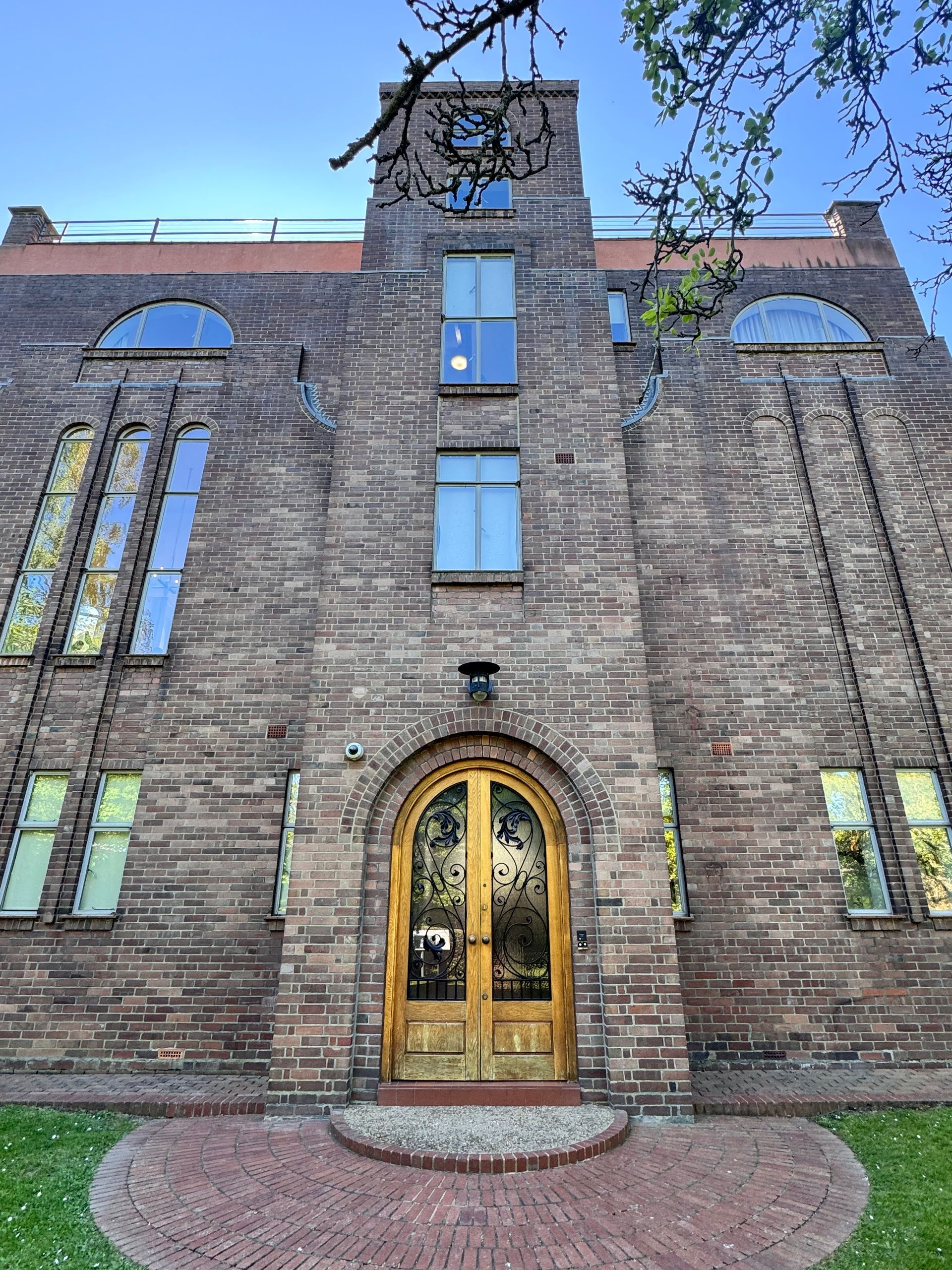
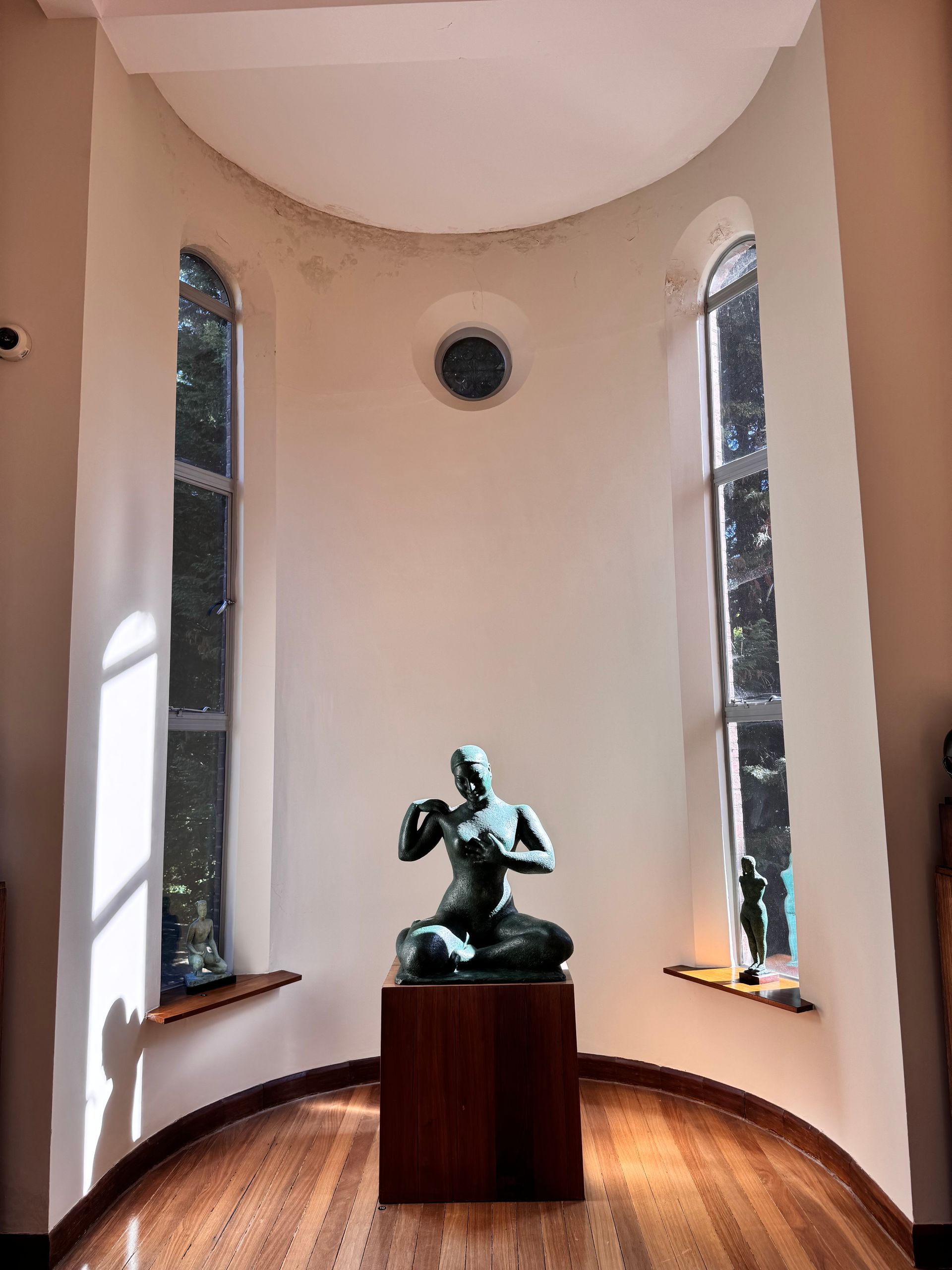
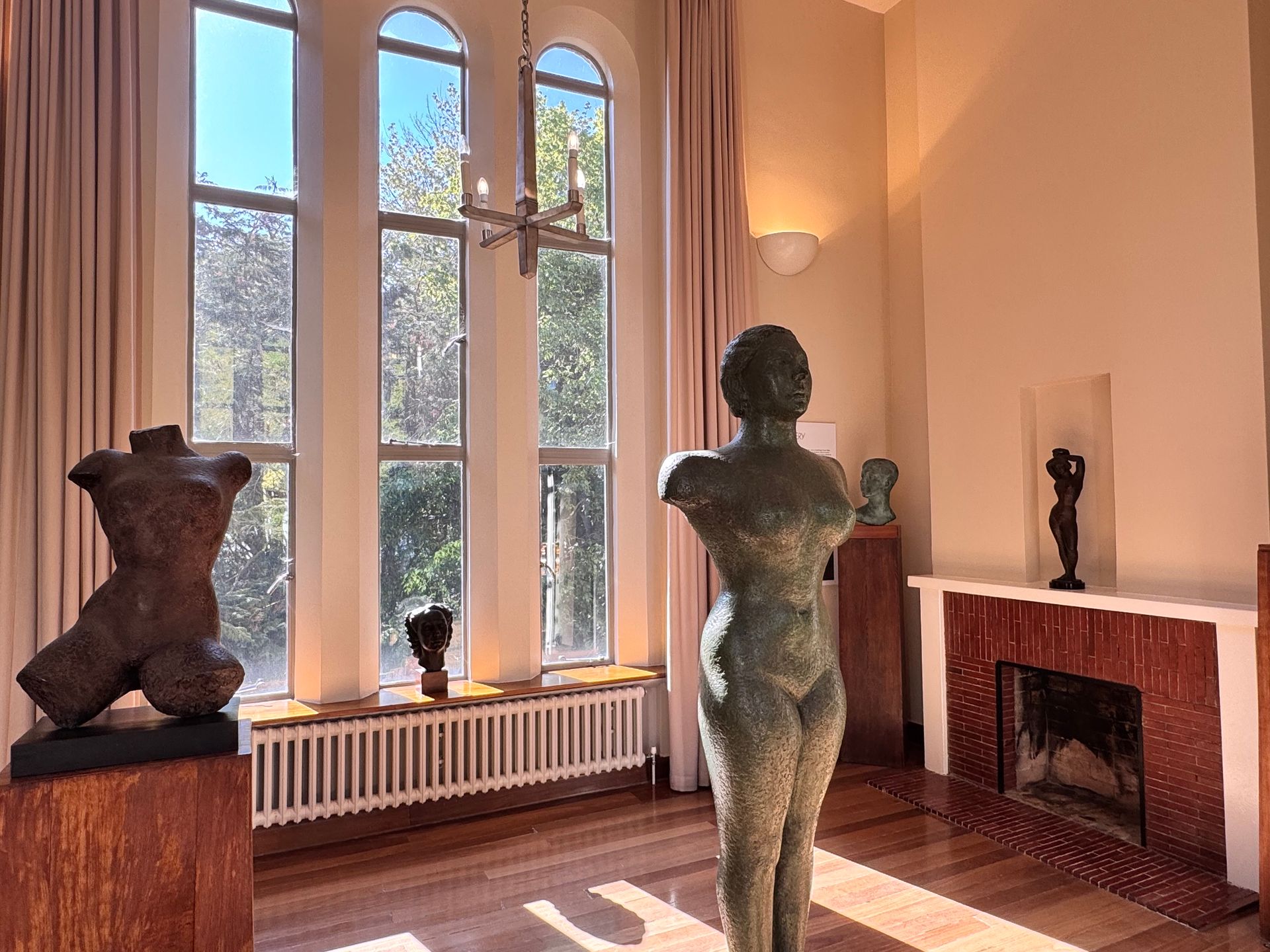
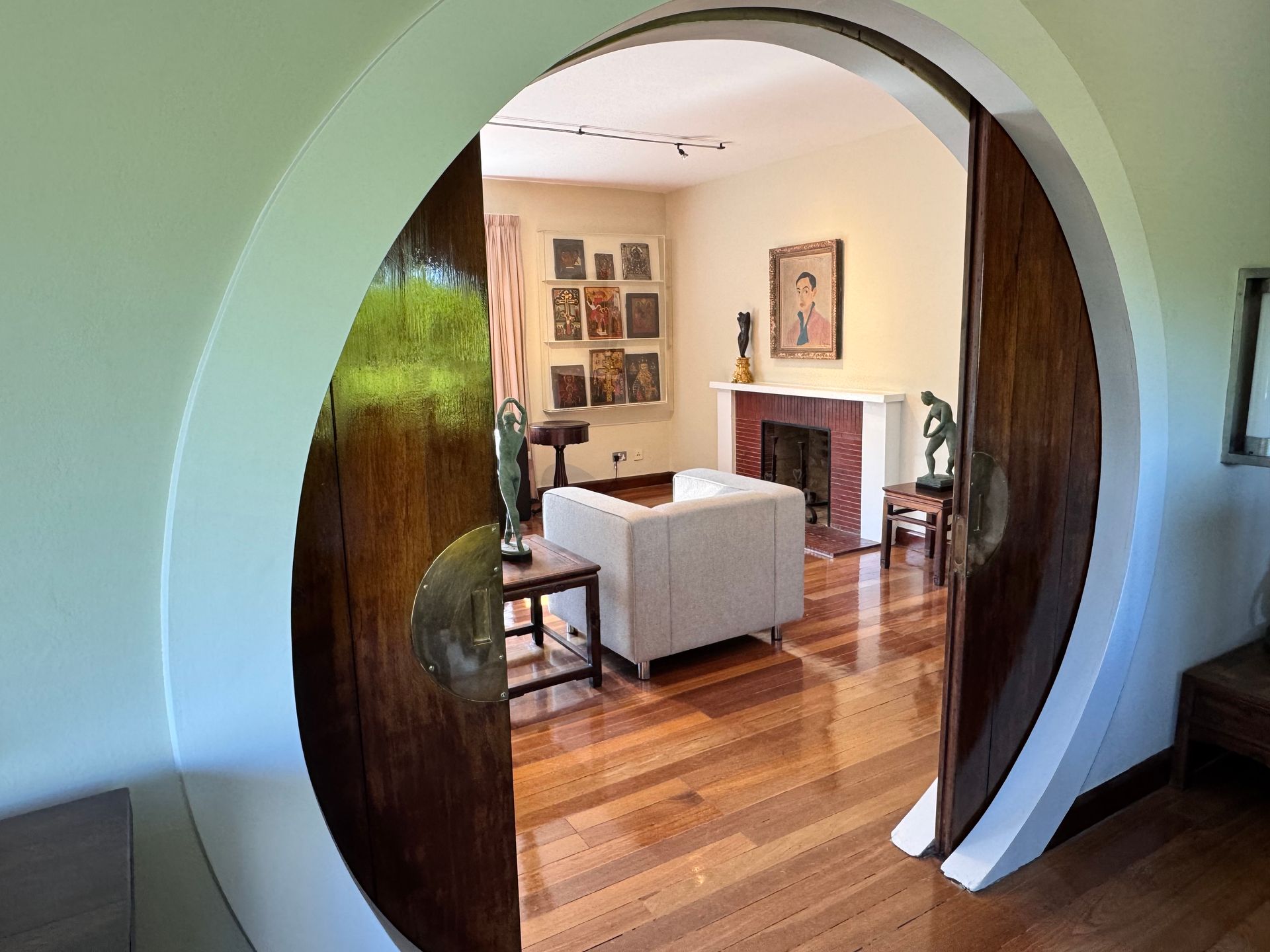
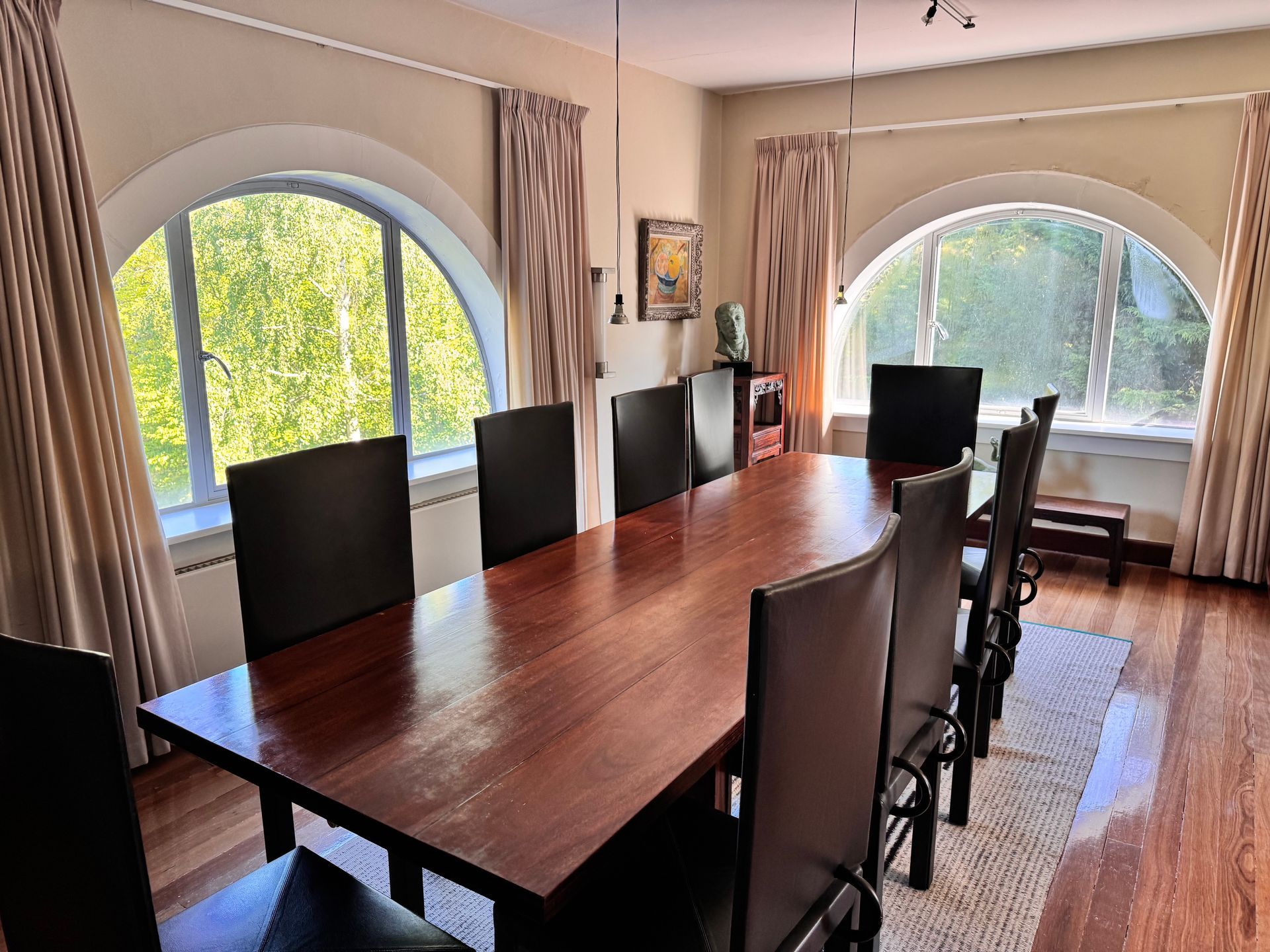
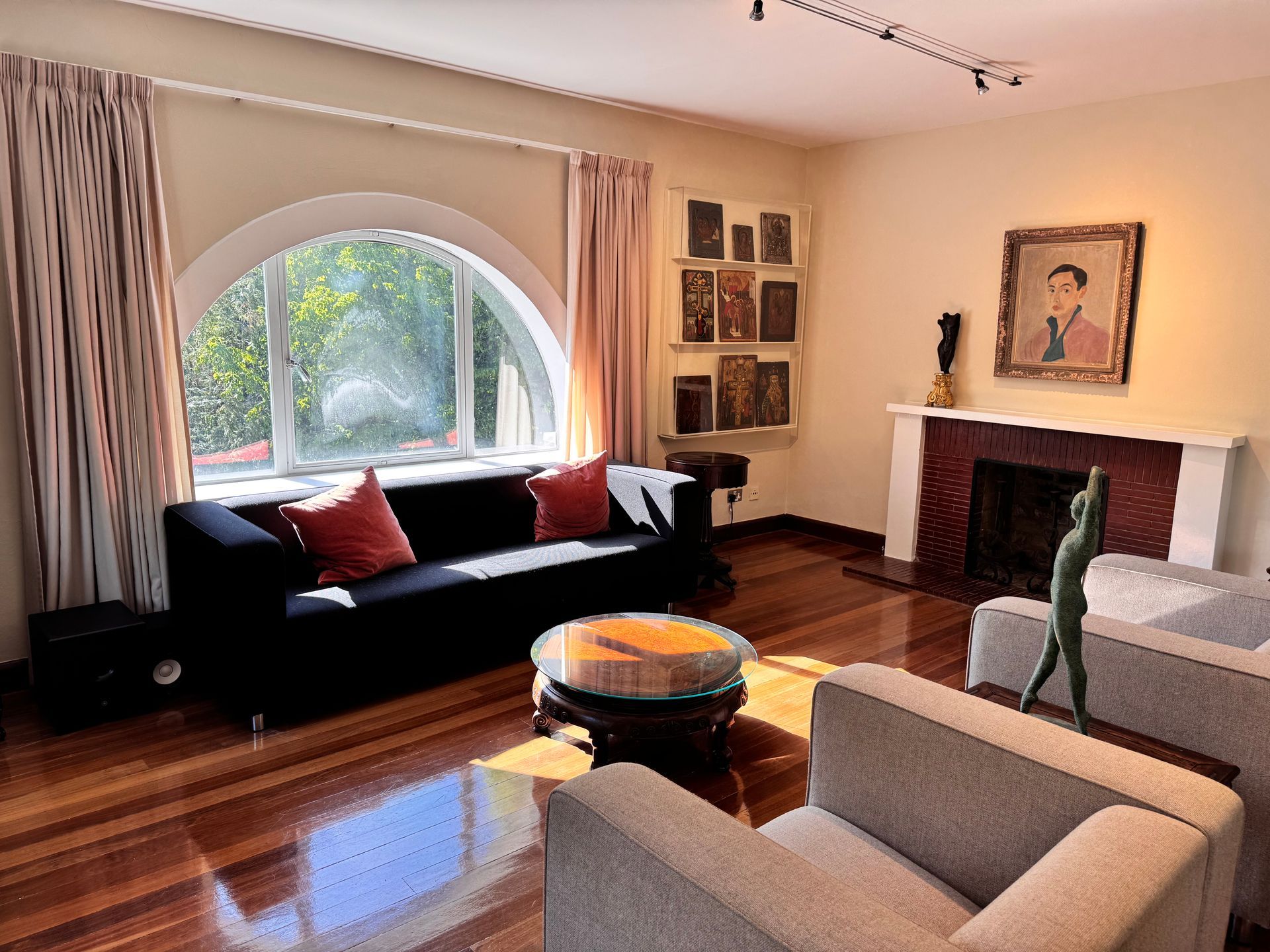
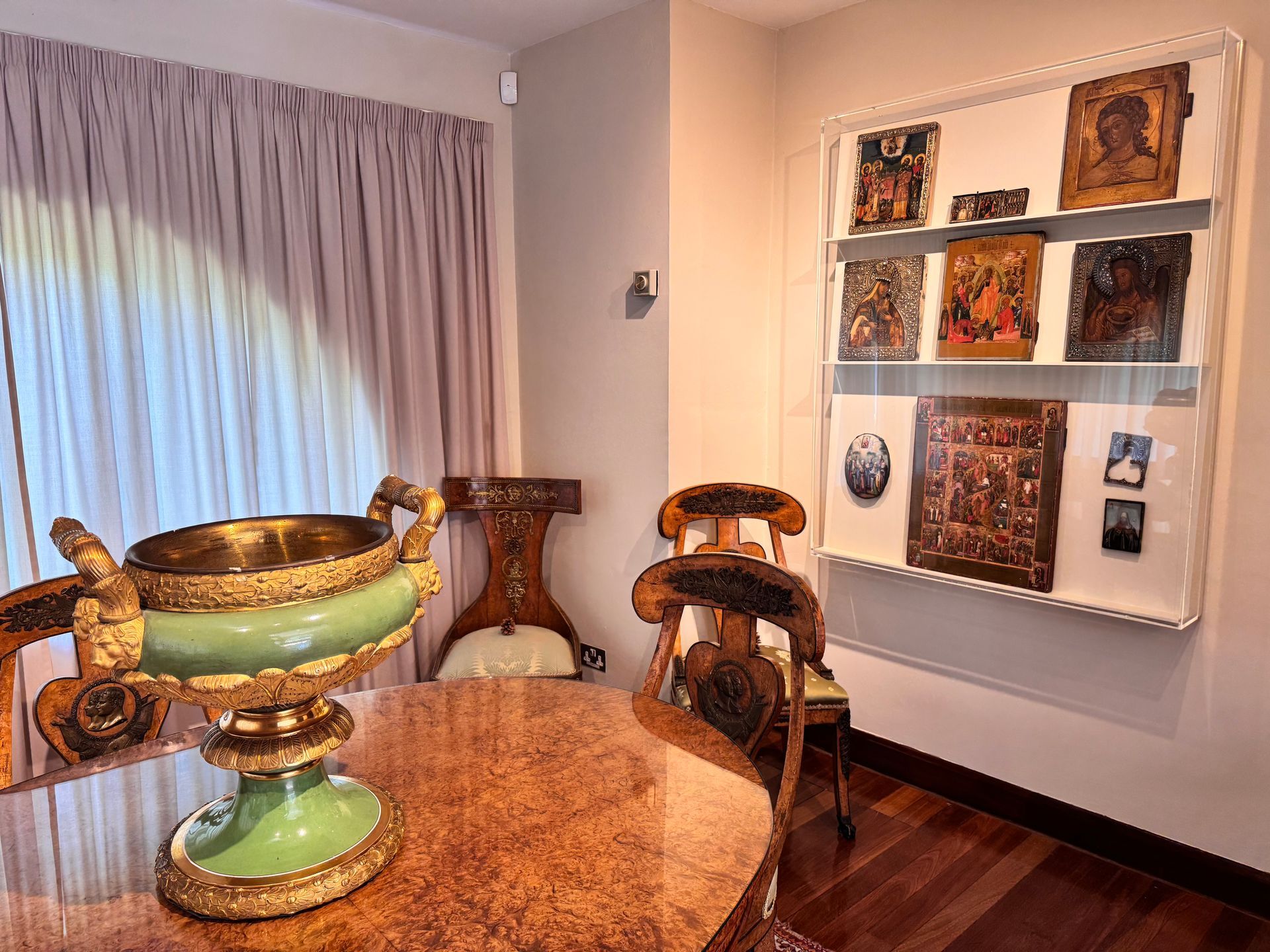
The building incorporated a vast sculpture studio with high ceilings and generous natural light. There were galleries for displaying her work, spaces for entertaining, rooms for her husband Richard Hare’s collection of Russian art and a private apartment above. Every part of the house reflected their interests, ambitions and daily routines. Marrying work and home life, the name Dorich is a portmanteau of Dora and Richard.
Today, many new homes are designed for an imaginary future buyer. Dorich House was designed for one very specific person.
Architecture as a self portrait
Walking through the house, it becomes clear that Gordine was expressing herself through architecture in much the same way that she expressed herself through sculpture.
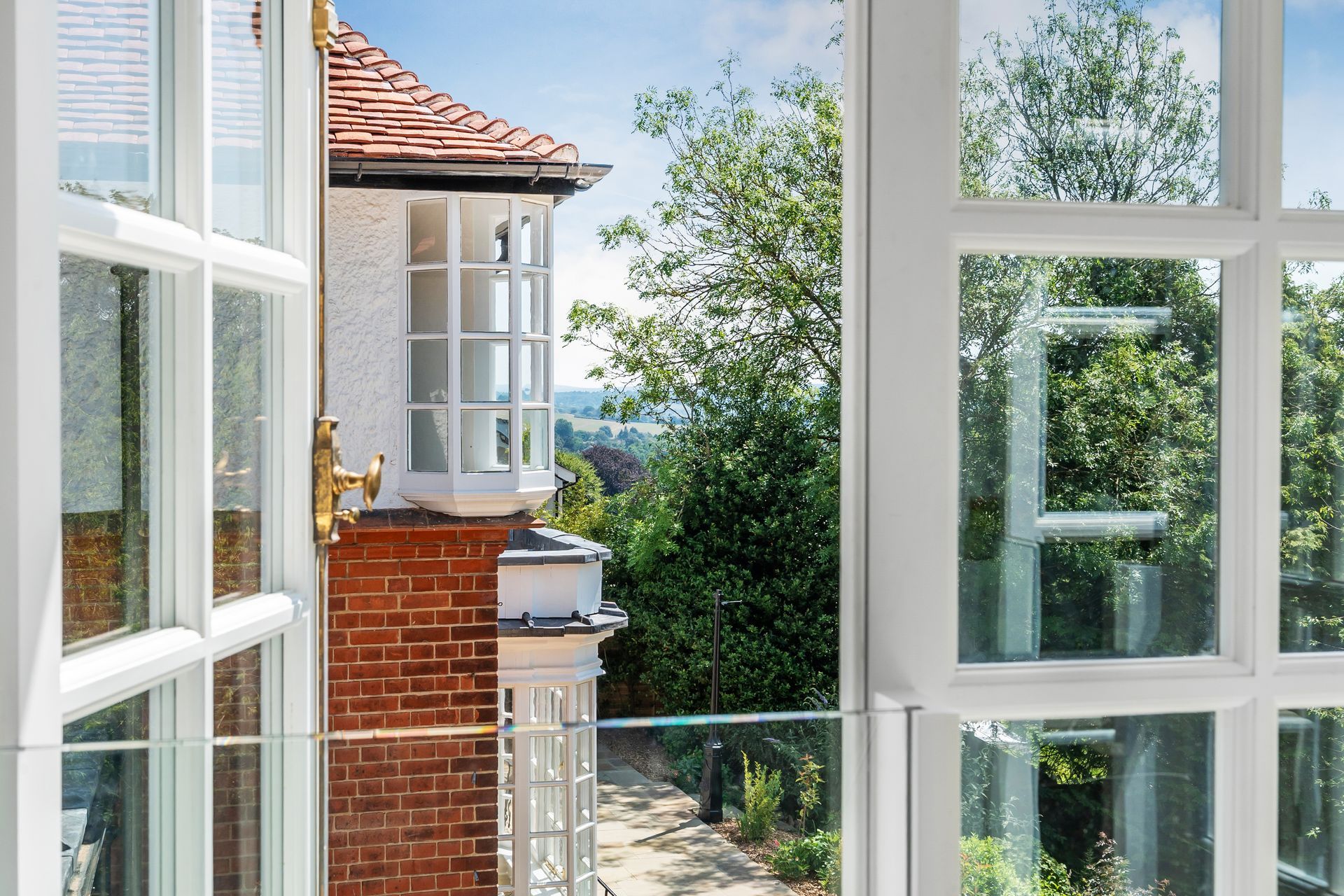
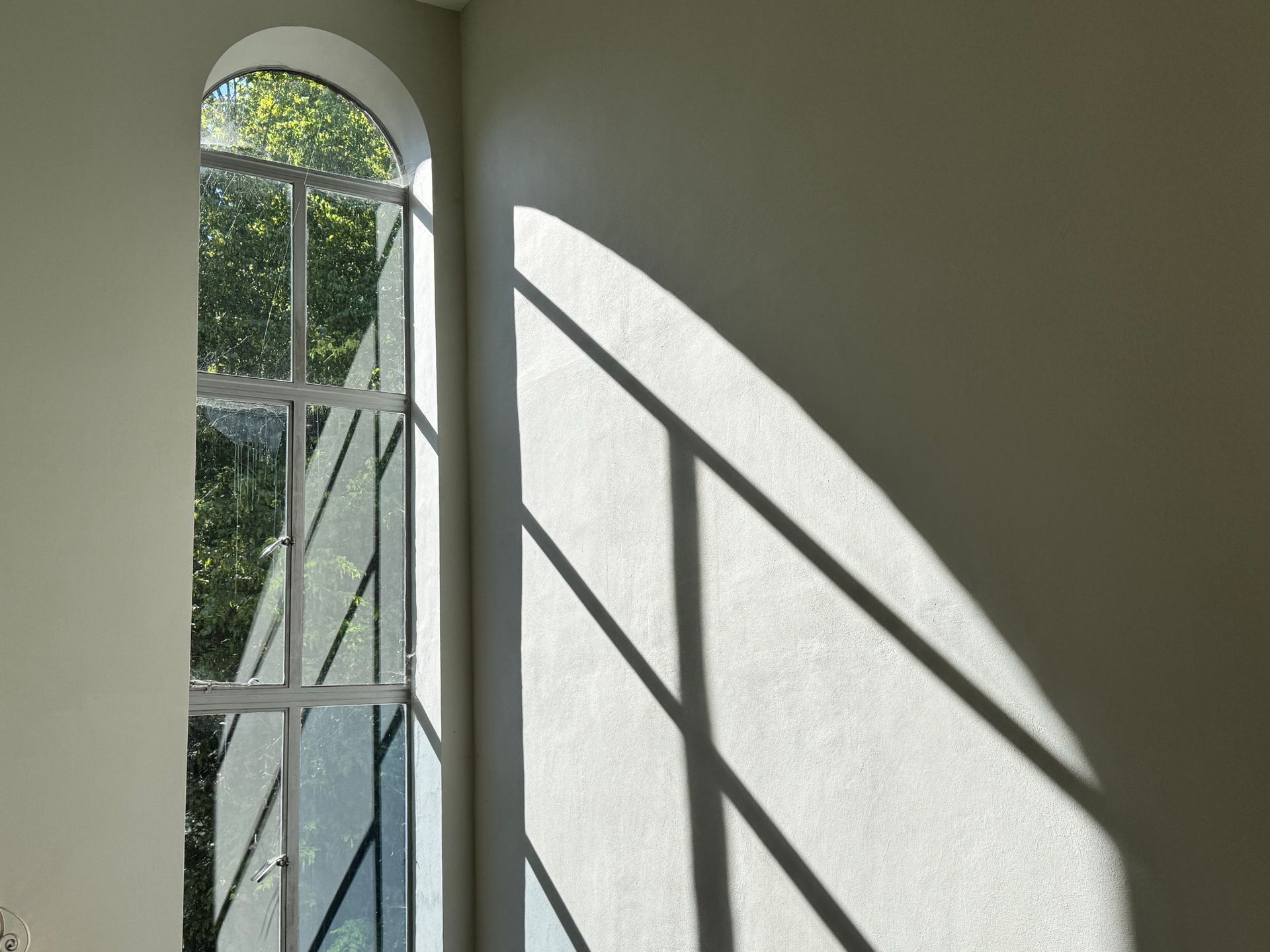
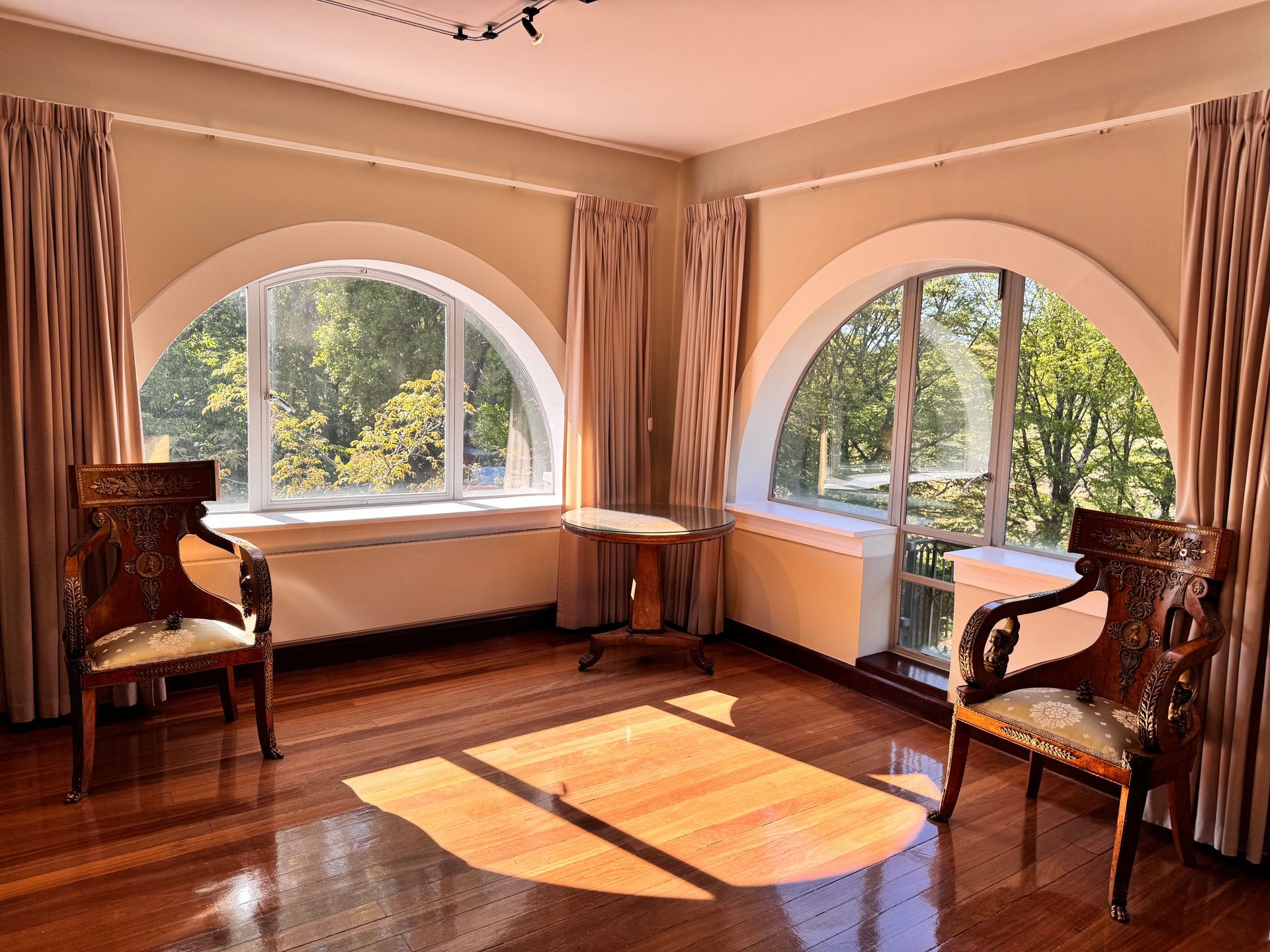
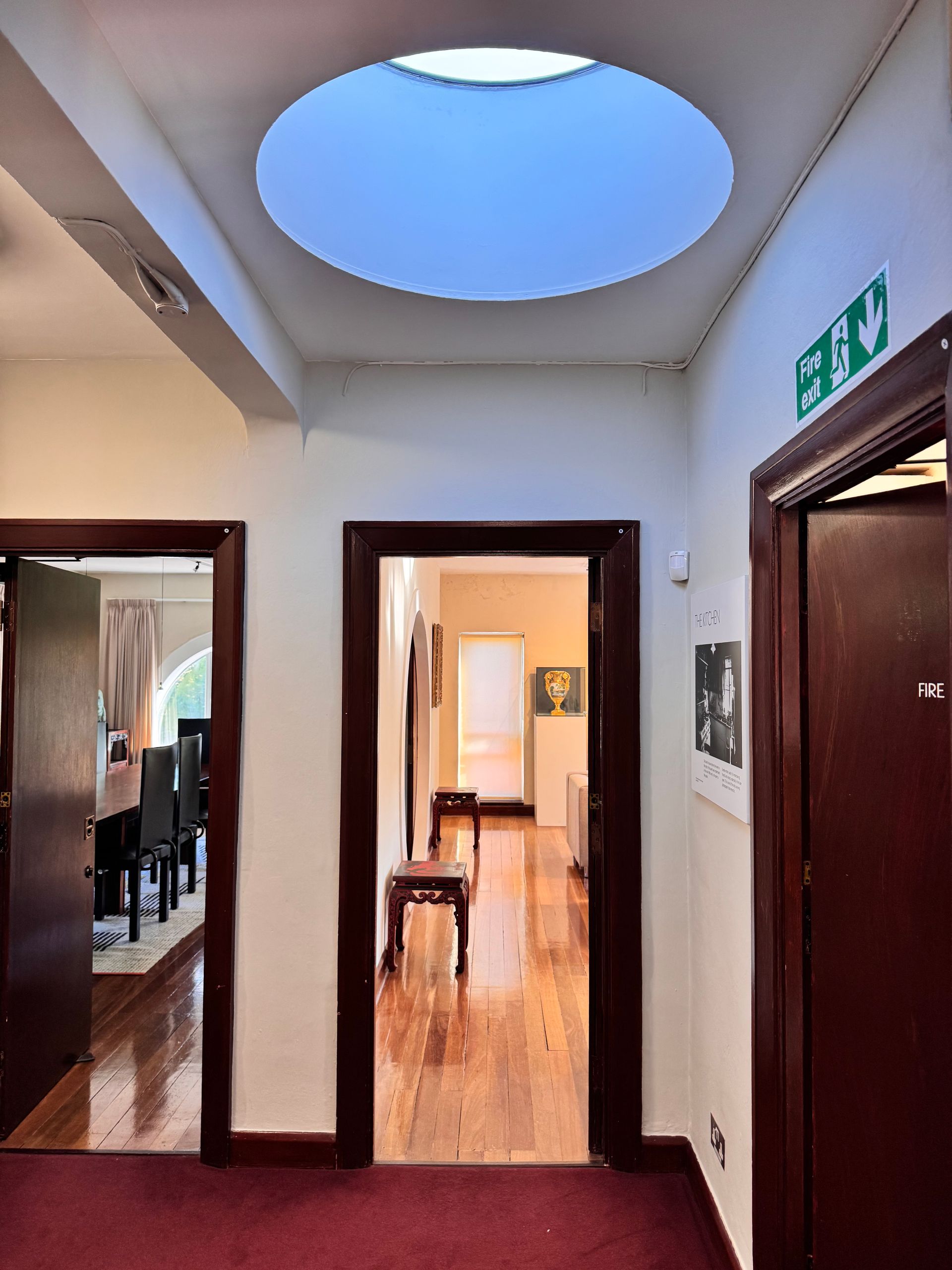
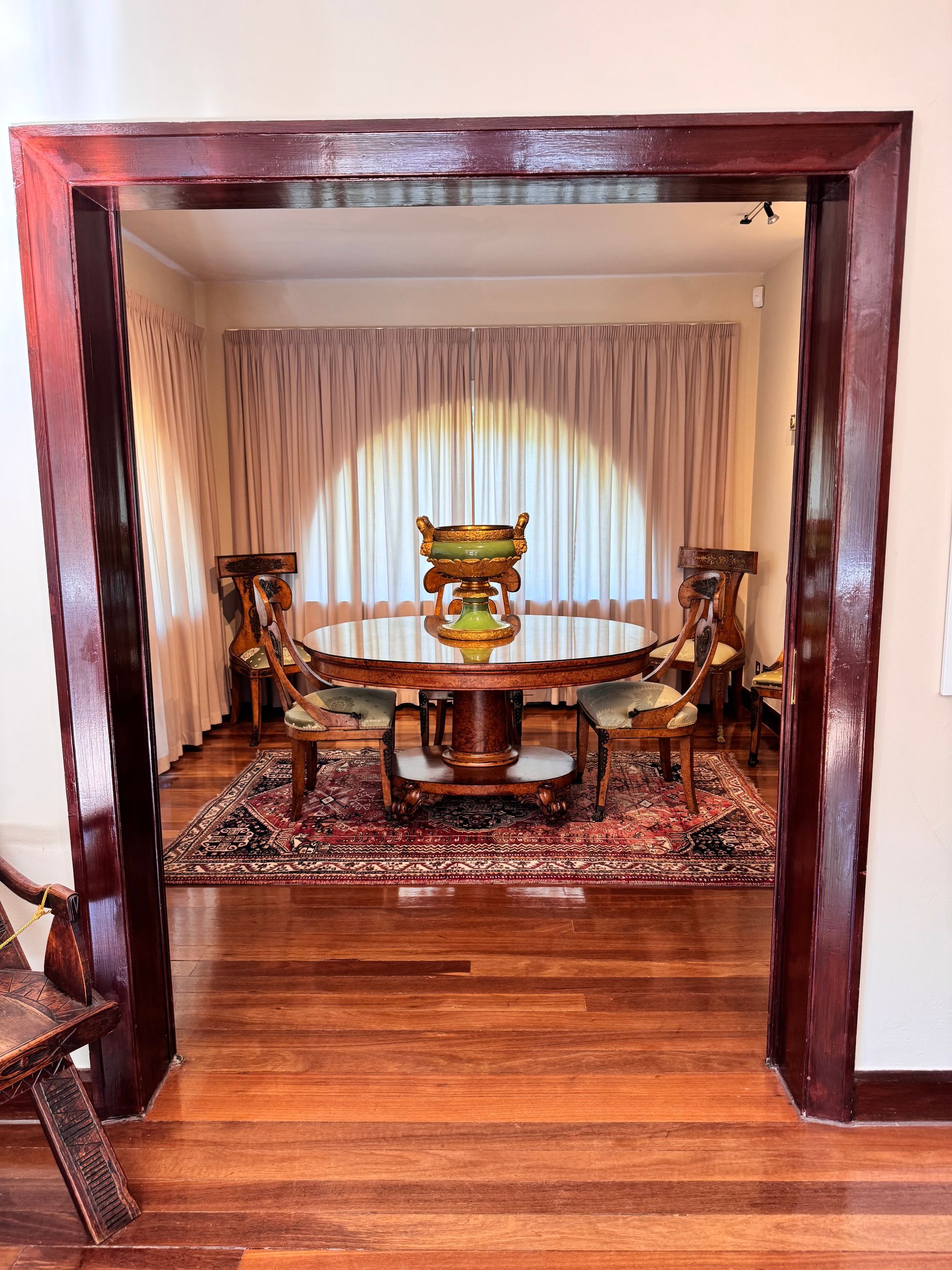
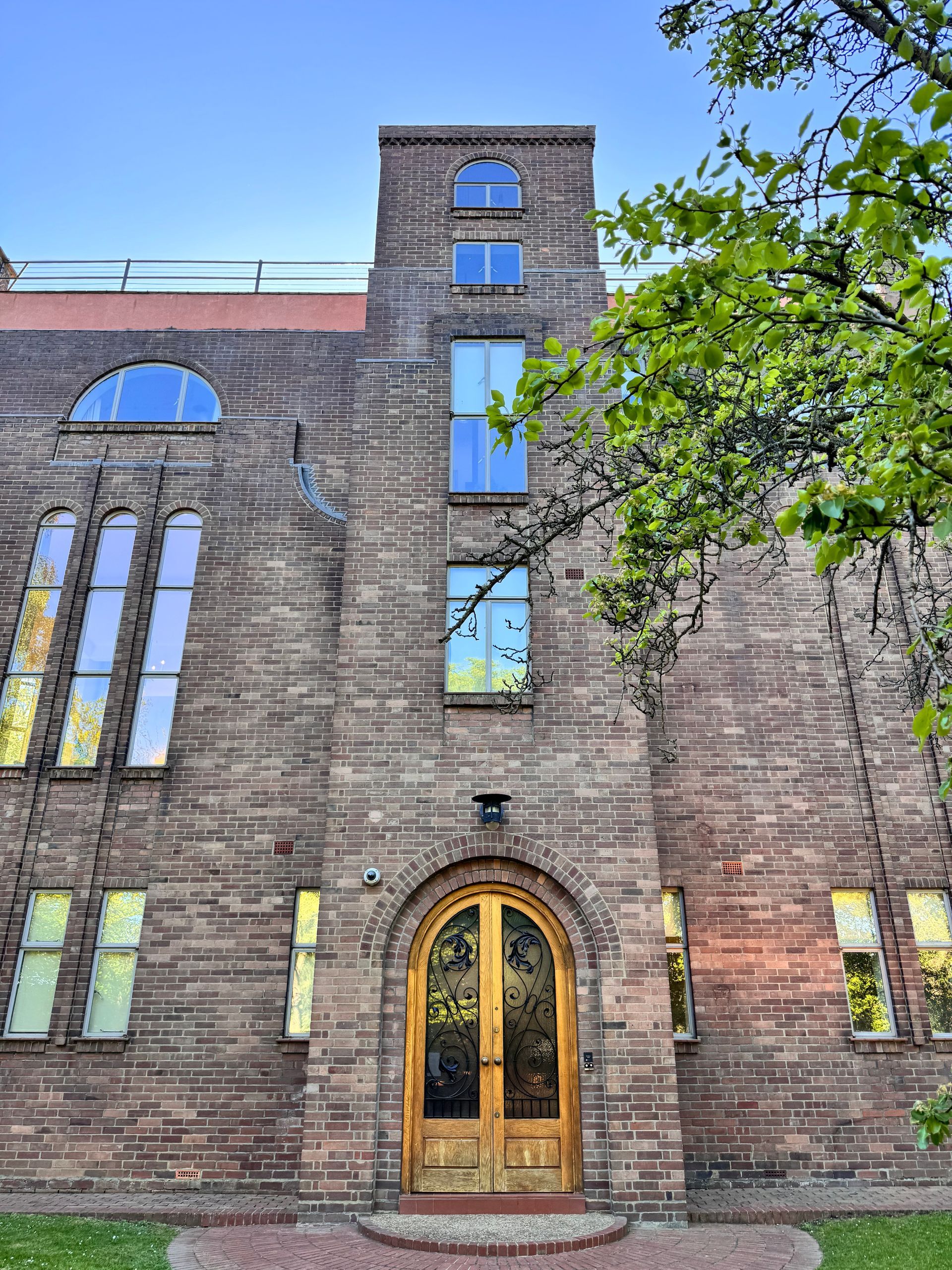
The dramatic circular opening between the living room and dining room creates a theatrical sense of movement. Sliding doors allow spaces to expand or contract. Tall windows frame views of the surrounding landscape while carefully controlling light within the rooms.
The polished wooden floors, the restrained palette and the arrangement of furniture all contribute to a feeling of calm and deliberation.
Even the famous house slippers offered to visitors reveal something about Gordine herself. Guests were asked to exchange their outdoor shoes before entering the apartment, partly to protect the floors and partly because of customs she had experienced during her travels.
Small details become part of the larger story.
Layers of influence
One of the most fascinating aspects of Dorich House is the way it brings together multiple cultural influences.
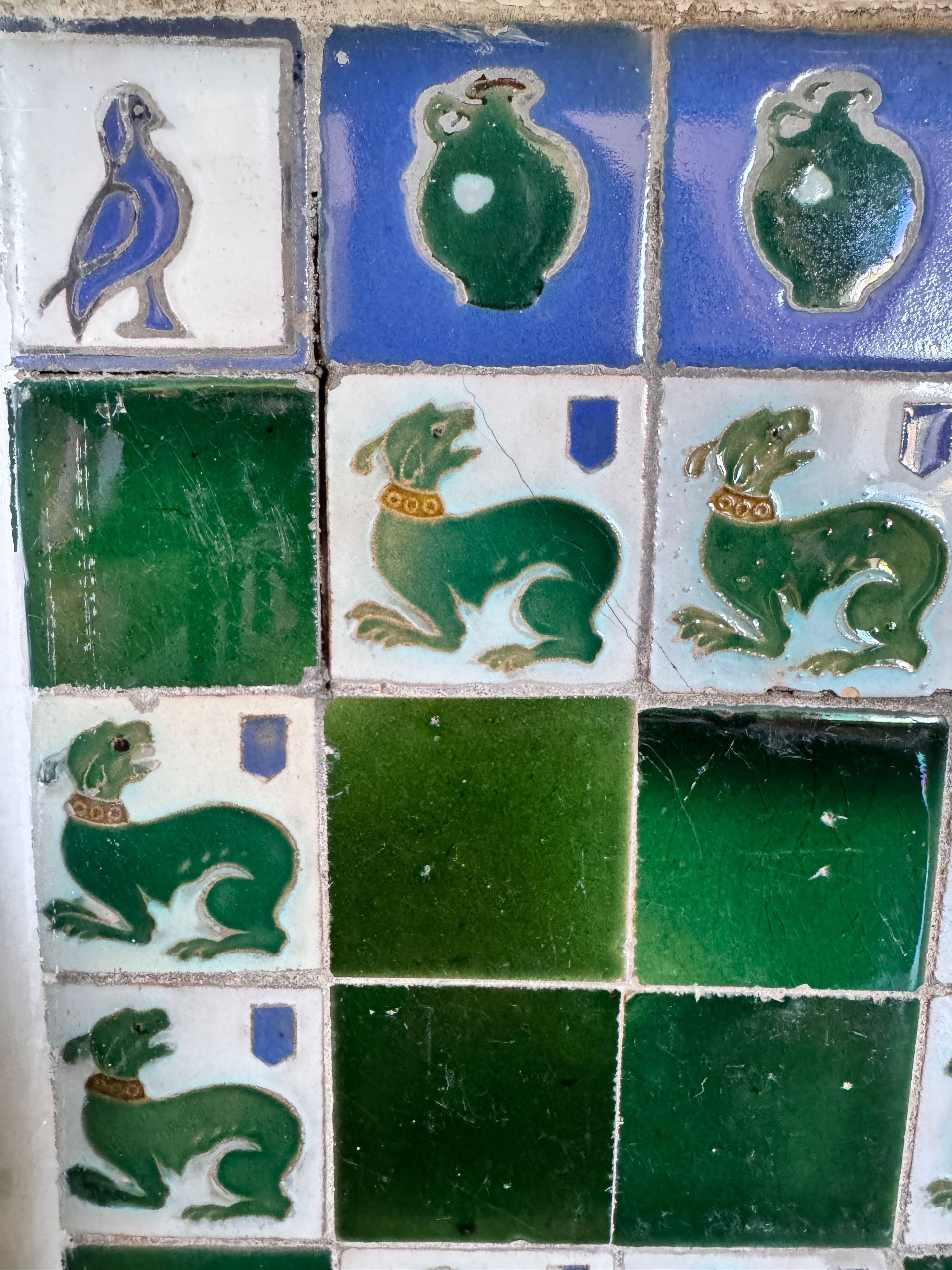
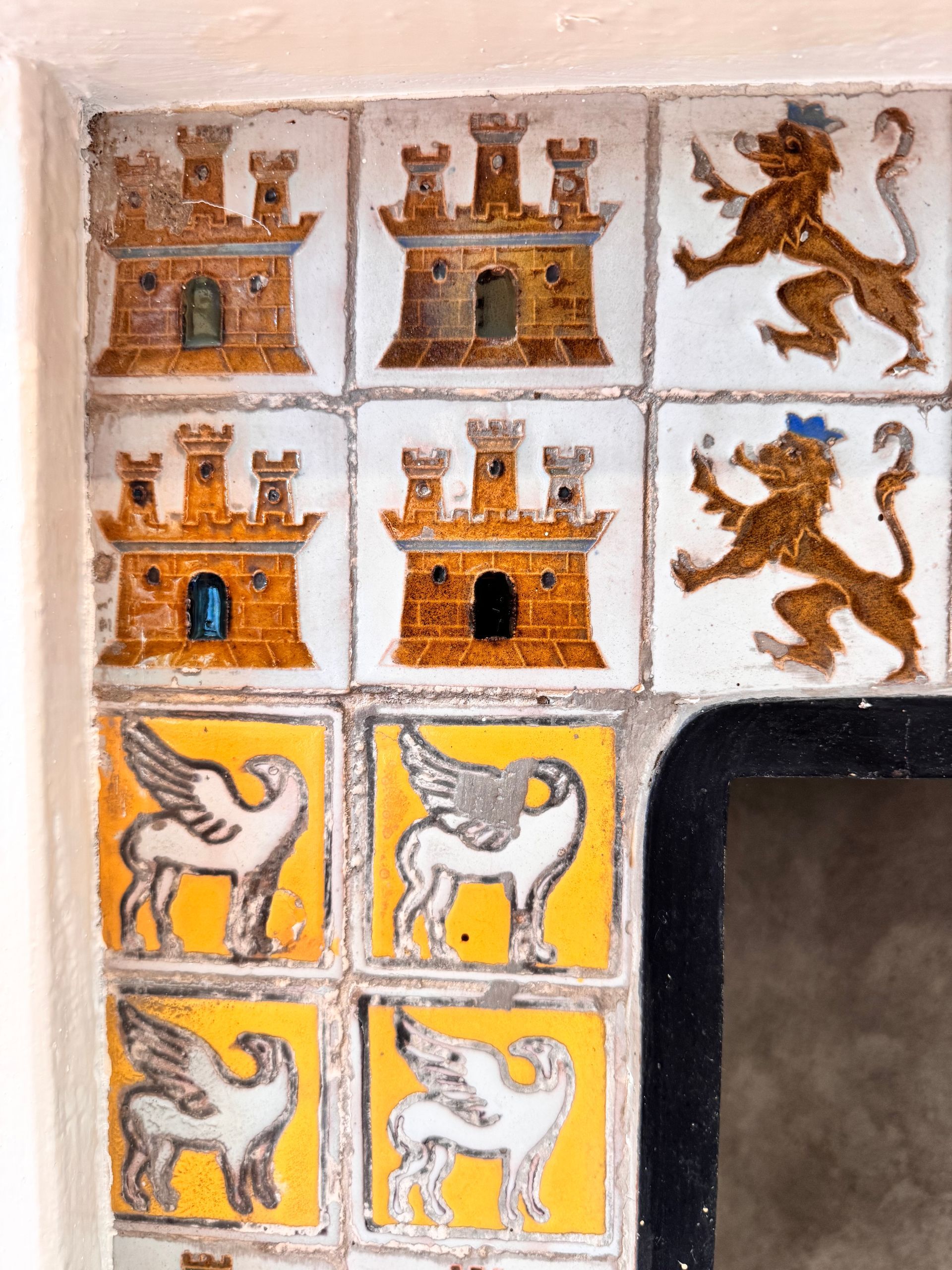
There are traces of European modernism, echoes of Russian culture, references to Asian architecture and evidence of Gordine's extensive travels. Yet none of these elements feel copied or decorative. Instead, they become part of a highly personal language.
Many homeowners worry about whether different styles, periods or influences can successfully coexist. Dorich House demonstrates that they can, provided they are connected by a coherent story.
The house does not follow fashion. It reflects a life.
What modern homes can learn
Visiting Dorich House raises an interesting question: why do so many contemporary interiors feel anonymous?
Open-plan spaces, neutral palettes and carefully curated trends often produce attractive rooms, but they do not always reveal much about the people who live there. Moving into an older home, which already
has a story, you should be able to create the next chapter in that narrative.
The most memorable homes rarely follow trends. They are the homes that reflect their owners' interests, values and experiences.
This does not require building a modernist house or commissioning sculptures. It may simply involve displaying meaningful objects, preserving original features, incorporating inherited furniture or designing rooms around the way a family actually lives.
As interior designers, we often begin by discussing practical requirements, but the deeper questions can be equally important.
What matters to you?
What stories does your home contain?
What do you want your rooms to say?
The narrative of a home
Historic houses often survive because they tell stories. Dorich House survives not simply because it is architecturally significant, but because it allows us to understand Dora Gordine herself.
The house reveals her creativity, her travels, her interests, her hospitality and her determination to shape her surroundings according to her own vision.
Perhaps this is why the house feels so contemporary despite being nearly ninety years old.
It reminds us that good design is not about following trends. It is about creating spaces that reflect the people who inhabit them.
When a house becomes a biography, it becomes far more than bricks and mortar. It becomes a lasting record of a life well lived.
Slide title
Write your caption here
Button
Slide title
Write your caption here
Button
Slide title
Write your caption here
Button
Slide title
Write your caption here
Button
Slide title
Write your caption here
Button
Slide title
Write your caption here
Button
Slide title
Write your caption here
Button
Slide title
Write your caption here
Button
Slide title
Write your caption here
Button
Slide title
Write your caption here
Button
Slide title
Write your caption here
Button
Slide title
Write your caption here
Button
Slide title
Write your caption here
Button
Slide title
Write your caption here
Button
Slide title
Write your caption here
Button
Slide title
Write your caption here
Button
What does your home say about you?
If you're looking to write the next chapter of your home we'd be happy to help. Whether you live in a Victorian terrace, a country cottage, a mid-century house or a listed property, understanding its history and character can help shape the next chapter.
We believe the best interiors emerge when we understand both the building and the people who live within it. The most memorable homes are not designed around trends, but around lives, memories and aspirations.
If you're renovating an older property and would like help uncovering its character and creating a home that reflects your own story, we'd be delighted to hear from you.
If you enjoy this article you may also enjoy...
Why every renovation should begin with the story of the house